
Illinois Car Accident Laws 2026: Complete Guide For Drivers
Essential guide to Illinois car accident regulations, liability rules, insurance needs, and driver safety laws for 2026.
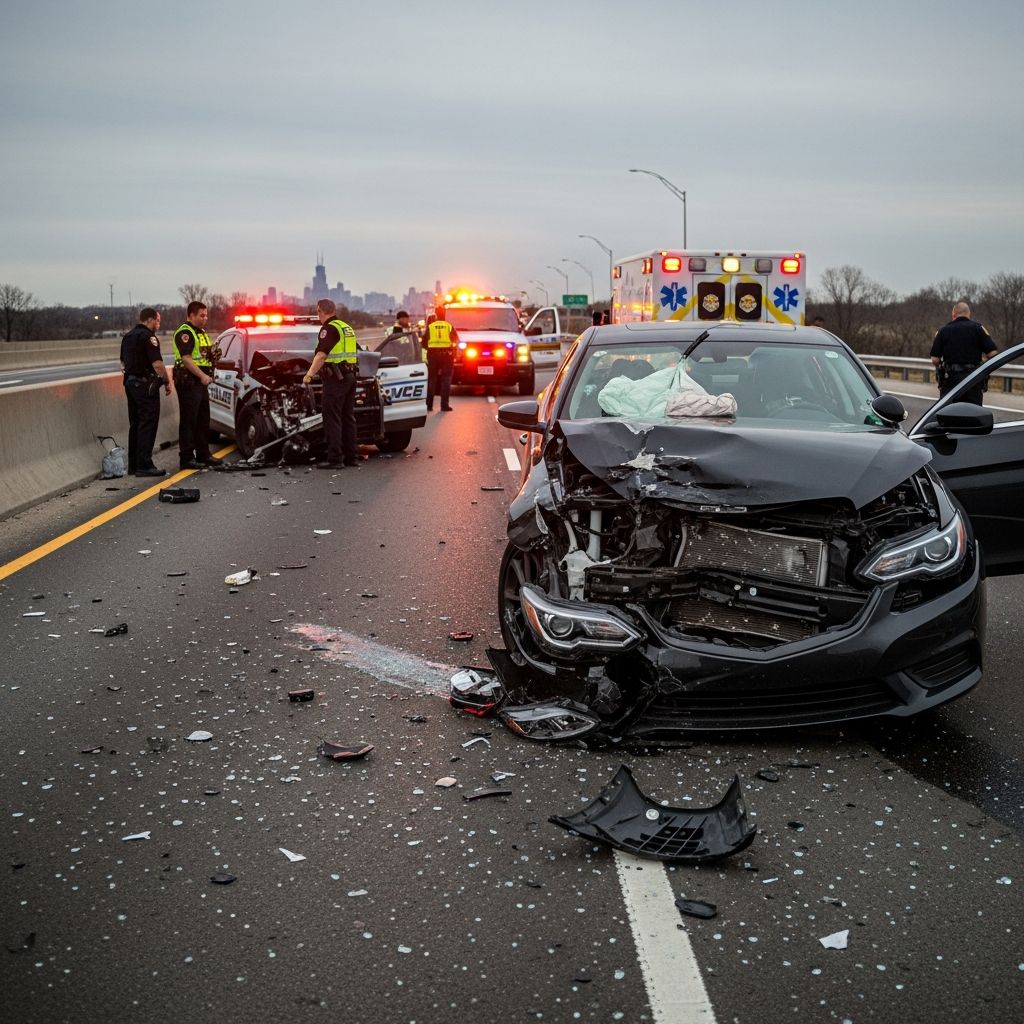
Car accidents in Illinois can lead to complex legal situations involving fault determination, insurance claims, and potential injuries. Understanding state-specific rules helps drivers protect their rights and ensure compliance. This guide covers key aspects of Illinois traffic laws, recent updates, and practical steps after a crash.
Determining Fault in Illinois Collisions
Illinois follows a modified comparative negligence system, meaning fault can be shared among parties. If you’re more than 50% at fault, you cannot recover damages from others. Evidence like police reports, witness statements, and dashcam footage plays a crucial role in establishing responsibility.
- Police Reports: Filed at the scene or station, these documents note violations and initial fault assessments.
- Witness Accounts: Independent testimonies strengthen claims by corroborating events.
- Physical Evidence: Skid marks, vehicle damage patterns, and traffic signals help reconstruct incidents.
Courts assign percentage-based fault, reducing compensation proportionally. For instance, if deemed 30% responsible, you’d receive 70% of claimed damages.
Insurance Requirements for Illinois Drivers
All Illinois motorists must carry minimum liability coverage to operate vehicles legally. These limits protect against claims from others in at-fault accidents.
| Coverage Type | Minimum Limit | Description |
|---|---|---|
| Bodily Injury (per person) | $25,000 | Covers medical expenses and lost wages for injured parties. |
| Bodily Injury (per accident) | $50,000 | Total for multiple injuries in one incident. |
| Property Damage | $20,000 | Repairs for vehicles and structures damaged. |
While minimums suffice legally, higher limits or additional coverages like collision, comprehensive, and uninsured motorist protection are recommended for fuller safeguards. Uninsured motorist coverage addresses hits from drivers lacking insurance, common in about 13% of Illinois claims.
Steps to Take Immediately After a Crash
Post-accident actions set the foundation for insurance and legal processes. Prioritize safety before documentation.
- Ensure Safety: Move vehicles out of traffic if possible and activate hazard lights.
- Seek Medical Help: Even minor symptoms warrant checks for delayed injuries like whiplash.
- Contact Authorities: Call 911 for serious crashes or injuries; otherwise, report to local police.
- Exchange Information: Share names, contacts, insurance details, and vehicle info with others involved.
- Document Everything: Photograph scenes, damages, and licenses before vehicles move.
Avoid admitting fault or discussing details with insurers prematurely, as statements can impact claims.
Filing Personal Injury and Property Claims
Injured victims pursue compensation via insurance or lawsuits. Illinois’ two-year statute of limitations applies to personal injury claims from crash dates.
- No-Fault for Minor Cases: Covers initial medical costs regardless of fault, but thresholds exist for lawsuits.
- Compensation Types: Includes medical bills, wage loss, pain and suffering, and future care needs.
- Settlement Process: Negotiate with insurers; if unresolved, file suits in circuit courts.
Property damage claims have a one-year limit. Appraisals determine repair or total loss values.
Recent Expansion of Scott’s Law: Protecting Roadside Responders
Scott’s Law, Illinois’ Move-Over statute enacted in 2002, mandates drivers slow down or change lanes for stationary emergency vehicles. Effective January 1, 2026, expansions broaden protections amid rising violations.
Key 2026 changes include:
- Moving Vehicles: Applies to authorized emergency vehicles with flashing lights, whether stopped or in motion.
- Pedestrian Coverage: Protects workers outside vehicles at scenes, like tow operators or maintenance crews.
- Violation Stats: 14 incidents in 2025; two already in early 2026, highlighting urgency.
Penalties start at $250 fines, escalating to $10,000, license suspensions (6 months to 2 years for injuries), and jail time (up to 3 years if striking someone). Real tragedies, like a tow driver’s 2022 death preventable under new rules, underscore impacts.
Illinois State Police emphasize compliance, especially in winter when black ice heightens risks. Advocates like survivor Christopher Moore promote awareness via awareness vehicles.
Common Violations and Their Consequences
Beyond Scott’s Law, frequent infractions include speeding, DUI, and distracted driving, amplifying crash severity.
| Violation | Fine Range | Additional Penalties |
|---|---|---|
| Speeding (1-25 mph over) | $25-$250 | Points on license; suspension possible. |
| DUI (First Offense) | $1,000+ | License revocation, jail up to 1 year. |
| Running Red Light | $150-$500 | Increased insurance rates. |
| Scott’s Law Breach | $250-$10,000 | Jail if injury/death; suspension. |
These contribute to fault determinations and bar recovery if primary cause.
Special Rules for Rideshares and Commercial Vehicles
Uber/Lyft drivers need extra commercial insurance during rides. Commercial trucks follow federal hours-of-service regs, with state oversight on licensing.
- Rideshare Coverage: Personal policies often exclude app-based driving; carriers bridge gaps.
- Truck Accidents: Require CDL holders; violations trigger FMCSA investigations.
Vehicles in accidents must yield right-of-way investigations.
When to Consult a Legal Professional
Seek attorneys for disputed fault, severe injuries, denied claims, or deadlines nearing. Contingency fees align interests, with no upfront costs.
Professionals negotiate better settlements, averaging 3.5 times higher than self-represented claims.
Frequently Asked Questions
What is the statute of limitations for car accident injury claims in Illinois?
Two years from the accident date for personal injury; one year for property damage.
Do I need a lawyer for every car accident claim?
Not for minor property damage, but yes for injuries, disputes, or significant losses.
What are Illinois’ car insurance minimums?
$25,000 bodily injury per person, $50,000 per accident, $20,000 property damage.
Has Scott’s Law changed recently?
Yes, 2026 expansions cover moving emergency vehicles and roadside pedestrians, with stricter penalties.
Can I sue if partially at fault?
Yes, if under 51% responsible under modified comparative negligence.
Preventing Accidents: Safe Driving Practices
Proactive habits reduce risks: obey speeds, avoid distractions, maintain vehicles, and heed weather. Scott’s Law compliance saves lives.
Illinois reports thousands of annual crashes; vigilance cuts involvement odds.
References
- Illinois expands Scott’s Law to protect roadside workers, aims to curb deadly crashes — FOX Illinois. 2026-01-15. https://foxillinois.com/news/local/illinois-expands-scotts-law-to-protect-roadside-workers-aims-to-curb-deadly-crashes
- ISP Experiences 2nd Move Over Law-Related Crash of 2026 — NewsChannel20. 2026-01-08. https://newschannel20.com/news/local/isp-experiences-2nd-move-over-law-related-crash-of-2026
- Illinois’ Scott’s Law to expand in 2026, how it will affect Stateline drivers — Eyewitness News WTVO WQRF (YouTube). 2025-12-31. https://www.youtube.com/watch?v=MzKMSO3mUbE
- What Illinois laws take effect on January 1, 2026? — Illinois Legal Aid Online. 2026-01-01. https://www.illinoislegalaid.org/legal-information/what-illinois-laws-take-effect-january-1-2026
Similar Articles








Read full bio of Sneha Tete


