
Identity Theft: Recognizing, Responding, and Rebuilding
Learn how identity theft happens, how to spot the warning signs quickly, and the exact steps to recover and protect your credit.
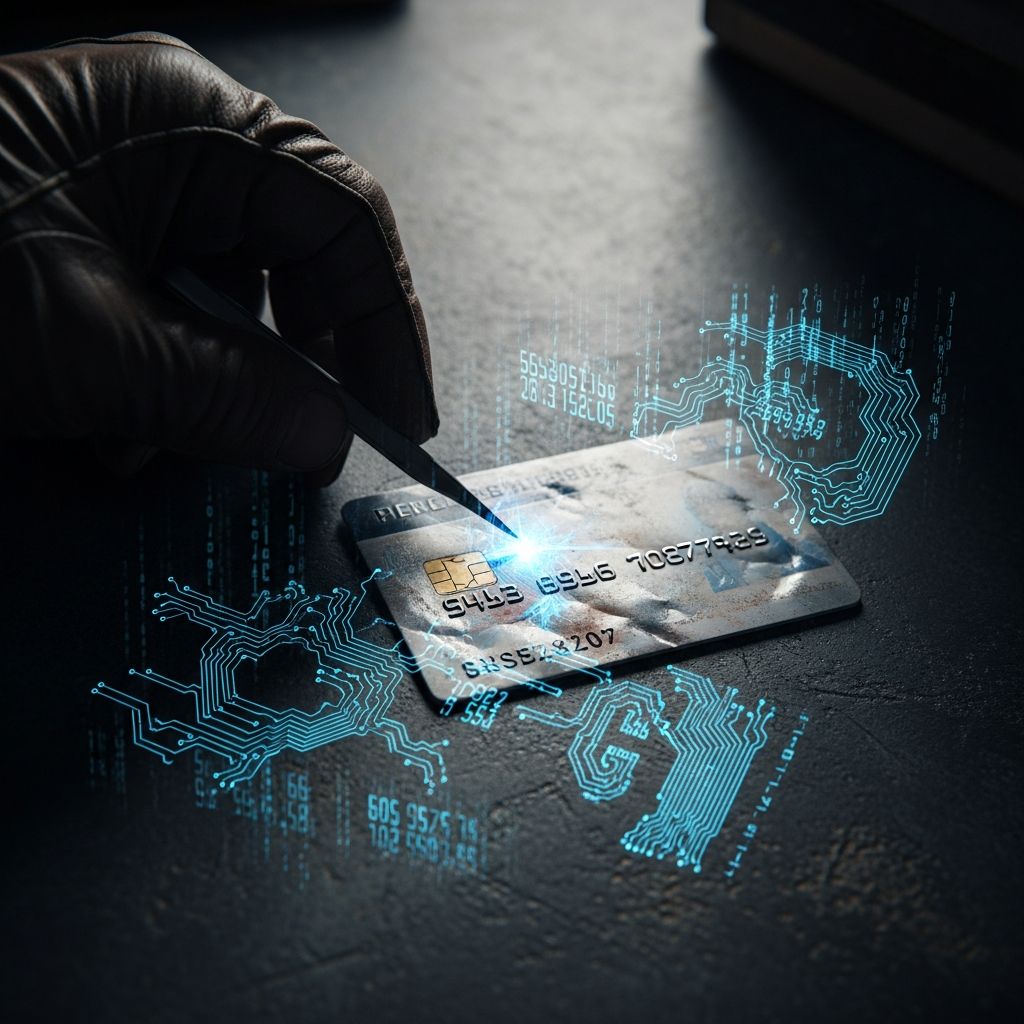
Identity theft occurs when someone uses your personal information without permission to commit fraud, such as opening credit accounts, making purchases, or filing false tax returns in your name. It can damage your credit, cost you money, and create serious stress—but there are clear steps you can take to limit the harm and recover.
What Identity Theft Really Means Today
At its core, identity theft is the misuse of key pieces of personal data, including:
- Social Security number or other national ID number
- Driver’s license or state ID information
- Bank account and routing numbers
- Debit or credit card numbers
- Login credentials for financial or government accounts
Thieves use this information to impersonate you and perform actions that create debt, drain funds, or interfere with your benefits and tax records.
Common Ways Identity Thieves Misuse Your Information
Your information can be exploited in many different ways. Understanding the most common forms of identity misuse helps you spot problems early.
1. New Credit and Loan Fraud
One of the most damaging forms of identity theft is when someone opens new credit accounts in your name.
- Applying for credit cards using your Social Security number
- Taking out personal loans or auto loans
- Setting up retail store cards or buy-now-pay-later accounts
These accounts often go unpaid, leading to collection actions and negative marks on your credit file.
2. Existing Account Takeover
Instead of opening new accounts, some thieves access the accounts you already have.
- Changing mailing addresses, email, or phone numbers on your accounts
- Requesting new cards and intercepting them
- Making large or frequent unauthorized charges or transfers
Regular account monitoring and alerts from your bank or card issuer can help detect this quickly.
3. Government Benefits and Tax-Related Identity Theft
Government-related identity theft focuses on benefits, refunds, or official records.
- Filing a fraudulent tax return to claim your refund before you file your legitimate return
- Attempting to access Social Security or veterans’ benefits using stolen identifiers
- Creating fake unemployment or other benefit claims
Tax and benefits identity theft can delay payments and create mismatched government records that must be corrected.
4. Non-Financial but Harmful Misuse
Not all identity theft involves money right away. Misuse may include:
- Using your identity during encounters with law enforcement
- Providing your details on rental or job applications
- Creating accounts on platforms used for scams or harassment
These actions can still affect your reputation and may be discovered only later when records are checked.
Early Warning Signs Your Identity May Be Compromised
Acting quickly can reduce the damage. Look out for these warning signs:
- Charges on your credit or debit card that you do not recognize
- Bills or collection notices for accounts you never opened
- Mail about new credit cards or loans you did not apply for
- Denial of credit despite having a long history of on-time payments
- Missing regular bills or account statements
- Alerts about password resets or logins you did not initiate
If any of these occur, treat them as possible indicators of identity theft and investigate immediately.
Immediate Actions to Take if You Suspect Identity Theft
If you think your identity has been misused, you can take structured steps to regain control and limit further damage.
| Step | Goal | Key Actions |
|---|---|---|
| 1. Secure your accounts | Stop ongoing misuse | Change passwords, enable multi-factor authentication, lock cards |
| 2. Place alerts or a freeze | Block or flag new credit attempts | Contact credit bureaus to add a fraud alert or credit freeze |
| 3. Document and report | Create a paper trail | Contact banks, creditors, and law enforcement as needed |
| 4. Clean up your reports | Repair your credit history | Dispute fraudulent entries with credit bureaus |
1. Lock Down Your Digital and Financial Accounts
Start by cutting off the thief’s access wherever possible.
- Change passwords on email, banking, and other critical accounts using strong, unique passphrases.
- Turn on multi-factor authentication (MFA) so logins require a one-time code in addition to a password.
- Notify your bank or card issuer about any unauthorized charges; ask them to close or replace compromised cards.
- For mobile devices, ensure they are locked with a PIN or biometric and remotely wipe devices that are lost or stolen.
2. Add a Fraud Alert or Credit Freeze
Next, work with the credit reporting agencies to limit new fraudulent accounts.
- Fraud alert: Tells lenders to take extra steps to verify your identity before opening new credit. It is typically free and lasts for a limited period.
- Credit freeze: Restricts access to your credit report altogether, making it harder for new accounts to be opened in your name.
Credit freezes are free, do not affect your credit score, and can be lifted temporarily when you need to apply for credit.
3. Work with Banks, Creditors, and Law Enforcement
Communication and documentation are critical.
- Ask each affected financial institution to investigate disputed transactions and provide written confirmation of the results.
- Request that fraudulent accounts be closed and that you receive new account numbers and cards.
- If your identity has been used in person (for example, with a stolen driver’s license), consider filing a police report and keeping a copy for future disputes.
4. Review and Dispute Errors on Your Credit Reports
After immediate damage is contained, focus on repairing your file.
- Order your credit reports from each major credit bureau and review them for unfamiliar accounts, inquiries, or addresses.
- Dispute any fraudulent entries, following each bureau’s process and including copies of supporting documents.
- Keep a file of all letters, emails, and reference numbers related to your disputes in case issues reappear later.
Long-Term Strategies to Reduce Your Risk
No one can completely eliminate the risk of identity theft, but you can significantly reduce your exposure by building strong habits.
Strengthen Your Digital Security
- Use strong, unique passwords or passphrases for each account and store them in a password manager.
- Turn on multi-factor authentication on financial, email, and government accounts.
- Update software and apps regularly to close security vulnerabilities.
- Avoid clicking suspicious links or attachments in unsolicited messages.
- Use secure, encrypted connections (for example, a VPN) when accessing sensitive accounts on public Wi-Fi.
Protect Sensitive Paper and Physical Records
- Lock up documents containing Social Security numbers, account numbers, or other sensitive details.
- Collect your mail daily and consider a locked mailbox to reduce the risk of mail theft.
- Shred documents that contain personal information before discarding them, including pre-approved credit offers and old statements.
- Remove personal data from devices before donating or selling them.
Monitor Your Financial and Credit Activity
- Review bank and credit card activity regularly for unfamiliar transactions.
- Set up account and transaction alerts via text or email where available.
- Check your credit reports periodically to spot new accounts or errors.
- Consider reputable identity monitoring or credit monitoring services for additional oversight, especially after a data breach.
Be Skeptical About Requests for Personal Information
Many identity thieves trick people into handing over information directly.
- Treat unexpected phone calls, emails, or texts asking for personal or financial details as suspicious, even if they appear to be from a trusted organization.
- Do not click links or call numbers included in suspicious messages; instead, contact the organization through a known, official channel.
- Limit how much personal information you share on social media, such as birthdays, schools, or names of family members, which can be used for security questions.
Special Situations: Taxes, Veterans, and Government Accounts
Some types of identity-related misuse require special attention because they involve federal benefits or records.
Tax-Related Identity Theft
In tax identity theft, someone files a return using your taxpayer identification number to claim a refund before you submit your own return.
- Watch for notices about returns you did not file or income from employers you do not recognize.
- Secure your online tax account with a strong, unique password and multifactor authentication.
- Consider requesting an IRS Identity Protection PIN (IP PIN) if you qualify; it adds an extra layer of security to your tax filings.
Veterans and Service Members
Veterans and active-duty service members can be especially attractive targets because of steady benefits and frequent moves.
- Use strong authentication on any portal that manages military or veterans’ benefits.
- Keep benefit numbers, health records, and discharge documents in secure storage rather than carrying them routinely.
- Report suspected misuse of veterans’ benefits promptly through the appropriate agency so that payments and records can be corrected.
Frequently Asked Questions (FAQs)
Q: What is the difference between a fraud alert and a credit freeze?
A: A fraud alert tells lenders to take extra steps to verify your identity before opening new credit in your name, while a credit freeze generally blocks access to your credit report altogether, making most new credit applications impossible until you lift the freeze.
Q: Will a credit freeze lower my credit score?
A: No. A credit freeze does not affect your credit score; it only limits who can access your credit report for new credit checks.
Q: How often should I check my credit reports?
A: Many experts recommend reviewing your reports at least once a year and more often if you have reason to suspect identity theft or know your data was exposed in a breach.
Q: Do small unauthorized charges matter?
A: Yes. Thieves sometimes start with small, test charges to see if a card is active. Any unauthorized transaction—large or small—should be reported to your bank or card issuer immediately.
Q: Can identity theft be completely prevented?
A: No solution is perfect, but strong passwords, secure devices, cautious sharing of personal information, and ongoing monitoring of accounts and credit reports can greatly reduce your risk and help you respond quickly if a problem occurs.
References
- Identity theft guide for individuals — Internal Revenue Service. 2024-01-10. https://www.irs.gov/identity-theft-central/identity-theft-guide-for-individuals
- Preventing Identity Theft — CalPERS, State of California. 2023-06-15. https://www.calpers.ca.gov/education-center/using-mycalpers/cybersecurity-best-practices/preventing-identity-theft
- Identity Theft Awareness — U.S. Department of Veterans Affairs. 2023-09-05. https://department.va.gov/privacy/identity-theft/
- Identity Theft and Online Security — Federal Trade Commission. 2025-09-10. https://consumer.ftc.gov/identity-theft-online-security
- Identity Theft Preventative Measures Checklist — Pennsylvania Office of Attorney General. 2022-04-01. https://www.attorneygeneral.gov/protect-yourself/identity-theft/identity-theft-preventative-measures-checklist/
- Preventing Identity Theft in 2025 — Bank of New Hampshire. 2025-02-20. https://bnh.bank/blog/protect-what-matters/
- Strategies for Preventing Identity Theft — CrowdStrike. 2024-11-01. https://www.crowdstrike.com/en-us/cybersecurity-101/identity-protection/identity-theft-prevention-strategies/
Similar Articles








Read full bio of Sneha Tete




