
Identity Theft: Recognize, Prevent, and Recover
Understand how identity theft happens, spot warning signs early, and take clear steps to protect your information and recover from fraud.
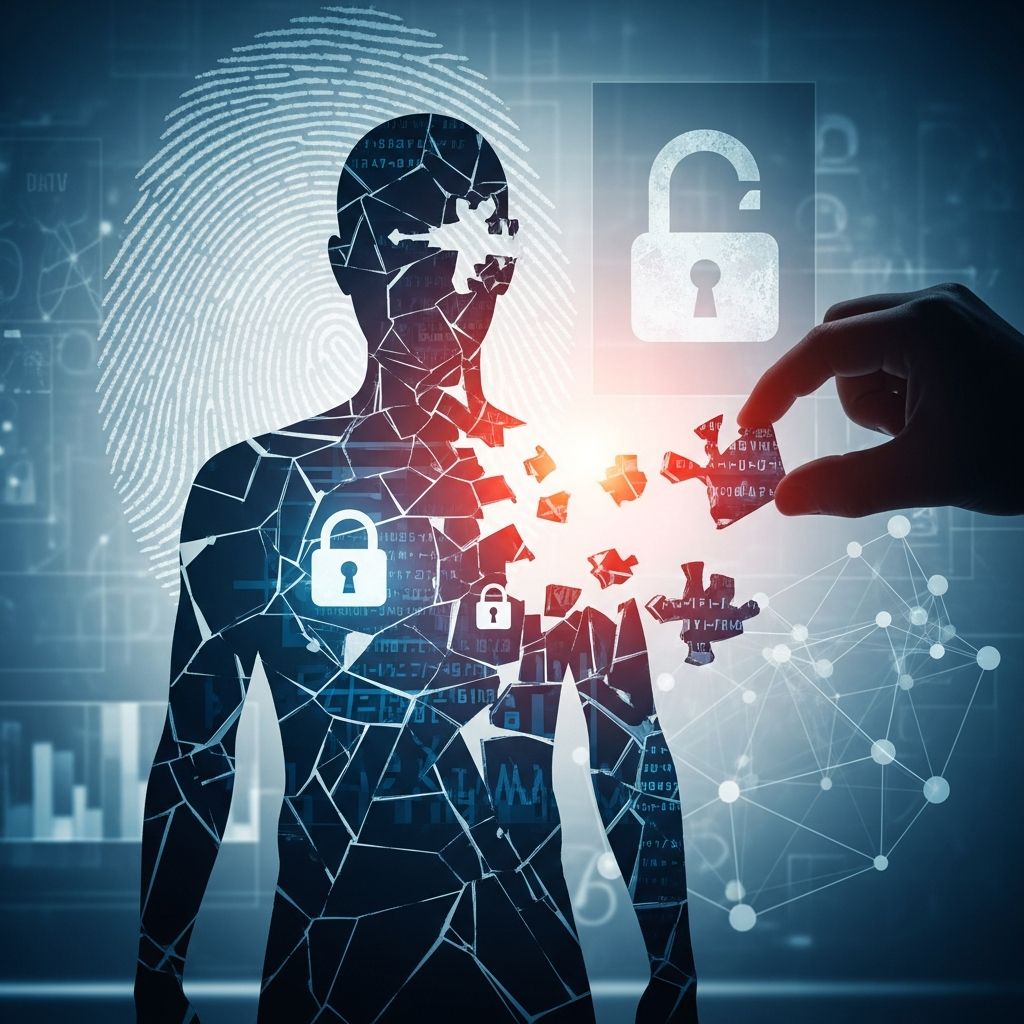
Identity theft happens when someone uses your personal information without your permission for fraud or other crimes. It can damage your finances, credit, and sense of security, but there are clear steps you can take to lower your risk and recover if it happens to you.
What Identity Theft Really Means
At its core, identity theft involves criminals taking key pieces of your personal data and pretending to be you. That information can be used to open accounts, make purchases, file taxes, or even access government benefits in your name.
Common types of information that thieves target include:
- Full name and date of birth
- Social Security number or other national ID numbers
- Driver’s license or passport numbers
- Bank account and routing numbers
- Credit and debit card numbers
- Online account usernames and passwords
Identity theft can be fueled by large-scale data breaches, phishing messages, phone scams, or even stolen physical mail and documents.
How Identity Theft Can Affect You
The impact of identity theft ranges from minor inconveniences to serious long-term harm. The consequences depend on how your information is used.
| Type of harm | What it can look like |
|---|---|
| Financial fraud | Unauthorized charges, new loans or credit cards, drained bank accounts |
| Credit damage | Missed payments on accounts you never opened, lower credit scores, debt collectors calling |
| Government benefits misuse | Unemployment or tax refund fraud filed using your Social Security number |
| Account takeover | Locked out of email, social media, or financial accounts after a hacker changes your password |
| Reputational impact | Friends or contacts receiving scam messages from your compromised accounts |
Even when money is eventually restored, the time spent disputing charges, dealing with creditors, and repairing your credit can be significant.
Early Warning Signs Your Identity May Be Misused
Spotting problems quickly helps limit damage. Pay attention to these red flags:
- Unrecognized charges or withdrawals on your bank or credit card statements, no matter how small.
- Bills or collection notices for accounts you did not open or services you did not use.
- New credit accounts appearing on your credit reports that you do not recognize.
- Missing mail, such as bills or tax forms you normally receive, which might indicate someone changed your address.
- Notices from the IRS or tax authority that more than one return was filed in your name or that you received income from an unknown employer.
- Alerts from your bank, credit card company, or credit monitoring service about unusual activity, logins, or applications.
- Login prompts you did not initiate, such as unexpected two-factor authentication codes or password reset emails.
How Criminals Steal Personal Information
Identity thieves use both digital and offline methods. Understanding common tactics helps you avoid them.
Digital methods
- Phishing emails and texts that look like they’re from your bank, a delivery service, or a government agency, asking you to click a link or share information.
- Fake websites that mimic legitimate login pages to capture usernames and passwords.
- Malware installed through malicious attachments or downloads to record keystrokes or steal data.
- Weak or reused passwords that let attackers break into accounts if one site is breached.
- Unsecured public Wi-Fi, which criminals can exploit to intercept data sent without encryption.
Offline methods
- Stealing wallets, purses, or phones that contain IDs, cards, or unlocked apps.
- Taking mail, especially account statements, preapproved credit offers, and tax forms.
- Dumpster diving to retrieve documents with personal or financial information.
- Shoulder surfing to watch you enter a PIN, password, or card number in public.
Practical Ways to Reduce Your Risk
No one can eliminate risk entirely, but layering sensible protections makes you a harder target.
Strengthen logins and devices
- Use strong, unique passwords for every important account, combining upper and lowercase letters, numbers, and symbols.
- Consider a password manager to generate and store complex passwords securely.
- Turn on multi-factor authentication (MFA) wherever it’s offered, especially for banking, email, and social media accounts.
- Keep your software, operating systems, and browsers updated so known security holes are patched.
- Install reputable antivirus and anti-malware tools and update them regularly.
Handle personal information carefully
- Shred or securely destroy papers that contain personal details before throwing them away.
- Avoid carrying unnecessary IDs, Social Security cards, or large numbers of credit cards in your wallet.
- Limit what you share on social media, especially details like your full birthdate, address, or answers to common security questions.
- Collect your physical mail promptly and consider a locked mailbox or PO box if mail theft is a concern.
Use safe connections online
- Look for “https” and a lock icon in your browser before entering sensitive information on a site.
- Avoid accessing financial or other sensitive accounts on public Wi-Fi; if needed, use a trusted VPN to encrypt your connection.
- Do not click on links or open attachments in unexpected messages, even if they appear to come from a known organization. Visit the official site directly by typing the URL instead.
Monitor your financial life
- Review bank and credit card statements routinely for charges you do not recognize and report them immediately.
- Set up account alerts by text or email for large or unusual transactions, new payees, or changes to contact information.
- Check your credit reports regularly so you can spot new accounts or incorrect information early.
Stronger Protections: Credit Freezes, Locks, and Alerts
In addition to day-to-day precautions, you can use formal tools offered by credit reporting agencies and banks to limit fraud.
Credit freeze
A credit freeze (also known as a security freeze) restricts access to your credit report. When a freeze is in place, lenders and many other companies cannot pull your credit file, which makes it difficult for new credit accounts to be opened in your name.
- Freezes are typically free and do not affect your credit score.
- You can temporarily lift or remove a freeze when you legitimately apply for new credit.
- Because most new credit applications require a credit check, a freeze is a strong barrier against new-account fraud.
Credit lock
Some credit bureaus offer a credit lock service, often as part of a paid plan. Like a freeze, a lock is intended to block others from opening new credit using your information. You typically control a lock through an app or website.
Both freezes and locks can be effective; the key differences are cost, legal protections, and how you manage them. It is wise to review each bureau’s terms and choose the option that best fits your situation.
Fraud alerts
A fraud alert is a notice placed on your credit file that tells lenders to take extra steps to verify your identity before opening new accounts. If you suspect identity theft or know your data was exposed, placing an alert can slow down fraud and make it harder for criminals to open credit in your name.
What To Do If You Suspect Identity Theft
Acting quickly can reduce losses and make recovery easier. The exact steps depend on how your information was misused, but this general roadmap can guide you.
1. Secure affected accounts immediately
- Change passwords on any accounts that may have been accessed, starting with email, banking, and major online services.
- Turn on multi-factor authentication if it is not already enabled.
- Contact your bank or card issuer right away to report unauthorized charges or withdrawals and to request replacement cards.
2. Contact relevant companies and dispute charges
- Ask each company with fraudulent activity to close or freeze the affected account.
- Request written confirmation that the fraudulent charges or accounts have been removed from your record.
- Keep a file with dates, times, names, and notes from every call or message.
3. Use credit bureau tools
- Place a fraud alert on your credit reports so lenders know to verify your identity.
- Consider a credit freeze if new-account fraud is a concern, especially after a major breach or if someone has your Social Security number.
- Review your credit reports for unfamiliar accounts and dispute inaccurate information.
4. Report the identity theft
In many jurisdictions, you can file an official identity theft report with a consumer protection agency or government authority responsible for fraud and privacy issues. This report can help you:
- Create a personal recovery plan with tailored steps based on the type of identity theft.
- Generate letters or forms you can send to credit bureaus and businesses to dispute fraudulent accounts.
- Document the crime, which may be useful when dealing with creditors or law enforcement.
Considering Identity Monitoring and Protection Services
Some people choose to use commercial or employer-provided identity protection services. These services typically:
- Monitor credit reports and sometimes bank or brokerage accounts for unusual activity.
- Scan for your personal information on dark web marketplaces where stolen data is traded.
- Send alerts if they detect suspicious activity, new credit inquiries, or changes to your personal data.
- Offer assistance from specialists who help you with paperwork and recovery steps if your identity is stolen.
Monitoring services do not prevent every type of identity theft, but they can shorten the time between fraud occurring and you discovering it, which often reduces harm.
Everyday Habits That Build Long-Term Protection
Identity security is less about one big action and more about consistent habits. Small steps, repeated over time, add up.
- Make reviewing statements and transaction alerts part of your weekly routine.
- Update passwords and review account security settings a few times a year, especially after major breaches reported in the news.
- Talk with family members about scams and safe online behavior, including children and older adults who may be targeted.
- Back up important digital records securely so that you are not pressured into risky behavior after losing a device.
Frequently Asked Questions (FAQs)
Q: Is checking my credit report once a year enough?
A: Reviewing your credit report annually is a good baseline, but more frequent checks can help you spot problems sooner, especially after a data breach or if you notice any suspicious activity in your accounts.
Q: Will a credit freeze stop all identity theft?
A: A credit freeze is very effective at blocking new credit accounts opened in your name, but it does not prevent misuse of existing cards or other types of fraud, such as tax or benefits identity theft. You still need to monitor your accounts and statements.
Q: Should I pay for identity theft protection?
A: Many people can protect themselves well with free tools like credit freezes, alerts, and regular monitoring. Paid services may be useful if you want centralized alerts, dark web monitoring, or expert help with recovery, or if they are included as part of another product you already use.
Q: What should I do if I clicked a suspicious link?
A: Disconnect from the internet, run a full scan with updated security software, change passwords for important accounts from a clean device, and watch closely for unusual activity. If you entered financial details, contact your bank or card issuer immediately.
Q: Can children become victims of identity theft?
A: Yes. Children’s Social Security numbers and personal information can be used to open accounts or apply for benefits. Warning signs include credit offers addressed to a child or collection calls for accounts that should not exist. Parents can ask credit bureaus about creating or checking a child’s credit file if they suspect a problem.
References
- Identity Theft and Online Security — Federal Trade Commission. 2025-09-10. https://consumer.ftc.gov/identity-theft-online-security
- Preventing Identity Theft — CalPERS, State of California. 2024-03-15. https://www.calpers.ca.gov/education-center/using-mycalpers/cybersecurity-best-practices/preventing-identity-theft
- Identity Theft Awareness — U.S. Department of Veterans Affairs. 2023-11-06. https://department.va.gov/privacy/identity-theft/
- Identity Theft Prevention Measures Checklist — Pennsylvania Office of Attorney General. 2023-08-01. https://www.attorneygeneral.gov/protect-yourself/identity-theft/identity-theft-preventative-measures-checklist/
- How to Prevent Identity Theft: Best Practices for Protection — MetLife. 2024-02-20. https://www.metlife.com/stories/identity-theft/how-to-prevent-identity-theft-best-practices-for-protection/
- Preventing Identity Theft — Bank of New Hampshire. 2025-01-10. https://bnh.bank/blog/protect-what-matters/
- Strategies for Preventing Identity Theft — CrowdStrike. 2024-06-05. https://www.crowdstrike.com/en-us/cybersecurity-101/identity-protection/identity-theft-prevention-strategies/
Similar Articles








Read full bio of medha deb




