
Accountability and Human Rights in US Immigration Detention
Uncovering the systemic failures and human rights abuses hidden within the walls of America's privatized immigration detention centers.
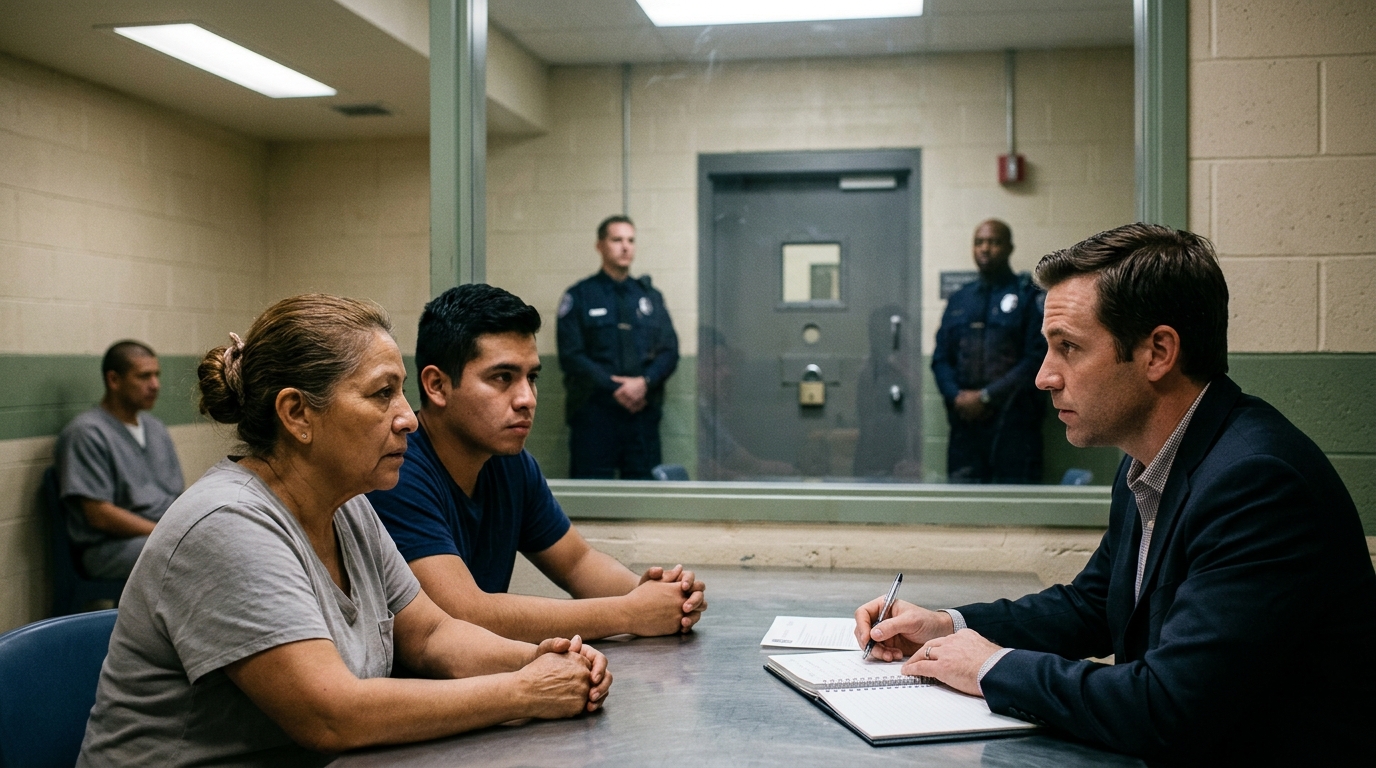
The Harsh Reality of Seeking Asylum
The global refugee crisis forces thousands to flee their home countries every year, seeking safety and a chance at survival in the United States. They embark on grueling journeys, navigating extreme environments, political instability, and predatory networks, holding onto the hope that American soil represents an ultimate sanctuary. However, upon claiming asylum at the border, many are met not with refuge, but with immediate incarceration. Welcome to the reality of the US immigration detention system—a sprawling, complex network of facilities that has repeatedly come under fire for egregious human rights violations. Instead of finding safety, vulnerable migrants often find themselves trapped in environments characterized by severe mistreatment, medical neglect, and unchecked violence. The profound disconnect between the foundational ideals of asylum and the harsh realities of civil detention raises urgent questions regarding basic accountability and the moral compass of federal immigration enforcement.
The Privatization of Confinement: Profit Over People
A significant factor driving the systemic failures within immigration detention is the heavy reliance on private prison corporations. Multinational companies operate the vast majority of these facilities under highly lucrative contracts with federal enforcement agencies. This deep-rooted privatization creates a fundamental conflict of interest: the overarching goal of a corporation is to maximize shareholder value, which is predominantly achieved by minimizing operational costs. In a detention setting, aggressive cost-cutting inevitably translates into dangerously low staffing levels, substandard living conditions, and inadequate provisions for basic necessities like food, clean water, and timely medical care. Government watchdogs and civil rights organizations have repeatedly warned that for-profit operators fail to meet minimum contractual requirements for maintaining a safe and humane environment.
For instance, primary oversight bodies have issued multiple alarming reports detailing critical understaffing and deeply unsanitary conditions at privately-run centers. Despite explicit recommendations from independent inspectors to immediately relocate detainees from such failing institutions due to imminent safety risks, operations frequently continue unhindered. The financial incentives of the private prison model inherently clash with the humanitarian obligation to provide adequate care, leaving thousands of asylum seekers to endure deteriorating, punitive conditions while contractors reap billions in federal funding.
Systemic Abuses: Excessive Force and Retaliation
Within the closed walls of these detention centers, reports of systemic abuse and physical retaliation are disturbingly common. Lacking the rigorous oversight necessary to protect vulnerable populations, facility guards frequently resort to excessive and arbitrary force to maintain absolute control. When migrants—who are legally held in civil, not criminal, custody—attempt to peacefully advocate for their basic rights, the institutional response is often swift, disproportionate, and brutal. Instances of hunger strikes or peaceful sit-ins, usually organized to protest unsanitary conditions, lack of pandemic precautions, or indefinite delays in legal proceedings, have routinely been met with violent suppression.
Documented cases reveal that tactical teams equipped with riot gear, gas masks, and shields have deployed chemical agents against nonviolent detainees. Deploying these volatile substances in confined, poorly ventilated spaces causes severe respiratory distress, temporary blindness, and long-lasting psychological trauma. Shockingly, detainees subjected to chemical sprays are frequently denied immediate decontamination showers, forcing them to suffer through intense burning sensations for hours or even days. This pattern of disproportionate retaliation not only violates basic human rights but also fosters an atmosphere of pervasive terror, where migrants are coerced into silence for fear of physical harm. It underscores a deeply ingrained culture of impunity among detention facility staff, who rarely face administrative or legal consequences for deploying militant tactics against individuals seeking humanitarian protection.
Key Areas of Concern in Immigration Detention
| Issue Area | Description | Impact on Detainees |
|---|---|---|
| Privatization | Overreliance on for-profit prison corporations to manage facilities. | Cost-cutting leads to understaffing, poor food quality, and substandard living conditions. |
| Excessive Force | Deployment of riot gear and chemical agents during civil, peaceful protests. | Physical injury, respiratory distress, and lasting psychological trauma. |
| Medical Neglect | Delayed or denied access to basic healthcare and mental health services. | Exacerbation of pre-existing conditions, severe depression, and preventable fatalities. |
| Lack of Transparency | Destruction of vital evidence and blocked access to external oversight. | Perpetuation of a culture of impunity and denial of access to legal justice. |
The Crisis of Medical and Mental Health Neglect
Equally lethal to physical abuse is the chronic medical neglect that plagues the immigration detention system. Asylum seekers often arrive at the border carrying preexisting health conditions or injuries sustained during their perilous journeys, requiring immediate, competent medical attention. Yet, the healthcare infrastructure within these privatized facilities is notoriously deficient. Detainees frequently face insurmountable bureaucratic barriers to accessing a doctor, often waiting weeks for a simple consultation or being entirely ignored until a minor ailment escalates into a life-threatening emergency.
Basic medical requests are routinely dismissed by staff, and essential prescription medications are delayed or withheld entirely. In scenarios involving physical trauma—such as the aftermath of a chemical spray deployment or an assault by guards—victims are often left without proper post-incident medical evaluation. Furthermore, mental health care is virtually nonexistent. The psychological toll of fleeing persecution, coupled with the profound trauma of incarceration and abuse, drives many detainees to severe depression, anxiety, and suicidal ideation. Language barriers further complicate the delivery of medical care, as facilities frequently fail to provide adequate translation services, leaving non-English speaking migrants entirely unable to communicate their symptoms. Tragically, the collective failure to provide competent medical evaluation, continuous psychological support, and crisis intervention has led to numerous preventable fatalities in custody. The staggering indifference to the physical and mental well-being of detainees highlights a profound systemic disregard for the sanctity of human life.
Obscuring the Truth: A Culture of Secrecy
Holding private contractors and federal agencies accountable requires absolute transparency, but the US immigration detention system is notoriously opaque. When human rights violations occur, the immediate institutional reflex is often to obscure the truth and obstruct external investigations. Facilities have been accused of routinely destroying vital evidence, such as surveillance footage, logbooks, and internal incident reports, long before advocates or legal representatives can access them. This deliberate erasure of evidence severely hampers the ability of victims to pursue justice through civil litigation or formal grievance processes.
Moreover, organizations attempting to monitor living conditions or interview detainees face significant bureaucratic roadblocks. Enforcement agencies and their private partners frequently restrict access to legal counsel, making it incredibly difficult for migrants to report abuses or even fully understand their legal rights. Whistleblowers within the facilities are often subjected to retaliation, further silencing those who attempt to expose the systemic rot from the inside. Federal oversight reviews have highlighted these systemic deficiencies, emphasizing that current inspection frameworks lack the rigorous, defined metrics necessary to assess effectiveness and enforce compliance across the board. Without robust, independent oversight and mandatory transparency measures, abusive practices will continue to thrive in the shadows, shielded by a convoluted bureaucracy designed to protect the institution rather than the individual.
The Legal and Advocacy Landscape
Despite these monumental challenges, a fierce battle for accountability is being waged in the courts. Civil rights organizations, immigrant advocacy groups, and dedicated legal professionals are tirelessly working to dismantle this architecture of abuse. Through persistent Freedom of Information Act (FOIA) requests and comprehensive civil lawsuits, they aim to uncover the full extent of the negligence. By filing formal complaints against private prison operators and federal oversight agencies, they seek to bring hidden atrocities into the public eye. These actions are vital in securing financial restitution, enforcing protective injunctions, and demanding formal apologies for victims of excessive force and medical negligence.
These legal challenges do much more than seek justice for individual plaintiffs; they aim to force broad, systemic policy changes. Litigation exposes the profound operational failures of the privatization model, compelling lawmakers to scrutinize federal contracts and demand stricter legislative oversight. Through public awareness campaigns and relentless legal pressure, advocates are slowly chipping away at the culture of impunity, championing the inherent dignity of every asylum seeker and demanding that the United States uphold its binding obligations under international human rights law.
Policy Recommendations and Future Outlook
To rectify these profound injustices, a massive paradigm shift in immigration policy is desperately needed. First and foremost, the federal government must swiftly phase out its reliance on for-profit detention centers, recognizing that the commodification of human confinement inherently compromises basic safety and dignity. In the interim, immediate and aggressive oversight mechanisms must be implemented, including unannounced, fully independent inspections equipped with binding consequences and immediate contract termination clauses for failed standards.
More importantly, the overarching immigration framework must transition towards humane, community-based alternatives to detention (ATDs). Case management programs, which support asylum seekers in navigating the complex legal system while living freely in the community, have proven to be highly effective, drastically cheaper, and far more humane than mass incarceration. Ending the punitive approach to civil immigration enforcement is not just a policy recommendation; it is a moral imperative essential to restoring the nation’s commitment to fundamental human rights.
Conclusion
The systemic crises within United States immigration detention centers represent one of the most pressing human rights issues of our modern era. Asylum seekers, who arrive at the borders carrying profound physical trauma and a desperate hope for safety, instead encounter an industrialized system of confinement that actively strips them of their dignity. The devastating combination of privatized profit motives, unchecked excessive force, severe medical neglect, and an overarching institutional culture of secrecy creates a toxic environment where abuse flourishes with near-total impunity. While legal advocates and independent oversight bodies continue to fight relentlessly for transparency and justice, piecemeal reforms are no longer sufficient to address the root causes. A fundamental reimagining of immigration enforcement is urgently required—one that prioritizes community-based alternatives over mass incarceration and unconditionally upholds the basic human rights of every individual. Until the financial profit incentive is removed from human confinement and rigorous accountability becomes the unyielding standard, the dark reality of immigration detention will continue to betray the foundational ideals of refuge and justice.
Frequently Asked Questions (FAQs)
- What are private immigration detention centers?
Private immigration detention centers are secure facilities operated by for-profit corporations under massive contracts with the federal government. These companies handle the daily management, security, and operations of the facilities where migrants are held. - Why are asylum seekers detained upon arrival?
Although seeking asylum is a legal right under international and US law, current immigration policies frequently subject arriving migrants to civil detention. The stated goal is to ensure their appearance at immigration court hearings, though advocates heavily criticize this as an unnecessary punitive measure. - What are the primary human rights concerns in these facilities?
Major concerns include severe medical and mental health neglect, excessive use of physical force (such as deploying chemical agents on peaceful protesters), unsanitary living conditions, severe overcrowding, and heavily restricted access to legal representation. - Are there alternatives to mass immigration detention?
Yes. Alternatives to detention (ATDs) include community-based case management programs. These allow asylum seekers to live with sponsors or family in the US while their cases proceed, providing essential social support and resulting in highly successful court appearance rates without the trauma of incarceration.
References
- Management Alert – Immediate Removal of All Detainees from the Torrance County Detention Facility — U.S. Department of Homeland Security Office of Inspector General. 2022-03-16. https://www.oig.dhs.gov/sites/default/files/assets/2022-03/OIG-22-31-Mar22-mgmtalert.pdf
- Immigrant Rights Organizations Sue CoreCivic and Torrance County for Chemical Attack on Asylum-Seekers — ACLU of New Mexico. 2021-05-14. https://www.aclu-nm.org/en/press-releases/immigrant-rights-organizations-sue-corecivic-and-torrance-county-chemical-attack
- Immigration Detention: DHS Should Define Goals and Measures to Assess Facility Inspection Programs — U.S. Government Accountability Office. 2025-05-21. https://www.gao.gov/products/gao-25-106511
Similar Articles








Read full bio of medha deb


