
Free COVID Test Kits: 8 Essential Tips To Avoid Scams
Learn how to request free COVID tests, check expiration dates, and avoid government impostor scams that target your personal data.
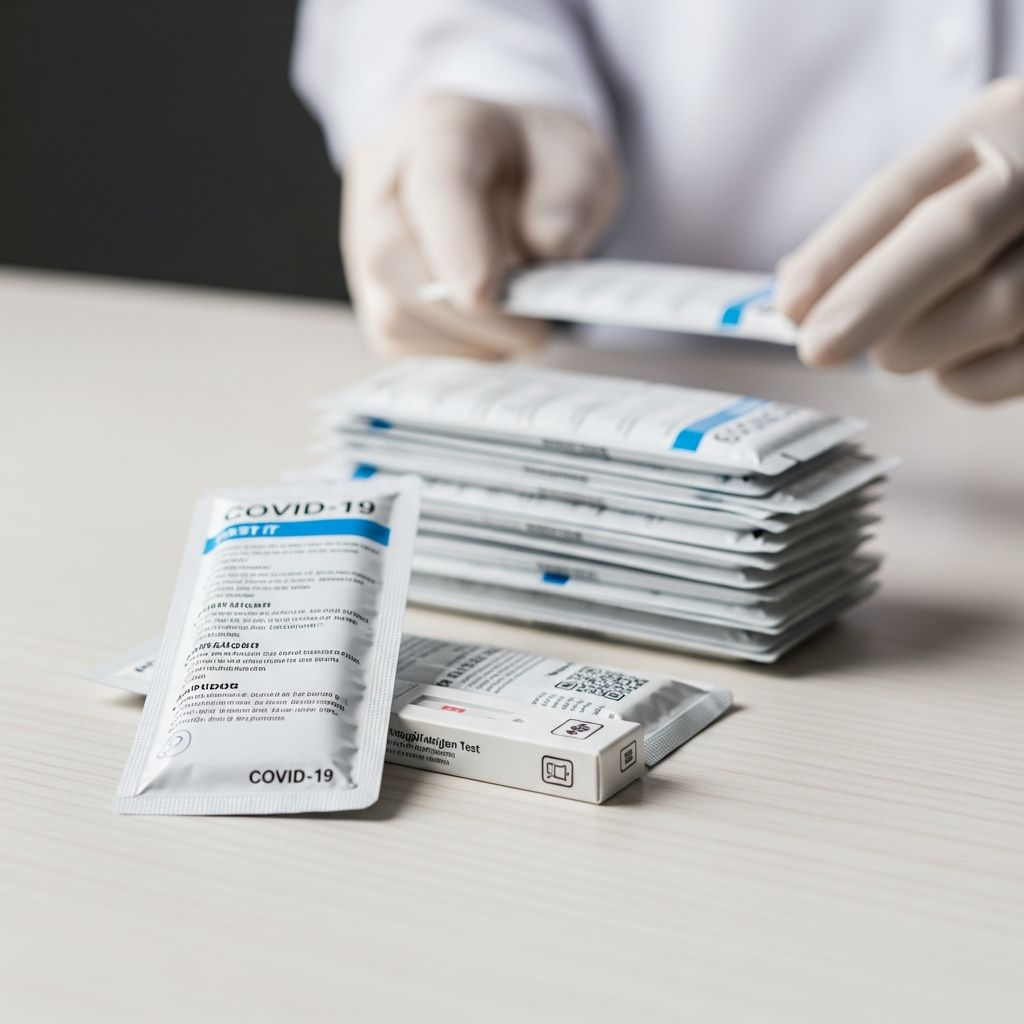
Free at-home COVID test kits help you quickly check for infection, protect vulnerable people around you, and make informed decisions about work, school, and social events. Several government programs have offered free or low-cost tests, but scammers have also tried to exploit these programs to steal money and personal information.
This guide explains how to request legitimate free test kits, how to recognize a real government program, and how to avoid common fraud tactics while protecting your health and your identity.
1. Where Free COVID Tests Typically Come From
Free or low-cost COVID tests in the U.S. generally come from a small number of trusted sources. Knowing these sources helps you quickly recognize when an offer is suspicious.
1.1 Common legitimate sources
- Federal programs that mail rapid tests directly to households during active initiatives.
- State and local health departments that distribute tests through community events, public health offices, or partner organizations.
- Community health centers and clinics, especially those serving low-income or underserved communities.
- Insurance-covered tests obtained at pharmacies, clinics, or online when your health plan pays for at-home kits or lab testing.[10]
- Employer- or school-based programs that provide tests for staff, students, or residents in congregate settings.
1.2 What real federal mail-order programs typically look like
When the federal government has offered free at-home COVID tests by mail, programs have followed a simple pattern:
- You start at a clearly identified official website linked from a .gov page (for example, a federal .gov site that directs you to the U.S. Postal Service).
- You provide only a name and shipping address so tests can be delivered.
- Shipping is free; there are no hidden fees or expedited charges.
- Giving an email address is optional and used only for confirmations or tracking updates.
Anyone asking for more than this is not part of a legitimate free-test-by-mail program.
2. How to Order Free Tests Safely When Federal Programs Are Active
Whenever a federal mail-order program for free tests is open, following a few basic rules greatly reduces your risk of fraud.
2.1 Always start from an official .gov source
- Type known government addresses into your browser yourself instead of clicking links in emails or texts.
- Look for URLs that end in .gov or link directly from a .gov site to a postal or partner site.
- Avoid web addresses with misspellings, extra words, or unfamiliar domains (for example, covidtests-free-offer.com).
2.2 Information you should expect to provide
| Type of information | Needed for legitimate free-by-mail tests? | Why it may be requested |
|---|---|---|
| Full name | Yes | So the package can be addressed correctly. |
| Mailing address | Yes | So the tests can be shipped to your home. |
| Email address | Optional | For confirmation and tracking updates from the postal service. |
| Credit card or bank account | No | Not required for free government tests. Any such request is a red flag. |
| Social Security number | No | Not needed to mail test kits. |
| Medicare or insurance number (for federal mail-order tests) | No | Federal free-mail programs typically do not bill insurance for these kits. |
2.3 Red flags to avoid during the ordering process
- Being asked to pay a processing fee, “priority shipping,” or a “registration” charge.
- Requests for banking details, debit/credit card numbers, or your Social Security number.
- Claims you can receive more kits or faster delivery if you pay extra or share additional data.
- Web forms that ask you to upload a photo of your driver’s license or ID to get tests.
3. Other Ways to Find Low- or No-Cost COVID Tests
Even when federal mail-order programs are paused or have ended, you may still be able to get free or reduced-cost tests from other sources.
3.1 Local public health options
- State and local health departments: Many public health agencies list free testing sites and sometimes provide limited quantities of at-home kits.
- Community health centers: Federally funded centers may offer no-cost or sliding-scale testing, especially for people without insurance.
- Pop-up events: Mobile clinics, community fairs, or seasonal respiratory virus campaigns may distribute free kits.
3.2 Medicare, Medicaid, and private insurance
- Medicare: Medicare still covers laboratory-based COVID tests when they are ordered by a health care provider and performed by a lab or doctor’s office, although it does not generally cover at-home rapid tests.
- Medicaid and CHIP: Some state Medicaid programs cover both lab-based and at-home tests; coverage rules vary by state.
- Employer or marketplace plans: Private health plans may cover rapid home tests or in-person testing at certain locations. Some allow you to submit receipts for reimbursement or to use special OTC benefit cards.[10]
3.3 Buying tests: what to know if you must pay
If you cannot find free testing, you can buy FDA-authorized at-home rapid tests at pharmacies, supermarkets, or online.
- Look for tests listed on the U.S. Food and Drug Administration’s page for authorized at-home OTC COVID-19 diagnostic tests.
- Be cautious about deeply discounted kits from online marketplaces or third-party sellers with poor ratings.
- Check the expiration date on the package and verify on the FDA site whether that date has been extended.
4. Checking Test Kit Expiration Dates
Expiration dates for some at-home COVID tests have been extended after manufacturers provided additional stability data. That means a kit that looks expired on the box might still be safe and effective.
4.1 How to verify an updated expiration date
- Locate the brand name and model number on your test package.
- Visit the FDA’s at-home OTC COVID-19 diagnostic tests page.
- Find your test brand in the table and follow the link showing updated expiration date information.
- Compare the lot number on your box with the information in the FDA table to see whether the date has been extended.
4.2 Why using expired tests is a problem
- Test reagents may degrade, which can increase the risk of false negative or false positive results.
- Incorrect results may lead you to skip isolation or treatment, or to expose higher-risk people without realizing it.
If your test is past its updated expiration date, it is safer to dispose of it according to the manufacturer’s instructions and use a fresh kit.
5. How Scammers Exploit Free COVID Test Offers
Fraudsters often copy the look and language of real government programs to trick you into sharing sensitive information or paying fake charges. Understanding common tactics helps you recognize scams quickly.
5.1 Typical scam approaches
- Impersonation calls or texts: Someone claims to be from a federal agency, Medicare, or the health department offering free tests if you “verify” your Social Security, Medicare, or bank account number.
- Phishing emails: Messages that appear to be from the government or the postal service ask you to click a link to claim your tests or reschedule delivery, then direct you to a fake site.
- Fake websites: Pages that mimic the design of official programs but request payment, card details, or your insurance ID.
- Door-to-door visits: Individuals posing as health workers show up unannounced offering tests in exchange for personal data or payment.
5.2 Signs the offer is not legitimate
- They pressure you to act immediately or threaten that you will lose access to benefits if you refuse.
- They ask for your Social Security number, full Medicare number, or bank information for “verification.”
- They say you must pay a fee to receive government-funded tests.
- They promise exclusive access to extra kits or “premium” tests not available to other people.
- They contact you out of the blue by phone, text, email, or social media; legitimate programs generally rely on public announcements and official websites.
6. Protecting Your Personal and Financial Information
Scammers target free health programs because they see them as an easy way to collect sensitive information they can reuse for identity theft or medical fraud.
6.1 Information you should never give for free tests
- Social Security number.
- Full Medicare, Medicaid, or private insurance ID, unless you are dealing directly with your insurer or a provider you contacted yourself.
- Bank account and routing numbers.
- Credit or debit card numbers and security codes.
- Online account passwords or verification codes.
6.2 Steps to take if you already shared information
- Contact your bank or card issuer immediately if you gave payment details; ask them to monitor or block suspicious charges.
- Check your medical and insurance statements for unfamiliar COVID test claims or services you did not receive.
- Consider placing a fraud alert or credit freeze with major credit bureaus if your Social Security number was exposed.
- Report the scam to federal authorities so they can track patterns and warn others (see section 8).
7. Using At-Home COVID Tests Effectively
Once you have legitimate test kits, using them correctly is essential for reliable results and informed decision-making.
7.1 When it makes sense to test
- You have symptoms like fever, sore throat, cough, or loss of taste or smell.
- You were recently exposed to someone with COVID-19.
- You are visiting or living with people at higher risk for severe illness (older adults, people with certain medical conditions, or the immunocompromised).
- You are required to test before certain activities, travel, or medical procedures according to local or facility rules.
7.2 Basic steps for most at-home tests
Always follow the specific instructions in your test kit, since different brands can work slightly differently.
- Wash your hands thoroughly before starting.
- Collect the sample as directed (usually a nasal swab or, less commonly, saliva).
- Use the test components in the exact order and timing listed in the instructions.
- Read the result only within the time window recommended by the manufacturer.
- Dispose of used materials safely and wash your hands again afterward.
7.3 Understanding test results
- Positive result: Treat it as COVID-19 infection, follow current public health guidance on isolation, and contact your health care provider if you are at higher risk or feel very unwell.
- Negative result: If you have symptoms or a known exposure, consider repeating the test after 24–48 hours, since early infection may not be detected.
- Invalid or unclear result: Check the instructions; usually you will need to repeat the test with a new kit.
8. How to Report COVID Test Scams
Reporting scams helps authorities spot emerging fraud patterns, shut down fake websites, and inform the public about new tactics.
8.1 What details to gather before reporting
- Screenshots of suspicious websites, texts, or emails.
- Phone numbers, email addresses, or web addresses used by the scammer.
- The date and time you were contacted and what they asked you to do.
- Any money you paid or data you shared.
8.2 Where to file a complaint
- Your national or federal consumer protection agency (for example, the Federal Trade Commission in the U.S.).
- Your state or local consumer protection office or attorney general’s office.
- Your health plan, if your insurance details were misused.
Even if you did not lose money, reporting attempts can still help protect others.
Frequently Asked Questions (FAQs)
Q1: How can I tell if a website offering free COVID tests is official?
Check that the site is either a .gov domain or is clearly linked from a government .gov page. Make sure it only asks for a name and mailing address for free-by-mail programs, does not request payment or sensitive numbers, and matches information shared by national health or consumer protection agencies.
Q2: Why do some free test programs limit the number of kits per household?
Programs typically limit orders to ensure supplies are distributed fairly and to manage stock, shipping capacity, and funding. Caps per residential address help prevent bulk ordering and resale so more households can receive at least a basic supply of tests.
Q3: Should I use a test kit if the printed expiration date has passed?
Not without checking first. The FDA has extended the shelf life of some tests, but not all. Use the brand name and lot number on your box to look up updated expiration information on the FDA’s at-home test page. If the extended date has passed, do not rely on that kit.
Q4: Can my health insurance still cover COVID testing?
Many health plans continue to cover at least some forms of COVID testing, particularly laboratory-based tests ordered by a provider. Some plans may still cover at-home tests, reimburse purchases, or offer them through mail-order programs, but policies vary widely, so you should check with your insurer or benefits materials.[10]
Q5: What should I do if I think I used a fake or unreliable COVID test?
If you suspect the test kit was counterfeit or not authorized, treat any result as uncertain. Consider retesting with an FDA-authorized at-home kit or getting a lab-based test through a health care provider. If you bought the kit from a suspicious source, you may also want to alert consumer protection authorities and your local health department.
References
- How to order free COVID test kits from the federal government and avoid scammers — Federal Trade Commission. 2024-10-10. https://consumer.ftc.gov/consumer-alerts/2024/10/how-order-free-covid-test-kits-federal-government-avoid-scammers
- COVID-19 testing and vaccinations — USAGov. 2025-02-07. https://www.usa.gov/covid-tests-vaccinations
- At-Home OTC COVID-19 Diagnostic Tests — U.S. Food and Drug Administration. 2025-05-23. https://www.fda.gov/medical-devices/coronavirus-covid-19-and-medical-devices/home-otc-covid-19-diagnostic-tests
- A Guide to COVID-19 Testing for Seniors — National Council on Aging. 2025-03-27. https://www.ncoa.org/article/a-guide-to-covid-19-testing-for-seniors/
- How to Get Free COVID Testing — GoodRx Health. 2025-04-14. https://www.goodrx.com/conditions/covid-19/insurance-for-rapid-covid-tests
- COVID-19 Testing — California Department of Public Health. 2025-06-05. https://www.cdph.ca.gov/Programs/CID/DCDC/Pages/COVID-19/Testing.aspx
- COVID-19 testing information — Kaiser Permanente. 2025-03-03. https://healthy.kaiserpermanente.org/northern-california/health-wellness/coronavirus-information/testing
Similar Articles








Read full bio of medha deb


