
How to Launch a Profitable Car Detailing Business
Learn the legal, financial, and practical steps to start and grow a compliant, profitable car detailing business from the ground up.
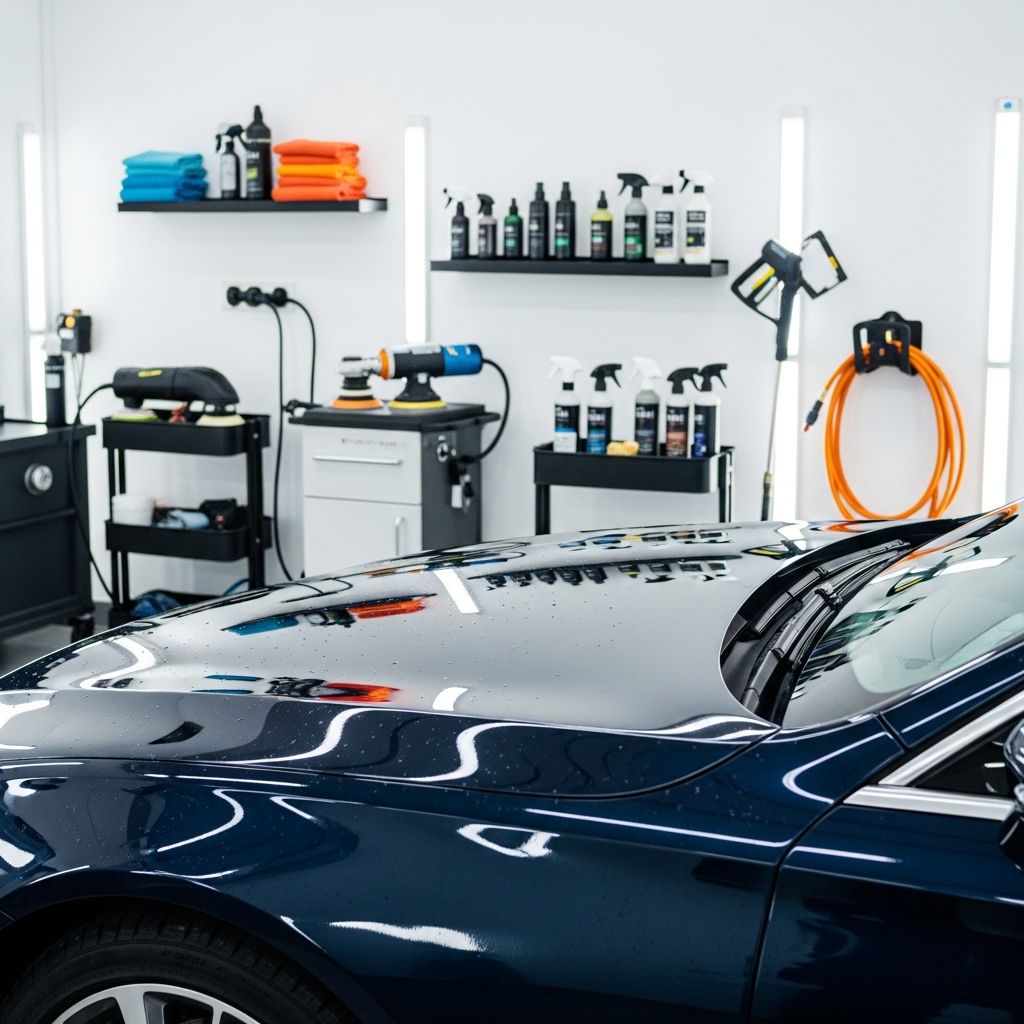
Car detailing is one of the most accessible service businesses to start, but succeeding long term requires more than a buffer and some soap. To build a business that is both profitable and legally compliant, you need a clear plan, the right licenses and insurance, and a strategy for attracting and retaining customers.
This guide walks through the key decisions and legal steps involved in opening a car detailing business, whether you plan to work from a fixed location, operate as a mobile service, or do a combination of both.
Understanding the Car Detailing Market
Before investing in equipment or signing a lease, take time to understand how car detailing fits into the broader automotive services industry and how demand may look in your area.
What Car Detailing Services Typically Include
Auto detailing goes beyond a basic car wash. Typical services include:
- Exterior washing, decontamination, polishing, and waxing or coating
- Wheel, tire, and wheel-well cleaning and dressing
- Interior vacuuming, shampooing, stain removal, and deep cleaning
- Leather cleaning and conditioning
- Glass cleaning inside and out
- Odor removal and sanitizing treatments
Premium detailers may also offer paint correction, ceramic coatings, headlight restoration, and other advanced services that command higher prices and require more skill.
Evaluating Local Demand and Competition
Conduct a basic market scan before you commit money:
- Search for existing detailers, car washes, and mobile services within a reasonable radius.
- Note their pricing, service packages, online reviews, and how busy they appear.
- Identify potential customer segments: daily drivers, luxury owners, commercial fleets, dealerships, and rental companies.
- Look for gaps: lack of mobile services, no pickup/drop-off options, or limited high-end detailing options.
This research will help you position your business so you are not simply duplicating what others already offer.
Choosing Your Business Model and Location
How you structure your detailing operation influences startup costs, licensing, and risk. The three most common models are mobile-only, fixed-location, and hybrid.
| Model | Key Advantages | Main Drawbacks |
|---|---|---|
| Mobile detailing | Low overhead, flexible schedule, convenient for customers | Weather dependent, more driving time, extra logistics for water and power |
| Fixed shop | Professional image, predictable workflow, easier to scale staff | Lease costs, build-out expenses, zoning and wastewater rules are stricter |
| Hybrid | Can serve more customer types, diversified revenue streams | Higher complexity, more equipment, and additional management demands |
Key Location and Zoning Considerations
If you want a physical shop, you must ensure that the property is properly zoned for automotive services. Most cities and counties use zoning ordinances to separate residential, commercial, and industrial uses, and they may limit where auto-related activities can occur.
- Confirm with your city or county zoning office that auto detailing is allowed at your chosen address.
- Ask whether you need a special or conditional use permit for car wash or detailing activities.
- Clarify rules for signage, customer parking, and hours of operation.
Operating out of a residential property, even part time, may be restricted or prohibited, especially if the work creates noise, visible chemicals, or frequent visitor traffic.
Legal Structure, Registration, and Licensing
Once you know how and where you will operate, you need to create a legal framework for the business. This protects you personally, clarifies ownership, and is often required to obtain licenses and insurance.
Selecting a Legal Entity Type
In the United States, the most common structures for small detailing businesses are:
- Sole proprietorship – Simple and inexpensive, but no legal separation between you and the business.
- Limited Liability Company (LLC) – More paperwork and cost, but offers limited liability protection and flexible tax options.
- Partnership – Appropriate when two or more owners operate together; can also be organized as an LLC for liability protection.
The U.S. Small Business Administration (SBA) provides official guidance on how these structures differ and what they require in terms of formation documents and compliance.
Registering Your Business Name
If you operate under a name other than your personal legal name, most states require you to register a “doing business as” (DBA) or trade name with a state or local agency.
- Choose a name that is easy to remember, describes your services, and is not confusingly similar to another local business.
- Search state and local business databases to ensure the name is available.
- File the appropriate form and pay any required fee to secure the DBA.
Business Licenses and Local Permits
Most cities or counties require a general business license for any business operating in their jurisdiction, including mobile operators. Additional permits may apply to auto detailers:
- Home occupation permit if operating from home (where allowed).
- Sign permits for exterior signage at a fixed location.
- Fire department approval if you store flammable chemicals on-site.
Contact your city clerk or local business licensing office to confirm which licenses apply to you and how often they must be renewed.
Environmental and Wastewater Compliance
Car detailing involves wastewater, detergents, and sometimes solvents. Many cities and states regulate how wash water is discharged to protect storm drains and waterways. The U.S. Environmental Protection Agency (EPA) notes that small businesses handling chemicals and wastewater may be subject to Clean Water Act and local stormwater regulations.
- Ask your local environmental or public works department about rules for discharging wash water.
- In many areas, wastewater must go to the sanitary sewer or be collected, not discharged into storm drains.
- Some jurisdictions require oil-water separators, containment areas, or mobile water reclamation systems for wash operations.
Noncompliance can lead to fines and enforcement actions, so it is important to understand and follow these rules from the outset.
Tax IDs, Banking, and Basic Financial Setup
Good financial habits help you control costs, monitor profitability, and stay compliant with tax obligations.
Employer Identification Number (EIN)
Most multi-owner entities and any business that hires employees will need an Employer Identification Number issued by the Internal Revenue Service.
- You can apply for an EIN at no cost using the official IRS process.
- An EIN is often required to open a business bank account or apply for certain licenses.
Separate Business Banking
Keeping personal and business finances separate is essential, especially if you operate as an LLC or corporation. Separate accounts make recordkeeping and tax preparation much easier and support the legal separation between you and the business.
- Open a dedicated business checking account.
- Use the account for all business income and expenses.
- Consider a business credit card for purchases, paid off monthly.
Basic Budgeting and Startup Costs
Startup costs will vary depending on whether you are mobile-only or operating a shop. Typical expenditures include:
- Pressure washer, hoses, buckets, towels, brushes, and vacuum equipment
- Chemicals: shampoos, degreasers, wheel cleaners, dressings, glass cleaners, and protectants
- Business registration fees, licenses, and permits
- Insurance premiums and possibly a commercial auto policy
- Branding, basic website, and marketing materials
Estimate your initial investment and several months of operating expenses so you know how much revenue you must generate to break even.
Insurance and Risk Management
Detailers handle customer vehicles that may be worth tens of thousands of dollars. Without proper insurance, a single accident could seriously harm the business financially.
Core Insurance Policies to Consider
- General liability insurance – Helps cover claims that your services caused bodily injury or property damage.
- Garagekeepers or bailee’s coverage – Protects you if a customer’s vehicle is damaged while in your care, custody, or control.
- Commercial auto insurance – Necessary if you use vehicles for business, such as a mobile detailing van or pickup service.
- Workers’ compensation insurance – Required in most states once you hire employees, covering work-related injuries and illnesses.
- Property insurance – If you lease or own a shop, covers tools, equipment, and sometimes improvements.
The U.S. Department of Labor provides guidance on workers’ compensation, and state-level agencies set specific requirements for coverage thresholds and benefits.
Risk-Reduction Practices
Insurance is only one part of risk management. You should also:
- Use written work orders and customer authorizations, especially for higher-risk services like paint correction.
- Inspect each vehicle upon arrival and document pre-existing damage with notes and photos.
- Train staff on safe chemical handling, lifting technique, and equipment use.
- Store flammable and hazardous materials according to local fire and safety regulations.
Designing Services and Pricing
A clear, easy-to-understand service menu helps customers choose and makes your own operations smoother.
Building Your Service Menu
Instead of offering every possible service from day one, focus on a few high-demand packages:
- Basic exterior detail – Wash, decontamination, tire dressing, and a simple paint protection product.
- Interior detail – Vacuuming, fabric and carpet cleaning, interior surfaces wiped and protected.
- Full detail – Combination of interior and exterior services at a bundled rate.
- Add-ons – Headlight restoration, engine bay cleaning, odor removal, pet hair removal, and fabric or leather protection.
Pricing Strategy
When setting prices, consider your material costs, time, and local market rates. A sustainable pricing structure should account for:
- Labor time per vehicle, including setup and cleanup
- Consumables (chemicals, towels, pads, and water)
- Overhead: insurance, licensing, rent, fuel, and marketing
- Desired profit margin above your total costs
Track how long each type of job takes in practice and adjust pricing or process steps to maintain profitability.
Marketing, Branding, and Customer Experience
Even the best technical detailers struggle if customers do not know they exist or do not return. An intentional marketing and customer service approach will help you build a repeat client base.
Creating a Professional Brand
- Choose a name and logo that reflect cleanliness, quality, and trust.
- Use consistent colors and fonts across your business cards, website, and social media.
- Maintain a clean, organized work area and vehicle – they are part of your brand image.
Essential Marketing Channels
- Local search visibility – Claim and optimize your business listing on major search platforms so local customers can find you.
- Basic website – Include your services, pricing ranges, contact information, and photos of your work.
- Social media – Share before-and-after images, short videos, and customer testimonials to build social proof.
- Referral programs – Offer incentives for existing customers who send new clients your way.
Delivering a Memorable Customer Experience
Technical skill is important, but service details often determine whether customers return:
- Communicate clearly about what each package includes and how long it will take.
- Offer appointment reminders and follow-ups by text or email.
- Provide simple maintenance tips that help customers protect their investment.
- Ask satisfied customers for honest reviews and feedback.
Planning for Growth and Hiring
Once your schedule fills consistently, you may want to add staff, expand hours, or open a larger facility. Growth introduces new legal and management responsibilities.
Becoming an Employer
Hiring employees adds obligations related to payroll taxes, wage laws, and workplace safety. The U.S. Department of Labor enforces federal minimum wage, overtime, and child labor rules, while states may have additional requirements.
- Use official guidance to classify workers correctly as employees or independent contractors.
- Follow federal and state rules on minimum wage, overtime, breaks, and recordkeeping.
- Provide required notices and posters in the workplace as directed by labor agencies.
Standardizing Your Processes
To maintain quality as you grow:
- Develop written procedures for each service package.
- Train staff on your preferred techniques, chemical usage, and safety standards.
- Create checklists for vehicle intake, detailing steps, and final inspection.
Standard procedures make it easier to produce consistent results even as new team members join.
Frequently Asked Questions
Q: Do I need a special license to do mobile car detailing?
A general business license is typically required, even for mobile operations, and you must still comply with local zoning, parking, and wastewater rules. Requirements differ by city and state, so verify with your local licensing and environmental offices.
Q: Can I run a car detailing business from my home garage?
In some areas, small home-based businesses are allowed with a home occupation permit, but many zoning codes limit automotive work at residential properties. Always confirm local zoning rules before accepting paying customers at your home.
Q: What is the most important insurance policy for a new detailer?
While needs vary, general liability insurance and coverage for customers’ vehicles in your care are fundamental, especially if you handle high-value cars. Talk with a licensed insurance professional familiar with auto services to design the right package.
Q: How much money do I need to start a detailing business?
A lean mobile setup can often be launched with a relatively modest budget focused on essential tools, chemicals, licensing, and basic marketing. A full fixed-location shop will generally require a larger investment for leasehold improvements, equipment, and higher ongoing overhead.
Q: Do I need formal training or certification?
Formal certification is usually not required by law, but structured training can shorten the learning curve, improve results, and support premium pricing. Many detailers start with self-study and practice, then invest in specialized courses as revenue grows.
References
- How to Check Zoning — U.S. Small Business Administration. 2023-05-10. https://www.sba.gov/business-guide/plan-your-business/choose-your-business-location-equipment
- Choose a Business Structure — U.S. Small Business Administration. 2023-06-01. https://www.sba.gov/business-guide/launch-your-business/choose-business-structure
- State and Local Business Licenses — USA.gov. 2024-01-05. https://www.usa.gov/business-licenses
- Stormwater Discharges from Industrial Activities — U.S. Environmental Protection Agency. 2023-02-15. https://www.epa.gov/npdes/stormwater-discharges-industrial-activities
- Apply for an Employer Identification Number (EIN) — Internal Revenue Service. 2024-02-20. https://www.irs.gov/businesses/small-businesses-self-employed/apply-for-an-employer-identification-number-ein-online
- Workers’ Compensation — U.S. Department of Labor. 2023-09-18. https://www.dol.gov/general/topic/workcomp
- Wages and the Fair Labor Standards Act — U.S. Department of Labor, Wage and Hour Division. 2024-01-12. https://www.dol.gov/agencies/whd/flsa
Similar Articles








Read full bio of medha deb


