
Hotel Guests’ Legal Rights and Common Disputes Explained
Understand your legal rights when staying in a hotel, from privacy and safety to reservations, fees, and handling common disputes.
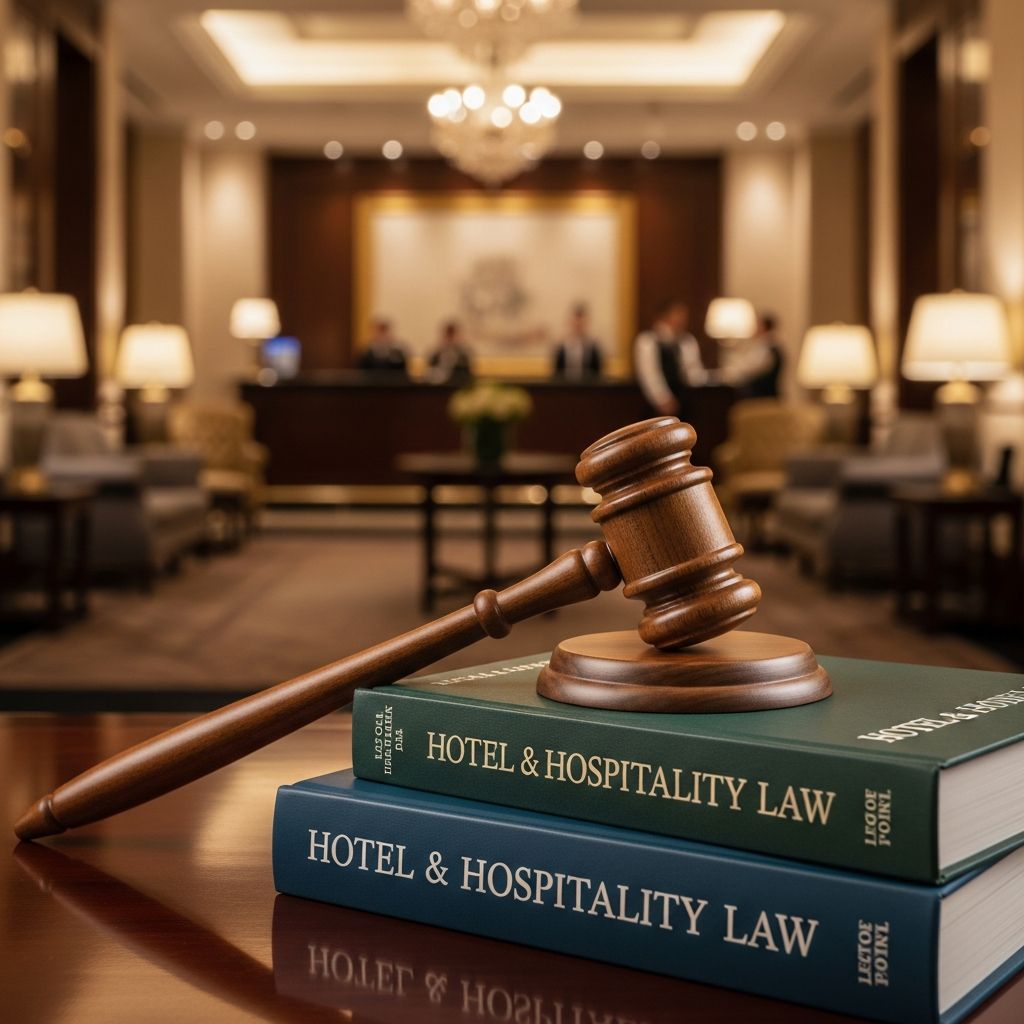
Checking into a hotel is more than a simple business transaction. When you accept a room key, you enter a legal relationship that gives both you and the hotel specific rights and responsibilities. Understanding those rights can help you avoid unpleasant surprises, push back when policies seem unfair, and know when it is time to escalate a complaint or seek legal help.
This guide uses common hotel problems as a roadmap: reservations gone wrong, surprise fees, lost property, security incidents, and disagreements over evictions, noise, or damages. While laws differ by jurisdiction, many principles are widely recognized in consumer protection, innkeeper laws, and contract rules.
1. The Legal Relationship Between Guest and Hotel
From a legal perspective, most stays are governed by two overlapping concepts: a contract and the hotel’s duty of care.
1.1 Your stay as a contract
When you book a room and the hotel accepts the booking, you usually create a contract. The terms are shaped by:
- The rate, dates, room type, and occupancy agreed at booking
- The written terms and conditions on the hotel or booking site
- Local consumer protection and innkeeper laws that override unfair terms
Under contract law, each side has duties:
- Hotel obligations typically include providing the room (or a reasonable substitute), honoring the booked rate, and supplying the basic amenities advertised.
- Guest obligations generally include paying agreed charges, respecting rules (for example, no smoking where prohibited), and avoiding damage or disruptive behavior.
1.2 Duty of care and guest safety
Separate from the contract, hotels owe guests a duty of care to keep the premises reasonably safe. This comes from premises liability law and public accommodation regulations. In practice, this means the hotel must take reasonable steps to:
- Maintain common areas and guest rooms in a safe condition
- Comply with building codes and fire safety rules
- Provide adequate lighting, locks, and security measures where appropriate
- Address known hazards promptly, such as water on floors or broken railings
Violations can lead to liability if a guest is injured and can show that the hotel’s failure to meet its duty of care caused the harm.
2. Core Rights of Hotel Guests
Although details vary by region, guests can generally expect several baseline rights when they are properly registered and in good standing.
2.1 Right to safety and a usable room
Guests typically have the right to a room that is reasonably safe, secure, and fit for sleeping, including functional locks, basic cleanliness, and compliance with fire and building codes. The hotel is not an insurer of absolute safety, but it must take reasonable precautions in line with industry standards.
2.2 Right to nondiscrimination
In many countries, hotels are considered public accommodations and may not refuse service or provide inferior service based on protected characteristics such as race, religion, disability, or national origin. Equal access obligations are reinforced by civil rights and accessibility laws, such as the Americans with Disabilities Act (ADA) in the United States, which also impose requirements for accessible rooms and facilities.
2.3 Right to privacy
Once you occupy a room, you generally gain a strong expectation of privacy. Courts and legal commentators often regard a hotel room as a temporary home, which means the hotel must respect that privacy except in limited circumstances.
Hotel staff typically may enter only when:
- You consent (for example, housekeeping service you have not refused)
- There is an emergency or credible safety concern
- Management reasonably suspects illegal activity or a serious rule violation
- The stay has ended, or you have effectively abandoned the room
Hotels must also implement reasonable measures to prevent unauthorized access to occupied rooms, whether by outsiders or other guests.
2.4 Right to clear information and policies
Consumer protection rules and fair trading principles often require that key terms be disclosed clearly before or at the time of booking. Important information should not be buried in fine print. At a minimum, guests should see:
- Rates, resort fees, and taxes
- Cancellation and no-show policies
- Deposit or prepayment requirements
- Major limitations of liability (for example, caps on responsibility for valuables)
Some jurisdictions require prominent notices on property policies in visible locations so guests can understand rules and limitations.
3. Common Reservation and Check-In Problems
Disputes often start before you even get your room key. Understanding how courts view reservations helps you respond strategically.
3.1 Overbooking and walk situations
Hotels sometimes sell more rooms than they have, assuming a percentage of no-shows. When this miscalculation backfires, guests may arrive to find no available room, a scenario often called being “walked.”
Contract and consumer law may treat this as a breach of the booking agreement, especially if the reservation was guaranteed with a credit card or prepayment. To remedy the situation, a reasonable response might include:
- Finding comparable accommodation nearby
- Covering transportation to the new hotel
- Honoring the original rate or providing a similar rate at the alternate property
What a guest can legally demand will depend on local law and the exact terms of the booking confirmation, but many large chains have internal policies committing to these types of remedies.
3.2 Cancellations, no-shows, and prepayments
Cancellation terms are usually contractual. If a booking is labeled “nonrefundable,” courts often enforce that term, provided it was clearly disclosed upfront and is not unconscionably one-sided. However, some consumer regulations require refunds or allow penalty limits if a hotel materially changes the service or cannot honor the reservation.
When you miss a stay without canceling in time, the hotel may charge a no-show fee, commonly equivalent to one night. The charge must be consistent with the written policy you agreed to. If the hotel later resells the room, arguments can arise as to whether keeping the full fee is fair, but many legal systems allow reasonable liquidated damages where the amount approximates expected losses.
3.3 Early departures and shortened stays
Some hotels charge an “early departure fee” if you leave before the end of a prepaid or discounted stay. Enforceability generally depends on:
- Clear disclosure of the fee at booking or check-in
- Whether the fee reasonably reflects the discount you received or expected occupancy
- Any statutory rules limiting penalties or unfair contract terms
If you leave because the hotel fails to provide essential services (for example, severe safety or sanitation issues left uncorrected), you may argue that the contract has been breached or that you are justified in canceling without penalty.
4. Money Matters: Rates, Fees, and Deposits
Charges are one of the most visible sources of friction. Some disputes are purely contractual; others raise regulatory issues.
4.1 Rate discrepancies and “bait-and-switch” concerns
If the hotel attempts to charge more than the confirmed rate, you may have a strong contract claim, especially if you have written proof (email or screenshot). Consumer regulators in many regions treat misleading price advertising as deceptive and may impose penalties on businesses that display artificially low rates and then add unavoidable charges later.
4.2 Resort fees, service charges, and mandatory extras
Resort fees and similar mandatory charges have been heavily scrutinized by regulators and consumer advocates. Authorities have argued that hotels must include all unavoidable fees in the advertised price or clearly disclose them upfront, rather than hiding them until checkout. Failure to do so can be viewed as an unfair or deceptive practice under consumer law.
Before confirming a booking, review:
- Whether the fee is optional or mandatory
- What goods or services the fee allegedly covers
- Where and how it is disclosed during the booking flow
4.3 Security deposits and damage charges
Hotels often pre-authorize a credit card for incidentals or potential damages. Law generally permits reasonable deposits, but disputes occur when:
- Charges are added after checkout without explanation
- Damage fees are excessive or not supported by evidence
- The hotel holds a deposit for an unreasonable length of time
Good practice on both sides involves documentation. Guests should photograph the room at check-in and checkout, while hotels should keep records and photographs of any alleged damage. Some jurisdictions treat unauthorized or unexplained post-stay charges as unfair and may provide avenues for credit card disputes or regulatory complaints.
5. Security, Crime, and Hotel Liability
Hotels are not automatically responsible for every crime on the premises, but they can be liable when they fail to take reasonable precautions and a guest is harmed as a result.
5.1 Duty to provide reasonable security
Courts and safety guidelines often look at whether the hotel took reasonable steps based on the foreseeable risks in the area and prior incidents, such as:
- Functional locks and keys or keycard access
- Lighting in parking lots, hallways, and entrances
- Security cameras and trained staff in higher-risk locations
- Procedures for responding to suspicious activity or emergencies
If the hotel knew or should have known of a risk but failed to act, it may bear responsibility for injuries caused by a third party on the property.
5.2 Theft and loss of guest property
Traditional innkeeper laws often imposed strict liability for loss of guest property, but many modern statutes limit that liability and allow hotels to cap responsibility if they provide secure options such as in-room safes and post clear notices.
Common patterns include:
- Higher liability if valuables are stored in a hotel safe per policy
- Lower liability (sometimes capped) if valuables are left unattended in the room
- Requirements that hotels post notices explaining these limits and how to protect property
In any theft scenario, reporting promptly, requesting a written incident report, and documenting losses with receipts or photos can be crucial if you later make an insurance or legal claim.
6. Guest Behavior, Evictions, and “Problem Stays”
Guest rights are not unlimited. Hotels also have legal tools to protect staff, other guests, and property from disruptive or unlawful conduct.
6.1 When can a hotel refuse or end a stay?
While hotels generally cannot discriminate against protected groups, they can refuse service or end a stay for legitimate reasons, such as:
- Nonpayment or inability to pay for accommodations and services
- Disorderly, threatening, or dangerous behavior
- Engaging in illegal activity on the premises
- Serious violations of house rules (for example, tampering with fire equipment)
Innkeeper case law has long held that a guest who refuses to leave after lawful notice can become a trespasser. Some statutes expressly outline how notice can be delivered, including in person, by phone, or electronically (such as text or email).
6.2 Use of force and police involvement
If a guest refuses to leave after proper notice, hotels may involve law enforcement. Any physical removal must be limited to necessary and reasonable force under the circumstances. Excessive force can expose the hotel to civil liability for assault or wrongful eviction.
6.3 Balancing privacy with suspected illegal activity
Hotels face a delicate balance between respecting privacy and preventing crime. Legal commentary notes that hotels must safeguard guest privacy from staff and unauthorized visitors, yet they may enter or involve authorities when there is credible evidence of criminal behavior or serious safety threats.
To manage this balance, many properties adopt internal policies such as:
- Requiring staff to report suspicious behavior to a manager, not confront guests alone
- Limiting room entry to emergency situations or when there is a strong basis for concern
- Training staff about privacy expectations and legal limits on searches
7. Practical Tips to Protect Yourself as a Hotel Guest
Legal rights are most effective when paired with practical habits. Consider the following strategies when you travel:
| Issue | What You Can Do |
|---|---|
| Before booking | Compare the rate, taxes, and mandatory fees across the hotel’s site and third-party platforms. Save screenshots of the final price, cancellation policy, and room type. |
| At check-in | Review the registration card for additional fees or changes in terms. Ask questions about deposits, parking, and resort fees before signing. |
| Room condition | Inspect the room immediately; photograph any damage or cleanliness issues. Report problems to the front desk in writing or via email when possible. |
| Valuables and safety | Use in-room safes or the hotel’s main safe, especially if policies tie liability to safe usage. Keep a list of valuables and serial numbers for insurance. |
| Billing disputes | Request an itemized bill before leaving. Dispute errors immediately and follow up via email so there is a written record. |
| Incidents or injuries | Document the scene with photos, get names of witnesses, and ask for a written incident report. Seek medical attention promptly if injured. |
8. Frequently Asked Questions about Hotel Guest Rights
Q1: Can hotel staff enter my room without my permission?
Hotel staff generally must respect your privacy once you are a registered guest. They may enter for housekeeping (if you have not refused service), emergencies, serious safety concerns, or when they reasonably suspect illegal activity. Routine or convenience entry should be minimized and, where possible, preceded by knocking and announcing presence.
Q2: Is the hotel always responsible if my property is stolen?
No. Modern laws often limit hotel liability for theft unless the hotel was negligent or failed to provide required security or safekeeping options. If the property was placed in a hotel safe according to policy, liability may be higher; if it was left unsecured, liability may be capped or excluded by statute.
Q3: Can the hotel charge my card after I check out?
Hotels can usually charge for legitimate unpaid items (like minibar use) or proven damage, but they should be able to substantiate the charges and must act within the boundaries of the agreed terms. If you see unexpected charges, dispute them promptly with the hotel in writing and, if necessary, with your card issuer.
Q4: Can a hotel kick me out even if I paid in full?
Yes, if you violate major rules, behave dangerously, commit illegal acts, or refuse to pay for additional charges legitimately incurred, the hotel can generally terminate your stay after giving appropriate notice. What counts as “appropriate” depends on local law and the seriousness of the conduct.
Q5: What should I do if the hotel is unsafe or unsanitary?
Notify the front desk immediately and document the problem. If the hotel fails to fix serious safety or health issues, you may have grounds to leave and contest penalties, depending on local contract and consumer protection rules. For serious hazards, also consider reporting to local health or safety authorities.
References
- Legal Responsibilities Of Hotels: A Guide To Hotel Premises Liability — McKay Law. 2023-06-15. https://mckaylawtx.com/legal-responsibilities-of-hotels-a-guide-to-hotel-premises-liability/
- What Are the Rights of Hotel Guests? Exploring Guest Privacy — Autohost. 2022-09-20. https://www.autohost.ai/blog/what-are-the-rights-of-hotel-guests
- What Are the Key Legal Considerations for Hotel Operations? — International Hospitality Institute. 2022-04-05. https://www.internationalhospitalityinstitute.com/articles/what-are-the-key-legal-considerations-for-hotel-operations
- The Law and Liability of Hotels — Stimmel, Stimmel & Roeser. 2018-03-10. https://www.stimmel-law.com/en/articles/law-and-liability-hotels
- Hotel Liability for Guests on Property: Your Legal Guide — M&Y Personal Injury Lawyers. 2023-02-01. https://mginjuryfirm.com/hotel-liability-for-guests-on-property/
- Safeguarding Guests’ Right to Privacy Poses a Dilemma for Hoteliers — HospitalityLawyer.com. 2015-01-01. https://hospitalitylawyer.com/wp-content/uploads/2019/01/Safeguarding-guests-right-to-privacy.pdf
- Important Changes in Florida Hotel Laws — Baker, Donelson, Bearman, Caldwell & Berkowitz, PC. 2021-07-30. https://www.bakerdonelson.com/important-changes-in-florida-hotel-laws
Similar Articles








Read full bio of Sneha Tete


