
Legal Remedies for Hotel Bed Bug Injuries: A Comprehensive Guide
Understand your rights and learn how to pursue compensation for bed bug incidents at hotels.
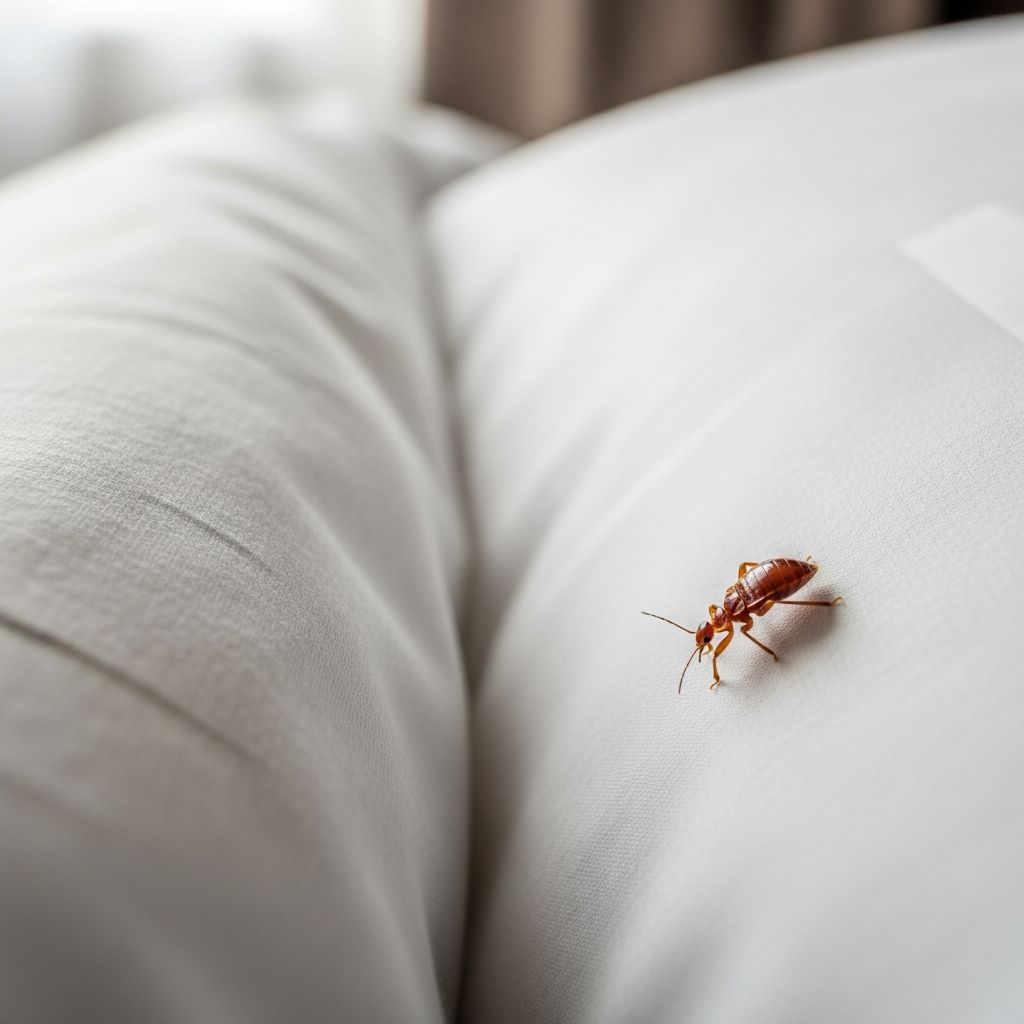
Understanding Your Legal Rights Against Hotels for Bed Bug Infestations
Discovering bed bugs in a hotel room can be both disturbing and physically harmful. Beyond the immediate discomfort, guests who suffer bites and other injuries may have legitimate legal grounds to pursue compensation from the hotel. Under premises liability law, hotels have a fundamental obligation to maintain their facilities in a safe and sanitary condition for guests. When bed bug infestations go unaddressed or are mismanaged, hotels can be held legally responsible for the resulting injuries and damages sustained by their patrons.
Understanding whether you have a viable legal claim requires knowledge of how courts evaluate hotel negligence, what evidence strengthens your case, and what damages you may be entitled to recover. This comprehensive guide walks you through the essential steps and legal considerations for pursuing a bed bug compensation claim or lawsuit.
The Legal Foundation: Premises Liability and Hotel Duty of Care
Hotels operate under a special legal duty to protect guests from known hazards and to maintain reasonably safe premises. This duty extends to pest control and sanitation standards. When a hotel fails to implement adequate pest prevention measures, fails to respond appropriately to guest complaints, or neglects to conduct regular inspections for infestations, they breach this duty of care.
Courts recognize that bed bug infestations constitute evidence of a hotel’s failure to maintain safe conditions. The mere presence of bed bugs in a guest room demonstrates that the hotel did not exercise reasonable care in keeping the premises sanitary and free from dangerous conditions. Establishing negligence requires showing that the hotel knew or should have known about the infestation and failed to take appropriate corrective action.
Immediate Steps to Take Upon Discovering an Infestation
Your actions immediately after discovering bed bugs significantly impact the strength of your potential legal claim. Time is critical, and systematic documentation protects your interests.
Documentation and Photography
The most valuable evidence you can gather is photographic and video documentation of the infestation itself. Take clear pictures and videos showing bed bugs in various locations within the room, including on mattresses, bedding, furniture, and walls. Photograph any blood stains on sheets or pillows, which indicate recent feeding. If possible, capture images of bed bug feces (small dark spots) and the insects themselves in various life stages. Additionally, document any bites on your skin with dated photographs showing the progression of welts and irritation.
If you can safely capture one or more bed bugs and place them in a sealed container or plastic bag, do so. This physical evidence can be examined by pest control professionals or entomologists, providing expert documentation of the infestation. These photographs and videos serve as powerful evidence that directly contradicts hotels’ typical defense claim that no infestation existed in the room.
Immediate Notification of Hotel Management
Inform hotel staff at the front desk immediately upon discovering the infestation. Request to speak with a manager directly. This in-person notification is important, but it is equally critical to follow up with written communication. Send an email to the manager or assistant manager documenting the time, date, and specific details of your report. Include in your email a description of where the bed bugs were located, how many people were affected, and what response the hotel provided.
Ask the hotel what their official policy is for handling guest reports of bed bug infestations and request that they follow their stated procedures exactly. Do not accept vague reassurances; insist on concrete steps and documented responses.
Requesting an Incident Report
Hotel management should create an official incident report documenting your complaint. Not all hotels voluntarily complete these reports, so you must explicitly request one. When completing the incident report, be as specific and detailed as possible about the infestation’s location, the number of bites sustained, and any hotel employee observations of the problem. Note whether any staff member actually entered your room and visually confirmed the presence of bed bugs.
Obtain a copy of this incident report immediately and keep it with your other documentation. This official hotel record becomes crucial evidence in demonstrating that the establishment had notice of the problem and the opportunity to address it.
Building Your Evidence Portfolio
Medical Documentation
Seek medical attention promptly if you develop bed bug bites or allergic reactions. A healthcare provider’s examination and diagnosis creates an official medical record linking your injuries directly to the hotel stay. Obtain copies of all medical records, including doctor’s notes, prescribed medications, and any specialist referrals. If the infestation causes psychological distress, anxiety, or sleep disorders, documentation from a mental health professional strengthens your claim for emotional damages.
Medical records serve multiple purposes: they provide objective evidence of your injuries, establish a timeline connecting the injuries to the hotel stay, and create a professional assessment of the severity of your condition. Insurance adjusters and judges give considerable weight to medical documentation.
Financial Records and Receipts
Preserve all receipts and invoices related to the infestation and its consequences. This includes:
- Medical bills and pharmacy receipts for treatments
- Hotel charges for the infested stay and any room changes or rebooking
- Pest control services you hire to treat your home or belongings
- Replacement costs for clothing, bedding, or furniture that required discarding
- Laundry services using high-temperature washing to decontaminate belongings
- Transportation costs to medical appointments or to relocate to another hotel
Each receipt documents a quantifiable loss directly attributable to the hotel’s negligence. These financial records form the basis for calculating compensatory damages in your claim.
Communication Records
Maintain copies of all communication with the hotel, including emails, text messages, complaint forms, and written correspondence. These records establish a timeline of your efforts to notify the hotel and document their responses (or lack thereof). If the hotel was slow to respond, failed to address the problem adequately, or attempted to shift blame to you, these communications provide evidence of continued negligence even after notification.
Reporting to Government Authorities
Contact your local health department or code enforcement agency to report the infestation. These government inspectors serve as neutral third parties who will inspect the infested room, review the hotel’s incident reports and pest control records, and create an official written report of their findings. In some jurisdictions, an inspector will typically visit the hotel within one or two days of your complaint.
Health department reports carry significant evidentiary weight because they represent government investigation and documentation of the problem. These reports have been used successfully in numerous bed bug cases and claims. Additionally, reporting to regulatory agencies may prompt the hotel to take corrective action more quickly, preventing other guests from experiencing similar injuries.
If you are in Florida or another state with a Division of Hotels and Restaurants, file a formal complaint with this agency as well. Regulatory complaints create an official record that demonstrates knowledge of bed bug problems at the property, which can be valuable if other guests have filed similar complaints previously.
Establishing Hotel Negligence and Liability
Proving Failure to Meet Standards of Care
To establish liability, you must demonstrate that the hotel failed to exercise reasonable care in preventing or addressing the infestation. Evidence that supports this includes:
- Poor cleaning practices or inadequate housekeeping standards
- Prior guest complaints about bed bugs that were ignored or mishandled
- Negative online reviews mentioning bed bug problems at the property
- Failure to conduct regular pest inspections as part of standard maintenance
- Inadequate pest control treatments or delayed response to infestations
- Franchise standards requiring regular bed bug inspections that the hotel failed to follow
Hotels operating under franchise agreements often have mandatory pest control and inspection protocols. Evidence that a franchised hotel ignored these corporate standards strengthens your negligence claim significantly. Franchise companies can be held responsible alongside individual properties for failing to enforce their own standards.
Expert Testimony
Pest control professionals and entomologists can provide expert testimony about the extent of an infestation and whether it resulted from the hotel’s failure to maintain proper sanitation standards. Experts can determine whether the infestation was recent or long-standing based on the life cycle stages of bed bugs present. They can also testify about industry standards for pest prevention and the negligence involved in allowing an infestation to reach the severity observed in your room.
Expert witnesses lend credibility and technical authority to your claim. Their professional opinions help juries understand that the infestation was not a unavoidable accident but rather evidence of the hotel’s substandard maintenance practices.
Calculating Damages and Compensation
Categories of Recoverable Damages
Bed bug infestations can result in several types of compensable damages:
| Damage Category | Examples |
|---|---|
| Medical Expenses | Doctor visits, medications, dermatology treatments, mental health counseling |
| Property Damage | Replacement of infested clothing, bedding, furniture; professional pest treatment |
| Economic Loss | Cost of alternative accommodations, transportation, time lost from work |
| Emotional Distress | Pain and suffering from physical injuries, psychological trauma, sleep disruption, anxiety |
| Loss of Enjoyment | Ruined vacation or business trip, diminished quality of life during recovery |
Settlement Ranges and Previous Outcomes
The amount of compensation varies based on the severity of injuries, extent of infestation, and evidence of hotel negligence. In high-value cases where significant injuries occur, professional legal representation has resulted in substantial settlements. Cases involving severe allergic reactions, multiple infected guests, documented prior complaints at the property, and clear evidence of franchise standard violations have commanded higher compensation amounts.
Working with an experienced bed bug litigation attorney is crucial because many hotels attempt to settle cases quickly at minimal amounts. Attorneys who regularly file lawsuits rather than accepting initial settlement offers often recover significantly more compensation for their clients.
Legal Representation and Case Strategy
Selecting an Attorney
Choose a personal injury attorney with specific experience handling bed bug cases against hotels. Before retaining representation, ask potential attorneys how many bed bug lawsuits they have filed annually and what results they have achieved. Be wary of attorneys who routinely settle cases without filing suit, as this often leaves substantial compensation on the table.
An experienced bed bug attorney understands how to obtain critical information from hotel franchisors and franchisees, knows how to interpret pest control records, and understands industry standards for pest management. They can identify whether the hotel is part of a franchise system and pursue claims against both the individual property and the franchise company.
Timeline and Process
Filing a bed bug lawsuit involves multiple stages, each requiring careful attention. Your attorney will guide you through filing a formal complaint that outlines the timeline of events, specific facts of the infestation, and detailed calculation of damages. Litigation timelines vary by jurisdiction, but complex cases typically require several months to over a year to resolve.
Throughout the legal process, your attorney will conduct discovery to obtain hotel records, pest control reports, prior guest complaints, and franchise documentation. This investigation phase is critical for building a strong case that demonstrates the hotel’s negligence and knowledge of bed bug problems.
Common Defense Arguments and How to Counter Them
Hotels frequently attempt to defend bed bug lawsuits by claiming that guests brought the infestation into their rooms or that the presence of bed bugs is unavoidable despite reasonable precautions. With comprehensive photographic evidence, medical documentation, and pest control expert testimony, these defenses lose credibility. Documentation of prior guest complaints and negative reviews further undermines claims that the infestation was a isolated incident beyond the hotel’s control.
Frequently Asked Questions
Q: Can I sue a hotel for bed bugs even if I did not suffer serious injuries?
A: Yes, hotels can be held liable for bed bug incidents even if injuries are minor. However, the amount of compensation may be lower. Any documented medical treatment, even for minor bites, strengthens your claim.
Q: How long do I have to file a bed bug lawsuit against a hotel?
A: The time limit depends on your state’s statute of limitations for personal injury claims, typically ranging from one to four years. Consult an attorney immediately to ensure you meet filing deadlines.
Q: What if the hotel claims I brought the bed bugs into the room?
A: Photographic evidence of the infestation, prior guest complaints at the property, and pest control expert testimony demonstrating the scope of the infestation refute this defense. Hotels rarely succeed with this argument when presented with comprehensive evidence.
Q: Should I accept the hotel’s initial settlement offer?
A: Consult with an experienced bed bug attorney before accepting any settlement. Hotels often make low initial offers. An attorney can evaluate whether the offer adequately compensates your damages and can negotiate for higher amounts.
Q: Can I pursue claims against the hotel franchise company in addition to the individual property?
A: Yes, if the hotel operates under a franchise agreement with mandatory pest control standards, the franchise company can be held jointly liable for failing to ensure compliance with those standards.
References
- Fair Compensation for Bed Bugs in Hotels — Bergovich Law. 2024. https://beregovichlaw.com/fair-compensation-for-bed-bugs-in-hotels/
- $200,000 Hotel Bed Bug Lawsuit Settlement — Whitney, LLP. 2024. https://whitneyfirm.com/200000-hotel-bed-bug-lawsuit-settlement/
- Bed Bug Lawsuits Against Florida Hotels — Hallandale Law. 2024. https://www.hallandalelaw.com/bed-bug-lawsuits-against-hotels/
- Contributing Factors: How Long Does a Bed Bugs Lawsuit Take? — Castel Blanco. 2024. https://castelblanco.com/how-long-does-a-bed-bug-lawsuit-take/
- From Bites to Lawsuits: How to Sue a Hotel for Bed Bugs — Nava Law Group. 2024. https://www.navalawgroup.com/blog/from-bites-to-lawsuits-how-to-sue-a-hotel-for-bed-bugs/
Similar Articles








Read full bio of Sneha Tete


