
Hiring a Construction Lawyer: Rights, Risks, and Practical Steps
Understand construction law, common project disputes, and how a skilled construction attorney can protect your investment from start to finish.
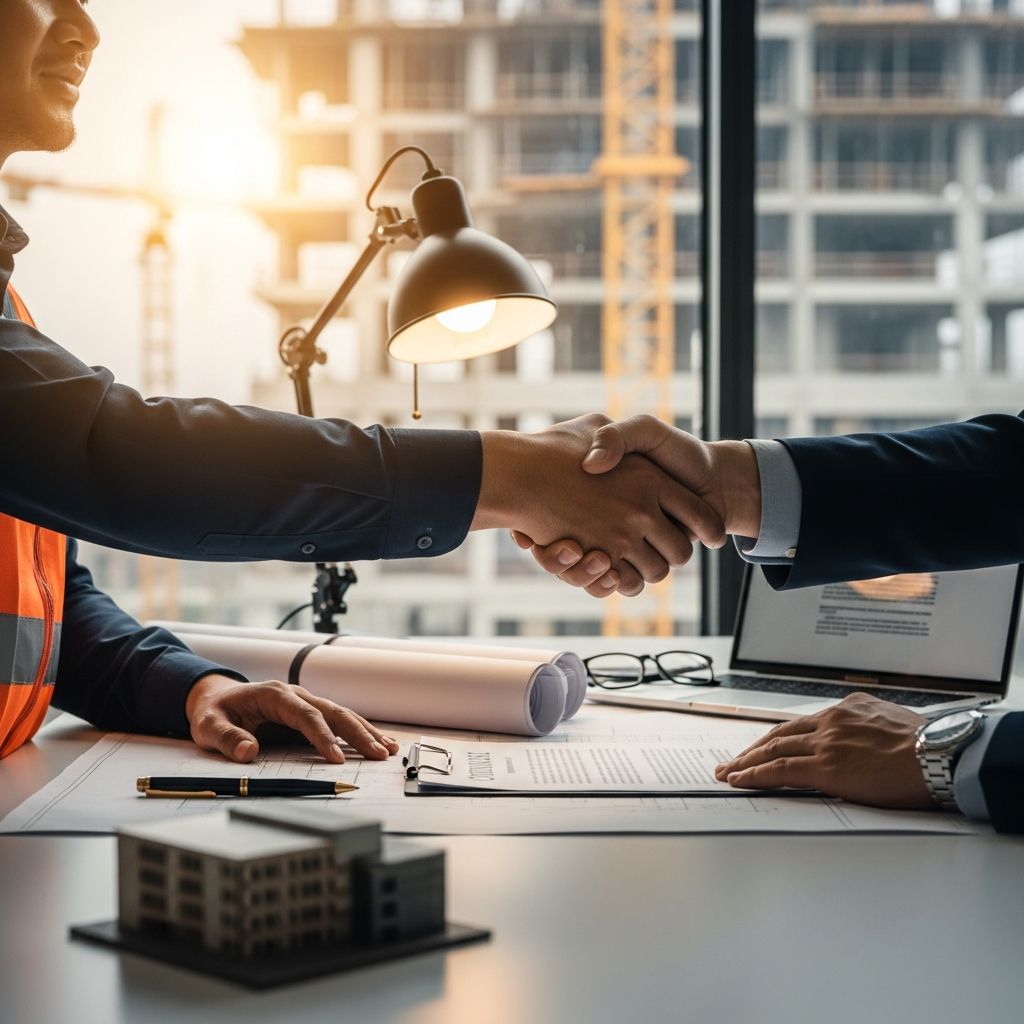
Building, renovating, or developing property can be one of the largest investments you ever make. When something goes wrong on a construction project, the financial, legal, and safety consequences can be severe. A knowledgeable construction lawyer can help you prevent problems before they arise and guide you if a dispute turns into a legal fight.
This guide explains what construction law covers, the most frequent issues that lead to conflict, and how to choose the right attorney to protect your interests at every stage of a project.
What Is Construction Law?
Construction law is the body of rules, regulations, and legal principles that govern the planning, financing, design, and building of structures such as homes, offices, roads, bridges, and industrial facilities. It combines several legal areas, including contract law, real estate, labor and employment, safety, and environmental regulation.
Typical construction-related legal issues include:
- Negotiating, drafting, and enforcing construction contracts
- Ensuring compliance with building codes, zoning ordinances, and permitting rules
- Addressing safety obligations under workplace safety laws (for example, OSHA in the U.S.)
- Handling payment, lien, and financing disputes
- Managing claims over construction defects, delays, or cost overruns
Key Players in a Construction Dispute
Almost any participant in a project can become involved in a dispute. Understanding each party’s role will help you see why clear legal protection is so important.
| Party | Typical Role | Common Legal Issues |
|---|---|---|
| Owner / Developer | Finances the project and ultimately owns the structure. | Nonpayment claims, design and defect disputes, regulatory compliance. |
| General Contractor | Coordinates and manages the project; contracts with subs and suppliers. | Payment disputes, schedule delays, change order conflicts, safety obligations. |
| Subcontractor | Performs specialized portions of the work (electrical, plumbing, roofing, etc.). | Nonpayment, scope-of-work disagreements, alleged defects. |
| Design Professionals | Architects and engineers who create plans and specifications. | Design errors, code compliance, professional negligence claims. |
| Suppliers & Manufacturers | Provide materials and equipment used in the project. | Defective products, late delivery, warranty disputes. |
Why Construction Contracts Matter So Much
The contract is the backbone of any construction project. A construction contract is a legally binding agreement that defines the scope of work, schedule, payment terms, risk allocation, and responsibilities of each party. A carefully drafted contract can prevent many disputes or provide clear answers when disagreements arise.
Essential Elements of a Construction Contract
While each project is different, most well-structured contracts address the following core points:
- Scope of work – A detailed description of what work will be performed, including drawings, specifications, and performance standards.
- Timeline and milestones – Start and completion dates, interim milestones, and procedures for handling delays caused by weather, change orders, or other events.
- Price and payment terms – Contract sum, progress payments, retainage, conditions for final payment, and penalties or incentives tied to schedule.
- Change order process – How changes to price, time, or scope will be requested, documented, and approved.
- Warranties and guarantees – Assurances regarding workmanship, materials, and code compliance, and how long those protections last.
- Dispute resolution – Whether conflicts will be handled through negotiation, mediation, arbitration, or court litigation, and which law and venue will apply.
- Termination rights – When either party can end the contract, and what payments or damages are owed upon termination.
An experienced construction lawyer knows how to use these clauses to allocate risk fairly and protect you against common pitfalls, such as ambiguous scope language or one-sided change-order procedures.
Common Types of Construction Law Problems
Because construction projects are complex and often involve many parties working under time and budget pressure, disagreements are frequent. Many of them fit into a few recurring categories.
1. Payment and Cash Flow Disputes
Disagreements over money are among the most frequent sources of conflict. Issues include:
- Owners withholding payment over alleged defects or delays
- Contractors failing to pay subcontractors or suppliers on schedule
- Disputes over change order pricing or whether extra work was authorized
- Use of mechanic’s liens or bond claims to secure unpaid amounts
Many jurisdictions have specific statutes governing construction payments, progress billing, and prompt-pay obligations; violating these rules can lead to interest, penalties, or loss of lien rights.
2. Construction Defects and Quality Problems
A construction defect can involve design errors, faulty workmanship, or defective materials that cause damage or safety issues. Examples include water intrusion, structural failures, foundation problems, or mechanical system malfunctions.
Defect disputes often raise questions about:
- Whether the issue stems from design, workmanship, materials, or maintenance
- Which party’s insurance may cover the damage
- How contractual warranties interact with statutory warranty or consumer protection laws
- What measure of damages applies (repair cost, diminished value, loss of use)
3. Delays, Scheduling, and Disruption
Schedule disputes arise when a project takes longer than expected, whether because of weather, design changes, supply-chain issues, labor shortages, or poor planning. Parties may argue over:
- Who is responsible for delay or acceleration costs
- Liquidated damages or bonus incentives tied to completion dates
- Extension-of-time claims based on contract language
- Concurrent delays where multiple causes overlap
4. Regulatory and Safety Violations
Construction is heavily regulated. Projects must comply with:
- Building codes that set minimum safety and performance standards for structural systems, fire protection, accessibility, electrical and mechanical installations, and more.
- Zoning and land use rules that dictate how property may be used and limit building size, height, and density.
- Environmental regulations related to stormwater, hazardous materials, and energy efficiency.
- Workplace safety laws designed to protect workers from falls, equipment hazards, and other risks on site.
Violations can lead to fines, stop-work orders, personal injury claims, and in severe cases, criminal liability. A construction lawyer helps you understand these rules up front and respond effectively if regulators or injured parties raise concerns.
How a Construction Lawyer Can Help
A skilled construction attorney can be involved from project planning through final closeout and beyond. Their role is both preventive and reactive.
Preventive Services
- Contract review and negotiation – Identifying hidden risks, clarifying vague language, and suggesting revisions that better protect your objectives.
- Compliance counseling – Advising on building permits, licensing, safety obligations, and code compliance to reduce the risk of enforcement actions.
- Project documentation strategies – Helping you set up systems for tracking changes, documenting conditions, and preserving evidence in case disputes arise later.
- Insurance and risk allocation – Coordinating with brokers to ensure appropriate coverage, indemnity clauses, and bonding requirements are in place.
Dispute Resolution and Claims
- Informal negotiation – Attempting to resolve disputes early through direct discussion and creative compromise.
- Mediation or arbitration – Representing you in out-of-court processes often required by contract for construction disputes.
- Court litigation – Filing or defending lawsuits involving breach of contract, negligence, defects, liens, or bond claims.
- Contract interpretation – Applying rules of contract construction (such as giving plain meaning to clear language and harmonizing conflicting provisions) to support your position in a dispute.
When You Should Consider Hiring a Construction Lawyer
Not every project requires ongoing legal involvement, but certain situations strongly justify consulting an attorney:
- You are planning a high-value or technically complex project
- You are being asked to sign a contract you did not draft, especially one using unfamiliar industry forms
- A dispute is escalating and threatening to halt work or withhold significant payments
- You have received a notice of claim, lien, defect allegation, or government enforcement action
- There is an accident on site causing serious injury or property damage
How to Choose the Right Construction Lawyer
Choosing an attorney with the right background is crucial. Construction disputes are fact-heavy and often technical, so general business lawyers may lack the specific industry knowledge you need.
Qualities to Look For
- Focused experience – Look for a lawyer or firm that regularly handles construction matters, not one that only occasionally takes such cases.
- Client type alignment – Some lawyers primarily represent owners, while others concentrate on contractors, subcontractors, or design professionals. Choose one familiar with issues from your side of the table.
- Understanding of the construction process – Familiarity with project delivery methods, scheduling, cost estimating, and standard forms of agreement can make a significant difference.
- Local and regulatory knowledge – Building codes, lien laws, and licensing rules vary by jurisdiction, so local experience is valuable.
- Negotiation and litigation skills – The lawyer should be comfortable both resolving disputes early and taking a case through trial or arbitration if needed.
Practical Questions to Ask in an Initial Consultation
During your first meeting or call, consider asking:
- How much of your practice involves construction law?
- Have you handled matters similar to mine, and what were the outcomes?
- Do you typically represent owners, contractors, or a mix of both?
- How do you structure your fees (hourly rates, flat fees for contract review, contingency, or hybrids)?
- What information and documents do you need from me to get started?
- What are the likely next steps and possible timelines for resolving my issue?
Preparing to Meet with a Construction Lawyer
You can make your first meeting more effective by organizing key documents and facts in advance. This helps the lawyer quickly assess your position and options.
Helpful Documents to Gather
- Signed contracts and any amendments or change orders
- Project plans, specifications, and major correspondence (emails, letters, meeting minutes)
- Invoices, payment records, and schedules of values
- Photographs, videos, or reports documenting defects, delays, or site conditions
- Notices received from other parties, insurers, or government agencies
Bring a clear, chronological summary of key events: when the contract was signed, when work began, when problems surfaced, and what steps have been taken so far. This narrative will help your attorney quickly understand the context of your dispute.
Frequently Asked Questions (FAQs)
Q: Do I need a construction lawyer for a small residential project?
For straightforward, low-cost work, you may not need ongoing legal help. However, having a lawyer review your contract—especially for major renovations or custom homes—can prevent costly problems by clarifying scope, price, payment timing, and warranties before work begins.
Q: What is the difference between a construction defect and poor workmanship?
Poor workmanship is one potential cause of a construction defect, but a defect can also result from design errors, faulty materials, or code violations. A defect generally means the completed work fails to meet contractual requirements, building code standards, or basic performance expectations and causes damage or safety risks.
Q: Can my dispute be resolved without going to court?
Many construction contracts require mediation or arbitration before or instead of court litigation. Even when they do not, parties frequently resolve disputes through negotiated settlements once each side understands its legal position and probable outcome. A construction lawyer can help evaluate alternatives and pursue the most efficient path.
Q: How long do I have to bring a claim for construction defects?
Time limits for bringing claims (statutes of limitation and repose) vary widely by jurisdiction and by the type of claim. Some periods begin at substantial completion, while others start when the defect is or should have been discovered. You should consult a local construction attorney as soon as you suspect a problem to avoid missing critical deadlines.
Q: What if my contractor is not licensed?
Unlicensed contracting may violate local or state law and can affect both your remedies and the contractor’s right to be paid. In some jurisdictions, unlicensed contractors cannot sue to collect unpaid amounts, and owners may have additional protections or claims. A construction lawyer familiar with local licensing requirements can explain the consequences in your area.
References
- Construction Law: What You Should Know — ContractsCounsel. 2023-05-01. https://www.contractscounsel.com/b/construction-law
- Understanding the Basics of a Construction Contract — Smith Debnam Law. 2022-03-10. https://www.smithdebnamlaw.com/article/understanding-the-basics-of-a-construction-contract/
- Construction Law Basics: What Every Contractor Should Know — Knox Law Center. 2021-11-15. https://www.knoxlawcenter.com/construction-law-basics/
- What Are the Rules of Construction in Contract Law? — J. Baker Law Group. 2023-04-20. https://jbakerlawgroup.com/what-are-the-rules-of-construction-in-contract-law/
- Learn About Different Areas of Construction Law — MT Copeland. 2022-08-30. https://mtcopeland.com/blog/an-introduction-to-construction-law/
- 1. Interface of the Law with the Construction Industry — Virginia Tech. 2020-01-01. https://pressbooks.lib.vt.edu/constructioncontracting/chapter/chapter-1/
- General Overview of Missouri Construction Law — STL Construction Lawyer. 2019-06-12. https://stlconstructionlawyer.com/general-overview-of-missouri-construction-law/
Similar Articles








Read full bio of medha deb


