
Understanding Hawaii Gambling Laws and Penalties
Learn how Hawaii’s strict anti-gambling laws work, what is considered illegal gambling, and the limited exception for social play.
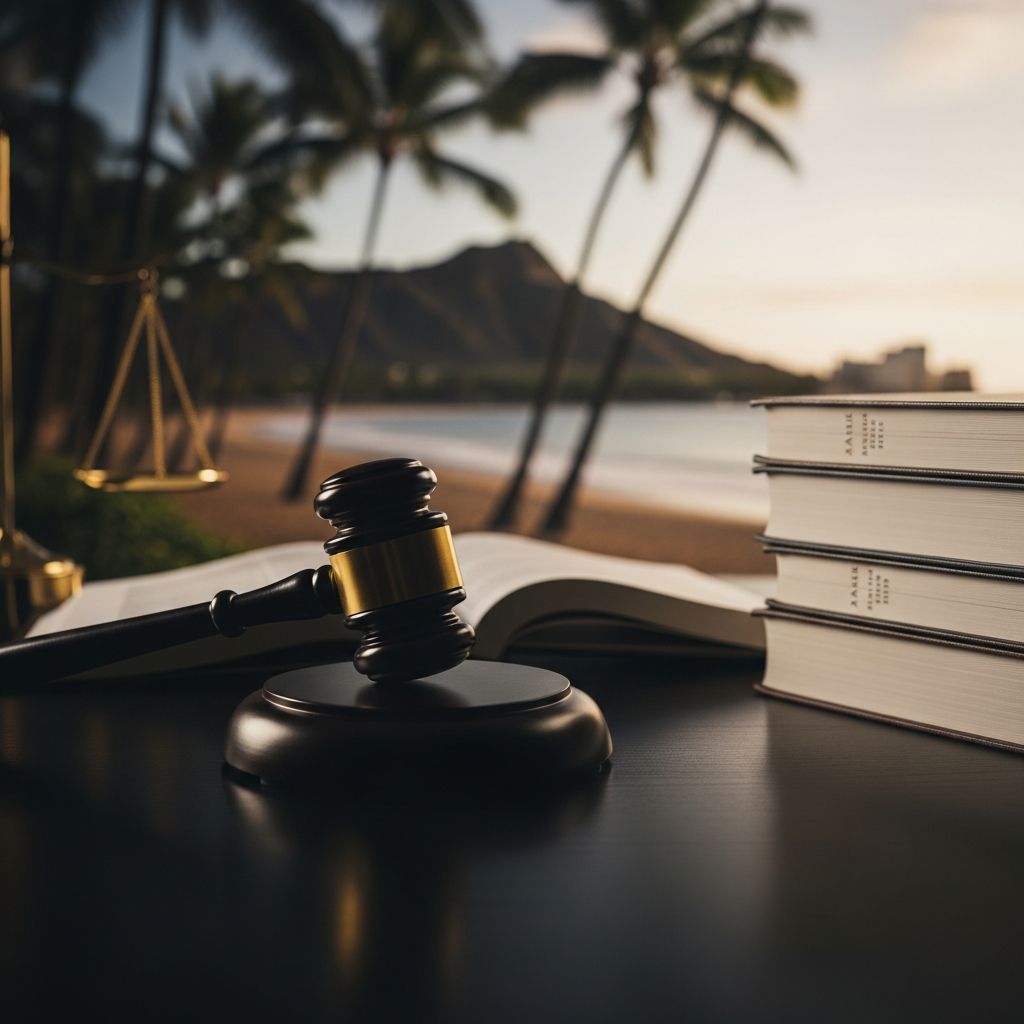
Hawaii is one of the most restrictive U.S. jurisdictions when it comes to gambling. The state broadly criminalizes betting and wagering, with only a narrow exception for truly social gambling, and it offers none of the commercial gambling options found in most other states.
This guide explains how Hawaii defines gambling, what kinds of activities are prohibited, what penalties apply, and what limited forms of play are allowed under current law. It is intended for informational purposes and does not constitute legal advice.
1. Why Hawaii’s Gambling Laws Are So Strict
Hawaii and Utah are the only two U.S. states that have no legal form of commercial gambling—no casinos, no lottery, and no state-regulated sportsbooks. This policy is rooted in:
- Historical hostility toward gambling from territorial days, when broad bans covered lotteries, betting on sports, and games of chance.
- Public policy concerns about problem gambling, consumer protection, and the impact of casinos on a tourism-driven, family-oriented economy.
- A longstanding legislative stance that gambling should be prohibited in virtually all forms, except limited social play among friends.
Modern statutes in the Hawaii Revised Statutes (HRS), especially Chapter 712 (Offenses Against Public Health and Morals), continue this restrictive approach while focusing the harshest penalties on professional gambling operations.
2. Core Legal Definitions: What Counts as Gambling?
To understand Hawaii gambling law, it is essential to know how the law distinguishes between gambling, promoting gambling, and social gambling. These terms appear in Part III of Hawaii’s Penal Code and related commentary.
2.1 Basic “Gambling” Offense
Under Hawaii Revised Statutes § 712-1223, a person commits the offense of gambling if they knowingly advance or participate in any gambling activity.
Key elements include:
- Advancing gambling – helping to organize, finance, or facilitate gambling activity (for example, arranging players, collecting bets, or providing a location for wagering).
- Participating in gambling – playing or betting as a bettor or contestant in games of chance or betting schemes for money or other value.
This offense applies to players as well as low-level organizers and is generally treated as a misdemeanor unless conduct rises to the level of promoting gambling in the first or second degree.
2.2 Promoting Gambling: Targeting Professional Operations
Hawaii law creates separate, more serious crimes aimed at professional gambling promoters who run or profit from organized betting schemes.
| Offense | Typical Conduct | Felony Class |
|---|---|---|
| Promoting Gambling in the First Degree (HRS § 712-1221) | Large-scale bookmaking or lottery-type schemes, such as taking multiple sports bets in a day or handling large daily volumes of wagers. | Class B felony after 2022 amendments. |
| Promoting Gambling in the Second Degree (HRS § 712-1222) | Operating or profiting from gambling businesses below the first-degree thresholds. | Class C felony after 2022 amendments. |
These laws focus on those who profit from or manage gambling enterprises, rather than casual participants.
2.3 Gambling on Ships
In response to so-called “junket” gambling cruises, Hawaii adopted HRS § 712-1222.5, which prohibits promoting gambling aboard ships that operate in state waters. Lawmakers concluded that intrastate gambling cruises would undermine the state’s family-oriented tourism brand and increase social costs linked to gambling.
3. Activities Generally Illegal Under Hawaii Law
The combined effect of Hawaii statutes is a near-total ban on organized or commercial gambling. Examples of typically illegal activities include:
- Operating or playing in casino-style games (e.g., roulette, blackjack, craps, slot machines) for money or anything of value, regardless of location.
- Sports betting, including wagers on professional or amateur sports, whether through a bookmaker, online platform, or informal betting pool.
- Lotteries and number games not authorized by law, including private raffles that involve payment for a chance to win.
- Bookmaking and pool selling, including accepting or recording multiple bets, or handling a betting pool as an organizer.
- Operating gambling houses or rooms, such as maintaining a location primarily for betting or games of chance.
- Allowing premises to be used for gambling in a way that advances or promotes illegal gambling.
Even casual wagers can be unlawful if they fall outside the specific social gambling exception.
4. Social Gambling: The Narrow Legal Exception
Although Hawaii takes a tough stance, the legislature recognized that not every informal wager should be criminal. Lawmakers therefore carved out a limited allowance for social gambling, while still making clear that gambling is otherwise prohibited “in all its aspects.”
4.1 Basic Features of Lawful Social Gambling
While the exact statutory language appears in HRS § 712-1231, the official commentary and related materials outline the intent: to exempt non-commercial, private play among participants who are on relatively equal footing and not being exploited.
Characteristics of generally allowable social gambling include:
- Private setting – games occur in a private environment (such as a home) rather than in public or commercial locations.
- Equal participants – all players compete on equal terms; no one acts as a house or charges fees, rake, or commissions.
- No outside promoter – the game is not organized or run by a third party for profit.
- No business involvement – the play is not taking place on behalf of a business, club, or organization to generate revenue.
If a game strays from these features, it may lose the protection of the social gambling exception and become a criminal offense.
4.2 Where Social Gambling Cannot Occur
Hawaii law and enforcement practice strongly discourage even low-stakes bets in public or commercial settings. Guidance summarizing state rules explains that even a small private bet becomes unlawful when made in certain locations, such as:
- Hotels, motels, and similar lodging businesses
- Bars, nightclubs, lounges, and restaurants
- Massage parlors and billiard or pool halls
- Retail shops or any general business establishment
- Public parks, beaches, school grounds, and church property
- Public buildings or other public areas
Because of these restrictions, truly lawful social gambling in Hawaii is typically limited to private, non-commercial settings where no one is taking a cut or running a gambling business.
5. Criminal Penalties and Consequences
Hawaii’s gambling laws separate penalties based on the scale and nature of the conduct. Players and low-level participants face lesser sanctions, while organizers or professional promoters face felony liability.
5.1 Misdemeanor Gambling
The basic offense of gambling under HRS § 712-1223 is classified as a misdemeanor. That status reflects the legislature’s view that casual participation is less serious than running an illegal enterprise. While specific sentencing can vary, misdemeanor convictions in Hawaii can involve:
- Possible jail time
- Monetary fines
- Criminal record entries that may affect employment and licensing
Even without incarceration, a gambling conviction can have significant collateral consequences.
5.2 Felony Promoting Gambling
Promoting gambling in the first and second degree targets those who exploit gambling activity for profit. In 2022, Hawaii increased the severity of these offenses:
- First degree – elevated to a Class B felony, with the mental state of recklessness replacing higher intent requirements.
- Second degree – elevated to a Class C felony, with negligence as the requisite state of mind.
The legislative commentary notes that these changes aim to strengthen law enforcement tools against professional bookmakers and large-scale operators. Felony convictions can carry substantial prison terms and fines under Hawaii’s general sentencing provisions, along with long-term impacts on civil rights and employment.
5.3 Forfeiture and Related Sanctions
Historically, Hawaii law has authorized the forfeiture of money and property tied to illegal gambling activities. In territorial statutes, courts could order forfeiture of funds used as stakes or prizes in illegal games. Modern practice continues to allow seizure of gambling proceeds and paraphernalia in appropriate cases, although the details are now governed by current forfeiture statutes and case law.
6. Online Gambling, Sports Betting, and the Lottery
In many states, online betting and state lotteries provide legal outlets for gambling. Hawaii has chosen a different path.
6.1 Online Casinos and Sportsbooks
Hawaii does not license or regulate online casinos or sports betting platforms, and statewide summaries confirm that all commercial sports betting remains illegal. Placing online bets with offshore operators does not make the activity lawful under Hawaii law; participants can still be treated as engaging in illegal gambling.
6.2 Daily Fantasy Sports and Skill-Based Apps
Some states classify daily fantasy sports and similar contests as games of skill rather than gambling. Hawaii has not enacted a comparable exemption. Policy reviews note that fantasy sports for money are not authorized and are effectively treated as prohibited forms of wagering.
6.3 State Lottery and Charitable Gaming
Unlike nearly every other U.S. jurisdiction, Hawaii has:
- No state-run lottery for residents or tourists.
- No legally authorized commercial casinos or racetrack betting facilities.
- A very limited environment for charitable games, which must comply with general anti-gambling provisions unless specifically authorized by separate statutes.
As a result, Hawaii residents who wish to participate in legal lotteries or casinos must generally travel to other states or jurisdictions where such activities are permitted.
7. Recent Legislative Efforts and Policy Debates
Despite the state’s traditional opposition, lawmakers periodically consider expanding or modifying gambling laws. Legislative proposals reflect competing views about revenue generation, public health, and cultural values.
7.1 Studies on Limited Casino Gaming
In 2022, a Hawaii House bill (HB1962) proposed requiring the Department of Hawaiian Home Lands to study the feasibility and revenue potential of limited casino gaming. The bill directed the department to:
- Evaluate revenue that a restricted casino might generate for state programs
- Analyze potential public health and safety risks from expanded gambling
- Report findings and recommendations to the legislature
The fact that such a study was considered illustrates ongoing debate about whether carefully controlled gambling could help address fiscal needs or social priorities.
7.2 2024 Sports Betting and Casino Bills
In 2024, several bills sought to introduce tightly regulated gambling opportunities:
- House Bill 2762 – would have authorized a single casino resort on Oahu and created a state gaming commission with taxes directed into a gaming fund.
- House Bill 2765 – proposed licensing online sports betting operators and suppliers, placing them under the Department of Business, Economic Development, and Tourism, and establishing a special fund for sports wagering tax revenue.
- Senate Bill 3376 – would have granted a 10-year license to one entity to operate online poker and sports betting, overseen by a new Gaming Control Commission and paired with compulsive gambling assistance programs.
Despite these efforts, none of these measures advanced to enactment, leaving Hawaii’s fundamental prohibition on commercial gambling unchanged.
8. Practical Tips for Residents and Visitors
Given Hawaii’s strict framework, anyone in the state should proceed with caution around any activity involving bets or prizes.
- Assume most gambling is illegal unless clearly falling within the social gambling exception in a private, non-commercial setting.
- Avoid organizing games where you collect a fee, rake, or commission, as this can shift conduct into promoting gambling.
- Do not rely on offshore or online operators as a shield; placing bets from Hawaii can still expose you to liability.
- Be cautious with raffles and fundraisers; charging for a chance to win a prize can trigger lottery prohibitions unless specifically authorized.
- Seek legal counsel for any planned gaming-related activity to ensure compliance with state law.
Frequently Asked Questions (FAQs)
Q1: Is any form of casino gambling legal in Hawaii?
No. Hawaii does not authorize commercial casinos of any kind. Bills proposing a single resort casino have been introduced but have not become law.
Q2: Can I legally bet on sports while in Hawaii?
No. State law prohibits sports betting, including wagers placed online with operators located outside Hawaii. Legislative proposals to legalize sports betting have not passed.
Q3: Are friendly poker games at home allowed?
Home poker games may fit within the social gambling exception if they are genuinely private, non-commercial, and all players compete on equal terms without a house fee or rake. If any person profits from organizing or hosting, the game may become illegal.
Q4: Does Hawaii have a state lottery or scratch tickets?
No. Hawaii does not operate a lottery and does not permit sale of lottery or scratch-off tickets within the state.
Q5: What are the risks of organizing a betting pool or fantasy league for money?
Acting as the organizer or bookkeeper for a betting pool, or running a paid fantasy league, can expose you to charges of promoting gambling, which may be a felony depending on scale and circumstances.
References
- Hawaii Revised Statutes § 712-1223 (Gambling) and Commentary — State of Hawaii / Justia Law. 2024-01-01. https://law.justia.com/codes/hawaii/title-37/chapter-712/section-712-1223/
- Hawaii Sports Betting – Latest Legalization Updates — Gaming Today. 2024-02-09. https://www.gamingtoday.com/hawaii/
- Gambling in Territorial Hawaii — Robert M. Jarvis, Arizona Law Review. 2002-01-01. https://scholarship.law.upenn.edu/cgi/viewcontent.cgi?article=1101&context=alr
- Hawaii 2022 HB1962 (Introduced) – Limited Casino Gaming Study — Hawaii State Legislature / LegiScan. 2022-01-24. https://legiscan.com/HI/text/HB1962/id/2497030
- Sports Betting in Hawaii: Latest Legalization News — Birches Health. 2024-05-10. https://bircheshealth.com/resources/hawaii-sports-betting-legalization
Similar Articles








Read full bio of medha deb


