
Handling Neighbor Property Conflicts Effectively
Master practical steps and legal strategies to resolve neighbor disputes over property use, boundaries, and nuisances without escalation.
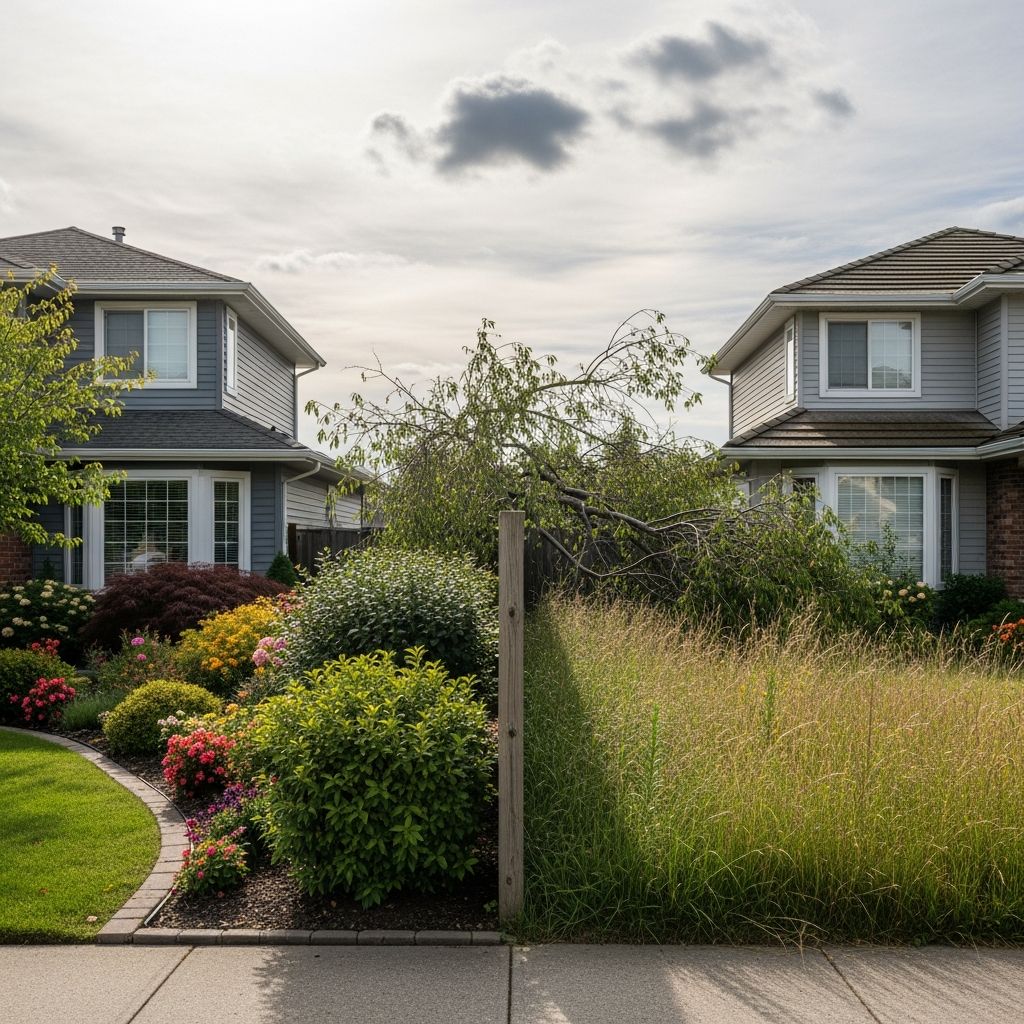
Property disputes with neighbors are common in residential areas, often stemming from shared boundaries, differing uses of land, or unintended encroachments. These conflicts can range from minor annoyances like overhanging branches to serious issues like structural invasions or excessive noise that disrupt daily life. Addressing them promptly using structured approaches helps preserve relationships and protect property rights.
Understanding Common Sources of Neighbor Tensions
Conflicts frequently arise when one property owner’s actions interfere with another’s enjoyment of their land. Key triggers include boundary disagreements, where fences or structures cross lines; tree-related problems, such as roots damaging foundations or limbs blocking views; drainage issues causing flooding; and noise or activity nuisances that prevent reasonable use. In dense urban settings or condominiums, these problems intensify due to proximity.
Recognizing the root cause is essential. For instance, a neighbor’s new deck might encroach by inches, but without a survey, assumptions lead to escalation. Homeowners associations (HOAs) in planned communities often have rules governing these matters, providing an initial layer of regulation.
Initial Steps: Friendly Communication and Documentation
Start with direct, calm dialogue. Approach your neighbor politely, expressing concerns without accusation. Share specific examples, like “The branches from your tree are dropping debris onto my patio,” and propose solutions such as joint trimming. Many disputes resolve here through mutual understanding.
Document everything meticulously from day one. Take dated photos or videos of the issue, note times of disturbances, and keep records of conversations, including emails or texts. This evidence proves invaluable if matters progress. If renting, notify your landlord in writing, as they may intervene under lease covenants for quiet enjoyment.
- Prepare a property survey or deed copy to clarify boundaries.
- Schedule a casual meeting, perhaps over coffee, to discuss.
- Avoid confrontational language to keep doors open for cooperation.
Escalating to Formal Notices and Professional Surveys
If talks fail, send a formal demand letter. Outline the problem, reference relevant local laws or HOA rules, demand cessation within a reasonable timeframe (e.g., 14 days), and warn of further action. Having an attorney draft this adds weight, signaling seriousness without immediate litigation.
For boundary concerns, hire a licensed surveyor. Their report can confirm encroachments, providing objective data. In cases of tree disputes, arborist assessments determine if roots or branches pose hazards, supporting claims for trimming or removal at the offending owner’s expense.
| Issue Type | Recommended Professional | Potential Outcome |
|---|---|---|
| Boundary Dispute | Land Surveyor | Legal boundary map |
| Tree Damage | Certified Arborist | Hazard assessment report |
| Drainage Flooding | Civil Engineer | Grading solution plan |
| Fence Issues | Contractor/Surveyor | Repair or relocation estimate |
Non-Litigation Resolutions: Mediation and Agreements
Mediation offers a neutral ground. A trained mediator facilitates discussion, helping parties brainstorm compromises like shared fence costs or easement licenses for minor overlaps. It’s voluntary, cost-effective, and preserves privacy, with high success rates in neighbor cases. Courts or community services often provide free or low-cost options.
Formalize agreements in writing, ideally as recorded covenants that bind future owners. These might stipulate maintenance responsibilities or usage restrictions, enforceable like deeds. In condos, invoke CC&Rs through the HOA for nuisance abatement. Licensing agreements allow temporary encroachments without ownership transfer, ideal for small intrusions.
Local Authorities and Regulatory Interventions
Report violations to municipal agencies. Zoning boards handle setback breaches, building departments address unpermitted structures, and health departments tackle sanitation nuisances. Police can respond to ongoing disturbances under noise ordinances. Document prior self-help attempts to strengthen your case.
Outcomes include citations, fines, or orders to comply, pressuring resolution without personal lawsuits. For example, a spite fence—built maliciously to annoy—may violate local codes, prompting removal.
Court Options: From Small Claims to Full Litigation
When alternatives fail, legal action becomes necessary. Small claims court suits nuisances or minor damages, offering quick hearings without attorneys. Seek monetary compensation for losses like reduced property value or repair costs, or injunctions to halt behavior. California Civil Code § 3501 supports nuisance claims for interferences with property enjoyment.
For complex cases like encroachments or easements, superior court filings seek injunctions, quiet title actions (to affirm boundaries), or ejectment. Damages may cover lost rents, diminished value, or punitive awards in egregious scenarios. Groups of affected neighbors can join forces for stronger claims.
Prescriptive easements—gained through long-term open use—complicate matters; courts evaluate abandonment or misuse. Attorney involvement ensures proper claims, from trespass to negligence.
Special Considerations for Trees, Fences, and Water Flow
Managing Tree Conflicts
Overhanging branches can be trimmed to the property line by the affected owner, but notify first to avoid disputes. Roots causing damage shift responsibility to the tree owner for abatement. Local ordinances may regulate protected species.
Fence and Boundary Resolutions
Shared fences require cost-sharing; unilateral changes invite claims. Adverse possession claims arise from unchallenged long-term occupation, necessitating prompt response.
Water Drainage Disputes
Upper properties can’t alter flow to flood lowers unreasonably. Engineers assess natural drainage patterns for remedies like swales.
Preventive Measures for Long-Term Harmony
Proactive steps minimize risks: Review title reports and surveys at purchase, install clear boundary markers, and foster community ties through block events. HOAs should enforce rules consistently. Title insurance may cover boundary litigation.
For new constructions, notify neighbors and comply with setbacks. Record mutual agreements early to bind successors.
Frequently Asked Questions
Can I remove my neighbor’s tree branches hanging over my fence?
Yes, you may trim them to the boundary line at your expense, but avoid killing the tree. Consult local laws first.
What if my neighbor’s structure encroaches on my land?
Obtain a survey, send a demand letter, and pursue injunction or removal via court if needed.
Is mediation free for neighbor disputes?
Many communities offer free services; private mediators charge $100–300/hour, split between parties.
How long do I have to sue for a nuisance?
Statutes vary; typically 3 years from discovery in California.
Can HOAs force neighbors to comply?
Yes, via CC&Rs enforcement, including fines or lawsuits.
References
- Litigation, Resolution, and Settlement of Disputes with Adjoining Neighbors — Wolff Law. 2023. https://www.wolfflaw.com/litigation-resolution-and-settlement-of-disputes-with-adjoining.html
- Neighbor Disputes Fact Sheet — Disability Rights California. 2024-01-15. https://www.disabilityrightsca.org/publications/neighbor-disputes-fact-sheet
- Meeting Neighbors and Resolving Property Disputes — Justia. 2025-02-01. https://www.justia.com/real-estate/home-ownership/owning-a-home/meeting-neighbors-and-resolving-disputes/
- Strategies for Resolving Property Line Disputes — Estavillo Law Group. 2024-06-10. https://estavillolaw.com/strategies-for-resolving-property-line-disputes/
- Neighbor Disputes — LawInfo. 2024. https://www.lawinfo.com/resources/real-estate/neighbor-disputes/
Similar Articles








Read full bio of medha deb


