
Handling Hateful Correspondence: When to Alert Authorities
Learn to identify threatening hate mail, understand legal protections, and know precisely when to contact police or federal agencies for safety.
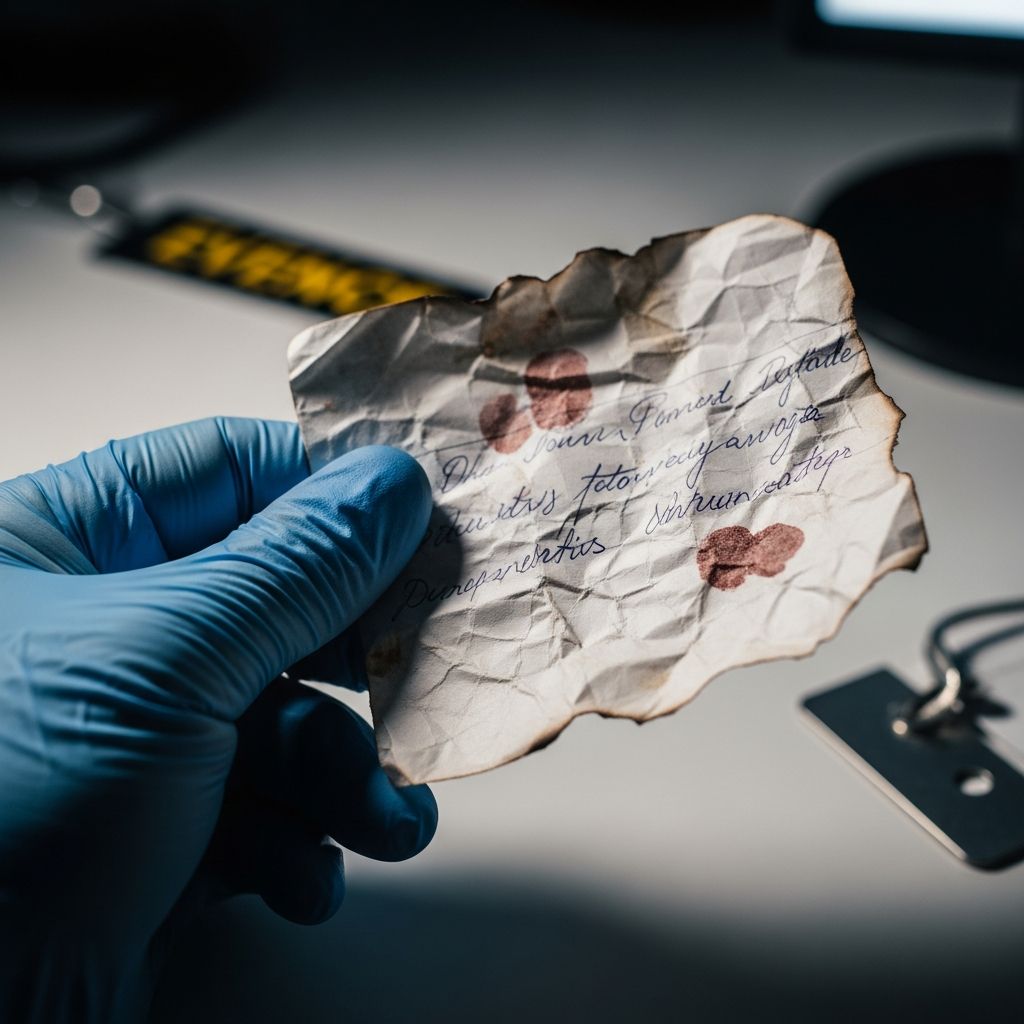
Receiving mail filled with vitriol targeting your race, religion, gender, or other protected traits can evoke deep distress and fear. While offensive language often falls under free speech protections, certain communications escalate to criminal levels, necessitating immediate law enforcement action. This article delves into discerning actionable threats from mere insults, reporting protocols, and available remedies to safeguard individuals and communities.
Defining Hate Mail and Its Legal Boundaries
Hate mail encompasses letters, postcards, or packages conveying animosity based on bias against characteristics like ethnicity, sexual orientation, or disability. Not all such mail qualifies as illegal; the U.S. Constitution’s First Amendment shields most offensive expression, even if deeply hurtful. Courts have consistently ruled that hate speech remains protected unless it meets narrow exceptions, such as inciting imminent violence or posing a ‘true threat’.
A true threat involves statements where the speaker intends to communicate a serious expression of intent to harm or intimidate, reasonably perceived as such by the recipient. For instance, generic rants like ‘I hate your kind’ typically do not suffice, but declarations such as ‘I’m coming to your home tonight to settle this’ do, potentially violating federal statutes on mailing threats.
- Protected hate speech: Offensive opinions on public matters, like protests decrying group policies, as upheld in Snyder v. Phelps.
- Criminal hate mail: Communications with specific threats of violence, property damage, or extortion.
Federal law under 18 U.S.C. § 876 prohibits mailing threatening communications, punishable by up to five years in prison. When bias motivates the threat, it may qualify as a hate crime, enhancing penalties.
Indicators That Demand Police Intervention
Evaluate incoming mail by these red flags to determine if it warrants reporting:
- Explicit threats: Promises of physical harm, assault, or death, e.g., ‘You’ll pay with your life for being [protected trait].’
- Implied dangers: Vague but menacing warnings paired with details like your address or family names.
- Harassment patterns: Repeated deliveries creating a hostile environment, potentially rising to stalking.
- Accompaniments: Enclosures like weapons, hazardous substances, or obscene images amplifying intimidation.
- Hate crime markers: Language invoking bias against federally protected classes (race, color, religion, national origin, sexual orientation, gender, gender identity, or disability).
If the mail disrupts your daily life—causing you to alter routines out of fear—it may constitute criminal intimidation. Document everything: photograph envelopes (postmarks aid tracing), retain originals untouched for fingerprints, and log dates, contents, and emotional impact.
| Scenario | Protected Speech? | Action Required |
|---|---|---|
| Anonymous letter with slurs but no threats | Yes | Save for records; monitor for escalation |
| Letter stating ‘I’ll burn your house down’ | No | Call police immediately |
| Multiple letters referencing victim’s identity and location | Potentially criminal harassment | Report to local police and USPS |
| Mail with white powder or bullets | Federal crime | Do not touch; contact authorities |
Step-by-Step Reporting Process
Swift reporting deters perpetrators and aids investigations. Start locally, then escalate federally.
- Contact local police: Non-emergency line for initial assessment. Provide all evidence; request a report number.
- Notify U.S. Postal Inspection Service (USPIS): For mailed threats, call 1-877-876-2455. They specialize in postal crimes and preserve chain of custody.
- Report to FBI: Use tips.fbi.gov or 1-800-CALL-FBI if hate-motivated. The FBI tracks national patterns.
- U.S. Department of Justice (DOJ): Civil Rights Division for bias crimes via their portal.
Hotlines offer anonymous options: CA vs. Hate provides multilingual support for non-criminal hate acts, connecting to counseling. Nationwide, VictimConnect Resource Center assists.
Distinguishing Speech Protections from Criminal Acts
The First Amendment’s robustness means only a sliver of hate mail triggers prosecution. Landmark cases clarify:
- Brandenburg v. Ohio: Speech inciting ‘imminent lawless action’ is unprotected.
- Chaplinsky v. New Hampshire: ‘Fighting words’ likely to provoke violence.
- Wisconsin v. Mitchell: Bias-motivated conduct (not speech) enhances penalties.
Hate crimes involve criminal acts—like assault or vandalism—driven by prejudice, distinct from pure speech. Victims can pursue civil suits for damages in many states.
Preserving Evidence and Ensuring Safety
Treat suspicious mail as a crime scene:
- Handle minimally; wear gloves if possible.
- Photograph from multiple angles, including backside.
- Seal in plastic for transport to authorities.
- Record metadata: timestamps, delivery method.
Enhance personal security: Install cameras, inform neighbors, vary routines. Community organizations offer relocation aid.
Civil Remedies and Victim Support
Beyond criminal charges, options abound:
- Civil lawsuits: Sue for emotional distress, injunctions against sender.
- Penalty enhancements: Up to 10 years for hate-motivated assault.
- Support networks: DOJ referrals, local civil rights units.
Consult a civil rights attorney to pressure reluctant police and explore compensation.
Frequently Asked Questions (FAQs)
What if the hate mail is anonymous?
Postmarks, handwriting, or forensics can trace senders. Report anyway—patterns emerge across victims.
Is hate speech ever illegal?
Rarely; only if it constitutes true threats or incitement.
How soon must I report threatening mail?
Immediately for safety; preserve evidence first.
Can I get a restraining order?
Yes, if harassment is proven; seek court via attorney.
What about digital hate, like emails?
Report to platform and police if threatening; akin to mail threats.
Community Role in Combating Hate
Reporting signals intolerance for bias. Witnesses bolster cases; bystander intervention prevents escalation. Schools and workplaces have policies amplifying federal protections.
In summary, while free speech tolerates abhorrence, credible threats demand action. Empower yourself with knowledge to protect rights and pursue justice.
References
- How To Recognize and Report Hate Crimes — Super Lawyers. 2023. https://www.superlawyers.com/resources/civil-rights/how-to-recognize-and-report-hate-crimes/
- Is Hate Speech Illegal? Exploring U.S. Laws and Protections — Allen Harris Law. 2024. https://www.allenharrislaw.com/is-hate-speech-illegal-exploring-u-s-laws-and-protections/
- Encouraging Reporting and Supporting Victims of Hate Crimes and … — U.S. Department of Justice. 2023-10-01. https://www.justice.gov/hatecrimes/spotlight/hate-crime-hotlines
- Threatening Letters and Cyberbullying — United States Postal Inspection Service. 2024. https://www.uspis.gov/news/scam-article/threatening-letters-and-cyberbullying
- Hate Speech and Hate Crime — American Library Association. 2023. https://www.ala.org/advocacy/intfreedom/hate
- Bias and Hate Motivated Crimes — Boulder County District Attorney. 2024. https://bouldercounty.gov/district-attorney/bias-and-hate-motivated-crimes/
Similar Articles








Read full bio of Sneha Tete


