Paper checks are less common than they used to be, but they are still widely used for rent, services, small businesses, and personal payments. When a check is returned unpaid, it can trigger bank fees, damaged relationships, and even criminal investigations in serious cases. Understanding what a bounced check is, why it happens, and how to respond can help you protect your finances and enforce your rights safely.
What Is a Bounced Check?
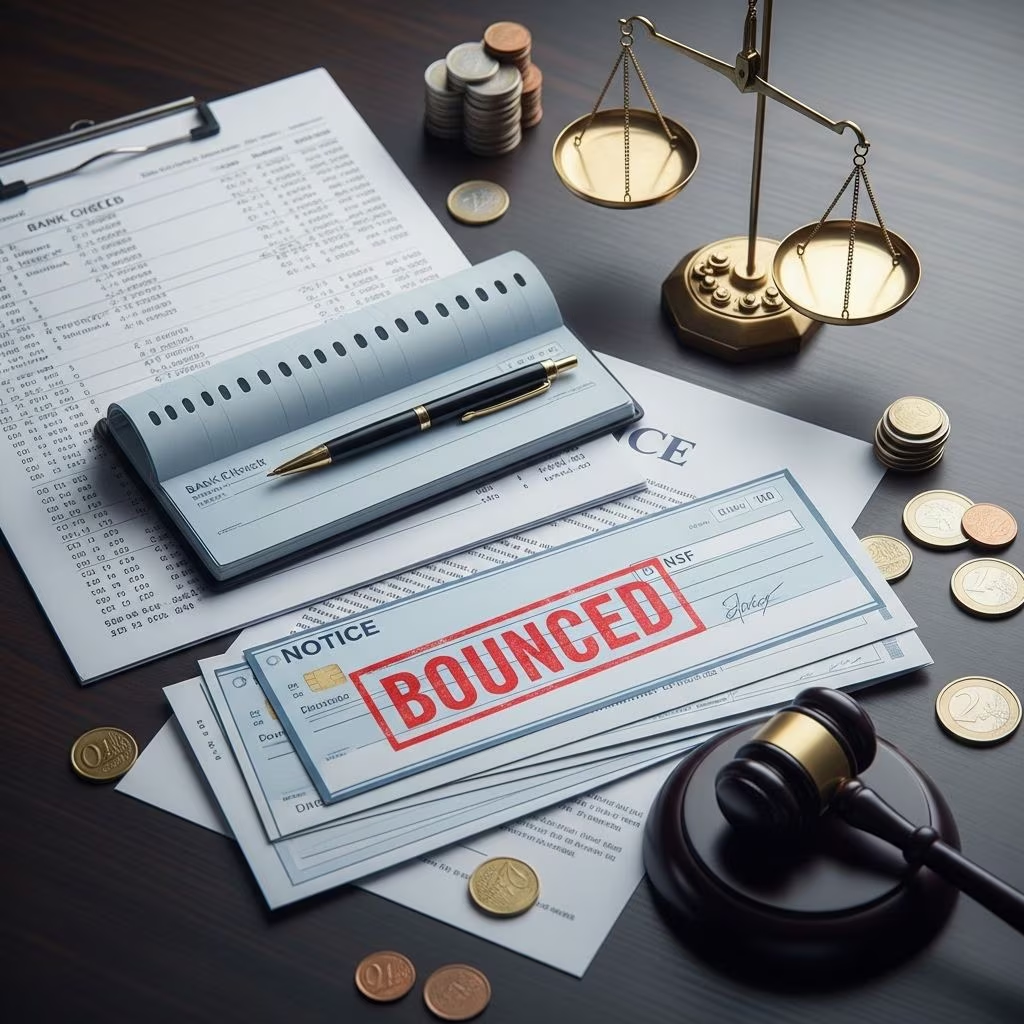
A bounced check is a check that a bank refuses to pay and returns unpaid, usually because there is not enough money in the writer’s account or the account is invalid. Banks call this a returned check or non-sufficient funds (NSF) item.
| Term | What It Means |
|---|---|
| NSF (Non-Sufficient Funds) | The account does not have enough money to cover the amount of the check at the time it is processed. |
| Overdraft | The bank pays the check even though the account balance goes below zero, often charging an overdraft fee. |
| Returned Item | The bank sends the check back unpaid to the bank of the person who deposited it. |
| Stop Payment | The writer instructs their bank not to honor a check they previously issued, for example in a dispute or suspected fraud. |
Not every returned check involves wrongdoing. A one-time mistake or timing problem is different from a pattern of knowingly writing checks on an empty or closed account, which may be treated as fraud or theft under state law.
Common Reasons Checks Bounce
Checks can bounce for a variety of practical and legal reasons. Knowing the cause helps you choose the right response.
- Insufficient funds: The most common cause is that the check writer did not have enough money in their account when the check was presented for payment.
- Closed or invalid account: The account may have been closed before the check was written, or it may never have existed. This often raises fraud concerns.
- Stop-payment order: The writer placed a stop-payment request, sometimes because of a dispute over the transaction or suspected loss or theft of the check.
- Technical errors: Missing signatures, altered amounts, or image-processing problems with mobile deposits can also result in returned checks.
- Post-dated checks deposited early: A check dated in the future that is cashed early can be denied if the bank follows its policies on post-dated items.
From a legal perspective, the writer’s intent matters for criminal charges. An honest mistake is usually a civil or banking issue, while deliberately issuing a check that the writer knows will not be paid can be prosecuted as check fraud or theft in many states.
Consequences for the Person Who Wrote the Check
If your check bounces, there may be immediate financial costs and, in some circumstances, legal risks.
Bank and Merchant Fees
Banks typically charge a fee for each returned check. Many institutions impose non-sufficient funds (NSF) or overdraft fees that can range from around $10 to $35 per item, depending on account terms. The business or person you paid may also charge their own returned-check fee, often disclosed in their contract or posted policy.
- You may pay an NSF or overdraft fee to your bank.
- The payee may charge a separate returned-check fee.
- Multiple bounced checks can trigger several fees in a short time.
Account and Credit Impacts
Repeated overdrafts and unpaid negative balances can lead to additional problems beyond the initial fees.
- Account closure: Banks may close checking accounts for repeated or severe overdraft activity.
- Reporting to check databases: Many institutions report serious or repeated bounced checks to specialty consumer reporting agencies that track deposit-account misuse, which can make opening new accounts difficult.
- Collections: If you do not repay a negative balance, the bank or merchant may send the debt to a collection agency, which can affect your credit record.
Potential Civil Liability
Even if criminal charges are not involved, the person who received the bad check can often sue in civil court for the amount of the check and, in some states, additional penalties set by statute. State laws sometimes allow recovery of extra damages or statutory fees when someone issues a bad check and fails to pay within a specified time after written notice.
Criminal Exposure for Serious or Intentional Misconduct
State laws differ, but many treat knowingly writing a check that will not be honored as a crime, commonly classified as theft, fraud, or issuing a bad check.
- Intent requirement: Prosecutors typically must show that the writer knew or should have known the check would not be paid, for example by writing on a closed account or ignoring notice of earlier returned checks.
- Misdemeanor vs. felony: The level of the charge often depends on the amount of the check and sometimes on prior offenses. High-dollar checks or repeated conduct can lead to felony charges, which may carry substantial fines or even imprisonment.
- Long-term impact: A conviction for financial fraud or bad checks can affect employment opportunities, professional licensing, and housing, because many background checks highlight such convictions.
Because each state defines and grades these offenses differently, it is important to consult a local attorney or public defender if you face criminal investigation or charges.
Consequences for the Person Who Received the Check
If you are the payee and a check is returned unpaid, you are not powerless. You have several potential avenues to recover what you are owed and to limit your own losses.
Immediate Financial Effects
- Your bank may reverse the deposit and debit your account for the check amount.
- You may be charged a returned item fee because the check you deposited was not honored.
- If you already spent the money, the reversal could accidentally push your account into overdraft, causing additional fees.
Options to Recover Your Money
Available remedies depend on your state’s law, the amount involved, and whether there are signs of intentional fraud.
- Informal resolution: For small or first-time problems, many people start by contacting the check writer directly, explaining that the check was returned, and requesting immediate payment via cash, cashier’s check, money order, or verified electronic transfer.
- Statutory demand letters: Some states require the payee to send a written notice giving the check writer a limited number of days to pay before filing a criminal complaint or civil action.
- Civil suit: If informal efforts fail, you can often file a claim in small claims or another court to seek the amount of the check, plus allowable costs or statutory damages.
- Criminal complaint: When the circumstances meet your state’s criteria—such as immediate exchange of goods for a check that is later returned for insufficient funds—you may ask a prosecutor or court commissioner whether criminal charges are available.
In many jurisdictions, a bounced check connected to an existing debt—such as rent or a car payment—may be treated only as a civil matter, while checks given in direct exchange for goods or services are more likely to fall under criminal bad-check statutes.
Step-by-Step Actions If You Wrote a Check That Bounced
If you discover that a check you wrote has bounced, moving quickly can limit financial and legal harm.
- Review your account activity
Log in to your bank or credit union account, confirm the current balance, and identify any other pending checks or automatic payments that could cause more overdrafts. - Contact the payee promptly
Reach out to the person or business you paid, acknowledge that the check was returned, and explain how and when you plan to correct the problem. Many payees are more willing to work with you if you are proactive and transparent. - Speak with your bank
Ask about the specific reason the check was returned and any associated fees. Some banks may waive or reduce fees for first-time or clearly accidental overdrafts, especially if you promptly deposit funds. - Make the payment good in a secure form
Where possible, repay using a method that cannot be reversed for insufficient funds, such as cash, a cashier’s check, or a money order. Avoid sending another personal check for the same amount until you are certain the funds are available. - Monitor your accounts going forward
Set up alerts, keep a written transaction log, or use budgeting tools to reduce the risk of future overdrafts. Consider opting out of certain overdraft programs if they expose you to high fees.
Step-by-Step Actions If You Received a Bounced Check
As a payee, it helps to follow a structured approach that documents your efforts and preserves your options.
- Confirm the reason for return
Check the notice from your bank or the stamp on the original check image. It may indicate NSF, account closed, stop payment, or another code. This can signal whether the issue appears accidental or possibly fraudulent. - Gather documentation
Keep copies of the check, deposit slip, bank return notice, receipts for goods or services you provided, and any written communication with the payer. These documents are important if you later pursue court action. - Contact the check writer
Notify the payer that the check was returned and request immediate payment in a secure form. Be clear and professional, and note the date and content of the conversation. - Send written notice if required
Some states require a formal written demand letter giving the check writer a set number of days to pay before you can seek extra damages or start criminal proceedings. Using certified mail or another trackable method can help prove that notice was sent. - Decide between civil and criminal routes
For most personal and small-business disputes, a civil claim in small claims court is the primary tool to recover money. Criminal complaints are typically reserved for clear cases of fraud or repeated offenses and are handled by prosecutors, not individual payees.
Distinguishing Civil Disputes from Criminal Bad Check Cases
Not every bounced check justifies a criminal case. Courts and prosecutors usually look at two key questions:
- What was the transaction? Was the check exchanged directly for goods or services at the time, or was it written to pay an existing debt such as rent or a loan? Some bad-check statutes only apply to immediate exchanges.
- What does the evidence show about intent? Did the writer close the account before writing the check, ignore repeated bank notices, or fail to pay after receiving a statutory demand letter? Many states create legal presumptions about intent if the writer does not pay within a set time after notice or if the account never existed.
When these factors indicate deliberate deception or a pattern of conduct, prosecutors may file charges that range from misdemeanors to felonies, depending on state law and the amount involved. Where the evidence points to mismanagement or confusion, the issue is often resolved through banking processes or civil courts rather than criminal prosecution.
Practical Strategies to Prevent Bounced Checks
Whether you write checks or accept them, a few practical habits can greatly reduce the risk and cost of returned items.
For Check Writers
- Keep an accurate running balance instead of relying only on online or ATM balances, which may not show pending transactions.
- Use alerts for low balances, large withdrawals, and posted checks to spot problems early.
- Avoid writing checks on expected deposits until the funds have fully cleared your account.
- Consider linking to a backup account or line of credit to cover occasional overdrafts, but weigh any fees or interest carefully.
- Communicate early with landlords, vendors, and others if you foresee difficulty making a payment to avoid surprises and potential legal escalation.
For People and Businesses Accepting Checks
- Verify identities and contact details for new customers paying by check.
- Post or provide a clear check policy, including any returned-check fees and acceptable alternative payment methods.
- Use remote deposit tools carefully and store images or originals securely until you confirm payment.
- Consider limits on check acceptance for high-risk transactions or large amounts, using certified funds or electronic payments instead.
- Maintain organized records so you can quickly assemble evidence if a check is returned and further action becomes necessary.
Frequently Asked Questions (FAQs)
Is it always illegal if a check bounces?
No. A bounced check by itself is not automatically a crime. It becomes a criminal issue when the writer knowingly issues a check that will not be honored, such as on a closed account or after ignoring statutory notices. In many accidental cases, it is handled as a banking or civil matter rather than a criminal one.
Can I go to jail for writing a bad check?
In serious cases, yes. Many states allow misdemeanor or felony charges for intentional bad checks, especially for large amounts or repeated conduct. Penalties can include fines, restitution, and in some instances jail or prison time. However, first-time, low-dollar, clearly accidental overdrafts are usually resolved without criminal prosecution.
What should I do if I receive a notice about a bad check I wrote?
Act quickly. Review your account, contact the payee, and arrange prompt payment in a secure form. Paying within the timeframe given in a statutory demand letter can sometimes prevent additional penalties or legal escalation. If you receive a court summons or criminal complaint, contact an attorney immediately.
How can I recover money from someone who paid me with a bad check?
Start by contacting the payer and requesting payment using cash, a cashier’s check, a money order, or a verified electronic method. If that fails, consider sending a written demand letter and then, if necessary, filing a claim in small claims or another appropriate court. For suspected fraud or patterns of bad checks, you may also report the matter to law enforcement or a prosecutor’s office, subject to your state’s rules.
Will a bounced check affect my credit score?
The bounced check itself usually does not appear as a line item on traditional credit reports. However, if the bank closes your account and sends an unpaid negative balance to collections, or if a court enters a judgment against you, those events may be reported and can harm your credit.
Is a cashier’s check safer than a personal check?
Legitimate cashier’s checks drawn on a functioning, insured bank or credit union are generally considered safer because they are paid from the institution’s funds, not an individual customer’s balance, and therefore should not bounce for insufficient funds. However, counterfeit cashier’s checks are a known fraud risk, so payees should still verify suspicious items.
References
- Bad Checks — Maryland Judiciary. 2023-04-01. https://www.mdcourts.gov/legalhelp/badchecks
- What is a Bounced Check? — JPMorgan Chase Bank, N.A. 2023-07-10. https://www.chase.com/personal/banking/education/basics/what-happens-if-you-bounce-a-check
- What is a Bounced Check? — PNC Bank, N.A. 2022-09-15. https://www.pnc.com/insights/personal-finance/spend/what-is-a-bounced-check.html
- Can I Be Prosecuted for “Bouncing” a Check? — Tanner Law Firm (discussing Pennsylvania law). 2021-05-20. https://www.tanner-law.com/articles/can-i-be-prosecuted-for-bouncing-a-check/
- Prosecuting Bad Checks: A Guide for Financial Institutions — Advanced Fraud Solutions. 2020-11-02. https://advancedfraudsolutions.com/blog/prosecuting-bad-checks-a-guide-for-financial-institutions/
- Bounced Check: The True Costs and What You Can Do — NerdWallet. 2023-03-14. https://www.nerdwallet.com/banking/learn/true-cost-of-a-bounced-check
- Bounced Check: What Happens if a Check Bounces? — SoFi Bank, N.A. 2023-06-05. https://www.sofi.com/learn/content/what-should-i-do-if-a-check-bounces/