
How to Handle Bills for Missing or Unordered Products
Learn how to respond when you are charged for items you never received or products that show up without being ordered.
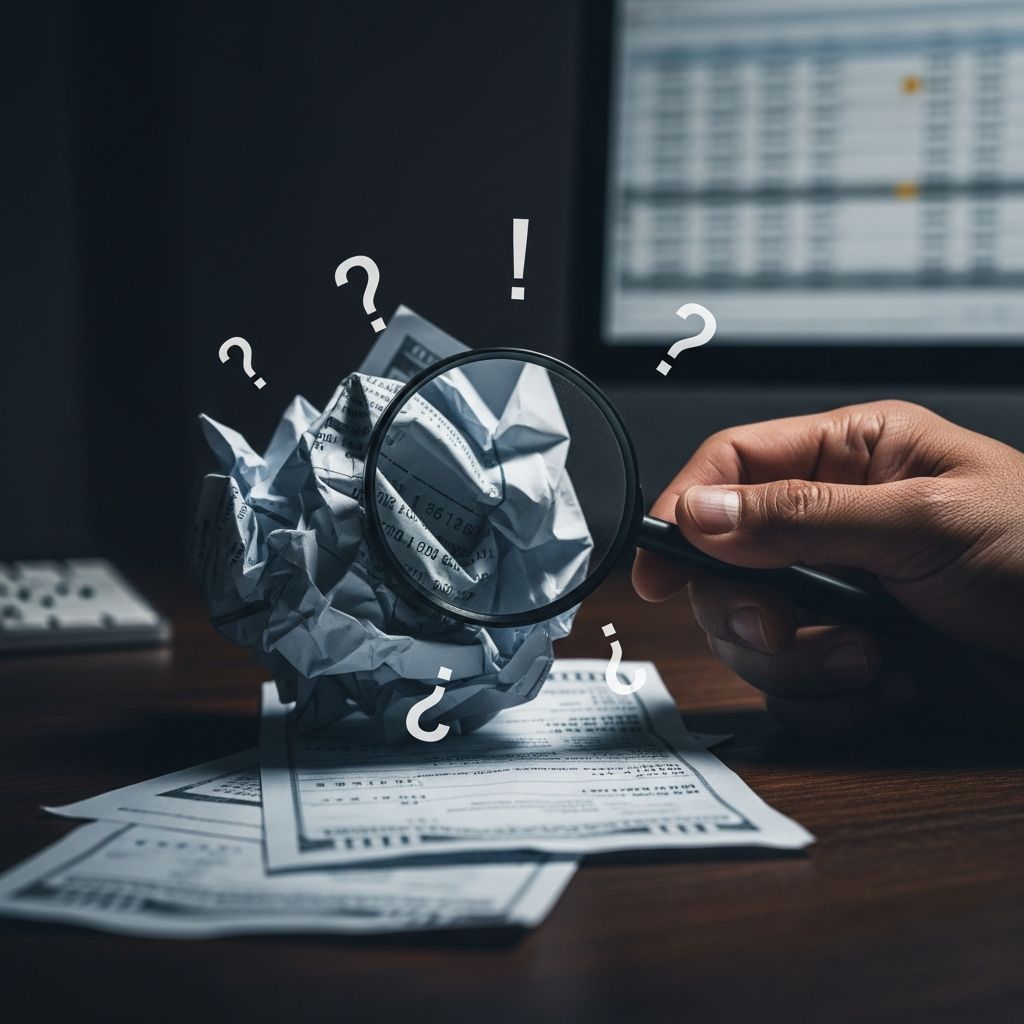
Being billed for something you never received, or finding a package you never ordered on your doorstep, can be confusing and stressful. U.S. consumer protection laws give you specific rights in these situations, especially when you pay by credit card and when items are ordered by mail, online, or by phone. Understanding those rights – and acting quickly – can save you money and frustration.
1. Two Common Problems: Missing Orders vs. Unordered Items
Although they sound similar, there is an important legal difference between an order that never arrives and merchandise that appears without you asking for it.
- Missing order (you were billed, but nothing arrived): You agreed to buy something, but the seller never delivered it as promised, or you refused delivery and still got charged.
- Unordered merchandise (you never agreed to buy it): A company sends you goods you did not request; federal law treats this as a different kind of problem and typically does not require you to pay.
Because different rules may apply, the first step is to decide which situation you are in and then follow the appropriate path.
2. Snapshot of Your Key Legal Protections
Several federal rules work together to protect you when something goes wrong with a purchase:
| Protection | What it Covers | Who It Mainly Helps |
|---|---|---|
| Mail, Internet, or Telephone Order Merchandise Rule | Delivery time promises, delays, and failure to ship orders placed by mail, online, or by phone. | People who shop remotely (including online shoppers). |
| Fair Credit Billing Act (FCBA) | Errors on credit card bills, including charges for items not received, wrong amounts, and some unauthorized charges. | Credit card users disputing billing errors. |
| Unordered Merchandise Rules | Goods mailed to you that you did not order; generally treat them as a gift and you usually do not have to pay. | Anyone who receives products without requesting them. |
3. When You Ordered Something and It Never Showed Up
Most remote purchases – whether made by catalog, website, or over the phone – are covered by the federal rule on mail, internet, or telephone orders. That rule requires clear delivery timing and sets consequences when a seller cannot meet its promises.
3.1 Check the Promised Delivery Date
Start by reviewing:
- Order confirmation emails or receipts
- The seller’s website or catalog listing
- Any written delivery statement given during a phone sale
If no specific date was promised, the merchant usually must ship within a reasonable time, which federal guidance interprets as about 30 days in many cases.
3.2 What Sellers Must Do if They Can’t Ship on Time
If the company cannot ship by the original deadline, federal rules generally require them to:
- Seek your consent to a new shipping date, or
- Cancel the order and promptly refund your payment if you do not agree.
If you never agree to a delay and the seller does not ship on time, you are typically entitled to a refund instead of a charge.
3.3 Steps to Take When the Order is Missing but You See a Charge
If your credit or debit card statement shows a charge but you never received the order – or you rejected the delivery – follow these steps:
- Contact the seller promptly. Ask for tracking details, confirmation that the order shipped, and a written response about whether they will reverse the charge.
- Document everything. Save emails, chat transcripts, and notes of phone calls, including dates and names of representatives.
- Decide whether to dispute the charge. If the business does not fix the problem quickly, use the dispute procedures for your type of payment (credit or debit card).
4. Disputing Credit Card Charges for Items You Never Got
Credit cards offer strong statutory protections under the Fair Credit Billing Act (FCBA) and its regulations. The law treats certain problems as billing errors and sets strict timelines and procedures for raising them.
4.1 What Counts as a Billing Error
Under federal law, a billing error can include:
- A charge for goods or services you did not accept or that were not delivered as agreed
- A charge in the wrong amount or appearing on the wrong date
- Certain unauthorized charges where your card was used without permission
- Other specific errors defined by statute and regulation
Disputes about the quality of what you received usually are not handled as billing errors, although other rights may still apply.
4.2 The 60-Day Deadline You Cannot Ignore
To use the FCBA’s full protections, you generally must:
- Send a written dispute to the address for billing inquiries or disputes,
- Within 60 days of the date your credit card issuer mailed or made available the first statement that contained the error.
Waiting longer may leave you responsible for the charge, even if you never got what you ordered.
4.3 How to Write and Send an Effective Dispute Letter
When challenging a credit card billing error, follow these guidelines based on federal requirements and official guidance:
- Use the specific mailing address listed for disputes or billing inquiries on your statement or card agreement (not the payment address).
- Include your name, address, account number, and the amount you dispute.
- Describe the problem clearly – for example, “Item never received,” “Order canceled but charge remains,” or “Unauthorized charge.”
- Attach copies (not originals) of receipts, order confirmations, and correspondence.
- Send the letter by a traceable method (such as certified mail) and keep a copy for your records.
Some card issuers allow online or phone disputes, but to fully preserve your legal rights under the FCBA, a written letter is strongly recommended.
4.4 What Happens After You Dispute a Credit Card Charge
The FCBA sets clear duties for the card issuer once they receive your written dispute:
- They must acknowledge your letter in writing within about 30 days, unless they have already resolved the issue.
- They must investigate and resolve the dispute within two billing cycles (but not more than 90 days) after receiving your letter.
- They cannot take action that harms your credit standing on the disputed amount while the investigation is ongoing, as long as you meet the law’s conditions.
During the investigation, you typically do not have to pay the disputed portion or finance charges on that part of the bill, but you should pay the amount that is not in dispute.
5. Disputing Debit Card and Other Electronic Payment Problems
Debit card and other electronic payment disputes are handled differently from credit card disputes, and they may not provide the same level of protection or the same timelines. However, federal consumer protection principles still require that charges be authorized and correctly billed.
5.1 Act Quickly with Your Bank
If a charge appears on your debit card or bank account for merchandise you never received:
- Contact your bank or debit card issuer immediately using the number on the back of your card or your statement.
- Ask how to file an error or unauthorized transaction claim under your account’s terms and applicable law.
- Follow any written or online dispute procedures your bank requires, and keep copies of your submissions and confirmations.
Because debit transactions draw directly from your bank account, delays in reporting can make recovery more difficult and may affect your rights.
6. When You Receive Products You Never Ordered
Sometimes a box shows up even though you never clicked “buy” or agreed to a sale. Federal law on unordered merchandise is designed to prevent companies from pressuring you into paying for products you never requested.
6.1 Understanding Unordered Merchandise Rules
Under U.S. law, when a business sends you unordered merchandise through the mail, it is generally treated as a gift to you. In that situation:
- You usually do not have to pay for the item.
- There is typically no obligation to return it.
- The sender generally cannot legally demand payment or send threatening collection letters based solely on the fact that they mailed you something you did not order.
This rule is meant to discourage deceptive “negative option” or default billing practices where consumers are charged unless they affirmatively say no.
6.2 How to Respond to Demands for Payment
If a company insists that you pay for something you never ordered:
- Reply in writing stating that the goods were unordered and that, under federal law, you are not obligated to pay.
- Keep proof of your letter or email and any delivery confirmation.
- If you receive collection threats, keep those letters as well; they may be useful if you choose to report the business to regulators.
Do not provide new payment information or agree to any new terms just to make the issue “go away.”
7. Avoiding Future Billing Surprises
Many surprise charges come from confusing offers, fine print, or negative option programs – such as automatic shipments or subscriptions – that continue unless you actively cancel. Careful review before you click or sign can prevent later disputes.
7.1 Before You Order
Protect yourself by following these practices:
- Read all pricing details carefully. Look for small print about recurring charges, trial periods, or automatic renewals.
- Watch for pre-checked boxes. These may enroll you in upsells, add-ons, or ongoing subscriptions you did not intend to buy.
- Confirm the total cost. Make sure shipping, taxes, and mandatory fees are fully included in the final amount before you pay.
- Print or save a copy of the offer, checkout screen, and confirmation page.
7.2 Understanding Negative Option and Subscription Offers
Federal guidance and enforcement actions stress that businesses must obtain your express informed consent before billing you for negative option or automatic renewal plans. For consumers, this means:
- Do not rely only on headlines like “free trial” – look for the terms explaining when and how you will be charged.
- Check how to cancel, including the deadline to avoid the next charge cycle.
- Mark your calendar to reassess before any trial or promotional period ends.
8. When and How to Report a Problem
If a seller repeatedly ignores your rights, refuses to correct obvious billing errors, or uses deceptive tactics such as undisclosed fees or forced continuity programs, reporting the conduct can help stop patterns of abuse.
8.1 Information to Gather Before Reporting
To make your report as effective as possible, gather:
- Business name, website, phone number, and any physical address
- Copies of ads, checkout pages, or contracts
- Bills, statements, and evidence of charges
- Written communications and notes of phone calls
8.2 Where to Report
Depending on the issue, you may consider reporting to:
- Federal consumer protection agencies that enforce laws against unfair or deceptive practices.
- Your state attorney general, who may enforce state consumer protection statutes.
- Your card issuer or bank, particularly if you suspect a broader pattern of unauthorized or deceptive billing.
9. Frequently Asked Questions (FAQs)
Q1: I missed the 60-day window for a credit card billing dispute. Do I have any options?
The FCBA’s formal dispute process generally requires written notice within 60 days of when the first statement with the error was sent. If you miss this window, you can still contact your card issuer and the seller to request a voluntary adjustment, and you may also explore state law or other contractual rights, but the statutory protections may be more limited.
Q2: The seller claims my package was delivered, but I never received it. Should I still dispute the charge?
If you genuinely did not receive the goods, you can raise a billing error dispute with your credit card issuer, explaining that the items were not delivered as agreed. Provide any available documentation, such as correspondence with the merchant and carrier tracking records, so your issuer can investigate.
Q3: A company sent me a product after I entered a contest online. They say I agreed to buy by entering. Do I have to pay?
Businesses generally must obtain your clear, affirmative consent before billing your account, especially for ongoing or negative option plans. If you did not knowingly agree to purchase, and the company cannot show valid authorization, you can challenge the charge with your card issuer or bank and may treat physical goods that were not properly authorized as unordered under applicable rules.
Q4: Can a business hide mandatory fees until the last step of checkout?
Official guidance on unfair or deceptive fees states that mandatory costs, such as required service or processing fees, must be clearly disclosed, and the final amount of payment (including such fees) must be shown prominently before you are asked to pay. Concealing fees or revealing them only at the last moment can be considered deceptive.
Q5: Is it safer to use a credit card than a debit card for online shopping?
Credit cards typically offer stronger, clearly defined protections for billing errors under the FCBA, including formal dispute rights and limitations on negative credit actions during investigations. Debit cards are subject to different rules and may leave your bank balance directly exposed if problems arise, so many consumer advocates recommend using credit cards for online purchases when possible.
References
- What To Do if You’re Billed for Things You Never Got, or You Get Unordered Products — Federal Trade Commission. 2023-10-05. https://consumer.ftc.gov/what-do-if-youre-billed-things-you-never-got-or-you-get-unordered-products
- Fair Credit Billing Act — Federal Trade Commission. 2011-03-04. https://www.ftc.gov/legal-library/browse/statutes/fair-credit-billing-act
- Payments and Billing — Federal Trade Commission. 2023-02-01. https://www.ftc.gov/business-guidance/credit-finance/payments-billing
- Rule on Unfair or Deceptive Fees: Frequently Asked Questions — Federal Trade Commission. 2024-03-01. https://www.ftc.gov/business-guidance/resources/rule-unfair-or-deceptive-fees-frequently-asked-questions
- High Risk Billing Practices — Kronenberger Rosenfeld LLP. 2023-05-15. https://kr.law/the-essential-guide-to-ftc-compliance-investigations-and-enforcement/compliance/high-risk-billing-practices
- The FTC Click to Cancel Rule: A Merchant’s Guide — Chargebacks911 / Chargeback Gurus. 2024-04-18. https://www.chargebackgurus.com/blog/the-ftc-click-to-cancel-rule-a-merchants-guide
- Consumer Protection — Federal Trade Commission. 2024-01-10. https://www.ftc.gov/consumer-protection
Similar Articles








Read full bio of medha deb


