
Minor Car Accident Claims: 4-Step Filing Guide
Navigate minor car crashes with confidence: from scene safety to securing fair compensation through insurance claims.
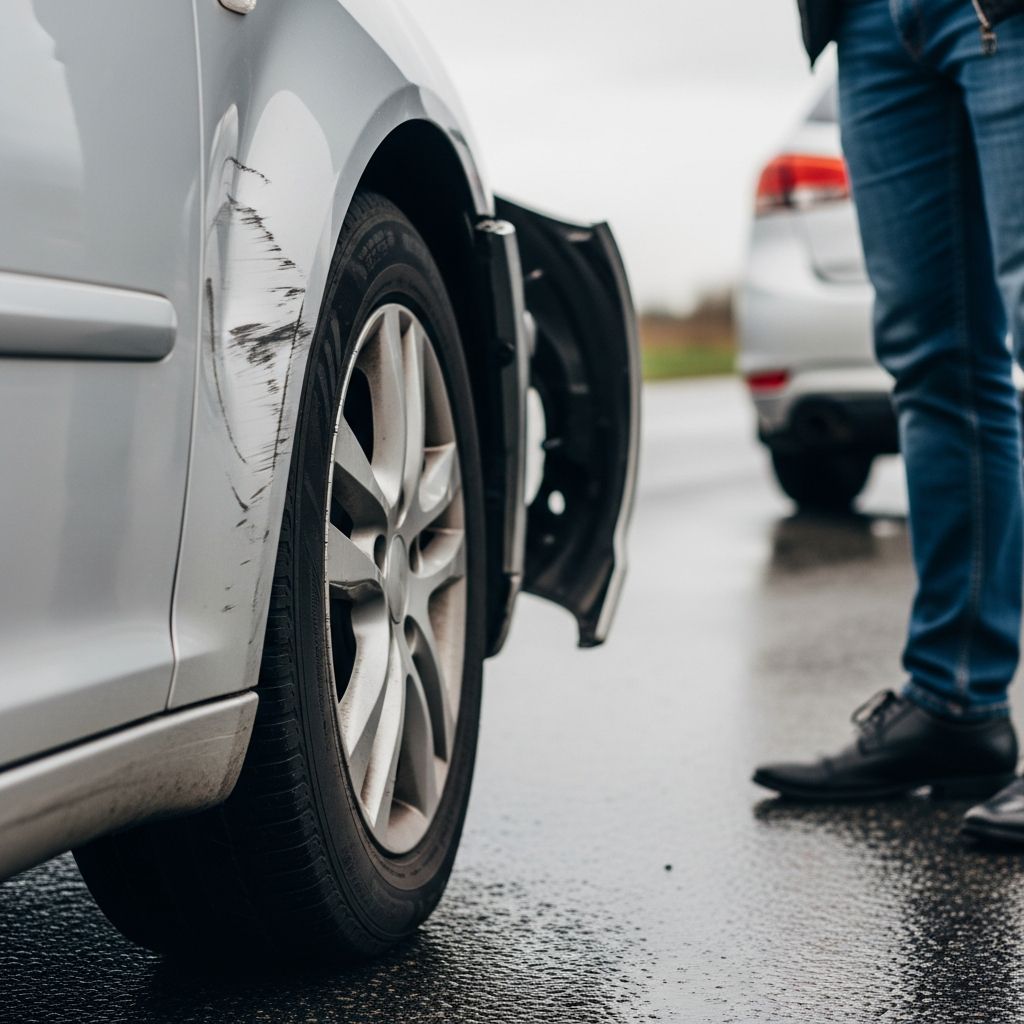
Minor car accidents, often involving low-speed collisions with limited visible damage or injuries, require prompt and methodical action to protect your interests. These incidents can lead to unexpected costs for repairs, medical care, and lost time, making proper claim handling crucial for financial recovery.
Defining a Minor Vehicle Collision
A minor vehicle collision typically features no serious injuries, superficial vehicle damage like dents or scratches, and no major traffic disruption. For instance, a rear-end bump at under 10 mph might leave a bumper mark but no structural harm. Despite appearances, hidden issues such as whiplash or alignment problems can emerge later, underscoring the need for caution.
State laws define thresholds for ‘minor’ based on damage costs or injury severity. In many areas, incidents below $1,000-$2,000 in repairs qualify, but insurance policies and local reporting rules vary. Always prioritize safety over classification at the scene.
Immediate Response at the Crash Scene
Your first priority after impact is safety. Pull over to a secure spot away from traffic if possible, activate hazard lights, and exit the vehicle safely. Assess everyone for injuries; even minor bumps can cause delayed symptoms like headaches or back pain.
Call emergency services if anyone reports pain, dizziness, or visible harm, regardless of crash severity. For non-emergencies, contact police to generate an official report, which strengthens future claims by documenting fault and details.
- Check for injuries and provide aid.
- Move vehicles if drivable and safe.
- Alert authorities for an official record.
Gathering Critical Evidence On-Site
Documentation forms the backbone of successful claims. Exchange details politely with other drivers: full names, phone numbers, addresses, driver’s licenses, vehicle registrations, and insurance info including policy numbers.
Capture photos and videos of the scene comprehensively: vehicle positions pre-movement, damage angles, road conditions, traffic signals, and surroundings. Note witnesses’ contacts, as their accounts can sway fault determinations. Jot down time, weather, and any contributing factors like signage.
| Item to Document | Why It Matters |
|---|---|
| Driver/Owner Info | Identifies at-fault party for claims |
| Vehicle Details (Make/Model/Plate) | Links to insurance policies |
| Scene Photos | Proves damage extent and positions |
| Witness Statements | Supports your version of events |
| Police Report | Official fault assessment |
Avoid admitting fault or signing unrelated documents; statements like ‘I’m sorry’ can be twisted in investigations.
When Police Involvement Is Essential
Even for minor incidents, police reports are invaluable. Many states mandate reporting for any crash with injury potential or over specific damage amounts (e.g., $500-$1,000). Absent injuries, it’s often optional but wise, as reports provide neutral fault evidence insurers trust.
If no officer responds, file a report yourself at the station within 24-72 hours, per local rules. This step prevents disputes and fulfills notification duties.
Choosing the Right Insurance Path
You have options: file with your insurer (first-party claim) using collision, medical payments (MedPay), or personal injury protection (PIP), or target the at-fault driver’s carrier (third-party claim). No-fault states may require your policy first.
For minor damage exceeding your deductible, third-party filing avoids premium hikes. Assess coverages: liability pays others’ damages; your comprehensive/collision handles your vehicle. Contact your agent promptly—most policies demand notice within days or weeks.
Step-by-Step Claim Submission Process
Notify insurers immediately via app, online portal, or phone (e.g., State Farm at 800-SF-CLAIM). Provide gathered evidence: photos, reports, witness info. Expect questions on circumstances, injuries, and damages.
Insurers dispatch adjusters to inspect vehicles, estimate repairs, and probe fault. Cooperate fully but review all communications. Get multiple repair quotes for leverage. Timelines differ: property damage often 30 days, injuries longer.
- Contact insurer with details.
- Submit documentation promptly.
- Schedule adjuster visit.
- Review repair estimates.
Navigating the Adjuster Assessment
Adjusters evaluate damage, liability, and payout value. They may deem fault percentages under comparative negligence rules—e.g., if you’re 20% responsible, recover 80%. Challenge lowballs with evidence.
For vehicles, expect repair or total loss offers. Injuries trigger medical reviews; soft tissue claims need doctor notes proving causation.
Potential Claim Payout Components
Settlements cover tangible and intangible losses:
- Property Damage: Vehicle repairs, towing, rental cars.
- Medical Expenses: Bills, therapy, prescriptions—even future care.
- Lost Wages: Income from missed work.
- Pain & Suffering: Non-economic for discomfort, emotional distress.
- Other: Childcare, transportation costs.
Average minor settlements range $5,000-$15,000, varying by state, fault, and proof. Most resolve pre-litigation.
State-Specific Rules and Deadlines
Laws diverge: Illinois mandates 25/50/20 liability minimums; statutes limit suits to 2-5 years. No-fault jurisdictions like Michigan route minor injuries through PIP first. Check your state’s DMV site for thresholds—e.g., Florida requires reports over $500 damage.
Act fast: late filings bar recovery. Minors extend limits to age 20 in some areas.
Common Mistakes to Sidestep
Avoid these pitfalls:
- Skipping photos or reports.
- Admitting fault prematurely.
- Accepting quick low settlements pre-medical clarity.
- Ignoring hidden injuries.
- Missing deadlines.
Don’t repair without insurer approval, as it complicates claims.
Knowing When to Consult a Lawyer
For disputes, low offers, or injuries, attorneys boost settlements 40%+ via negotiation expertise. No upfront fees in contingency cases. Ideal if damages exceed $10,000 or liability contests. Free consults assess viability.
Frequently Asked Questions
Do I need to report a minor fender-bender to police?
It’s not always required without injuries or major damage, but strongly recommended for claim proof.
Should I file for cosmetic damage only?
Yes, if over deductible—the at-fault party’s insurance pays without raising yours.
Can I claim delayed injuries from a minor crash?
Absolutely; seek care promptly and document for MedPay/PIP or liability claims.
What if the other driver is uninsured?
Use your uninsured motorist coverage if available.
How long to settle a minor claim?
Typically 30-90 days, faster sans disputes.
Preventing Future Minor Incidents
Defensive driving, maintenance, and dashcams reduce risks. Review policy limits annually for adequacy.
References
- What to expect when you file a car insurance claim — Allstate. 2023. https://www.allstate.com/resources/car-insurance/how-to-file-a-car-insurance-claim
- What to Do After a Car Accident — State Farm. 2024-01-15. https://www.statefarm.com/claims/auto/how-to-handle-an-accident
- What to Do After a Minor Car Accident — Progressive. 2024. https://www.progressive.com/answers/minor-car-accidents/
- What to Do After a Car Accident — GEICO. 2023-11-20. https://www.geico.com/claims/after-an-accident/
- The Average Settlement for a Minor Car Accident — Morris Bart. 2024. https://www.morrisbart.com/faqs/average-settlement-minor-car-accident/
- Filing a Claim with Another Driver’s Insurance Company — Illinois Department of Insurance. 2025-06-10. https://idoi.illinois.gov/consumers/consumerinsurance/auto/filing-an-auto-claim-with-anothers-insurance-company.html
- What to Do if You’re in a Car Accident — Travelers Insurance. 2024-03-05. https://www.travelers.com/resources/auto/travel/what-to-do-if-you-are-in-a-car-accident
Similar Articles








Read full bio of medha deb


