
Guide to Dallas Courthouses and the Texas Court System
Understand how Dallas courthouses fit into the broader Texas court structure, from local trial courts to the state’s highest appellate courts.
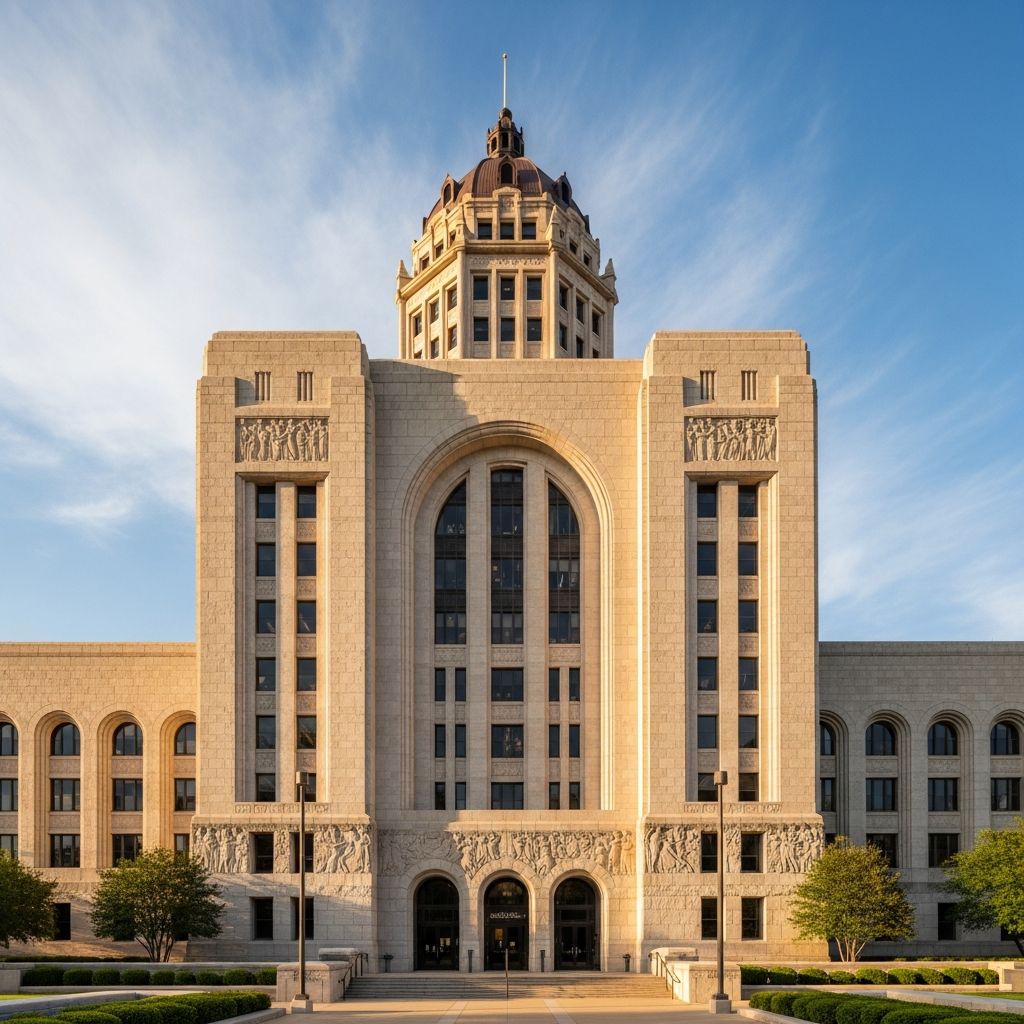
Dallas is home to a dense network of courthouses that handle everything from traffic tickets and landlord–tenant disputes to multimillion-dollar civil lawsuits and serious felony prosecutions. To use these courts effectively—whether you are filing a case, responding to a lawsuit, or appearing as a witness—it helps to understand how Dallas courthouses fit into the larger structure of the Texas judicial system.
This guide explains the main types of courts that serve Dallas residents, how state and local courts are organized in Texas, and what kinds of matters each courthouse typically handles.
Big Picture: How Texas Courts Are Structured
Texas has one of the largest and most complex state court systems in the country. According to official materials from the Texas Judicial Branch, courts are generally organized in three levels: trial courts, intermediate appellate courts, and courts of last resort.
- Trial courts – Where cases begin. These include district courts, county-level courts, justice courts, and municipal courts.
- Intermediate appellate courts – Fourteen courts of appeals review decisions from trial courts within their geographic regions.
- Courts of last resort – Texas has two: the Texas Supreme Court for civil and juvenile matters, and the Texas Court of Criminal Appeals for criminal cases.
Dallas courthouses sit mostly in the first tier (trial courts), with some cases reaching the intermediate appellate court based in the region and, in limited circumstances, the state’s highest courts.
Key Types of Dallas-Area Courthouses
Dallas residents will most often interact with the following categories of courts recognized in the Texas system:
- Municipal courts – City-level courts handling ordinance violations and certain misdemeanors.
- Justice of the Peace courts – Local courts of limited jurisdiction, often called “people’s courts” for small civil and minor criminal matters.
- County courts and county courts at law – County-level trial courts hearing a range of civil, criminal, probate, and appellate matters from lower courts.
- District courts – State trial courts of general jurisdiction that hear major civil cases, serious criminal cases, and specialized matters such as family law.
- Federal courts – U.S. District Court for the Northern District of Texas, Dallas Division, which hears federal civil and criminal cases arising in the region.
Within Dallas County, most county and district courts operate in centralized courthouse complexes in downtown Dallas. The city also maintains its own municipal court facilities.
Dallas Municipal Courts: City-Level Justice
Municipal courts are created by statute and exist in each incorporated city in Texas. In Dallas, these courts focus on matters tied closely to city life and ordinances.
Typical Municipal Court Functions
- Handling traffic citations and parking tickets issued within city limits.
- Enforcing municipal ordinances, such as building code violations or noise restrictions.
- Hearing certain Class C misdemeanors punishable by fine only, with no possibility of jail time.
- Performing some magistrate functions, such as issuing warrants and setting initial bail, as authorized by law.
Most municipal cases are relatively low-stakes compared to district court litigation, but they can still affect driving privileges, financial penalties, and, in some cases, collateral consequences such as insurance rates.
Justice of the Peace Courts: Small Claims and More
Justice courts are constitutionally authorized in each county, with between one and sixteen justices of the peace per county. They are often a first stop for individuals and small businesses with lower-value disputes.
What Dallas Justice Courts Commonly Hear
- Small civil lawsuits, including many landlord–tenant disputes and small claims up to a statutory limit.
- Certain misdemeanor cases punishable by fine only (no jail time).
- Eviction and repair-and-remedy actions related to residential leases, within monetary limits set by law.
- Some truancy matters and other limited jurisdiction cases as assigned by statute.
In Dallas County, justice courts are often organized by precinct. These courts are designed to be accessible and less formal than higher-level courts, although procedures and evidence rules still matter.
Dallas County Courts and County Courts at Law
Every Texas county has a constitutional county court, and in more populated counties like Dallas, the Legislature has created additional statutory county courts—often called county courts at law—to handle a larger caseload.
Roles of County-Level Courts
- Civil cases within a defined monetary range, often including disputes that exceed the jurisdiction of the justice courts but are below the largest district court cases.
- Misdemeanor criminal prosecutions where punishment can include jail time or fines above a set threshold.
- Probate proceedings, including administration of estates, though Dallas also has specialized probate courts for more complex probate matters.
- Appeals from justice and municipal courts, often heard as new trials (de novo) when the lower court is not a court of record.
The Dallas County Clerk serves as the clerk for the county courts at law in civil matters and maintains the official case records. The civil county courts hear thousands of cases each year, ranging from personal injury and contract claims to appeals from lower courts.
Dallas District Courts: General and Specialized Jurisdiction
District courts are the primary state trial courts of general jurisdiction in Texas. Dallas County hosts multiple district courts with jurisdiction over major civil, criminal, and family law matters.
Matters Commonly Heard in Dallas District Courts
- Felony criminal cases, including serious offenses that can involve significant prison sentences.
- Civil lawsuits involving larger amounts in controversy, such as commercial disputes, high-value personal injury claims, and complex tort cases.
- Family law matters, such as divorce, child custody, and support, often heard in designated family district courts.
- Appeals from lower courts in limited circumstances, as authorized by statute.
Dallas County also has criminal district courts, which are district courts designated to focus on criminal matters. Many district judges develop substantial experience in specific case types, even within courts of general jurisdiction.
Where Dallas Fits in the Texas Appellate System
After a final judgment in a trial court, parties often have the right to seek review in a higher court. Texas divides appellate responsibilities between intermediate courts of appeals and two statewide courts of last resort.
Intermediate Court of Appeals
- Texas has 14 courts of appeals, each covering a geographic region and reviewing cases from trial courts within its district.
- These courts typically hear appeals from district and county courts, reviewing legal errors rather than retrying facts.
Cases arising from Dallas County district and county courts fall within the jurisdiction of the relevant regional court of appeals. The appellate court may affirm, reverse, or modify the lower court’s decision, or send the case back for further proceedings.
Texas Supreme Court and Court of Criminal Appeals
At the top of the Texas judicial branch are two separate high courts with distinct subject-matter responsibilities:
- Texas Supreme Court – The state’s highest court for civil and juvenile cases. It reviews decisions from courts of appeals and may resolve important questions of state law that affect courts statewide.
- Texas Court of Criminal Appeals – The state’s highest court for criminal cases, including capital (death penalty) appeals. It also reviews decisions from the courts of appeals in criminal matters.
Few Dallas cases reach these high courts, but when they do, the resulting decisions can shape legal rules that affect all Texas trial courts.
Federal Courts Serving Dallas Residents
Separate from the state system, federal courts hear cases that arise under federal law or involve specific jurisdictional circumstances. Dallas is located in the U.S. District Court for the Northern District of Texas, one of four federal district courts in the state.
| Federal Court Level | Role | Relevance to Dallas |
|---|---|---|
| U.S. District Court | Trial court for federal civil and criminal cases. | Dallas cases filed in the Northern District of Texas, Dallas Division. |
| U.S. Court of Appeals for the Fifth Circuit | Intermediate appellate court for federal cases from Texas, Louisiana, and Mississippi. | Hears appeals from the Northern District of Texas, including Dallas matters. |
Common federal cases include disputes over federal statutes, constitutional issues, bankruptcy (heard in separate bankruptcy courts attached to the district courts), and crimes charged under federal law.
Choosing the Right Dallas Courthouse for Your Case
Determining which courthouse is appropriate depends on both the type of case and the amount in controversy. While legal advice should come from a licensed attorney, the following general guidelines reflect how Texas allocates jurisdiction among its trial courts.
- Traffic ticket or city code violation? Likely filed in a Dallas municipal court.
- Small debt or landlord–tenant dispute under a statutory cap? Often begins in a Justice of the Peace court.
- Misdemeanor criminal charge with potential jail time? Typically heard in a county criminal court or county court at law.
- Moderate civil claim exceeding the small-claims limit but not extremely high value? May fall under a county court at law in Dallas County.
- Serious felony or high-value civil case? Usually filed in a district court.
- Federal law issue or parties from different states with large amount in controversy? Potentially belongs in federal district court.
Filing in the wrong court can lead to delays or dismissal, so parties commonly consult local court rules and, when possible, obtain professional legal counsel.
Practical Tips for Visiting Dallas Courthouses
Regardless of which courthouse you must attend, taking time to prepare can make the experience more efficient and less stressful.
- Confirm your court location and time using official Dallas County or city resources before you travel.
- Arrive early to allow for security screening, parking, and locating the correct courtroom.
- Bring required documents, such as notices, identification, and any evidence you are allowed to present.
- Dress and behave respectfully, as judges can enforce courtroom decorum and may take conduct into account when managing proceedings.
- Review local rules published by the court when available, especially for filing requirements and deadlines.
Frequently Asked Questions About Dallas Courthouses
Q: How do I know which Dallas courthouse my case is in?
A: Your citation, summons, or court notice should list the specific court and sometimes the building address. If it does not, you can usually look up your case number on the Dallas County or City of Dallas court websites or contact the clerk’s office for clarification.
Q: Can I appeal a decision from a Dallas municipal or Justice of the Peace court?
A: Many decisions from these lower courts can be appealed to a county-level court, often as a new trial (trial de novo) when the lower court is not a court of record, as described in Texas judicial materials. Deadlines and procedures are strict, so it is important to act promptly.
Q: What is the difference between a Dallas County court at law and a district court?
A: County courts at law are county-level trial courts with jurisdiction defined by statute, often focused on mid-range civil disputes, certain misdemeanors, probate, and appeals from lower courts. District courts are state trial courts of general jurisdiction that handle major civil and criminal cases, including felonies and high-value civil disputes.
Q: Are all Texas trial court decisions from Dallas reviewable by the Texas Supreme Court or Court of Criminal Appeals?
A: No. Most appeals from Dallas trial courts go first to the intermediate court of appeals. Only a small subset of cases, typically those involving important legal questions or specific statutory issues, reach the Texas Supreme Court or the Texas Court of Criminal Appeals.
Q: Do I need a lawyer to appear in a Dallas courthouse?
A: Individuals may represent themselves in many Texas courts, especially in small claims and some lower-level matters. However, court rules and procedures can be complex, and official Texas court guidance emphasizes the importance of understanding governing rules and precedent. Consulting an attorney can help protect your rights, particularly in criminal, family, or high-value civil cases.
References
- Court Structure of Texas — Texas Judicial Branch. 2015-09-01. https://www.txcourts.gov/media/1097010/Court-Structure-Chart-Sept-2015.pdf
- The Texas Court System – Researching Texas Law: Cases — Texas A&M University School of Law Library. 2022-02-01 (last updated). https://law.tamu.libguides.com/texascaselaw
- Texas Courts and Court Rules: Texas Courts and Court Rules Home — Texas Tech University School of Law Library. 2021-08-12. https://libguides.law.ttu.edu/txcourts
- Civil Courts Division (County Courts at Law) — Dallas County Clerk. 2023-06-01. https://www.dallascounty.org/government/county-clerk/civil-courts/
- General Information – About the Texas Courts — Texas State Law Library. 2023-03-15. https://guides.sll.texas.gov/about-texas-courts
- About Texas Courts — Texas Judicial Branch. 2022-11-10. https://www.txcourts.gov/about-texas-courts/
- Court System Summary: Texas — Themis Advocates Group. 2020-01-01. https://www.themisadvocatesgroup.com/court-system-summary-texas
Similar Articles








Read full bio of Sneha Tete


