
Groundhog Pets: Legality, Care, And Safe Alternatives
Uncover the legal hurdles and practical realities of keeping groundhogs as pets across the US, Canada, and beyond.
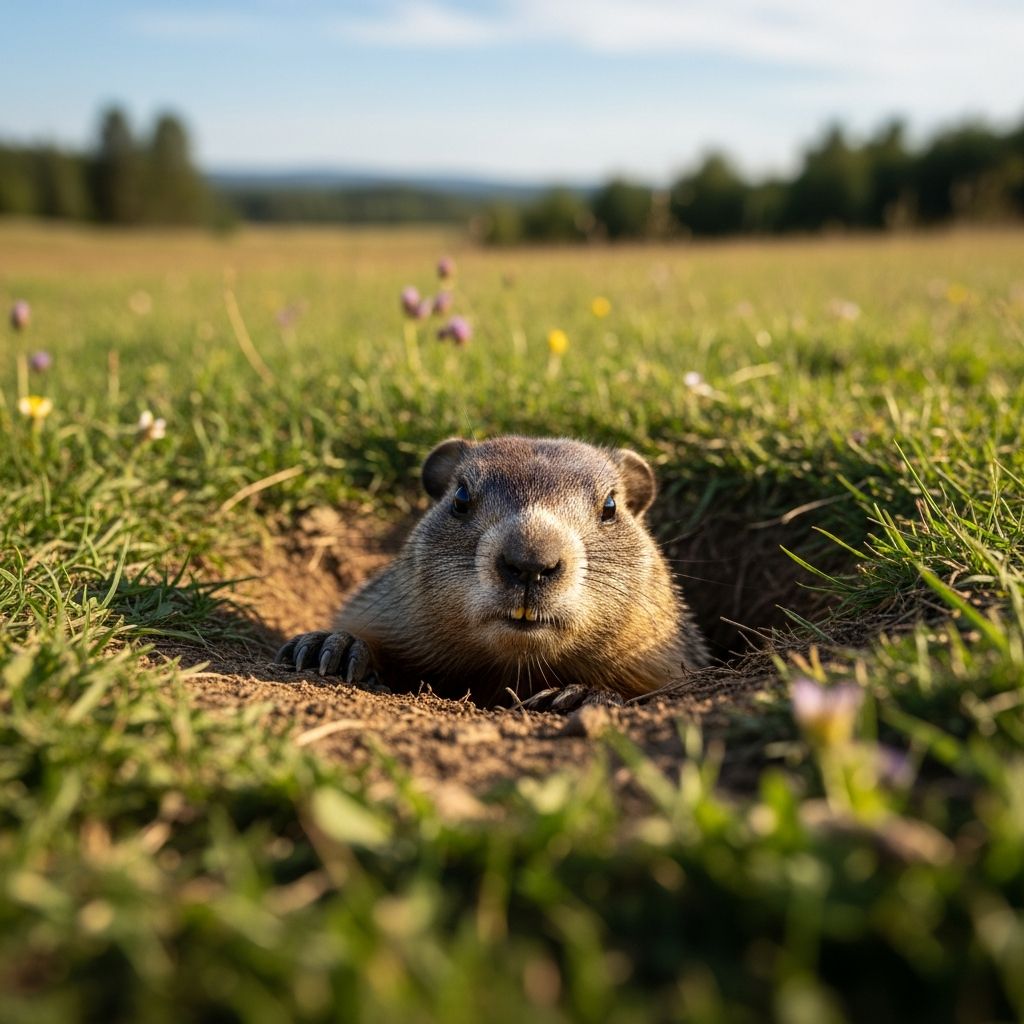
Groundhogs, also known as woodchucks, captivate many with their chunky builds and famous Groundhog Day predictions. But turning these wild rodents into household companions raises complex legal and ethical questions. In most places, owning a groundhog as a pet is restricted or outright banned due to wildlife protection statutes. This article delves into the regulatory landscape, care demands, potential risks, and better ways to appreciate these animals without captivity.
Understanding Groundhog Biology and Wild Nature
Groundhogs (*Marmota monax*) belong to the squirrel family, thriving in meadows, forests, and farmlands across North America. These herbivores weigh 4-14 pounds, measure up to 26 inches long, and are expert diggers, creating burrows up to 50 feet long with multiple entrances. They hibernate for 5-6 months annually, emerging in spring to forage on grasses, vegetables, and fruits.
Their solitary, territorial behavior makes them ill-suited for domestication. Unlike dogs or cats, groundhogs lack generations of selective breeding for human interaction. Captive attempts often lead to stress, aggression, and health decline, as they require vast spaces mimicking their natural habitats.
- Burrowing Instinct: They excavate extensively, undermining structures like decks or sheds.
- Dietary Needs: Fresh greens, roots, and occasional insects; commercial rodent food falls short.
- Social Structure: Mostly loners except during mating; overcrowding triggers fights.
National Overview of US Wildlife Ownership Laws
Across the United States, groundhog ownership falls under wild animal regulations enforced by state fish and wildlife agencies. Federal laws like the Lacey Act prohibit interstate transport of illegally taken wildlife, but pet status hinges on state rules. Most classify groundhogs as nongame or unprotected species, allowing hunting or trapping but not pet ownership without permits.
Permits, when available, target rehabilitation, research, or education—not personal pets. Local ordinances often add stricter bans, especially in urban areas concerned with zoonotic diseases or property damage.
State-by-State Breakdown: Where Groundhogs Are Allowed
Laws vary dramatically. In many states, groundhogs are huntable year-round as pests, but capturing one for a pet violates possession statutes. Here’s a comparative table of select states based on current regulations:
| State | Pet Ownership Status | Permit Required? | Notes |
|---|---|---|---|
| Delaware | Not Protected | No for hunting | Groundhogs excluded from protected wildlife; can be taken but not kept as pets. |
| North Carolina | Prohibited as Pet | Depredation permit for trapping | Year-round hunting, no relocation; trap and euthanize or release on-site. |
| Texas | Restricted | Registration for dangerous wild animals | Local rules apply; wild animals regulated under health codes. |
| West Virginia | Possible | Yes | Permit for breeding/hunting, not pets. |
| Wyoming | Possible | Yes | Similar permit restrictions. |
In states like Washington, outright bans apply even if counties permit. Always verify with your state’s Department of Natural Resources—penalties for violations include fines up to $10,000 and animal confiscation.
International Regulations: Canada, UK, Australia
Outside the US, rules are even tighter. Canada prohibits all wild animal captivity nationwide, viewing groundhogs as protected wildlife unfit for pets.
In the United Kingdom, the Animal Welfare Act 2006 allows ownership if welfare standards are met—no dangerous wild animal license needed since groundhogs aren’t classified as such. Owners must ensure spacious enclosures, proper diet, and veterinary access.
Australia bans groundhog imports entirely under biosecurity laws; only approved vertebrates like dogs and cats qualify as pets. Native Australian species fill similar ecological roles without legal risks.
Care Challenges: Why Groundhogs Don’t Make Good Pets
Even where legal, practical hurdles abound. Groundhogs demand:
- Enclosure Size: Minimum 100 sq ft outdoor pen with deep soil for digging, escape-proof fencing (3-4 ft high with buried apron).
- Climate Control: Insulated hibernation den for winter torpor.
- Veterinary Care: Few exotic vets handle rodents; treatments for parasites or dental issues are costly.
- Feeding Costs: $20-50 weekly on produce, plus supplements.
Behavioral issues include odor from scent glands, destructive chewing, and aggression during mating season. Lifespan in captivity drops to 5-8 years versus 10+ in wild due to stress.
Health and Safety Risks of Groundhog Ownership
Groundhogs carry *Salmonella*, *rabies* (rarely), and ticks transmitting Lyme disease. Bites can infect humans, and burrows pose tripping hazards. Children and immunocompromised individuals face heightened risks.
Zoonotic transmission occurs via feces or saliva. Proper hygiene mitigates but doesn’t eliminate dangers—another reason regulators restrict ownership.
Alternatives to Pet Ownership: Ethical Engagement
Instead of captivity, observe groundhogs ethically:
- Backyard Viewing: Plant clover or alfalfa to attract them; install trail cams.
- Wildlife Sanctuaries: Visit rehab centers housing injured groundhogs.
- Pet Substitutes: Consider domesticated rabbits or guinea pigs with similar burrowing traits but legal, social temperaments.
- Citizen Science: Report sightings to apps like iNaturalist for population tracking.
These options foster appreciation without legal or welfare pitfalls.
Frequently Asked Questions (FAQs)
Is it legal to own a groundhog in my state?
Check your state wildlife agency; most ban it without special permits issued for non-pet purposes.
Can I trap a groundhog from my yard and keep it?
No—trapping often requires depredation permits for nuisance removal, mandating on-site release or euthanasia, not relocation or pet-keeping.
What if groundhogs damage my property?
Use fencing, motion sprinklers, or hire licensed trappers. Lethal control is legal in many areas during open seasons.
Are groundhogs dangerous?
They can bite when threatened and carry diseases; avoid direct handling.
Can captive groundhogs be house-trained?
Rarely—their digging and marking instincts persist, making indoor life messy and stressful.
Navigating Local Laws: Steps for Compliance
To confirm legality:
- Contact county animal control first.
- Call state fish and wildlife hotline.
- Review municipal codes online.
- Consult a local attorney for exotic pet nuances.
Laws evolve; a 2026 check is essential as climate shifts spur tighter protections.
In summary, while groundhog charm endures, laws prioritize wild freedom. Embrace alternatives for joy without jeopardy.
References
- Can I Legally Own a Groundhog In My State or Country? — Floofmania. 2022. https://floofmania.com/groundhogs/groundhog-legal/
- DE – § 797. Woodchuck or groundhog not protected wildlife — Animal Legal & Historical Center. N/A. https://www.animallaw.info/statute/de-woodchuck-%C2%A7-797-woodchuck-or-groundhog-not-protected-wildlife
- Groundhog | NC Wildlife — North Carolina Wildlife Resources Commission. 2023. https://www.ncwildlife.gov/species/groundhog
- Wild Animals – Animal Law — Texas State Law Library. 2024. https://guides.sll.texas.gov/animal-law/wild-animals
- Wild Animals | Texas DSHS — Texas Department of State Health Services. 2023. https://www.dshs.texas.gov/notifiable-conditions/zoonosis-control/laws/wild
Similar Articles








Read full bio of Sneha Tete


