Green Cards for Undocumented Immigrants: Real Pathways
Discover limited but viable routes for undocumented individuals to secure U.S. permanent residency amid complex legal barriers.

Obtaining lawful permanent residency, known as a green card, presents formidable obstacles for those residing in the United States without legal authorization. However, U.S. immigration regulations offer select avenues for adjustment of status, contingent on factors like entry method, family connections, and humanitarian qualifications. This comprehensive guide delineates these opportunities, procedural intricacies, and persistent barriers, empowering informed decision-making.
Understanding Entry Method’s Pivotal Role
The manner of initial entry into the U.S. fundamentally shapes green card eligibility for undocumented individuals. Those who arrived via lawful inspection—presenting valid documentation at a port of entry—enjoy broader adjustment options domestically. Overstaying a visa typically permits filing Form I-485 for adjustment of status without departing the country, streamlining the path to permanent residency.
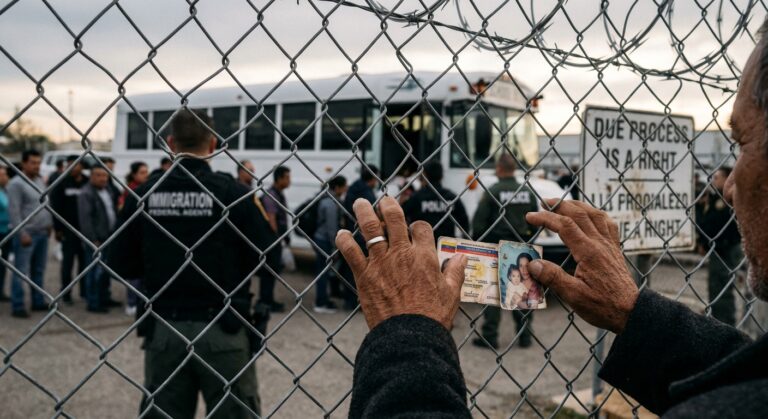
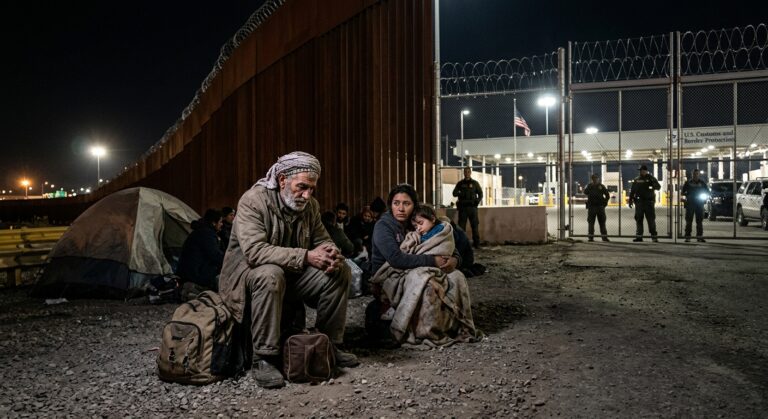
Conversely, individuals entering without inspection (EWI), such as by crossing borders undetected, confront stricter protocols. They generally cannot adjust status within the U.S. and must pursue consular processing abroad, triggering potential reentry bars due to accrued unlawful presence. Unlawful presence exceeding 180 days but under one year incurs a three-year bar; over one year activates a ten-year prohibition.
| Entry Type | Adjustment of Status Possible? | Typical Process | Key Risks |
|---|---|---|---|
| Lawful Entry (e.g., visa overstay) | Yes, in most cases | Domestic USCIS filing | Minimal, if eligible sponsor |
| Entry Without Inspection (EWI) | Usually No | Consular processing abroad | 3/10-year bars, waiver needed |
Family-Based Sponsorship: Primary Avenue for Many
Family sponsorship stands as the most accessible route for undocumented immigrants seeking green cards. U.S. citizens can petition immediate relatives—spouses, unmarried children under 21, or parents—without numerical visa limits, accelerating approvals.
For lawful entrants married to or parented by citizens, the process unfolds efficiently: the sponsor files Form I-130, followed by I-485 adjustment. Work and travel authorizations often accompany pending applications, mitigating hardships.

The Future of AI: Preventing a Big Tech Monopoly >

EWI cases demand provisional waivers (Form I-601A) proving extreme hardship to a qualifying U.S. relative before consular interviews. Processing can span years, with interviews frequently at U.S. consulates in home countries like Ciudad Juarez for Mexicans. Exceptions apply for military families or under section 245(i) for pre-2001 petitions.
- Immediate Relatives (Citizens): No wait times; priority handling.
- Preference Categories (e.g., LPR siblings): Visa backlogs delay indefinitely.
- Key Tip: Criminal history or prior deportations may bar eligibility.
Humanitarian Protections: Asylum and Beyond
Beyond family ties, humanitarian programs offer green card pathways for persecuted or victimized individuals. Asylum seekers must demonstrate credible fear of harm based on race, religion, nationality, political opinion, or social group membership. Applications via Form I-589 must precede one year of continuous U.S. presence; granted asylees apply for green cards after one year.
Refugee status mirrors this but applies to overseas applicants. Both pathways culminate in permanent residency and eventual citizenship eligibility.
Victim Relief Programs: U Visa and VAWA
Crime victims aiding investigations qualify for U nonimmigrant status. Requirements include victimization by qualifying crimes (e.g., domestic violence, trafficking), substantial law enforcement cooperation, and mental/physical harm. U visas grant work authorization; after three years, holders adjust to green cards if continuously present and compliant.
VAWA shields abused spouses, children, or parents of U.S. citizens or LPRs, allowing self-petitions without abuser involvement. Successful VAWA applicants access green cards post-approval, bypassing sponsor dependency.
Employment Sponsorship Note: Though rarer for undocumented workers, employers may petition via PERM labor certification, but EWI often necessitates waivers and overseas processing.
Overcoming Inadmissibility: Waivers and Bars
Even eligible applicants face inadmissibility grounds like unlawful presence, prior removals, or public charge risks. Provisional waivers mitigate bars for family-based cases, requiring proof of extreme hardship (medical, financial, emotional) to U.S. relatives.
Public charge rules assess self-sufficiency; applicants must demonstrate no undue reliance on benefits. Criminal convictions demand separate waivers, with aggravated felonies often permanently barring adjustment.
Navigating the Application Maze: Step-by-Step
- Assess Eligibility: Confirm sponsor relationship, entry proof, inadmissibility issues.
- Gather Evidence: Birth/marriage certificates, entry records, hardship affidavits.
- File Petitions: I-130 for sponsorship; I-485 or consular forms as applicable.
- Biometrics and Interview: Attend USCIS appointments; prepare for scrutiny.
- Approval and Renewal: Receive green card; renew every 10 years toward naturalization.
Timelines vary: domestic adjustments average 1-2 years; consular routes extend to 3+ years amid backlogs.
Diversity Visa Lottery: Rarely Viable
The DV Lottery targets low-immigration nations but mandates lawful status and admissibility. Undocumented entrants typically fail these criteria, rendering wins moot without waiver approvals.
Common Pitfalls and Professional Guidance
Missteps like premature departures trigger bars; incomplete waivers invite denials. Immigration law’s nuance demands expert counsel—attorneys dissect case specifics, maximizing success odds.
Recent policy shifts, including registration mandates for noncitizens over 14 staying 30+ days, underscore compliance needs.
Frequently Asked Questions
Can undocumented parents of U.S. citizens get green cards?
Yes, if the child is 21+; citizens sponsor parents without caps, but EWI requires waivers.
What’s the difference between adjustment and consular processing?
Adjustment stays in U.S.; consular mandates departure and embassy interviews.
Do criminal records disqualify green card applications?
Often yes; misdemeanors may waive, but felonies typically bar permanently.
How long after asylum can I apply for a green card?
One year from grant date via Form I-485.
Is employment-based green card possible for undocumented?
Rarely; requires sponsorship but hits EWI barriers.
Long-Term Prospects: From Green Card to Citizenship
Green card holders reside/work indefinitely, petition relatives, and naturalize after five years (three if married to citizens). Continuous residence, good moral character, and civics tests are prerequisites.
Provisional statuses under past proposals (e.g., earned citizenship paths) offered registration leading to green cards post-backlog clearance, though not currently enacted.
References
- How Can Undocumented Immigrants Get a Green Card? — Jarbath Pena Law Group, PA. 2023. https://www.jp-lawgroup.com/post/how-can-undocumented-immigrants-get-a-green-card
- When Can an Undocumented Immigrant Receive a Green Card Through Family? — Immigrating to America. 2023. https://www.immigratingtoamerica.com/blog/when-can-an-undocumented-immigrant-in-the-united-states-receive-a-green-card-through-a-family-member-it-can-be-a-lot-more-difficult-than-you-think
- 4 Ways Undocumented Immigrants Can Gain Legal Status — Diener Law. 2023. https://dienerlaw.net/4-ways-undocumented-immigrants-can-gain-legal-status/
- Earned Citizenship — The White House Archives. 2016-01-20. https://obamawhitehouse.archives.gov/issues/immigration/earned-citizenship
- Overview of Immigrant Eligibility for Federal Programs — National Immigration Law Center (NILC). 2024. https://www.nilc.org/resources/overview-immeligfedprograms/
- New Registration Requirement: Frequently Asked Questions — Immigrant Legal Resource Center (ILRC). 2025. https://www.ilrc.org/community-resources/new-registration-requirement-frequently-asked-questions
Similar Articles






Read full bio of medha deb