
Why Green Card Applications Fail: Key Pitfalls to Avoid
Discover the top reasons green card applications get rejected and learn proven strategies to strengthen your case for U.S. permanent residency.
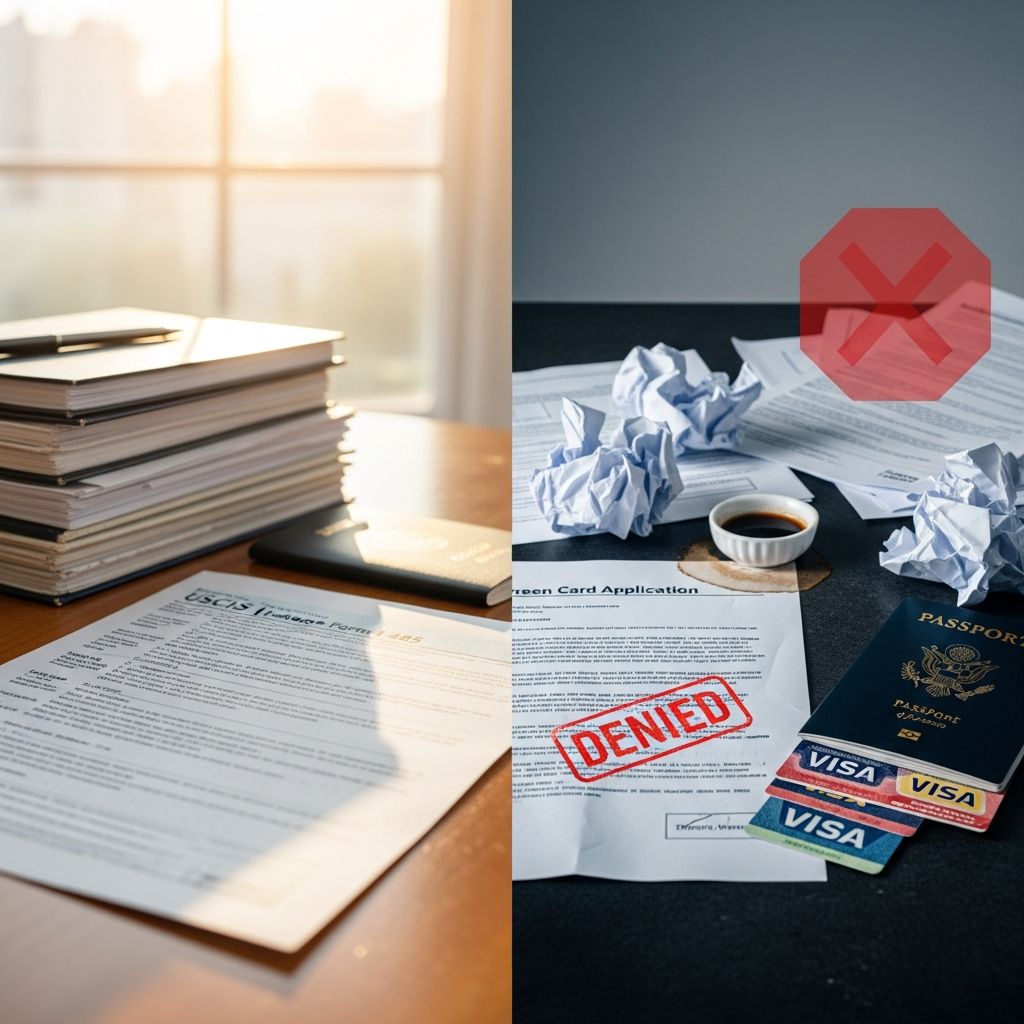
Achieving lawful permanent residency through a green card represents a major milestone for countless immigrants seeking stability in the United States. However, the path is fraught with challenges, as U.S. Citizenship and Immigration Services (USCIS) scrutinizes applications rigorously. Even minor oversights can trigger denials, forcing applicants to restart the process amid fees, delays, and emotional strain. Understanding these pitfalls empowers you to build a robust case.
This article delves into the primary factors behind green card rejections, drawing from common applicant experiences and official guidelines. By addressing documentation errors, eligibility missteps, and procedural lapses, you can significantly improve your odds of success. Whether pursuing family-based, employment-based, or other categories, proactive preparation is essential.
Documentation Disasters: The Foundation of Most Denials
Incomplete or flawed paperwork tops the list of green card rejection triggers. USCIS requires precise, comprehensive submissions; any gap invites administrative closure or outright denial.
- Missing Core Documents: Applicants often overlook essentials like birth certificates, passports, or police clearances. For family petitions, proof of relationships via marriage or birth records is non-negotiable.
- Untranslated Foreign Papers: Non-English documents must include certified English translations, signed by the translator affirming accuracy. Omitting this halts processing.
- Illegible or Expired Copies: Faded scans or outdated IDs fail USCIS standards, prompting Requests for Evidence (RFEs) that delay timelines by months.
To sidestep these issues, compile a checklist tailored to your category from the USCIS website. Photocopy everything multiple times and enlist a second reviewer for thoroughness. Professional review by an immigration attorney catches 90% of errors before submission.
Form-Filling Fiascos: Precision Matters
USCIS forms like I-485 (Adjustment of Status) demand exactitude. Typos, blanks, or inconsistencies signal carelessness or fraud, leading to swift rejections.
| Common Form Error | Consequence | Prevention Strategy |
|---|---|---|
| Inaccurate Personal Details (e.g., name spelling) | Red flags for identity fraud | Match exactly to passport/travel docs |
| Unsigned or Incomplete Sections | Automatic rejection | Double-check signatures; use “N/A” for inapplicable fields |
| Wrong Form Version | Processing halt | Download latest from USCIS site |
| Inconsistent Dates/Addresses | Suspected misrepresentation | Cross-reference all prior records |
Language barriers exacerbate these problems, especially for non-native speakers. Instructions can be dense; misreading them invites pitfalls. Allocate ample time—rushing amplifies errors. Tools like USCIS’s online form fillers help, but human oversight remains irreplaceable.
Fee and Payment Blunders: Overlooked Budget Busters
Surprisingly frequent, payment errors derail applications despite their simplicity. USCIS mandates full fees at filing, often via check or credit card, with separate payments for applicants and petitioners.
- Partial payments or forgotten petitioner fees in family cases lead to immediate returns.
- Using personal checks from joint accounts confuses tracking.
- Fee waivers require separate Form I-912 with proof of hardship.
Verify totals using USCIS calculators. For multi-applicant families, list fees clearly on a cover letter. Post-2023 updates introduced online payments—opt for them to avoid mailing mishaps.
Eligibility Oversights: Applying Too Soon or Wrong
Not everyone qualifies immediately. Premature filings waste resources and tarnish records. Key hurdles include:
- Visa Availability: Family or employment categories have quotas; check Visa Bulletin monthly.
- Prior Violations: Unlawful presence over 180 days bars reentry without waivers.
- Category Mismatch: Employment-based needs job offers; family-based demands genuine ties.
Assess eligibility via USCIS eligibility tools or legal counsel. Honesty about criminal history or overstays is crucial—disclosure with explanations often succeeds over concealment.
Criminal and Moral Character Concerns
Good moral character (GMC) is mandatory. Convictions for crimes of moral turpitude (e.g., theft, assault) or drug offenses trigger denials, even if expunged. Aggravated felonies permanently bar green cards.
Multiple DUIs or fraud history raises flags. Waivers via I-601 are possible but arduous, requiring extreme hardship proof to U.S. relatives. Disclose everything upfront; USCIS cross-checks FBI databases.
Background: USCIS policy mandates GMC review for all adjustment applicants under INA § 101(f). Recent 2024 memos clarified minor offenses’ impact, emphasizing rehabilitation evidence like letters and sobriety records.
Relationship and Sponsorship Shortfalls
Family-based green cards hinge on verifiable bonds. USCIS probes for sham marriages via interviews and evidence requests.
- Insufficient proof: Joint finances, photos, affidavits from friends.
- Sponsor issues: Insufficient income (125% poverty line) or public charge risks.
- Affidavit of Support (I-864) errors: Missing tax returns or incomplete household size calculations.
Strengthen cases with timelines of shared life events. For employment, secure firm job offers and labor certifications.
Procedural and Timing Traps
Beyond initial filing, pitfalls abound:
- Missed RFEs: Respond within 87 days with indexed evidence.
- Address Changes: File AR-11 within 10 days to avoid abandonment claims.
- Interview Prep: Inconsistencies between spouses doom cases.
Track status via USCIS case portal. Calendar all deadlines; delays compound into denials.
Health-Related Red Flags
Form I-693 medical exams must be current (within 2 years, unexpired post-2023 rules). Panel physicians screen for inadmissible conditions like active TB or vaccination gaps.
False declarations or untreated issues prompt civil surgeon referrals. Ensure vaccinations align with CDC schedules; waivers for religious/medical reasons need documentation.
Strategies for a Winning Application
Success demands strategy:
- Attorney Engagement: Licensed experts navigate complexities, reducing denial rates by half. Verify via state bars.
- Comprehensive Prep: Use USCIS checklists; organize in tabbed binders.
- Mock Interviews: Practice consistency under pressure.
- Appeal Planning: Denials allow motions to reopen or appeals to AAO.
Budget $2,000-$10,000 for legal fees, far less than refiling costs. Post-denial, analyze the Notice of Decision for fixes.
Frequently Asked Questions (FAQs)
What if my green card is denied for incomplete documents?
File a new application with all items or motion to reopen if within 30 days, providing the missing evidence promptly.
Can I fix criminal record issues?
Yes, via waivers showing rehabilitation and hardship, but success varies; consult counsel early.
How long after denial can I reapply?
Immediately if addressing issues, but repeated frivolous filings risk permanent bars.
Is professional help necessary?
Not always for simple cases, but recommended for complexities to avoid costly errors.
What about fee refunds on denial?
No refunds; fees are processing costs regardless of outcome.
Navigating green card applications requires diligence, but armed with this knowledge, you position yourself for approval. Stay informed via USCIS updates, as policies evolve.
References
- Common Mistakes When Applying for a Green Card and How to Avoid Them — Gondim Law. 2024. https://gondimlaw.com/common-mistakes-when-applying-for-a-green-card-and-how-to-avoid-them/
- 5 Common Mistakes in Green Card Applications — JM Lee Law. 2024. https://www.jmleelaw.com/blog/5-common-mistakes-in-green-card-applications
- 3 Mistakes to Avoid When Filing for Your Green Card — New Frontier Immigration Law. 2023. https://newfrontier.us/blog/3-mistakes-to-avoid-when-filing-for-your-green-card/
- Mistakes You Should Avoid on Your Green Card Application — Weldon Legal. 2024. https://www.weldonlegal.com/latest-news/mistakes-you-should-avoid-on-your-green-card-application/
- Common Mistakes to Avoid When Applying for a Green Card — Wilson Law Group. 2025-05. https://www.wilsonlg.com/blog/2025/05/common-mistakes-to-avoid-when-applying-for-a-green-card/
Similar Articles








Read full bio of medha deb


