
Grand Jury Secrets: Prosecutors’ Evidence Duties
Unveiling the prosecutor's role in grand juries: Do they share defense-favorable evidence? Explore legal duties, practices, and reforms.
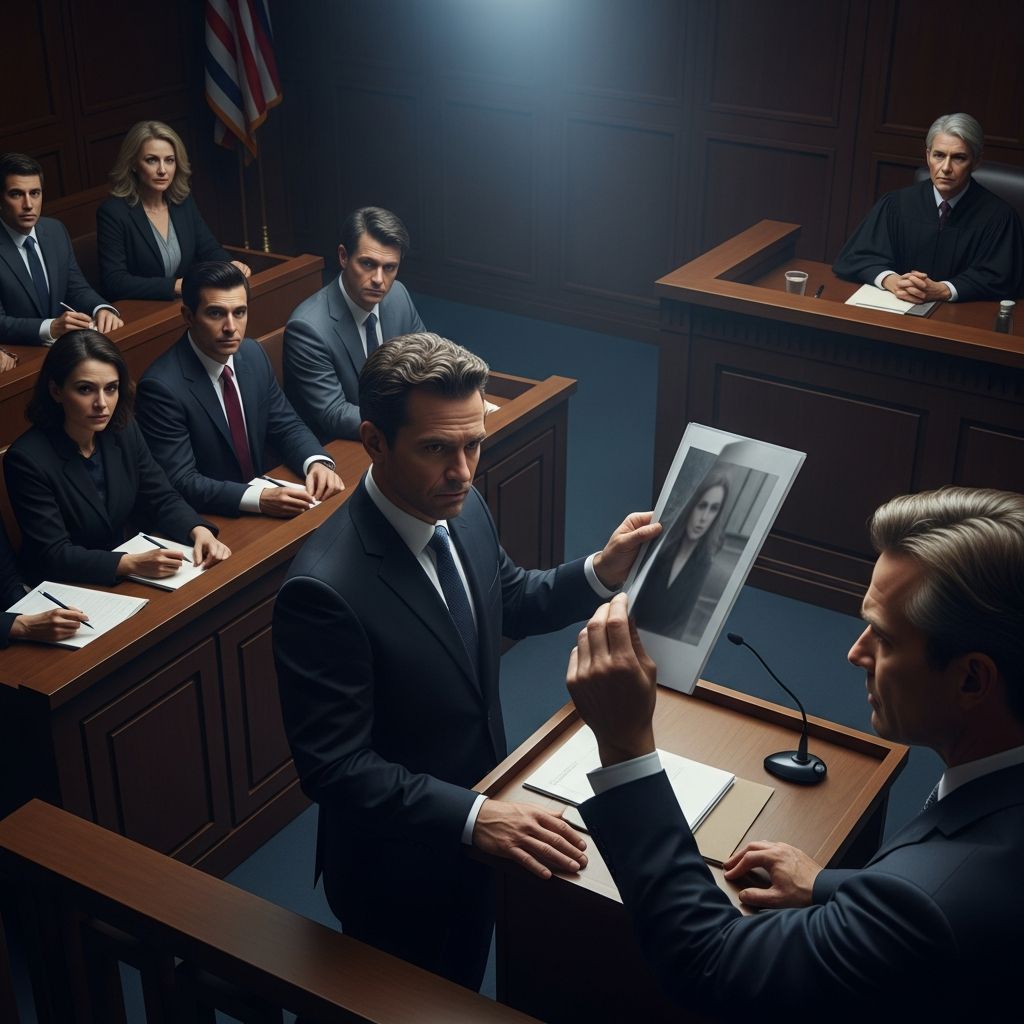
In the shadowy realm of pre-trial proceedings, grand juries serve as gatekeepers, deciding if there’s enough evidence for charges. Central to this is the prosecutor, who steers the process. But does this authority extend to withholding evidence that might help the accused? This exploration dives into the mechanics, legal standards, and debates surrounding prosecutors’ handling of potentially exonerating material during grand jury sessions.
The Core Mission of Grand Juries in Modern Justice
Grand juries originated as protectors against unjust prosecutions, but today they primarily rubber-stamp charges presented by prosecutors. Composed of ordinary citizens, typically 16 to 23 members, they convene in secret to review evidence and vote on indictments. A simple majority often suffices for an indictment, known as a ‘true bill,’ while rejecting charges yields a ‘no bill.’
These bodies investigate suspected crimes, issue subpoenas, and grant immunity to witnesses. Yet, their independence is curtailed by heavy reliance on the prosecutor for information, legal guidance, and procedural direction. This dynamic raises questions about fairness when evidence favoring the defense emerges.
Prosecutorial Dominance: Who Controls the Narrative?
Prosecutors hold immense sway in grand jury rooms. They select witnesses, subpoena documents, draft indictments, and even instruct jurors on the law. In many jurisdictions, they present cases via summary recitations rather than live testimony, streamlining but potentially biasing the process.
- Witness Management: Prosecutors question all witnesses, filtering information flow. Defense attorneys are typically barred from the room, limiting cross-examination.
- Evidence Selection: Only prosecutor-chosen materials reach jurors, often hearsay or one-sided accounts.
- Legal Instruction: They explain crime elements and probable cause, influencing votes without counterarguments.
This control ensures efficiency but risks one-sided presentations. Courts affirm indictments based on regular proceedings, even if flawed, as long as probable cause appears on the surface.
Legal Obligations: Must Exculpatory Evidence Be Shared?
The pivotal question: Does the prosecutor have a duty to disclose evidence undermining the case? Federal law, per Supreme Court precedent, imposes no such requirement. In United States v. Williams (1992), the Court ruled prosecutors need not present ‘substantial exculpatory evidence,’ viewing grand juries as accusatory, not trial-like bodies.
State practices vary. Some, like Texas, encourage but don’t mandate sharing defense-favorable info. Prosecutors may call the accused as a witness, recording testimony, but release requires court order showing need.
| Jurisdiction | Duty to Disclose Exculpatory Evidence | Key Rationale |
|---|---|---|
| Federal | No mandatory duty | Grand jury screens for probable cause, not guilt; prosecutor controls presentation |
| Texas (example) | Encouraged, not required | Focus on informing jurors fully for informed vote; record accused testimony |
| Many States | Varies; often minimal | Prosecutorial discretion prioritized over full disclosure |
Ethical guidelines urge balance. Prosecutors must avoid misleading statements and ensure jurors understand their independent role in assessing probable cause.
Ethical Guardrails and Professional Responsibilities
Beyond strict law, ethics demand integrity. The American Bar Association standards advise presenting ‘evidence fairly,’ cautioning against overreaching. Prosecutors should brief jurors on investigation scope, witness relevance, and remind them decisions rest solely on evidence heard—not prosecutorial opinions.
Courts supervise to prevent abuse, reviewing subpoenas and quashing improper proceedings. Yet, secrecy shields much from scrutiny, with transcripts rarely released pre-trial.
- Opening and Closing: Prosecutors outline cases but avoid guilt assertions.
- Witness Handling: Limits on pressuring reluctant witnesses; immunity offers possible.
- Independence Reminder: Jurors must decide probable cause themselves.
Practical Realities: How Cases Unfold in the Grand Jury Room
A typical session begins with prosecutor explanations of suspected crimes and planned probes. Witnesses testify under oath, often law enforcement first. The accused might appear voluntarily, but without counsel present. Jurors pose questions via the prosecutor, who vets for propriety.
Before voting, prosecutors summarize evidence, outline charge elements, and provide draft indictments. No defense input occurs; jurors vote anonymously. A majority approves, sealing the indictment without disclosing vote tallies.
For targets or witnesses, pre-indictment strategy matters. Defense counsel can approach prosecutors for details on a client’s role, negotiating non-prosecution or immunity. Direct appeals to jurors fail, as proceedings aren’t adversarial.
Critiques and Calls for Reform
Critics argue prosecutorial dominance undermines grand juries’ protective role, turning them into ‘rubber stamps’ with 99% indictment rates. Secrecy exacerbates issues, hiding biases or omissions.
Reform proposals include:
- Mandatory exculpatory disclosure.
- Allowing defense presence or statements.
- Requiring counsel for grand jurors.
- Open proceedings or post-indictment transcript access.
Scholars note structural dependencies—no dedicated space or staff for jurors—reinforce prosecutor control.
Defendant Perspectives: Navigating the Process
If subpoenaed, individuals should consult counsel immediately. Lawyers assess target/subject/witness status by querying prosecutors. Voluntary testimony risks self-incrimination without full context.
Post-indictment, challenges to proceedings are uphill; courts defer if indictments are facially valid. Focus shifts to plea negotiations or trial.
Frequently Asked Questions (FAQs)
What is a grand jury’s main purpose?
It determines if probable cause exists for indictment, acting as a preliminary filter before trial.
Can defense lawyers attend grand jury sessions?
No, proceedings are closed; lawyers advise clients beforehand but can’t participate.
Does the prosecutor control everything?
Largely yes—they select evidence, witnesses, and instruct on law—but jurors vote independently.
Must prosecutors share evidence helping the defendant?
No federal requirement; ethical duty to avoid misleading, but not full disclosure.
What if the grand jury votes no bill?
Charges halt unless re-presented with new evidence; no public record of vote.
Are grand jury votes secret?
Yes, tallies and deliberations remain confidential to protect integrity.
Broader Implications for Criminal Justice Fairness
The grand jury’s evolution from citizen shield to prosecutorial tool sparks debate on equity. While efficient, it risks hasty indictments without balanced views. Reforms could restore independence, ensuring probable cause truly reflects community judgment, not unilateral power.
Understanding these dynamics empowers citizens, lawyers, and policymakers to advocate for transparency. As prosecutorial discretion grows system-wide—in charging, pleas, sentencing—grand jury integrity remains a cornerstone checkpoint.
References
- Role of the Prosecutor Inside the Grand Jury Room — Northwestern University School of Law, Journal of Criminal Law and Criminology. 1984. https://scholarlycommons.law.northwestern.edu/cgi/viewcontent.cgi?article=6459&context=jclc
- How Grand Juries Operate — H. Michael Steinberg, Attorney at Law. Accessed 2026. https://www.hmichaelsteinberg.com/articles/pre-filing-investigation/how-grand-juries-operate/
- Restoring Legitimacy: The Grand Jury as the Prosecutor’s Administrative Agency — Harvard Law Review. 2017. https://harvardlawreview.org/print/vol-130/restoring-legitimacy/
- Grand Jury: Where the Community Meets the Law — Texas District & County Attorneys Association (TD CAA). Accessed 2026. https://www.tdcaa.com/journal/grand-jury-where-the-community-meets-the-law/
- Grand Jury: A Prosecutor Need Not Present Exculpatory Evidence — Washington and Lee Law Review. 1981. https://scholarlycommons.law.wlu.edu/cgi/viewcontent.cgi?article=2401&context=wlulr
- Handbook for Federal Grand Jurors — United States District Court, Middle District of Florida. Accessed 2026. https://www.flmd.uscourts.gov/sites/flmd/files/documents/handbook-for-federal-grand-jurors.pdf
- Grand Juror’s Handbook — New York State Unified Court System. Accessed 2026. https://www.nyjuror.gov/pdfs/hb_grand.pdf
Similar Articles








Read full bio of medha deb


