
Georgia Adverse Possession: Who Qualifies to Claim Land?
Unlock the rules of adverse possession in Georgia: Learn who can claim land after 20 years or 7 under color of title, with key requirements explained.
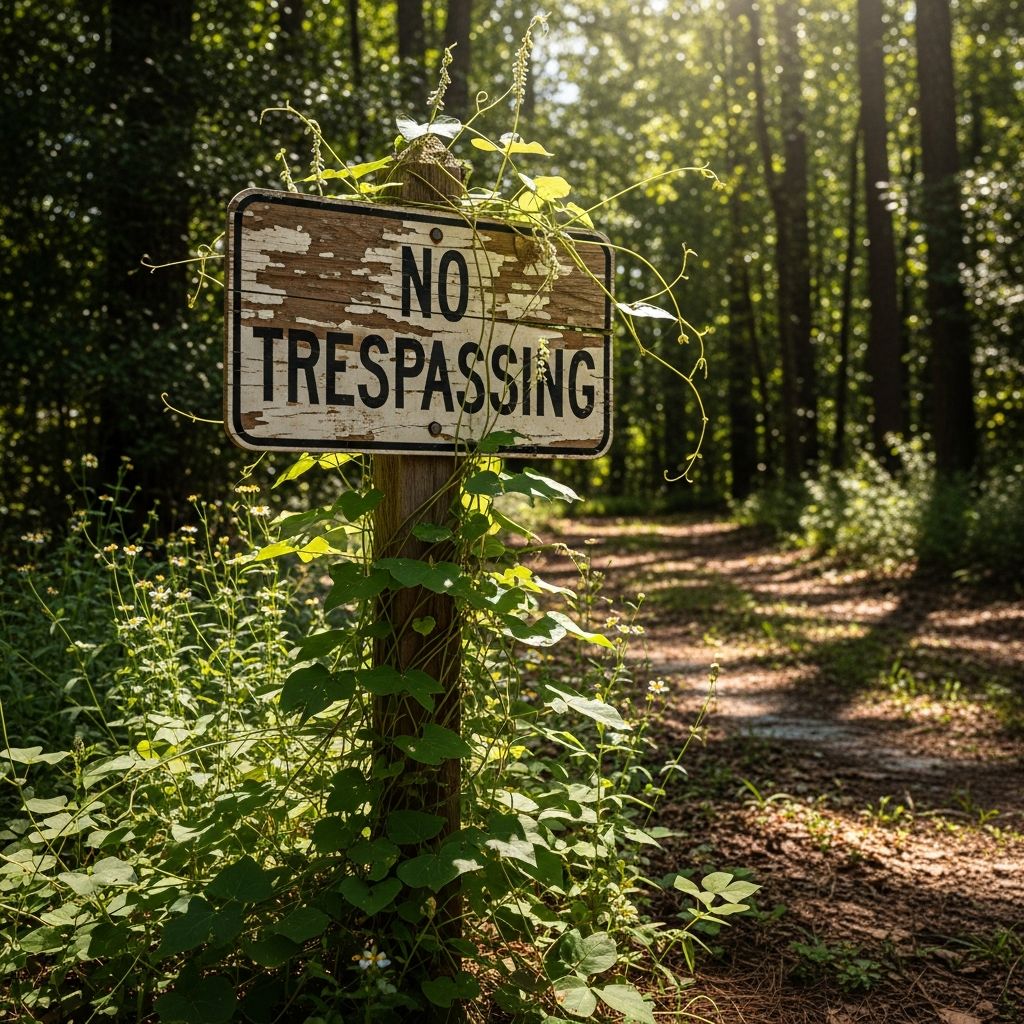
Adverse possession allows individuals to acquire legal title to land by occupying it under specific conditions over time, rather than through traditional purchase or inheritance. In Georgia, this doctrine, known as prescriptive title, balances property rights by rewarding diligent use while protecting true owners from prolonged neglect. Governed primarily by state statutes, it requires claimants to meet strict criteria to shift ownership from the recorded title holder.
Core Principles of Prescriptive Title in Georgia
The foundation of adverse possession lies in Georgia Code § 44-5-161, which outlines four mandatory elements for possession to form the basis of a prescriptive claim. First, possession must belong to the claimant personally, not derived from another’s authority. Second, it cannot stem from fraud, with limited exceptions under § 44-5-162. Third, it must remain public, continuous, exclusive, uninterrupted, and peaceable. Fourth, it requires a claim of right, demonstrating the occupier’s belief in ownership.
Additionally, § 44-5-14 emphasizes that actual possession involves enclosing, cultivating, or using the land in a manner so obvious that it draws attention from any rival claimant and bars others from occupying it. These standards ensure claims are not casual but assertively maintained.
Standard Possession Period: The 20-Year Rule
For most claims without supporting documents, Georgia mandates 20 years of uninterrupted possession. This extended timeframe gives recorded owners ample opportunity to monitor and defend their property. Claimants bear the burden of proving all elements by clear and convincing evidence, a high standard that demands substantial documentation like photos, witness testimonies, tax records, or maintenance logs.
- Public Use: Actions must be visible, such as fencing, landscaping, or building structures, alerting neighbors and authorities.
- Continuous: No significant breaks in use; seasonal activities may suffice if consistent with land type.
- Exclusive: Claimant treats the land as their own, excluding even the true owner without permission.
- Uninterrupted and Peaceable: Free from legal challenges or force during the period.
- Claim of Right: Honest belief in ownership, often shown through improvements or consistent treatment as personal property.
Courts scrutinize these factors rigorously. For instance, mere permission voids a claim, as permissive use cannot ripen into prescription until an adverse assertion and notice to the owner.
Accelerated Claim: 7 Years with Color of Title
Georgia offers a shortcut under § 44-5-164 for those possessing under “color of title,” reducing the period to seven years. Color of title means a written instrument—like a deed or will—that appears valid but has defects, such as a flawed chain of title. However, a deed alone does not suffice; claimants must pair it with actual possession meeting the core elements.
In the 2025 Georgia Supreme Court case Brownphil, LLC v. Cudjoe, the court clarified this, ruling that even a recorded deed requires proof of physical use. The dispute over a Bibb County lot pitted a claimant with chain title against one asserting color of title via an imperfect deed. Vacating a lower decision, justices stressed tangible occupation over paper alone.
| Claim Type | Time Required | Key Requirement | Example |
|---|---|---|---|
| Standard | 20 Years | Notorious use without title document | Farming unused field openly |
| Color of Title | 7 Years | Defective deed + actual possession | Building on land per invalid deed |
Who Cannot Pursue Adverse Possession Claims
Not everyone can claim land this way. Government entities, including state and local bodies, enjoy immunity. Property held by parks, schools, or public lands resists claims, prioritizing public interest. Claimants knowingly trespassing without a good-faith ownership belief also fail, as possession must not originate in bad faith or fraud.
Georgia courts favor good-faith actors who mistakenly believe they own the land, as seen in Kelley v. Randolph (2014), where disclaimers of ownership undermined the claim. Expressly seeking permission further negates hostility.
Distinguishing Adverse Possession from Easements
Adverse possession transfers full title and exclusion rights, unlike easements, which grant limited use (e.g., driveway access) while title remains with the owner. Easements arise from agreements or necessity, not hostile occupation. Confusing the two often dooms claims, as shared rights preclude exclusivity.
Proving a Claim: Evidence and Court Process
Success hinges on the claimant’s proof. Quiet title actions in superior court challenge recorded ownership, requiring affidavits, surveys, and historical records. True owners defend by showing gaps in possession or permission. Statutes of limitation protect possessors post-period, but ejectment suits can interrupt before maturity.
Common pitfalls include insufficient notoriety (e.g., hidden encroachments) or non-hostile intent. Minor border disputes may not qualify unless major and visible.
Practical Implications for Landowners and Neighbors
Owners should patrol boundaries, post signs, and grant written permissions for uses. Neighbors encroaching (e.g., fences, sheds) trigger vigilance. Claimants invest in documentation early, as courts demand compelling evidence.
Adverse possession promotes land productivity but deters neglect. In urbanizing Georgia, disputes rise over vacant lots, emphasizing proactive title monitoring.
Frequently Asked Questions
Can squatters claim adverse possession in Georgia?
Short-term squatting rarely qualifies; it needs 20 years of strict elements or 7 with color of title. Hostile, open use distinguishes viable claims from mere trespass.
Does paying property taxes help a claim?
Taxes support but do not alone create title; they evidence claim of right alongside possession.
What if the true owner sues midway?
A successful ejectment resets the clock; uninterrupted possession is key.
Can businesses claim adverse possession?
Yes, LLCs or firms can if meeting elements, as in recent Supreme Court cases.
Applies to apartments or leased land?
No; tenants possess permissively, blocking prescription against landlords.
Strategic Considerations and Legal Counsel
Navigating claims demands attorneys specializing in real estate litigation. Costs include surveys, filings, and trials, but success yields clear title. Owners use title insurance and boundary agreements preventively.
Georgia’s framework evolves via cases refining “good faith” and color sufficiency. Claimants must act decisively, as partial compliance fails.
References
- Georgia Code § 44-5-161 (2024) – Adverse possession — Justia Law. 2024. https://law.justia.com/codes/georgia/title-44/chapter-5/article-7/section-44-5-161/
- Who Can Claim Property Based on Adverse Possession in Georgia? — Nolo. Accessed 2026. https://www.nolo.com/legal-encyclopedia/who-can-claim-property-based-adverse-possession-georgia.html
- A Deed Alone Is Not Enough: Georgia Supreme Court Clarifies Limits on Adverse Possession — Buchalter. 2025-10-08. https://www.buchalter.com/insights/a-deed-alone-is-not-enough-georgia-supreme-court-clarifies-limits-on-adverse-possession/
- Georgia Code § 44-5-164 — Official Georgia Statutes (via Justia). 2024. https://law.justia.com/codes/georgia/title-44/chapter-5/article-7/section-44-5-164/
- Georgia Adverse Possession Law: Squatter’s Rights Explained — See You In Court Podcast. 2025-07-22. https://seeyouincourtpodcast.org/2025/07/22/georgia-squatters-rights-adverse-possession-laws/
- Kelley v. Randolph, 295 Ga. 721 — Georgia Supreme Court. 2014. https://law.justia.com/cases/georgia/supreme-court/2014/s14a0795.html
Similar Articles








Read full bio of Sneha Tete


