
Generic Drugs and Affordable Prescriptions
Understand how generic medicines can cut your prescription costs while delivering the same clinical results as brand-name drugs.
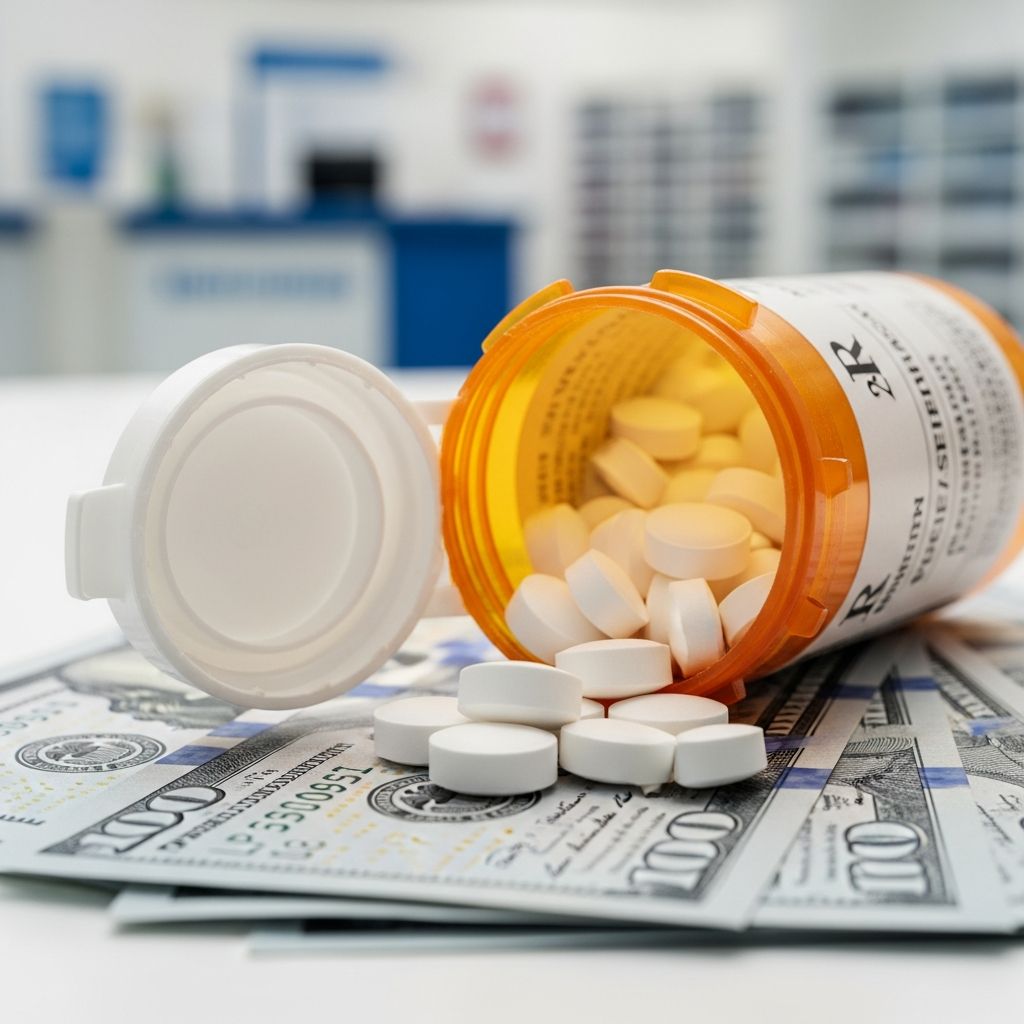
Prescription medicines are essential for many people, but the cost can be overwhelming. One of the most effective ways to manage those expenses is to use generic drugs whenever it is safe and appropriate to do so. This guide explains what generics are, how they compare to brand-name medicines, and how you can use them wisely to save money without sacrificing quality or safety.
What Exactly Is a Generic Drug?
A generic drug is a medication designed to perform the same way in the body as an already approved brand-name drug. The U.S. Food and Drug Administration (FDA) requires generics to have the same active ingredient, dosage form, strength, route of administration, and intended use as the original brand product.
- Same active ingredient: The chemical that treats your condition is identical to the brand-name version.
- Same strength and dosage: The amount of medicine and how you take it (tablet, capsule, injection, etc.) must match the brand.
- Same clinical effect: Generics must show bioequivalence, meaning they work the same way and provide the same benefit in the body as the brand drug.
- Same quality standards: Generic manufacturers must meet the same FDA standards for quality, purity, and manufacturing practices as brand-name companies.
Some aspects of a generic medicine can differ, such as color, shape, or certain inactive ingredients like fillers or dyes, as long as those differences do not change how the medication works.
Why Generic Drugs Usually Cost Less
People often assume that a lower price means lower quality. With FDA-approved generics, that is not the case. The price difference is mainly due to how the drugs are developed and marketed.
- No repeated research costs: Brand-name drugs are developed through years of research, clinical trials, and marketing. Generic companies can rely on that existing evidence, so they do not repeat the entire development process.
- Competition lowers prices: Once patents and market exclusivity on a brand drug expire, multiple generic manufacturers can enter the market, which drives prices down.
- Less advertising: Generic manufacturers generally invest far less in promotion and sales efforts than brand-name companies.
Because of these factors, generics are typically sold at substantial discounts compared with brand drugs. FDA estimates that generic medicines often cost about 80% to 85% less than their brand-name equivalents. Over time, those savings add up significantly for both individual patients and the health system as a whole.
How Regulators Ensure Generics Are Safe and Effective
Before a generic drug can be sold, the manufacturer must submit data to the FDA demonstrating that the generic is equivalent to the brand-name product in key ways.
| Requirement | What It Means for You |
|---|---|
| Bioequivalence testing | The generic must show it reaches the bloodstream at the same rate and extent as the brand drug, so it should work the same way in your body. |
| Same active ingredient and strength | You receive the same dose of the same medicine as in the brand product. |
| Strict manufacturing standards | Factories are inspected, and the generic must meet the same quality and purity standards as the brand drug. |
| Comparable labeling | Most safety information, directions for use, and warnings must match the brand’s approved labeling, with limited exceptions. |
FDA continues to monitor generic drugs after approval by reviewing reports of side effects, inspecting facilities, and evaluating product quality. If a problem is identified, the agency can require changes or remove products from the market.
Benefits of Choosing Generic Medicines
When a generic option is available and appropriate, it can offer several advantages beyond just lowering your pharmacy bill.
1. Lower Out-of-Pocket Costs
- Substantial price discounts: Generics can cost a fraction of the price of brand-name drugs, easing the burden on patients and families.
- Insurance incentives: Many health plans have lower copayments for generic prescriptions, making them the most economical choice for covered patients.
- System-wide savings: Widespread use of generics has saved the U.S. health care system hundreds of billions of dollars over time, helping to slow overall spending growth.
2. Improved Access and Adherence
- More affordable long-term therapy: People who need ongoing treatment for chronic conditions like high blood pressure or diabetes may find it easier to stay on therapy when costs are lower.
- Fewer skipped doses: Lower prices reduce the temptation to stretch medicines by taking them less often than prescribed, which can improve health outcomes.
3. Comparable Clinical Results
- Same therapeutic effect: Because generics must be bioequivalent to brand drugs, they are expected to provide the same benefit and carry similar risks when used as directed.
- Backed by evidence and oversight: Regulators and major health systems support appropriate generic use as a safe, effective way to provide needed treatment at lower cost.
How Brand-Name and Generic Drugs Can Differ
Although generics must match their brand counterparts in active ingredient and clinical performance, some differences are allowed. Understanding these variations can help you feel more confident if your pills suddenly look unfamiliar.
- Appearance: Shape, color, and markings can differ because trademark law protects the look of the brand product. Appearance does not affect how the drug works.
- Inactive ingredients: Fillers, binders, flavors, and coloring agents may not be identical, but they must be acceptable and not alter the medicine’s safety or effectiveness.
- Packaging: Bottles and boxes often look different from the branded version, particularly when pharmacies switch generic suppliers.
If you notice a change in how you feel after switching between brand and generic, or between different generics, talk with your prescriber or pharmacist. In most cases, the medicine will still be working the same way, but your health care team can help evaluate any concerns.
When a Generic May Not Be Available
Not every prescription has a generic equivalent. Generics typically become available only after patents and exclusivity periods end for the brand-name medicine, which can take many years.
- New drugs: Recently approved medications are more likely to be available only as brand-name products.
- Biologic medicines: Complex drugs made from living cells, such as some cancer or autoimmune therapies, use a related but distinct category called biosimilars instead of traditional generics.
- Limited markets: For some medicines used by relatively few patients, generic manufacturers may be slower to enter the market because sales potential is smaller.
If you are prescribed a brand-name drug with no generic equivalent, you can still ask about alternatives—sometimes a different medicine in the same class has a generic version your doctor considers acceptable.
How to Talk With Your Doctor and Pharmacist About Generics
Health professionals expect and often encourage questions about generic drugs. A short conversation can help you understand your options and avoid confusion at the pharmacy.
Key Questions to Ask Your Prescriber
- “Is there a generic version of this medicine that would work for me?”
- “If my insurance prefers a different generic, is it acceptable to switch to that option?”
- “Are there any reasons I should stay on the brand-name version, such as past reactions or how this specific drug behaves?”
Questions for Your Pharmacist
- “You dispensed a different-looking pill this time—is this a different generic of the same medicine?”
- “Can you explain any differences in inactive ingredients that might matter if I have allergies or intolerances?”
- “Are there less expensive generic alternatives covered by my insurance?”
Always tell your doctor and pharmacist about any allergies, intolerances, or unusual reactions you have experienced with medications, whether brand or generic. That information helps them choose the safest option for you.
Practical Tips to Save Money on Prescriptions Using Generics
Beyond simply asking for generics, there are several strategies that can help reduce what you pay at the pharmacy counter.
- Review your medication list regularly: At each visit, ask whether any brand drugs you take now have generic alternatives.
- Use your plan’s preferred generics: Check your health plan’s formulary (drug list) to see which generics are placed on the lowest cost tiers.
- Compare pharmacies: Out-of-pocket prices can vary, especially if you pay cash or use pharmacy discount programs. Asking for a price check may reveal lower-cost options.
- Ask about 90-day supplies: If appropriate and covered, a larger supply of a generic medication may reduce your cost per dose and cut down on trips to the pharmacy.
- Combine safety with savings: Never split tablets, change doses, or alter how you take a medication to save money without your prescriber’s approval.
Common Concerns and Misconceptions About Generics
Many worries about generic medicines stem from misunderstandings. Addressing these concerns can help you feel more comfortable using lower-cost options.
- “If it’s cheaper, it must be weaker.” Lower price is tied to reduced research and marketing costs, not to weaker or diluted medicine. FDA standards for safety and effectiveness are the same for brand and generic drugs.
- “My generic pill looks different, so it must work differently.” Color and shape are cosmetic features and do not change how the medicine functions. Pharmacies may change suppliers, leading to a different appearance from refill to refill.
- “I felt different when I switched to a generic.” Many factors, including expectations, other health changes, and normal symptom variation, can affect how you feel. If something seems off, discuss it with your health care team so they can determine whether the change is related to the medication.
Frequently Asked Questions (FAQs)
Q: Do generic drugs really work as well as brand-name drugs?
A: Yes. FDA-approved generics must show that they are bioequivalent to the brand-name product, meaning they deliver the same amount of active ingredient to your body at the same rate and provide the same clinical effect when used as directed.
Q: Why do my generic pills keep changing color or shape?
A: Pharmacies may purchase the same generic medication from different manufacturers at different times. Each manufacturer uses its own pill design and markings, but the active ingredient and required clinical performance must remain equivalent to the brand drug.
Q: Are generic drugs always the right choice?
A: Generics are a safe, effective option for most people and conditions when available. However, for some medicines or specific patient situations, a prescriber may recommend staying with a particular brand product. Always follow the guidance of your health care provider.
Q: Can I ask my pharmacist to substitute a generic without calling my doctor?
A: In many places, pharmacists are allowed or required to dispense a generic equivalent unless your prescriber indicates otherwise. Rules vary by state and by prescription, so you can ask your pharmacist how substitution works where you live.
Q: What if I have an allergy to an inactive ingredient in a generic?
A: Inactive ingredients can differ among manufacturers. If you suspect a reaction to dyes or fillers, tell your pharmacist and prescriber. They may choose another manufacturer’s generic, or in some cases, a specific brand product that avoids the problem ingredient.
References
- Generic Drugs: Questions & Answers — U.S. Food and Drug Administration. 2021-09-28. https://www.fda.gov/drugs/frequently-asked-questions-popular-topics/generic-drugs-questions-answers
- Generic Drug Facts — U.S. Food and Drug Administration. 2022-11-22. https://www.fda.gov/drugs/generic-drugs/generic-drug-facts
- The Pros and Cons of Using Generic Drugs — UMass Memorial Health. 2022-07-11. https://www.ummhealth.org/simply-well/the-pros-and-cons-of-using-generic-drugs
- Generic vs. Brand-Name Drugs: Is There a Difference? — University Hospitals. 2022-07-19. https://www.uhhospitals.org/blog/articles/2022/07/generic-vs-brand-name-drugs-is-there-a-difference
- Generic Drugs: A Treatment for High-Cost Health Care — Kesselheim AS et al., JAMA Internal Medicine (via NCBI/NIH). 2020-02-10. https://www.ncbi.nlm.nih.gov/pmc/articles/PMC7023936/
- What Is a Generic Drug? — Cleveland Clinic Health Essentials. 2022-03-10. https://health.clevelandclinic.org/what-is-a-generic-drug
- What Are the Benefits of Using Generic Medications? — Ochsner Health. 2023-05-30. https://blog.ochsner.org/articles/what-is-the-benefit-of-using-generic-medications/
Similar Articles








Read full bio of medha deb


