
The Future of Capital Punishment in Pennsylvania
Analyzing the legislative debate over Pennsylvania's death penalty.
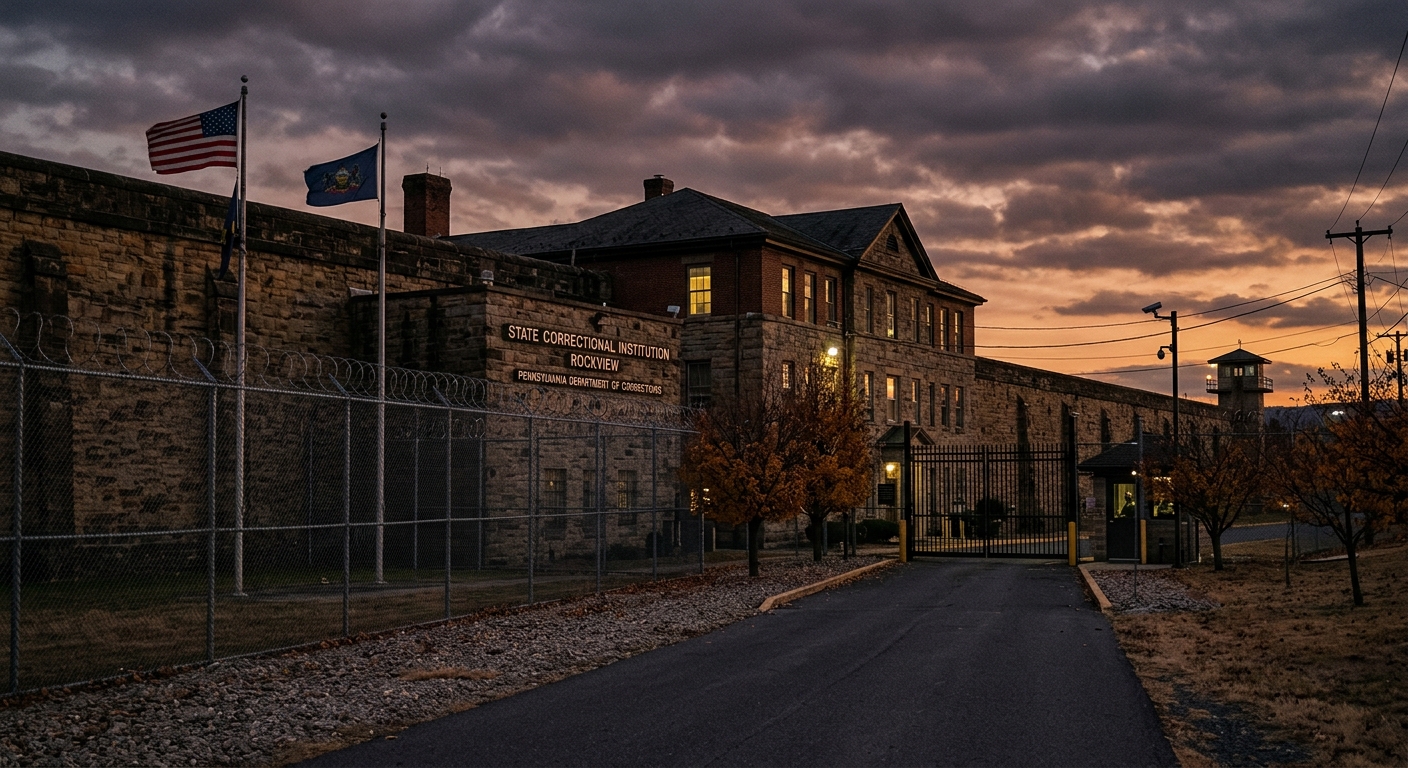
The Legislative Crossroads of Capital Punishment in Pennsylvania
For decades, the Commonwealth of Pennsylvania has maintained a complex and heavily debated relationship with capital punishment. Despite having one of the largest populations of death row inmates in the country at various points in its history, the state has not carried out an execution in over twenty years. Today, Pennsylvania finds itself at a significant legislative crossroads. With executive leaders explicitly calling for the formal abolition of the practice and lawmakers actively debating its future, the state’s criminal justice system is undergoing profound scrutiny. This article provides a comprehensive analysis of the historical context, systemic evaluations, and current legislative movements surrounding the death penalty in Pennsylvania.
A Historical Perspective on Pennsylvania’s Death Penalty
Understanding the current debate requires looking back at Pennsylvania’s extensive history with capital punishment. The Commonwealth was historically a pioneer in the evolution of execution methods and penal reform. In 1834, Pennsylvania became the very first state in the United States to outlaw public executions, moving the gallows behind the walls of county prisons . This shift was intended to make executions more solemn and less of a public spectacle, reflecting early moral debates about the state’s role in taking a life.
By 1913, the state legislature centralized the execution process, transferring the responsibility from individual county authorities to the state government and shifting the method from hanging to electrocution. Between 1915 and 1962, Pennsylvania carried out hundreds of executions. However, the modern era of the death penalty—following the Supreme Court’s reinstatement of capital punishment in 1976—has seen drastically different outcomes. In 1990, the state adopted lethal injection as its sole method of execution .
Despite handing down hundreds of death sentences since the late 1970s, Pennsylvania has only executed three individuals in the modern era, all of whom waived their remaining appeals and essentially volunteered for execution. The last person executed in the Commonwealth was Gary Heidnik in 1999. Since then, the state has maintained a de facto pause on executions, which was later formalized into a strict executive moratorium by Governor Tom Wolf in 2015, citing fundamental flaws in the administration of the ultimate punishment .
Key Milestones in Pennsylvania Capital Punishment
| Year | Historical Event |
|---|---|
| 1834 | Pennsylvania becomes the first U.S. state to outlaw public executions. |
| 1913 | Executions are centralized to the state level; electrocution replaces hanging. |
| 1962 | The final execution via the electric chair is carried out. |
| 1990 | Lethal injection is established as the Commonwealth’s primary method of execution. |
| 1999 | Gary Heidnik is the last individual to be executed in Pennsylvania. |
| 2015 | Governor Tom Wolf issues an executive moratorium on all executions. |
| 2023 | Governor Josh Shapiro formally calls on the General Assembly to abolish the death penalty. |
The 2018 Joint State Government Commission Report
The transition from active executions to a sustained moratorium was largely driven by concerns over systemic inaccuracies and constitutional violations. To objectively evaluate these concerns, the Pennsylvania Senate commissioned a comprehensive, bipartisan study. In June 2018, the Joint State Government Commission released an exhaustive report detailing the administration of capital punishment in the state .
The report examined 17 specific areas related to the death penalty, including the quality of legal representation, racial bias, the risk of executing innocent people, and the financial cost to taxpayers. The findings were sobering. The advisory committee concluded that there was no conceivable way to establish procedural safeguards that could guarantee, with absolute certainty, that an innocent person would not be executed . Furthermore, the report highlighted a glaring deficiency in the state’s legal framework: Pennsylvania is the only state in the nation that fails to provide state-level funding for indigent defense in capital cases. This county-by-county patchwork system often leads to severe inequities, meaning that a defendant’s likelihood of receiving a death sentence heavily depends on the budget of the county where the crime was committed, rather than the severity of the offense itself.
Because of these inadequacies, the report found that an overwhelming majority of death sentences in Pennsylvania are eventually overturned during the appeals process. The American Bar Association (ABA) supported these findings, noting that the 2018 report confirmed severe systemic deficiencies, including a disturbing rate of ineffective counsel leading to reversed sentences .
Wrongful Convictions and Exonerations
One of the primary catalysts for the national and state-level shift away from capital punishment is the undeniable reality of wrongful convictions. The irreversible nature of the death penalty means that any error in the justice system can result in an irremediable tragedy. Pennsylvania is not immune to this risk.
According to the Death Penalty Information Center, multiple individuals have been exonerated from Pennsylvania’s death row after spending years, and sometimes decades, awaiting execution for crimes they did not commit . Exonerations in capital cases generally occur when new DNA evidence is discovered, when key witness testimony is proven false, or when widespread prosecutorial misconduct is uncovered.
In Pennsylvania, official misconduct and ineffective assistance of counsel are frequently cited as the leading causes of wrongful death penalty convictions. Studies analyzing post-conviction appeals in the Commonwealth have revealed that in over 90% of cases where a death sentence is overturned and the defendant faces a retrial or resentencing, they do not receive the death penalty again . This staggering statistic underscores the unreliability of the initial trials and sentences, fueling the argument among legal scholars and civil rights advocates that the system is fundamentally broken.
The Economic Burden of Maintaining Death Row
While moral and constitutional arguments often dominate the public discourse on capital punishment, the economic realities play an equally crucial role in legislative debates. Maintaining a death penalty system is exorbitantly expensive for state and local governments.
Capital cases require specialized legal counsel, extensive investigations, expert witnesses, and lengthy jury selection processes. The trial phase alone costs exponentially more than a non-capital first-degree murder trial. Once a sentence is handed down, the appeals process—which is constitutionally required to prevent wrongful executions—can span decades. During this time, inmates are housed in highly secure, segregated environments, which cost the Pennsylvania Department of Corrections significantly more per day than housing inmates in the general prison population .
Supporters of abolition argue that the millions of taxpayer dollars spent annually to uphold a system that ultimately does not result in executions could be better allocated. They suggest redirecting these funds toward crime prevention programs, mental health resources, victim support services, and solving cold cases. Conversely, some proponents of the death penalty argue that the high costs are artificial, driven by an overly permissive appeals process, and that streamlining judicial reviews would reduce the financial burden while maintaining a necessary deterrent.
Executive Action and Legislative Momentum
The status of the death penalty in Pennsylvania experienced a significant political shift in early 2023. Governor Josh Shapiro, who previously served as the state’s Attorney General, announced a definitive stance against capital punishment. He stated that the Commonwealth should not be in the business of putting people to death and pledged to refuse to sign any execution warrants during his tenure .
Governor Shapiro’s announcement marked a pivotal moment because he explicitly called on the Pennsylvania General Assembly to pass legislation formally abolishing the death penalty. While his predecessor, Governor Wolf, implemented the moratorium, Shapiro urged lawmakers to take the final statutory step to remove capital punishment from the state’s penal code permanently.
In response to this executive pressure, bipartisan coalitions within the state legislature have begun drafting and debating repeal bills. These legislative efforts aim to replace the death penalty with a maximum sentence of life imprisonment without the possibility of parole. However, achieving statutory abolition is a complex legislative hurdle. Lawmakers who support keeping the death penalty argue that it remains a necessary tool for prosecutors when negotiating plea deals and serves as the only appropriate response to the most heinous crimes, such as mass shootings or the murder of law enforcement officers.
Contextualizing Pennsylvania Within National Trends
Pennsylvania’s internal debate mirrors a broader, national trend regarding the application of capital punishment. Over the past two decades, there has been a steady decline in both the number of death sentences handed down and the number of executions carried out across the United States.
- Abolitionist States: Nearly half of all U.S. states have formally abolished the death penalty. States like Virginia, Colorado, and Illinois have fully repealed their capital punishment statutes in recent years.
- Gubernatorial Moratoriums: Several states, including California and Oregon, currently operate under executive moratoriums similar to Pennsylvania’s, where the death penalty remains on the books but executions are halted.
- Public Opinion: National polling indicates a gradual shift in public sentiment. While a slight majority of Americans still support the death penalty in theory, that support drops significantly when respondents are offered the alternative of life in prison without parole.
If the Pennsylvania legislature succeeds in passing an abolition bill, it would signify a major milestone, particularly given the state’s historical prominence in shaping American penal history. It would also transition one of the largest death rows in the country into a population serving life sentences, effectively closing a long and contentious chapter in the state’s judicial system.
Frequently Asked Questions (FAQ)
What does a “moratorium” on the death penalty mean?
A moratorium is a temporary suspension of executions. In Pennsylvania, this means that while prosecutors can still seek the death penalty in court, and judges/juries can still sentence convicted individuals to death, the state will not actually carry out the execution. The Governor simply refuses to sign the final execution warrants.
Is the death penalty currently illegal in Pennsylvania?
No, the death penalty is still legally authorized under Pennsylvania law. The moratorium is an executive action, not a change in the state’s legal statutes. For the death penalty to become illegal, the General Assembly must pass a bill repealing it, which the Governor must then sign into law.
How many people are on death row in Pennsylvania?
The exact number fluctuates due to ongoing appeals, overturned sentences, and natural deaths. However, Pennsylvania historically maintains one of the larger death row populations in the United States, typically consisting of over 100 individuals at any given time, managed securely by the Department of Corrections.
What happens to current death row inmates if the death penalty is abolished?
Typically, when a state abolishes the death penalty legislatively, the new law either retroactively converts existing death sentences to life imprisonment without the possibility of parole, or the Governor uses their clemency powers to commute the sentences of those currently on death row to life in prison.
Has anyone ever been proven innocent after being sentenced to death in PA?
Yes. Since the reinstatement of the death penalty, several individuals in Pennsylvania have been fully exonerated and released from death row after evidence emerged proving they did not commit the crimes for which they were sentenced to die.
References
- Capital Punishment in Pennsylvania: The Report of the Task Force and Advisory Committee — Joint State Government Commission, Commonwealth of Pennsylvania. 2018-06-01. http://jsg.legis.state.pa.us/publications.cfm?JSPU_PUBLN_ID=476
- Pennsylvania State Information — Death Penalty Information Center. 2024-01-01. https://deathpenaltyinfo.org/state-and-federal-info/state-by-state/pennsylvania
- Death Penalty Initiatives and History — Pennsylvania Department of Corrections. 2024-01-01. https://www.cor.pa.gov/About%20Us/Initiatives/Pages/Death-Penalty.aspx
- Governor Shapiro Calls for the End of the Death Penalty in Pennsylvania — American Bar Association. 2023-05-01. https://www.americanbar.org/groups/committees/death_penalty_representation/publications/project_blog/gov-shapiro-calls-for-end-to-pa-death-penalty/
Similar Articles








Read full bio of Sneha Tete




