
FTC Cracks Down on Influencer Marketing Violations
Discover how Nordstrom's influencer event triggered FTC scrutiny and key lessons for compliant social media promotions.
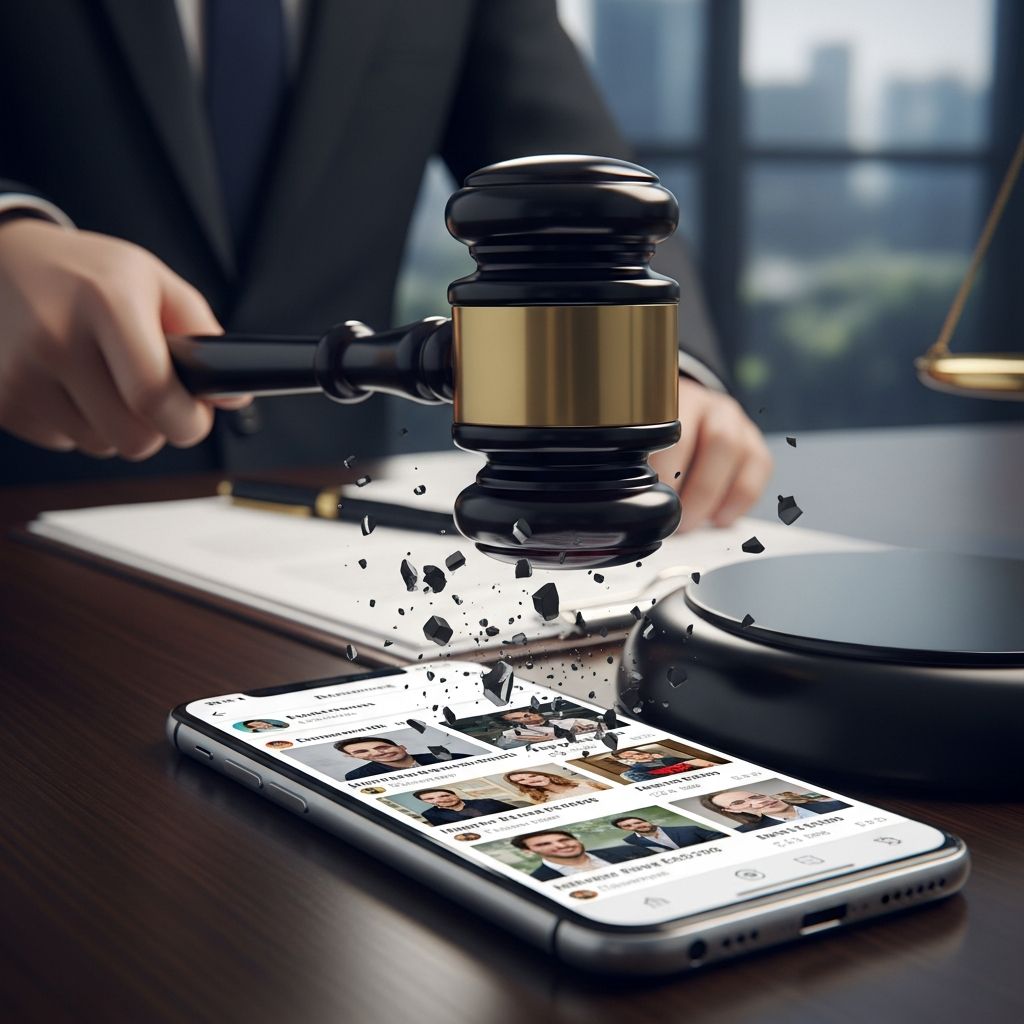
Retail giant Nordstrom faced a stern warning from the Federal Trade Commission (FTC) after hosting an event that blurred the lines between genuine customer enthusiasm and paid promotion. This incident underscores the growing regulatory focus on transparency in social media endorsements, where influencers must clearly disclose any brand relationships to avoid deceiving consumers.
The Rise of Influencer-Driven Promotions in Retail
Social media has transformed how brands like Nordstrom engage customers. Events such as tweetups—gatherings where attendees share real-time experiences online—offer immersive brand interactions. However, when these involve free products or perks without proper disclosure, they risk violating FTC endorsement rules. Nordstrom’s case illustrates how even well-intentioned marketing can attract scrutiny if connections between brands and promoters aren’t transparent.
Influencer marketing now influences nearly half of consumer purchases, making compliance critical. Brands must ensure participants understand disclosure obligations, as the FTC holds both endorsers and companies accountable.
Understanding FTC Endorsement Guidelines
The FTC’s Guides Concerning the Use of Endorsements and Testimonials in Advertising, updated in 2023, mandate clear revelations of ‘material connections’—any financial, employment, or gift-based ties that could sway audience trust. These apply across platforms, from Instagram to TikTok.
- Material Connections Defined: Free products, payments, discounts, or family ties to the brand.
- Honest Opinions Required: Endorsements must reflect genuine experiences, not scripted praise.
- Advertiser Responsibilities: Brands must instruct influencers on disclosures and monitor compliance.
Failure to adhere can lead to investigations, warning letters, or fines up to $50,120 per violation.
Key Elements of Effective Disclosures
Disclosures must be ‘clear and conspicuous’—unavoidable and prominent. Vague terms like #partner don’t suffice; use #ad or #sponsored instead.
| Platform | Best Disclosure Practices | Examples |
|---|---|---|
| Instagram Posts | Place at caption start, before ‘more’ button | #Ad Thanks to [Brand] for gifting this item #Sponsored |
| Stories/TikTok | Overlay text on screen, readable size, full duration | Paid partnership with [Brand] (large font) |
| Twitter/X | Use #Ad or ‘[Brand] Partner’ in tweet | #Ad Loving this [Product] from [Brand]Partner! |
| Early in caption, plain language | Free product from [Brand] #ad |
These methods ensure viewers notice the sponsorship immediately, preventing deception.
Lessons from Real-World Enforcement Cases
Nordstrom’s tweetup involved attendees receiving gifts and posting positively without disclosures, prompting FTC intervention. This mirrors broader patterns: the agency has issued warnings to fashion brands and influencers for similar lapses.
Recent updates emphasize prohibiting review manipulation, like buying positive feedback or suppressing negatives. Advertisers can’t misattribute endorsements or edit reviews deceptively. For instance, using someone’s likeness without permission for mismatched claims is now explicitly banned.
Brand and Influencer Responsibilities Breakdown
Both parties share liability. Brands must:
- Provide clear contracts outlining FTC rules.
- Educate on disclosure formats.
- Audit posts for compliance.
Influencers should:
- Disclose in every promotional post.
- Avoid assuming audience awareness.
- Review brand policies before partnering.
Global influencers must also heed local laws alongside FTC standards.
Penalties and Consequences of Non-Compliance
Violations trigger a spectrum of responses: from cease-and-desist letters demanding immediate fixes to civil penalties. In severe cases, injunctions or refunds may follow. The FTC’s 2023 revisions heightened accountability, with endorsers facing personal fines.
Reputational damage compounds legal risks—lost trust erodes long-term partnerships. Proactive compliance builds credibility.
Strategies for Compliant Event Marketing
To avoid Nordstrom-like pitfalls:
- Pre-Event Training: Host sessions on FTC rules, providing disclosure templates.
- Hashtag Mandates: Require #ad in all event-related posts.
- Post-Event Monitoring: Scan social media for undisclosed content and remind violators.
- Contract Clauses: Include compliance indemnification.
Incorporate these into tweetups, pop-ups, or virtual events for risk-free buzz.
Evolving Landscape: 2025 and Beyond
With FTC voting on stricter influencer sanctions, expect intensified enforcement. Platforms may integrate disclosure tools, but personal responsibility remains paramount. Brands adapting early gain competitive edges through authentic engagement.
Frequently Asked Questions (FAQs)
What triggers an FTC investigation into influencer posts?
Undisclosed material connections, like free gifts or payments, in promotional content. Disclosures buried in profiles or hashtags don’t count.
Can brands host gifting events without disclosures?
No—recipients must disclose gifts if posting endorsements. Brands should instruct and monitor.
Are hashtags like #gifted or #collab sufficient?
Not always; #ad or #sponsored are safer for clarity. Check platform-specific guidance.
What if an influencer’s experience isn’t typical?
Disclose that results may vary, with general expectations to avoid misleading claims.
How do international rules interact with FTC guidelines?
Influencers targeting U.S. audiences must follow FTC, plus local laws like EU transparency directives.
Building a Compliant Influencer Program
Successful programs start with vetted partners who prioritize ethics. Use tools for automated disclosure checks and regular audits. Train teams on updates via FTC resources. Case studies show compliant campaigns boost ROI through sustained trust.
Expand beyond events: apply rules to user-generated content, affiliate links, and reviews. This holistic approach future-proofs marketing amid regulatory shifts.
References
- New FTC guidelines for social media influencers — University of Minnesota Twin Cities. 2023-11-01. https://twin-cities.umn.edu/news-events/new-ftc-guidelines-social-media-influencers
- FTC Guidelines for Influencers: Everything You Need to Know in 2025 — inBeat Agency. 2025-01-01. https://inbeat.agency/blog/ftc-guidelines-for-influencers
- New FTC Guidelines for Social Media Endorsements by Influencers — HCH Lawyers. 2023-09-01. https://www.hchlawyers.com/blog/2023/september/new-ftc-guidelines-for-social-media-endorsements/
- Tips for Navigating FTC Influencer Guidelines — Sprout Social. 2023-08-01. https://sproutsocial.com/insights/ftc-influencer-guidelines/
- FTC Requirements For Influencers: Guidelines and Rules — Termly. 2024-01-01. https://termly.io/resources/articles/ftc-requirements-for-influencers/
- Disclosures 101 for Social Media Influencers — Federal Trade Commission. 2023-07-26. https://www.ftc.gov/business-guidance/resources/disclosures-101-social-media-influencers
Similar Articles








Read full bio of medha deb


