
Frontier Airlines Mastercard: A Practical Traveler’s Guide
Understand how the Frontier Airlines Mastercard works, when it can be valuable, and how to decide if it fits your travel and rewards strategy.
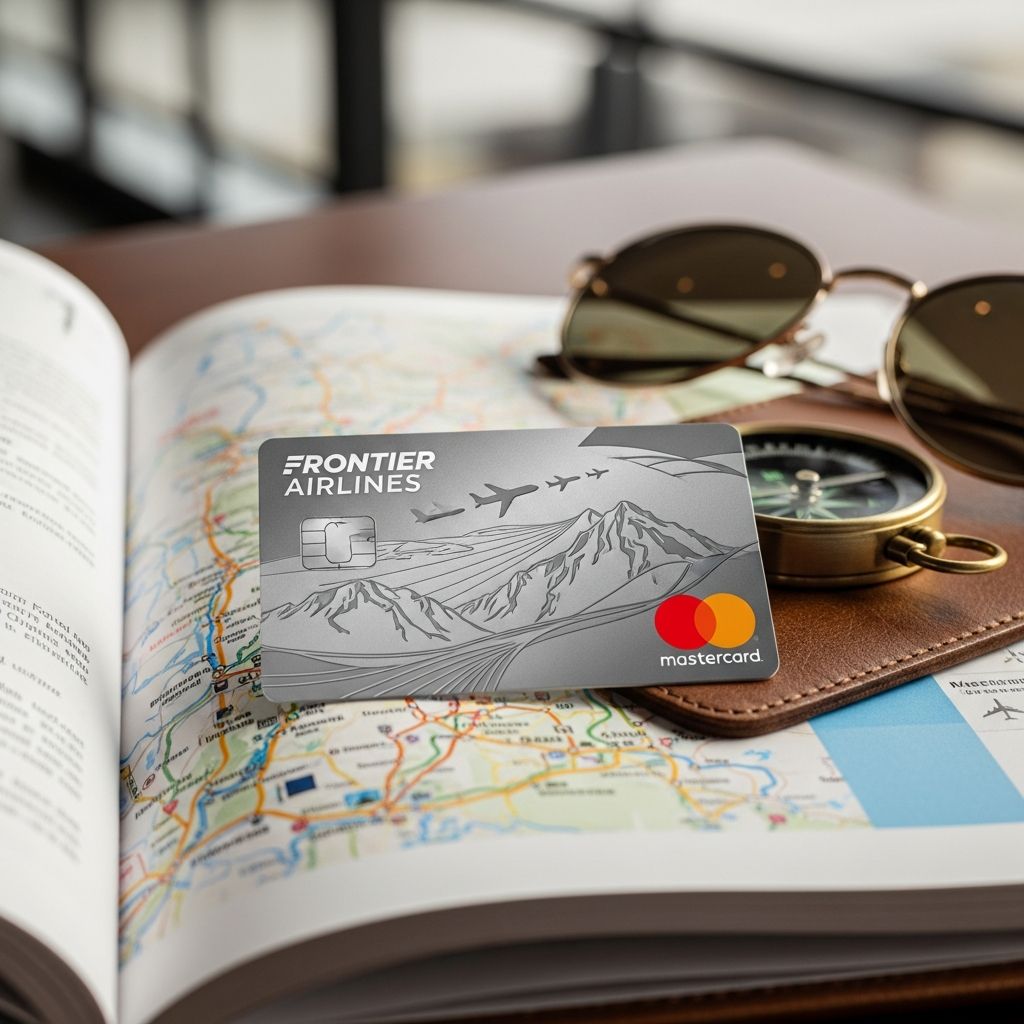
The Frontier Airlines Mastercard, issued by Barclays, is a co-branded airline credit card built for travelers who fly Frontier frequently and want to earn miles on everyday spending. This guide explains how the card generally works, which features tend to matter most, and practical ways to weigh the costs, risks, and benefits before you apply.
Overview: What This Type of Card Is Designed To Do
Co-branded airline cards like the Frontier Airlines Mastercard are created for a specific purpose: to deepen your relationship with one airline in exchange for miles, perks, and discounts. In return, you usually accept an annual fee and agree to keep most of your flying and redemptions with that carrier.
While specific details can change over time, these cards generally:
- Earn airline miles on every purchase, with elevated rewards on that airline’s tickets and add-ons.
- Include travel perks such as free checked bags, earlier boarding, or discounts on fees.
- Charge an annual fee that you offset by using the benefits strategically.
- Require good to excellent credit for approval, similar to many rewards cards.
Core Features You Can Typically Expect
While exact terms are set by Barclays and Frontier, the product historically revolves around several key elements that shape its value for cardholders.
Earning Frontier Miles on Purchases
Most airline cards follow a tiered earning structure that rewards airline and travel spending more heavily than everyday purchases.
- Frontier purchases: Tickets, seat upgrades, and in-flight purchases made directly with Frontier generally earn the highest miles multiplier.
- Bonus categories: Some everyday categories such as restaurants may earn extra miles per dollar spent.
- All other spending: Non-bonus purchases typically earn a base 1 mile per dollar.
This design strongly favors travelers who regularly purchase flights and extras through Frontier’s website or app.
Using Miles for Frontier Flights
Frontier Miles earned with the card can be redeemed for award flights and certain add-ons, subject to the airline’s loyalty program rules.
- Redemption is usually handled through the airline’s frequent-flyer portal.
- Lower-mileage awards may be available for short-haul or off-peak flights.
- Taxes and fees still apply and typically must be paid in cash (or with the card).
- Availability can be limited based on route, demand, and fare type.
Because Frontier is an ultra-low-cost carrier with a smaller route network, redemptions are most useful for travelers who primarily fly within that network.
Annual Fee and Potential Value Trade-Off
The card generally charges an annual fee that is often waived the first year and then continues in following years. Whether that fee is worth paying depends on how much you fly Frontier and how often you use the card’s perks.
Typical trade-offs include:
- Pay a fee now in exchange for recurring benefits like free bags or annual flight credits.
- Target sign-up bonuses that might offset the first year’s fee and more.
- Reevaluate each year whether your usage still justifies the cost.
Travel Perks That Can Offset Fees
For many people, the real value of the Frontier Airlines Mastercard comes from travel perks rather than the miles alone. These benefits are designed to make flying with Frontier cheaper or more convenient if you use them regularly.
Free Checked Bags on Frontier Flights
Frontier is known for charging separate fees for many services, including checked baggage, making free checked bags a significant perk.
- The primary cardholder can receive free checked bags on eligible flights when the ticket is purchased with the card.
- Baggage fee savings can quickly add up, potentially covering the cost of the annual fee after one or two round trips for a couple or family.
- Terms typically apply—such as requiring the purchase to be made directly with Frontier.
Priority Boarding
Priority or earlier boarding is a common airline card feature and generally allows you to board before many other passengers.
- Improves your chances of finding overhead bin space.
- Can make the airport experience smoother, especially on full flights.
- Often applies to the primary cardholder on Frontier-operated flights.
Award Redemption Fee Waiver
Some ultra-low-cost carriers charge additional booking or redemption fees when you use miles. The Frontier Airlines Mastercard can reduce or waive certain award redemption fees when you pay taxes and fees with the card.
- Makes redeeming miles more economical.
- Encourages you to pay taxes and fees with the co-branded card.
Elite Status Earning Boost
Frontier’s loyalty program offers different elite levels that can unlock further perks. The credit card often accelerates your path to status.
- Purchases on the card may earn elite-qualifying points in addition to miles.
- Some offers include temporary introductory elite status for new cardmembers.
- Higher status can bring benefits such as additional baggage allowances, seat benefits, or fee waivers, depending on the program rules.
No Foreign Transaction Fees
Airline cards frequently waive foreign transaction fees, which can save about 3% per purchase on international travel compared with many non-travel cards.
- Can be useful for purchases abroad or when booking international travel.
- Helps keep costs predictable when traveling outside the U.S.
Sign-Up Incentives and Ongoing Rewards
Credit cards like the Frontier Airlines Mastercard often provide a welcome offer to attract new customers and encourage early spending.
Typical New Cardmember Bonuses
While exact promotions change, airline cards often offer a large lump-sum miles bonus when you meet a spending requirement within a specified timeframe.
- Commonly involves spending a modest amount in the first few months after opening the account.
- The bonus can be enough for at least one round-trip domestic flight, depending on routes and award pricing.
- Some promotions layer additional bonuses for higher spend or for customers switching from another airline card.
Ongoing Spending vs. General Travel Cards
Compared with general travel rewards cards (such as flexible point cards), a co-branded card like this can be powerful in a narrow use case but weaker for everyday, non-Frontier spending.
Key comparisons:
| Feature | Frontier Airlines Mastercard | General Travel Rewards Card (Example) |
|---|---|---|
| Best earning rate | Frontier flights and add-ons | Travel broadly (multiple airlines, hotels) or dining |
| Redemption flexibility | Primarily Frontier flights | Multiple airlines, hotels, or statement credits |
| Perks | Frontier-specific: bags, boarding, fee waivers | General travel protections, broader partner benefits |
| Best for | Frequent Frontier loyalists | Travelers who want flexible points and options |
Who This Card Tends to Fit Best
The Frontier Airlines Mastercard is not designed for every traveler. It shines for a specific type of user and may be mediocre for others.
Good Match
- Frequent Frontier flyers who use the airline several times per year.
- Budget-conscious travelers who understand Frontier’s fee structure and want to reduce costs via free bags and periodic vouchers.
- Loyalty-focused customers who are willing to prioritize Frontier flights to maximize elite-status benefits and miles.
Probably Not Ideal
- Travelers who rarely or never fly Frontier.
- People living far from Frontier hubs or cities where the airline has limited service.
- Consumers who value broad flexibility and want to redeem rewards across many airlines and hotels.
- Anyone who tends to carry a balance; travel rewards cards often have higher interest rates and are best used by those who pay in full each month.
Key Risks and Costs to Watch
Even if the perks appear attractive, it is important to understand the potential downsides before applying for or using an airline credit card.
Interest Charges and Carrying a Balance
Rewards cards, including airline co-branded products, commonly carry relatively high variable APRs compared with basic no-frills cards. If you carry a balance, interest charges can quickly outweigh the value of free flights or checked bags.
- Airline cards are rarely a good choice if you anticipate needing to finance a large purchase over time.
- Using the card responsibly—by paying in full—is usually the only way to consistently come out ahead.
Route Network Limitations
Because Frontier operates a smaller network than many legacy carriers, cardholders are restricted to where Frontier flies when redeeming most rewards.
- If you move or your home airport loses Frontier service, the card can become much less useful.
- Route changes and schedule adjustments can affect how easily you can use miles.
Mile Value and Program Changes
Airlines can change their loyalty programs, including award charts, elite rules, and fee structures. That can impact how far your miles go and how attractive the card remains over time.
- Monitor announcements from Frontier about loyalty program updates.
- Redeem miles periodically instead of hoarding very large balances.
Annual Fee vs. Actual Usage
Each year, you effectively pay in advance for the chance to use the card’s benefits. If you do not fly enough or forget to leverage perks like free baggage or vouchers, the fee becomes hard to justify.
- Estimate your expected flights and baggage fees for the coming year.
- Compare that with the card’s annual cost and your likely rewards.
How to Evaluate If the Frontier Card Makes Sense for You
Before applying for any airline credit card, it helps to take a methodical approach that aligns your decision with your broader financial goals.
Step 1: Review Your Travel Patterns
- How often did you fly Frontier in the last 12–24 months?
- How many checked bags did you pay for, and what did they cost?
- Does Frontier serve your primary or most frequent destinations?
If your past travel shows regular Frontier use, the card is more likely to pay off.
Step 2: Compare Alternatives
Look at at least one general travel rewards card and one card from another airline you use frequently.
- Compare earning rates on your largest spending categories (groceries, gas, dining, etc.).
- Review redemption options: are you locked into one airline or can you transfer points?
- Check for important protections, like trip delay insurance or car rental coverage, which Frontier’s card may not emphasize.
Step 3: Run a Simple Value Calculation
A straightforward way to estimate value is:
- Approximate how many Frontier flights and checked bags you expect annually.
- Estimate baggage fee savings, potential vouchers, and the value of any miles you plan to redeem.
- Subtract the annual fee and consider whether the remainder is worth the complexity of managing another card.
Step 4: Consider Credit and Debt Factors
Co-branded airline cards are generally best suited to consumers who:
- Have strong credit and can qualify for competitive offers.
- Pay statements in full to avoid interest charges.
- Use credit cards as tools, not as long-term borrowing sources.
Best Practices When Using an Airline Credit Card
Once you decide the card fits your situation, a few habits can help you get the most benefit while limiting potential downsides.
- Set up autopay: Automatically pay at least the statement balance monthly to avoid interest and late fees.
- Track bonus categories: Use the card where it earns the most (such as Frontier purchases and any designated bonus spending areas).
- Redeem strategically: Look for lower-mileage flight options and avoid redemptions with poor value.
- Monitor annual fee dates: Reassess each year whether you still use the benefits enough to keep the card.
- Stay within your budget: Do not increase spending solely to earn miles; rewards rarely justify overspending.
Frequently Asked Questions (FAQs)
Q: Is the Frontier Airlines Mastercard worth it if I only fly once a year?
It can be, but only if the baggage savings, occasional vouchers, or a sign-up bonus clearly exceed the annual fee. If you take just one Frontier trip a year with minimal baggage, a general no-annual-fee rewards card may be more cost-effective.
Q: Do I need excellent credit to qualify?
Like many airline co-branded products, approval typically targets applicants with good to excellent credit. Issuers evaluate factors such as your credit score, income, existing debts, and overall credit history.
Q: Can I use Frontier miles on other airlines?
Frontier Miles are primarily intended for Frontier-operated flights and related services. Unlike some flexible point programs, they do not generally transfer freely to a wide range of airline partners.
Q: What happens to my miles if I close the card?
Miles are managed through the airline’s loyalty program, not the bank, so closure of the card does not automatically erase them. However, you must follow Frontier’s mileage expiration policies, which can require account activity to keep miles active.
Q: Are there better options for people who travel on many airlines?
If you frequently mix and match carriers, a general travel rewards card that earns flexible points or miles may be more suitable. Those cards often allow redemptions for various airlines or statement credits rather than tying you to one carrier.
References
- The Frontier Airlines World Mastercard® Review — LendingTree. 2024-06-10. https://www.lendingtree.com/credit-cards/review/frontier-airlines-world-mastercard-by-barclays/
- Frontier Airlines Credit Card Review 2024: Pros and Cons — Business Insider. 2024-03-15. https://www.businessinsider.com/personal-finance/credit-cards/frontier-credit-card
- Frontier Airlines World Mastercard — Frontier Airlines / Barclays Bank Delaware (official card information). 2024-08-01. https://www.flyfrontier.com/mastercard
- Credit Card Interest Rates and Fees — Consumer Financial Protection Bureau. 2023-10-05. https://www.consumerfinance.gov/ask-cfpb/how-do-credit-card-companies-calculate-interest-on-credit-card-balances-en-23/
- Choosing a Credit Card — Consumer Financial Protection Bureau. 2023-04-12. https://www.consumerfinance.gov/ask-cfpb/how-do-i-choose-the-best-credit-card-for-me-en-1863/
Similar Articles








Read full bio of Sneha Tete


