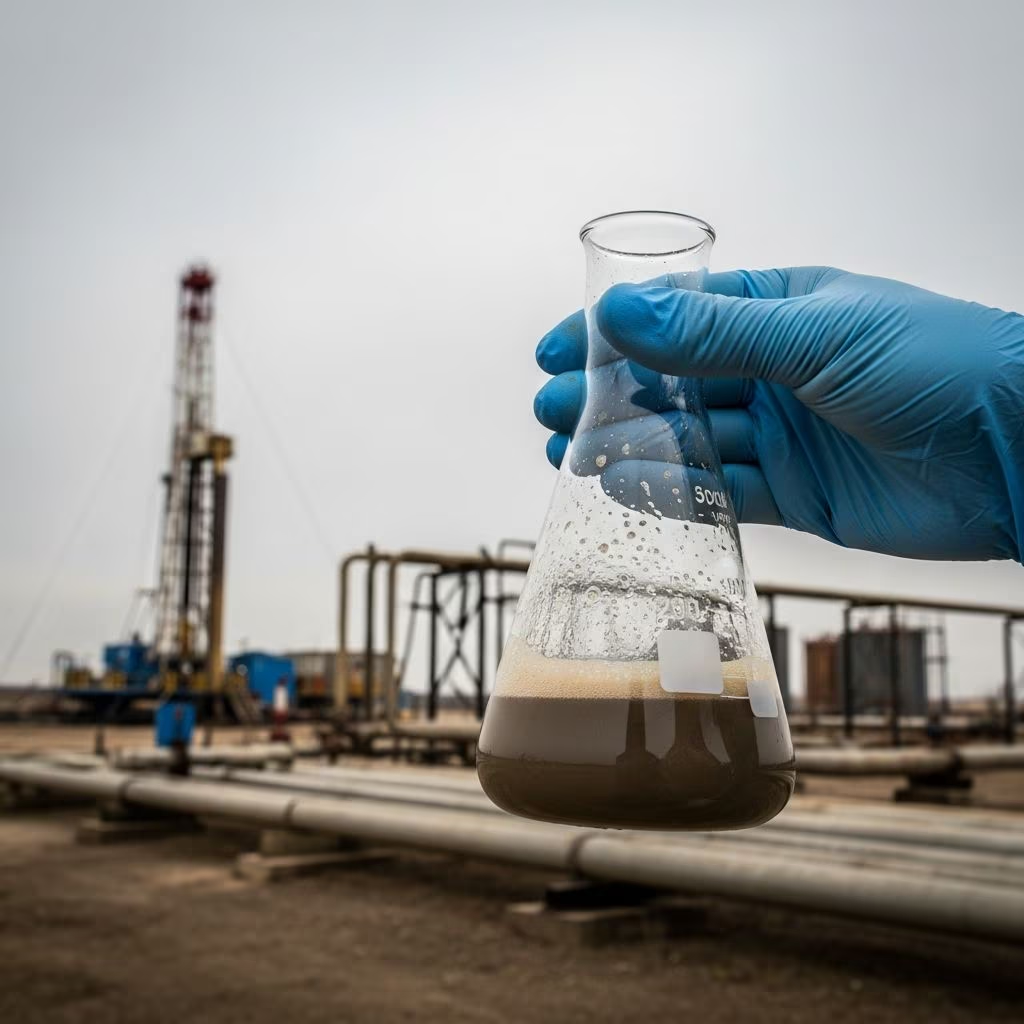
Hydraulic fracturing, commonly called fracking, extracts oil and natural gas from shale formations by injecting high-pressure fluid mixtures into rock layers thousands of feet underground. This technique has boosted U.S. energy production but sparked debates over environmental and health risks, particularly after U.S. Environmental Protection Agency (EPA) assessments pointed to potential drinking water contamination.
Understanding the Hydraulic Fracturing Technique
The fracking process starts with drilling a vertical wellbore, often extending over a mile deep, followed by horizontal extensions into shale layers to maximize resource access. Steel casings line the borehole, cemented in place to isolate zones, with perforations created at target depths using specialized guns.
Fracking fluid—typically 90-99.5% water and sand, plus small amounts of chemicals like gels, acids, and biocides—is then pumped at extreme pressures exceeding the rock’s fracture gradient. This creates fissures in the bedrock, allowing hydrocarbons to flow freely. Sand or ceramic proppants hold these cracks open post-injection, ensuring sustained production.
- Vertical drilling phase: Reaches depths beyond 5,000-10,000 feet, targeting impermeable shale.
- Horizontal drilling: Extends laterally up to several thousand feet for broader exposure.
- Perforation and injection: High-pressure fluid (millions of gallons per well) generates fractures perpendicular to the least principal stress, typically vertical at depths over 2,000 feet.
- Flowback: Pressure release brings back 20-70% of fluid as wastewater, laden with salts, metals, and residues.
Variations exist: low-volume fracking suits permeable reservoirs, while high-volume targets tight shale, demanding larger fluid volumes and pressures. Operators tailor fluid blends—acid pre-treatments clear debris, slickwater pads initiate cracks, and proppant stages maintain permeability.
Core Components of Fracking Fluids
Fracking fluids comprise mostly freshwater (up to 100,000+ gallons per stage), proppants (sand at 9.5%), and additives (0.5% chemicals). These include friction reducers for flow, scale inhibitors against mineral buildup, corrosion preventers for equipment, and bactericides to avert microbial growth.
| Component | Purpose | Typical Proportion |
|---|---|---|
| Water | Base carrier fluid | 90-99% |
| Sand/Proppant | Props fractures open | 9-9.5% |
| Chemicals (acids, gels, etc.) | Viscosity, stability, cleaning | 0.5% |
At greater depths, proppant strength matters due to elevated stresses. Fluid leakoff into surrounding rock can reach 70%, risking formation damage if unmanaged. Post-fracturing, wells undergo plug-and-perf sequences: perforate, frac, plug, repeat along horizontals.
EPA’s Assessment of Fracking’s Water Impacts
The EPA’s comprehensive 2016 study concluded that fracking activities can impact drinking water resources under certain conditions, though not nationwide. Vulnerabilities arise in water acquisition straining local supplies, chemical spills at surfaces, improper well integrity allowing methane migration, and wastewater handling releasing contaminants.
Key pathways include surface spills contaminating shallow aquifers, well casing failures enabling fluid ascent, and underground fluid migration through natural faults. The report, drawn from peer-reviewed data and case studies, emphasized manageable risks via best practices but fueled concerns over incomplete disclosures and cumulative effects.
Environmental and Health Hazards Linked to Fracking
Fracking’s footprint extends beyond wells: large water withdrawals (5-10 million gallons per well) compete with agriculture and households in arid regions. Wastewater, often hypersaline with heavy metals, radium, and NORM (naturally occurring radioactive materials), poses disposal challenges. Injection wells for brine can trigger seismicity, as seen in Oklahoma’s earthquake uptick.
Air emissions include volatile organics like benzene (carcinogen) and VOCs contributing to smog. Health studies link proximity to sites with respiratory issues, birth defects, and endocrine disruption. Groundwater contamination cases reveal methane, ethane, and traces of fracking chemicals in private wells near operations.
- Water contamination: Methane in 80% of Pavilion, WY wells post-fracking.
- Air quality: Elevated formaldehyde and NOx near pads.
- Seismic risks: Wastewater injection correlates with induced quakes >M3.0.
Legal Recourse for Fracking-Related Injuries
Victims of contamination or health harms pursue personal injury claims via negligence, nuisance, or strict liability. Plaintiffs must prove operator failures—like poor casing or spill mismanagement—caused damages. Class actions consolidate landowner suits over tainted aquifers.
State regulations vary: some mandate chemical disclosure via FracFocus, others ban fracking outright. Federal oversight via EPA’s Safe Drinking Water Act exempts fracking fluids (Energy Policy Act 2005 “Halliburton Loophole”), shifting burden to states. Successful suits have secured multimillion settlements for water replacement, medical monitoring, and property devaluation.
Case Studies Highlighting Fracking Controversies
In Dimock, PA, over 60 wells showed methane and metals post-2008 fracking, leading to a $4.1M settlement. Pavilions, WY residents detected fracking chemicals in aquifers, prompting EPA intervention. Texas’s Barnett Shale saw benzene spikes in home water supplies near sites.
These underscore well integrity failures: cement bonds degrade, perforations leak. Operators counter with advanced casing and monitoring, yet gaps persist in rural monitoring.
Industry Safeguards and Regulatory Evolution
Modern practices include microseismic monitoring for fracture mapping, closed-loop flowback systems, and recycled wastewater (up to 50% reuse). The Ground Water Protection Council advocates site-specific designs. Post-2016 EPA, states like Colorado tightened spacing rules and disclosure.
Despite advances, critics cite underreporting and voluntary standards. Net-zero emissions pledges signal shifts toward greener fracking.
Frequently Asked Questions About Fracking Risks
What depth does fracking typically occur?
Fracking targets formations 5,000-10,000 feet deep, separated from aquifers by thousands of feet of rock.
Can fracking contaminate drinking water?
Yes, via pathways like surface spills, well failures, or fluid migration, per EPA findings.
What chemicals are in fracking fluid?
Mostly water and sand; additives include acids, biocides, and friction reducers, many common in consumer products.
Is fracking regulated federally?
Limited; states lead, with EPA overseeing underground injection via UIC program.
How much water does one frack well use?
5-10 million gallons, varying by formation and lateral length.
Mitigating Fracking’s Footprint: Best Practices
Operators deploy real-time pressure monitoring, advanced proppants for efficiency, and AI-optimized fluid recipes to minimize volumes. Community engagement, baseline water testing, and rapid response protocols build trust. Long-term, carbon capture and electrification reduce emissions.
Public health surveillance near basins tracks outcomes, informing policy. Balancing energy security with safety demands transparency and innovation.
References
- Hydraulic Fracturing: The Process — Ground Water Protection Council. 2023. https://www.gwpc.org/topics/hydraulic-fracturing/hydraulic-fracturing-the-process/
- Hydraulic Fracturing — U.S. Geological Survey. 2024-10-15. https://www.usgs.gov/mission-areas/water-resources/science/hydraulic-fracturing
- Hydraulic Fracturing & Health — National Institute of Environmental Health Sciences. 2025-01-10. https://www.niehs.nih.gov/health/topics/agents/fracking
- Fracking 101 — Natural Resources Defense Council. 2024. https://www.nrdc.org/stories/fracking-101
- Hydraulic Fracturing — U.S. Environmental Protection Agency (archived assessment summary). 2016-12-13. https://www.epa.gov/sites/default/files/2016-12/documents/hf-report_title_page_508.pdf