
Undefined Florida Home Buying Guide 2026: Expert Checklist
Master the 2026 Florida home buying process: from pre-approval to closing amid insurance hurdles, condo rules, and market shifts.
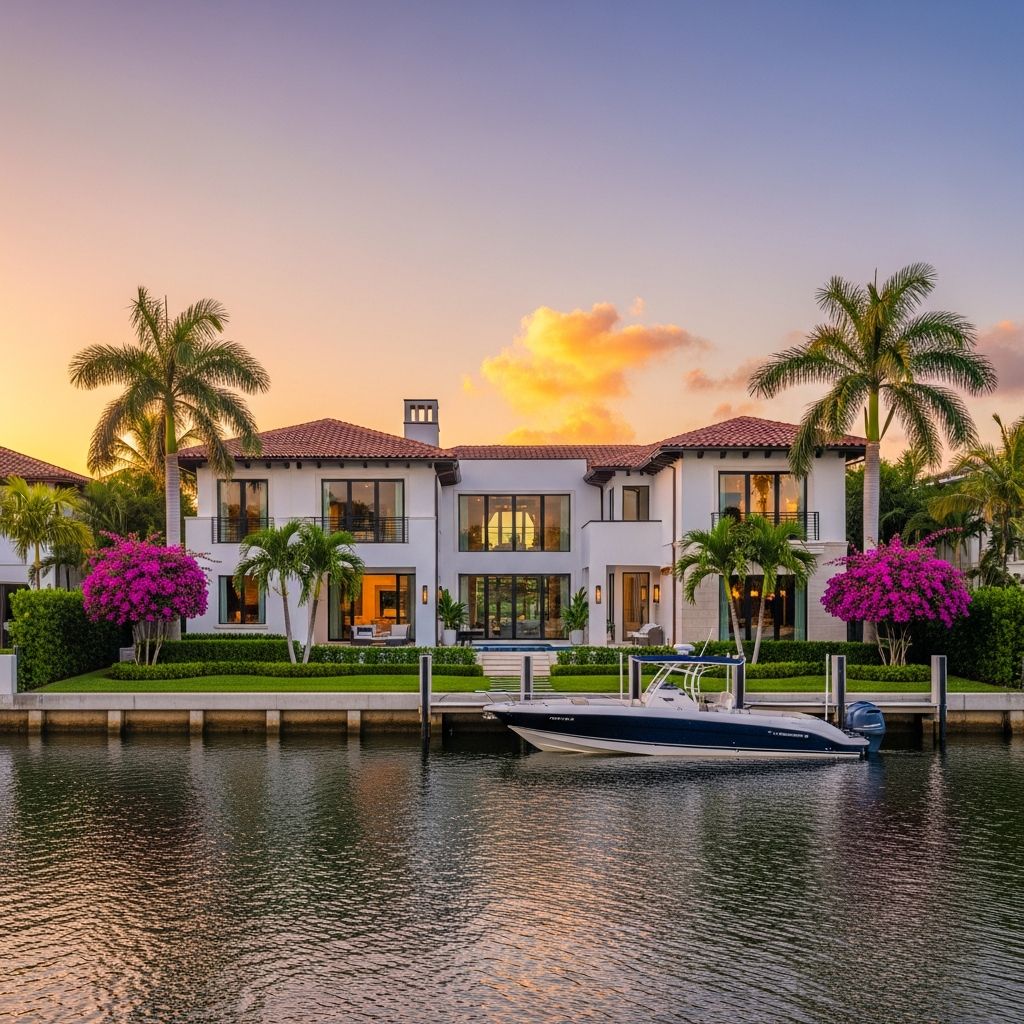
Acquiring residential property in Florida during 2026 demands careful navigation of evolving market dynamics, stringent lending standards, and unique regional challenges like elevated property insurance costs and post-Surfside condominium regulations. This guide outlines the essential phases, empowering prospective buyers to proceed with informed confidence.
Assessing Your Financial Readiness
The foundation of any successful home purchase begins with a realistic evaluation of affordability. In 2026, Florida lenders scrutinize applicants more rigorously, requiring comprehensive documentation including full tax returns, W-2s, pay stubs, and detailed debt profiles for all borrowers, particularly those with variable income sources such as bonuses or self-employment earnings.
Key financial metrics include:
- Debt-to-Income Ratio (DTI): Typically capped at 43-50%, encompassing mortgage payments, taxes, insurance, HOA fees, and existing obligations.
- Credit Score: Minimum 620 for conventional loans; higher scores unlock better rates.
- Down Payment: 3-20% depending on loan type, with seasoning requirements verifying fund sources over 60 days.
Avoid disruptions like new credit inquiries or large deposits in the 60-90 days prior to application, as these can jeopardize approval.
Securing Mortgage Pre-Approval
Underwritten pre-approvals, rather than mere pre-qualifications, are non-negotiable in 2026’s competitive landscape. They demonstrate seller seriousness and reveal true borrowing power.
| Loan Type | Min Down Payment | Key Benefits | Ideal For |
|---|---|---|---|
| FHA | 3.5% | Flexible credit, lower rates | First-time buyers |
| Conventional | 3-5% | No PMI with 20% down | Strong credit profiles |
| VA | 0% | No down payment, no PMI | Veterans/military |
| USDA | 0% | Rural areas | Low-moderate income |
Florida-specific programs, including Florida Housing Finance Corporation initiatives, offer down payment assistance up to $10,000 for eligible first-time buyers.
Selecting a Trusted Real Estate Professional
Engaging a buyer’s agent early provides market intelligence, negotiation prowess, and advocacy. Interview multiple Realtors® experienced in your target area, prioritizing those with robust transaction histories and familiarity with 2026 updates like enhanced condo due diligence.
- Verify licenses via Florida DBPR portal.
- Review recent sales data and client testimonials.
- Discuss compensation: Typically seller-paid, but confirm in writing.
Navigating Florida’s Property Market Landscape
While 2026 sees moderated competition compared to prior peaks—fewer multi-offer pileups and more price adjustments—strategic positioning remains vital. South Florida markets like Broward, Miami-Dade, and Palm Beach emphasize insurance viability and structural integrity over mere list price.
Popular areas include:
- Fort Lauderdale: Waterfront appeal, vibrant lifestyle.
- Pembroke Pines/Weston: Family-oriented, strong schools.
- Central Florida: Growth hubs like Orlando suburbs.
New construction offers incentives like rate buydowns, appealing amid steady price appreciation.
Property Search and Evaluation Strategies
Define parameters: budget ceiling, preferred neighborhoods, property types (single-family, townhome, condo). Virtual tours streamline initial reviews, but in-person visits are crucial for assessing flood risk, hurricane resilience, and neighborhood vibe.
Prioritize homes with:
- Recent roof (post-2010 ideal).
- Impact windows/shutters for wind mitigation discounts.
- Updated electrical/plumbing per 4-point inspections.
Crafting Competitive Offers
Strong offers feature pre-approval letters, earnest money deposits (1-3% of price), and reasonable contingencies. In balanced markets, negotiate repairs, closing credits, or rate buydowns rather than slashing price.
Escalation clauses can secure wins in hot pockets, but cap at your absolute maximum.
Due Diligence: Inspections and Insurance Verification
Schedule a general home inspection within 10-15 days of acceptance, plus specialized checks:
- Wind Mitigation Inspection: Critical for insurance quotes and discounts up to 50%.
- 4-Point Inspection: HVAC, roof, electrical, plumbing—often lender-mandated for older homes.
- Flood Certification: Determine FEMA zone; elevate if needed.
Insurance is paramount: Obtain bindable quotes pre-contract if possible. Expect scrutiny on roof age, outdated systems; Citizens Property Insurance serves as last resort, with surcharges.
Condominium Purchases: Post-Surfside Essentials
SB 154 and subsequent reforms mandate structural milestone inspections for buildings 30+ years old and robust reserve funding. Lenders require:
- HOA questionnaires, financials, litigation reports.
- Reserve studies confirming adequate funds for repairs.
- No recent special assessments exceeding 15% thresholds.
Avoid buildings with deferred maintenance; opt for those with completed inspections and strong reserves.
Finalizing Financing and Approvals
Underwriting intensifies: Submit all docs promptly. Maintain financial stability—no job switches, new debt. Clear conditions like appraisal (if low, renegotiate or increase down payment).
Closing Procedures in Florida
Florida employs dual-agent closings: Title company handles escrow, attorney optional but recommended for review. Attend walk-through 24 hours prior; bring ID, cashier’s check.
Final costs: 2-5% of purchase price, including title insurance, recording fees, prorated taxes/HOA.
Post-Closing Considerations
Update insurance, homestead exemption by March 1 for tax savings. Budget for reserves: 1% of home value annually for maintenance, plus hurricane deductibles (2-5%).
Frequently Asked Questions
What documentation is required for 2026 pre-approvals?
Full tax returns (2 years), W-2s/pay stubs (2 months), bank statements (2 months), debt statements. Self-employed need P&Ls.
How do I handle high insurance costs?
Seek wind-mitigated homes; shop multiple carriers. Newer builds often insure 30-50% cheaper.
Are condos riskier in 2026?
Yes, due to stricter lending on reserves/inspections, but healthy associations thrive.
Can I buy without 20% down?
Absolutely—FHA/VA options allow 0-3.5%, with assistance programs.
What’s the typical timeline?
30-45 days from offer acceptance to closing.
References
- The 2026 Florida Homebuyer Playbook: What’s Changed, What Hasn’t — EZ Funding Online. 2026-01-01. https://www.ezfundingonline.com/blog/the-2026-florida-homebuyer-playbook-whats-changed-what-hasnt-and-how-to-buy-confidently-in-south-florida
- 2026 Home Buyer’s Guide | South Florida Real Estate — Scott Lehr, Real Listing Agent. 2026-01-08. https://www.reallistingagent.com/blog/2026/1/8/2026-home-buyers-guide-south-florida-real-estate-scott-lehr
- First Time Home Buyer Florida 2026: The Ultimate Guide — Mortgage World. 2026-01-01. https://www.mortgage-world.com/first-time-home-buyer-florida-2026/
- Realtors Rally for Key 2026 Real Estate Policies — Florida Realtors. 2026-01-01. https://www.floridarealtors.org/news-media/news-articles/2026/01/realtors-rally-key-2026-real-estate-policies
- THE 5 SECRETS to Buying Your Home in Florida in 2026 — YouTube (Living in Destin-Fort Walton Beach FL). 2026-01-04. https://www.youtube.com/watch?v=XKPaSEo2UIE
Similar Articles








Read full bio of medha deb


