
Florida Burial and Cremation Regulations
Comprehensive guide to Florida's rules on burial, cremation, permits, authorizations, and handling of remains for informed end-of-life planning.
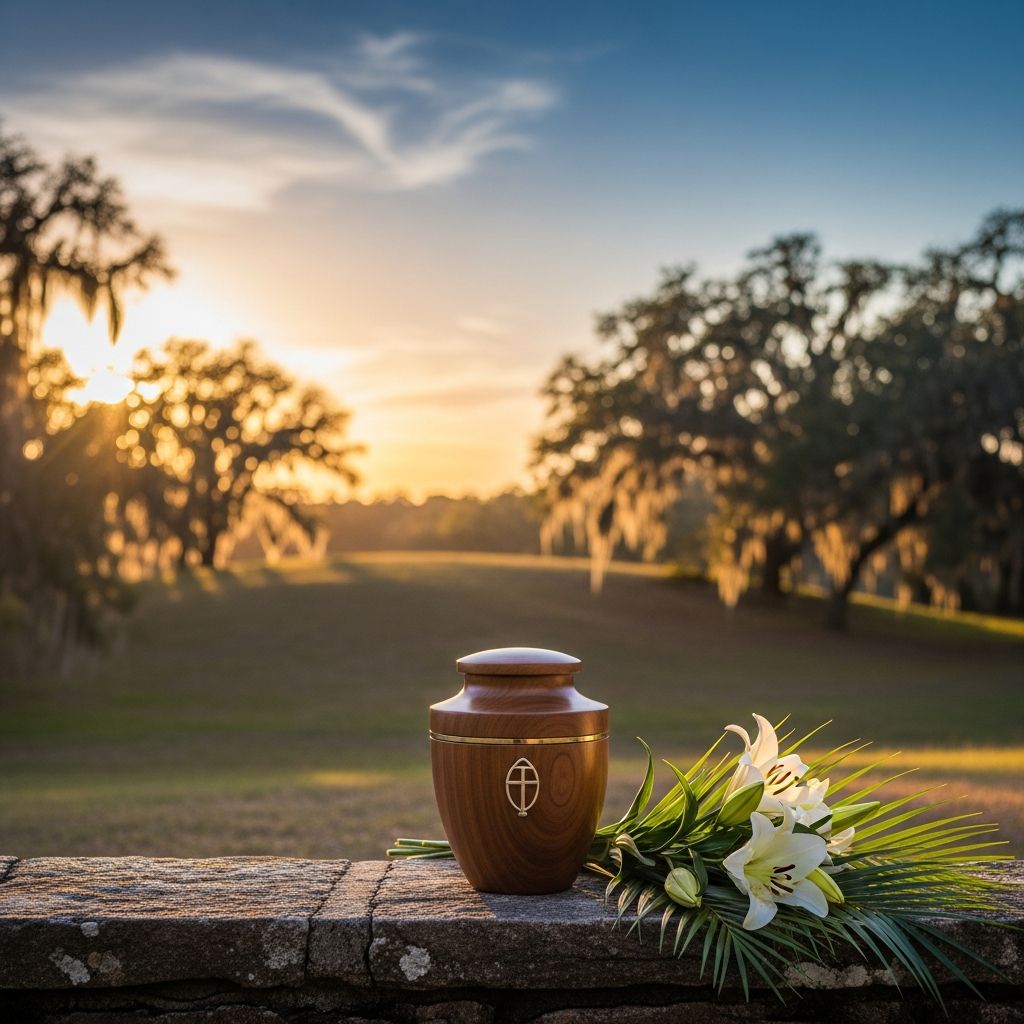
Florida maintains specific statutes governing the respectful and orderly handling of human remains through burial or cremation. These rules ensure public health, legal clarity, and family rights during vulnerable times. Key aspects include mandatory waiting periods, required documentation, authorization hierarchies, and flexible options for final disposition.
Legal Framework Governing Final Disposition
Florida’s regulations on burial and cremation fall under Chapter 497 of the Florida Statutes, which details funeral practices, and related sections like 872.03 prohibiting premature cremation. These laws define cremation as any mechanical or thermal process reducing a body to ashes and fragments, encompassing traditional flame-based methods and alternatives like alkaline hydrolysis.
Burial processes emphasize timely body preparation—refrigeration or embalming within 24 hours—to prevent decomposition. No state mandate requires vaults or liners for ground burial, though cemeteries may impose such rules contractually.
Obtaining and Processing Death Certificates
A death certificate is foundational for any disposition. Florida requires registration of a death within five days via the local vital statistics office. Funeral directors typically handle filing, after which certificates issue for legal use.
Public versions omit cause of death; only next-of-kin or legal representatives access full details. Multiple copies aid in securing permits, insurance, and benefits. Delays in certification halt cremation or burial proceedings.
Waiting Periods and Body Preparation Rules
- 48-Hour Cremation Hold: No cremation before 48 hours post-death, per Florida Statute §872.03, allowing reflection or investigation time.
- 24-Hour Preservation: Bodies must be embalmed or refrigerated within 24 hours to maintain dignity and safety.
- Burial Flexibility: No fixed waiting period for burial, but prompt action follows preservation rules.
These timelines balance reverence with practical needs, accommodating medical examiner reviews in suspicious cases.
Who Holds Authority for Disposition Decisions
Florida establishes a priority order for authorizing burial or cremation:
| Priority Level | Authorized Persons |
|---|---|
| 1 | Surviving spouse |
| 2 | Adult children (majority consent if multiple) |
| 3 | Parents |
| 4 | Adult siblings |
| 5 | Legal guardian or personal representative |
One person from the highest class suffices if they confirm no objections from peers or superiors. Disputes may require court intervention.
Cremation-Specific Procedures and Authorizations
Cremation demands written authorization from a legally empowered individual, plus a signed declaration outlining cremated remains plans. This occurs at arrangement time, retained by the provider.
Post-authorization, cremation must proceed within 48 hours of the agreed time. Medical examiner approval is mandatory if foul play is suspected, potentially requiring autopsy first.
No casket is legally required; federal rules mandate providers inform families of alternative combustible containers, which they must supply or accept from purchasers.
Handling and Disposition of Cremated Remains
The authorizing party receives remains, responsible for their care. Providers hold unclaimed ashes up to 120 days, then dispose via sea scattering, cemetery gardens, columbaria, or rules-approved methods.
- Storage Options: Urns, niches, graves, or home keeping (no state restrictions).
- Scattering Permissions: Allowed anywhere without state limits, but respect private property and public health. Air scattering from planes needs FAA nods; sea scattering follows EPA guidelines 3 nautical miles offshore.
- Partial Cremations: Permitted for body parts with authorization.
Florida accommodates cremains in permanent memorials or temporary holds, prioritizing family intent.
Burial Requirements and Cemetery Standards
Burials require no state-mandated casket, though outer burial containers (vaults) may be cemetery policy. Providers must disclose alternatives and accept third-party purchases.
Graves must meet minimum depths for safety, typically 18-36 inches of soil cover. Perpetual care funds often support cemetery maintenance.
Medical Examiner Involvement and Exceptions
In counties with medical examiner systems (most populated areas), their permit is essential before cremation, especially unnatural deaths. They verify no further investigation needed, possibly via autopsy.
Exceptions apply for body parts or documented natural deaths, streamlining processes.
Costs, Consumer Rights, and Planning Ahead
Florida regulates pricing transparency; itemized quotes mandatory. Families can decline unnecessary services like embalming for immediate cremation.
Pre-planning via preneed contracts locks rates and preferences, transferable if licensed providers change.
Advance directives can’t override next-of-kin for remains but guide burial/cremation wishes.
Frequently Asked Questions
Can I scatter ashes anywhere in Florida?
Yes, no state restrictions exist; obtain permissions for private land and follow federal aviation/EPA rules for air/sea.
Is embalming required before cremation?
No, but refrigeration within 24 hours is; embalming optional unless delays extend beyond.
Who gets the ashes if family disagrees?
The authorizing person from highest priority; unresolved disputes go to court.
Do I need a casket for cremation?
No state law requires it; alternative containers suffice, with providers obligated to inform and accommodate.
How long can a crematory hold remains?
120 days maximum before authorized disposal.
Can I cremate body parts separately?
Yes, with proper authorization for incidental final disposition.
Recent Developments and Alternative Methods
Florida’s cremation definition evolves, now including alkaline hydrolysis (water-based reduction), aligning with modern eco-friendly options.
By 2026, statutes emphasize consumer protections amid rising cremation rates (over 60% preference).
References
- Chapter 497 Section 607 – Florida Statutes — The Florida Senate. 2012. https://www.flsenate.gov/laws/statutes/2012/497.607
- Florida Cremation Laws — LifeSong Funerals. Accessed 2026. https://www.lifesongfunerals.com/resources/cremation-laws
- Florida Cremation Laws: Everything You Need to Know (2023) — Smart Cremation. 2023. https://www.smartcremation.com/articles/florida-cremation-laws/
- Florida Cremation Laws and Regulations — Cremation St. Petersburg. Accessed 2026. https://cremationstampabay.com/florida-cremation-laws-and-regulations/
- Laws For Cremation In Florida — Going Home Cremations. Accessed 2026. https://goinghomecremations.com/laws-for-cremation-in-florida/
- Florida Cremation Laws You Should be Aware — Florida Family Cremations. Accessed 2026. https://floridafamilycremations.com/blog/florida-cremation-laws/
- Burial and Cremation Laws in Florida — Nolo. Accessed 2026. https://www.nolo.com/legal-encyclopedia/burial-cremation-laws-florida.html
Similar Articles








Read full bio of Sneha Tete


