
Fish Pedicures: Health Risks and Legal Remedies
Understanding the dangers of fish pedicures and your legal options for injuries.
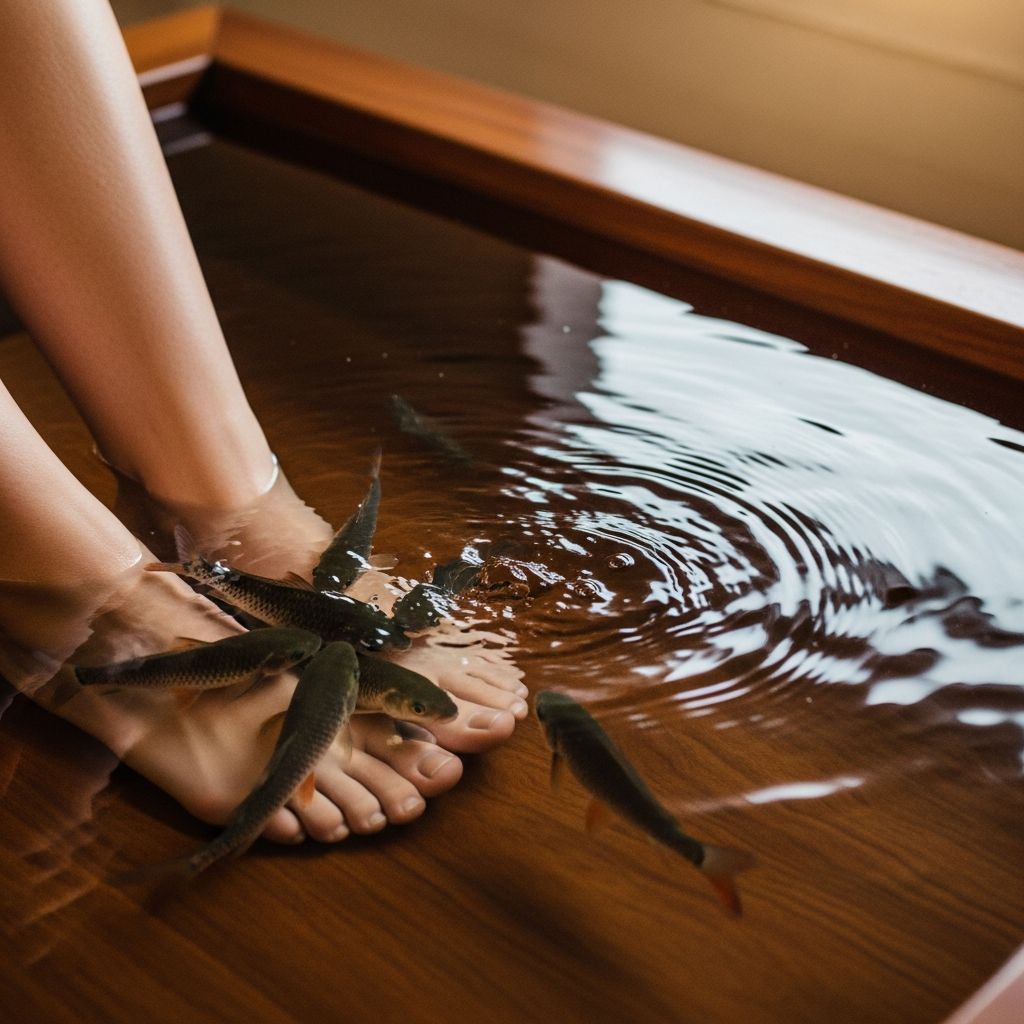
Understanding Fish Pedicures and Their Growing Popularity
Fish pedicures have emerged as a trendy beauty treatment in salons across the globe, particularly gaining momentum in Middle Eastern countries and gradually spreading to spas in North America. The procedure involves immersing feet into warm water basins containing small fish, typically Garra rufa species, also known as “doctor fish.” These tiny aquatic creatures are designed to consume dead skin and calluses from the feet, leaving behind softer, smoother skin. What initially seemed like an innovative and natural approach to foot care has become increasingly controversial due to mounting evidence of serious health complications and safety concerns.
The appeal of fish pedicures lies in their non-invasive nature and the purported benefits of achieving smooth feet without the discomfort traditionally associated with conventional exfoliation methods. However, the risks associated with this treatment have prompted regulatory bodies worldwide to reconsider its safety, with numerous jurisdictions implementing restrictions or outright bans.
The Mechanism Behind Fish Pedicure Treatment
During a typical fish pedicure session, clients submerge their feet in a heated tank filled with water and dozens of small Garra rufa fish. The session typically lasts between 15 to 30 minutes, during which the fish nibble away at hardened skin layers, dead tissue, and calluses. Proponents of the treatment argue that this natural exfoliation process promotes circulation, softens thick skin, and improves the overall appearance of the feet by lightening dark cuticles.
The fish used in these treatments are designed to consume only dead skin cells while theoretically leaving healthy skin intact. However, practical application has proven far more complicated than this simple explanation, with numerous cases documenting injuries that extend beyond the removal of dead tissue.
Documented Health Risks and Medical Complications
Bacterial and Fungal Infections
One of the most significant dangers associated with fish pedicures is the heightened risk of bacterial infections. The aquatic environment created in these treatment basins provides an ideal breeding ground for pathogenic microorganisms. Research has documented cases of infections caused by Streptococcus agalactiae group B, a bacterium capable of causing pneumonia, bone infections, joint infections, and potentially life-threatening bloodstream infections.
Additionally, Mycobacterium marinum, a bacterium commonly associated with non-chlorinated water environments, has been linked to fish pedicure-related infections. This organism can cause painful boils and skin lesions when it penetrates breaks in the skin. The complexity of treating these infections is compounded by the fact that some bacterial strains associated with fish pedicures are antibiotic-resistant superbugs, making them significantly more challenging to address through conventional medical treatment.
Nail Trauma and Permanent Damage
A particularly troubling complication documented in medical literature is onychomadesis, a condition characterized by the separation and eventual loss of toenails. This condition has been directly linked to fish pedicure treatments, with reported cases involving severe trauma to the nail matrix—the tissue responsible for producing healthy nail growth.
In one notable case, a woman in her twenties experienced significant toenail injuries after undergoing a fish pedicure. The critical aspect of this incident was that she experienced no pain during the procedure, meaning there was no immediate warning sign of the damage occurring. The injury to her nail matrix only became apparent three to six months later when her nails attempted to grow out and simply fell off. This delayed manifestation of symptoms makes fish pedicures particularly dangerous, as clients may not recognize they have sustained serious injury until permanent damage has already occurred.
The mechanism of this injury occurs because while fish typically target dead skin, they also nibble on the cuticle area. This contact with the cuticle affects the stem cells located in the nail plate, initiating a slow degenerative process that often results in nail lifting and eventual nail loss.
Species Misidentification and Increased Risk
A critical and often overlooked danger involves the misidentification or substitution of fish species. While legitimate fish pedicure establishments use Garra rufa, which are toothless and theoretically designed to nibble only dead skin, some unscrupulous salons may use cheaper alternative species such as Chin-Chin fish. These fish are visually similar to Garra rufa but develop teeth as they mature, making them significantly more aggressive and capable of inflicting painful bites and drawing blood. This substitution substantially increases the risk of infection, as any bleeding into the basin creates pathways for pathogens to enter the bloodstream.
Risk of Blood-Borne Disease Transmission
While the risk is considered relatively low compared to other transmission vectors, fish pedicures do present a theoretical possibility of transmitting blood-borne viruses such as HIV and hepatitis C. This risk materializes if one client has an open cut or abrasion that bleeds into the shared basin, and another client also has a break in their skin. Although the volume of water in the basin dilutes any potential viral particles, and the likelihood of transmission is minimal, the risk cannot be entirely eliminated.
Sanitation Challenges and Regulatory Concerns
One of the fundamental problems with fish pedicure operations is the practical impossibility of adequately sanitizing treatment basins between clients. Standard sanitation protocols used in traditional nail salons rely on removing items from the environment, cleaning them thoroughly, and either sterilizing or disinfecting them. However, fish pedicure basins present a unique challenge: the fish themselves cannot be removed and sanitized using conventional methods without endangering their survival.
Cost considerations further exacerbate this problem. Rather than replacing or properly disinfecting fish between each client—a financially prohibitive endeavor—many salon operators reuse the same fish across multiple customers throughout the day and across multiple days. This practice creates an environment where harmful microorganisms from one client can easily transfer to subsequent clients, essentially creating a disease transmission pipeline.
These sanitation deficiencies have prompted regulatory action across multiple jurisdictions. Fish pedicures are currently banned in at least 10 U.S. states, Mexico, and various regions throughout Europe. This regulatory response reflects the scientific consensus that the risks substantially outweigh any potential benefits.
Vulnerable Populations and Enhanced Risk Factors
Certain populations face significantly elevated risks when undergoing fish pedicure treatments. Individuals with compromised immune systems, diabetes, eczema, psoriasis, or other conditions affecting skin integrity should avoid this treatment entirely. Additionally, anyone with even minor cuts, abrasions, or sores on their feet should refrain from participating, as the warm water environment of fish pedicure basins can transform minor wounds into serious infections.
The warm water environment itself, even in sterile conditions, predisposes clients to infections when breaks in the skin are present. When combined with the presence of potentially pathogenic organisms in non-sanitized basins and aggressive fish species, the risk multiplies exponentially for these vulnerable groups.
Comparing Fish Pedicures to Traditional Alternatives
| Treatment Method | Effectiveness | Safety Profile | Infection Risk | Cost |
|---|---|---|---|---|
| Fish Pedicure | Moderate | High Risk | Significant | Medium to High |
| Professional Pedicure with Pumice | Moderate to High | Low Risk | Very Low | Low to Medium |
| At-Home Pumice Stone | Moderate | Very Low Risk | Minimal | Very Low |
| Professional Foot Scrub Treatment | High | Very Low Risk | Very Low | Medium |
Traditional foot care methods achieve the same aesthetic and functional outcomes as fish pedicures without the associated health risks. Professional pedicures using pumice stones, foot scrubs, and other conventional exfoliation techniques effectively remove dead skin, reduce calluses, and improve overall foot appearance. Similarly, at-home care using readily available tools provides comparable results at minimal cost and risk.
Legal Liability and Personal Injury Considerations
When individuals suffer injuries or infections resulting from fish pedicure treatments, they may have legitimate grounds to pursue personal injury claims against the salon or establishment responsible. Legal liability can be established under several frameworks, including negligence, breach of warranty, and failure to warn.
Establishing Negligence
To pursue a negligence claim, an injured party must typically demonstrate that the salon owed a duty of care, breached that duty, and the breach directly caused quantifiable harm. Salons offering fish pedicures have a responsibility to maintain safe conditions, use appropriate fish species, and implement sanitation protocols. Failure to do so—such as using substitute fish species, reusing basins without proper cleaning, or failing to screen clients for contraindications—constitutes a breach of this duty.
Lack of Informed Consent
Many salons fail to adequately inform clients about the documented risks associated with fish pedicures. Legal responsibility may be assigned when establishments do not provide clear warning about potential infections, nail damage, or complications. Some jurisdictions recognize claims based on failure to obtain informed consent, particularly when clients were unaware of serious risks before undergoing the procedure.
Product Liability
In cases where establishments use misidentified fish species or fail to maintain proper tank conditions, product liability principles may apply. If fish pedicure treatments cause injuries, the salon may be held accountable for offering a defective service.
Documentation and Evidence for Claims
Individuals who have suffered injuries or infections following fish pedicure treatments should take several important steps to strengthen any potential legal claim:
- Seek immediate medical attention and obtain formal medical documentation of the injury or infection
- Photograph any visible symptoms, including nail damage, infections, or skin lesions
- Keep all medical records, test results, and treatment receipts
- Document the name, location, and specific salon where the treatment occurred
- Obtain written descriptions of the fish used and sanitation procedures employed
- Gather contact information for any other clients who may have experienced similar complications
- Preserve all receipts and records from the treatment session
Regulatory Status and Legal Restrictions
The legal landscape surrounding fish pedicures continues to evolve as more jurisdictions recognize the health risks. Multiple U.S. states have implemented regulatory restrictions or complete bans on the practice. Before seeking a fish pedicure, clients should verify the legal status of the treatment in their jurisdiction. In areas where it remains legal, establishments should be required to comply with specific health department guidelines regarding fish species identification, sanitation protocols, and client screening.
Frequently Asked Questions
Q: Are fish pedicures legal everywhere?
A: No. Fish pedicures are currently banned in at least 10 U.S. states, Mexico, and various regions in Europe. Clients should verify the legal status in their specific location before seeking treatment.
Q: What happens if I develop an infection after a fish pedicure?
A: Seek medical attention immediately. Document the infection with photographs and medical records, identify the specific salon and date of treatment, and consult with a personal injury attorney about potential liability claims.
Q: Can I get the same results with traditional pedicures?
A: Yes. Professional pedicures using pumice stones, foot scrubs, and conventional exfoliation methods achieve equivalent or superior results without the associated health risks.
Q: What should I do if I’ve already had a fish pedicure?
A: Monitor your feet closely for any signs of infection, unusual nail changes, or skin complications. Seek medical attention if you notice any abnormalities, and maintain careful documentation of any symptoms that develop.
Q: What is the most common complication from fish pedicures?
A: Bacterial infections are the most frequently reported complications, with Streptococcus agalactiae and Mycobacterium marinum being particularly common culprits. Nail trauma and onychomadesis are also well-documented complications.
Q: How do I know if my salon is using the correct fish species?
A: Legitimate fish pedicure establishments should use only toothless Garra rufa. Ask the salon to specifically identify the fish species and verify this information. Be cautious of establishments that cannot provide clear identification.
Conclusion: Making Informed Choices About Foot Care
Fish pedicures represent a treatment approach where the documented risks significantly outweigh any potential benefits. The combination of inadequate sanitation, pathogenic bacteria, nail trauma potential, and transmission risks creates a health hazard that regulatory bodies worldwide have increasingly recognized and restricted. Individuals seeking to improve the appearance and health of their feet have numerous safer alternatives that deliver comparable or superior results without the associated dangers. Those who have suffered complications from fish pedicure treatments should document their injuries thoroughly and consult with legal professionals regarding potential personal injury claims, as salons offering these treatments may bear liability for resulting harm.
References
- Fish Pedicure: Risks, Benefits, Safety, and Ethical Concerns — Healthline. 2024. https://www.healthline.com/health/beauty-skin-care/fish-pedicure
- The Dangers & Risks of Fish Pedicures — Cleveland Clinic. 2024. https://health.clevelandclinic.org/fish-pedicures-this-trend-is-more-than-a-little-fishy
- Fish pedicure risk ‘very low’ — NICS Well / Health Protection Agency. 2024. https://www.nicswell.co.uk/health-news/fish-pedicure-risk-very-low
- Unveiling the Dangers of Fish Pedicures — Arya Foot and Ankle. 2024. https://www.aryafootandankle.com/blog/unveiling-the-dangers-of-fish-pedicures-with-phoenix-foot-specialist-dr-shylaja-arya-a-must-read
- 8 Reasons You Should Never Get a Fish Pedicure — PETA. 2024. https://www.peta.org/living/personal-care-fashion/fish-pedicures-dangerous-and-cruel/
- Guidance on the Management of the Public Health Risks from Fish Pedicures — UK Department of Health and Social Care. 2018. https://assets.publishing.service.gov.uk/media/5a7cfd5bed915d321c2de262/Fish_Spa_guidance.pdf
Similar Articles








Read full bio of medha deb


