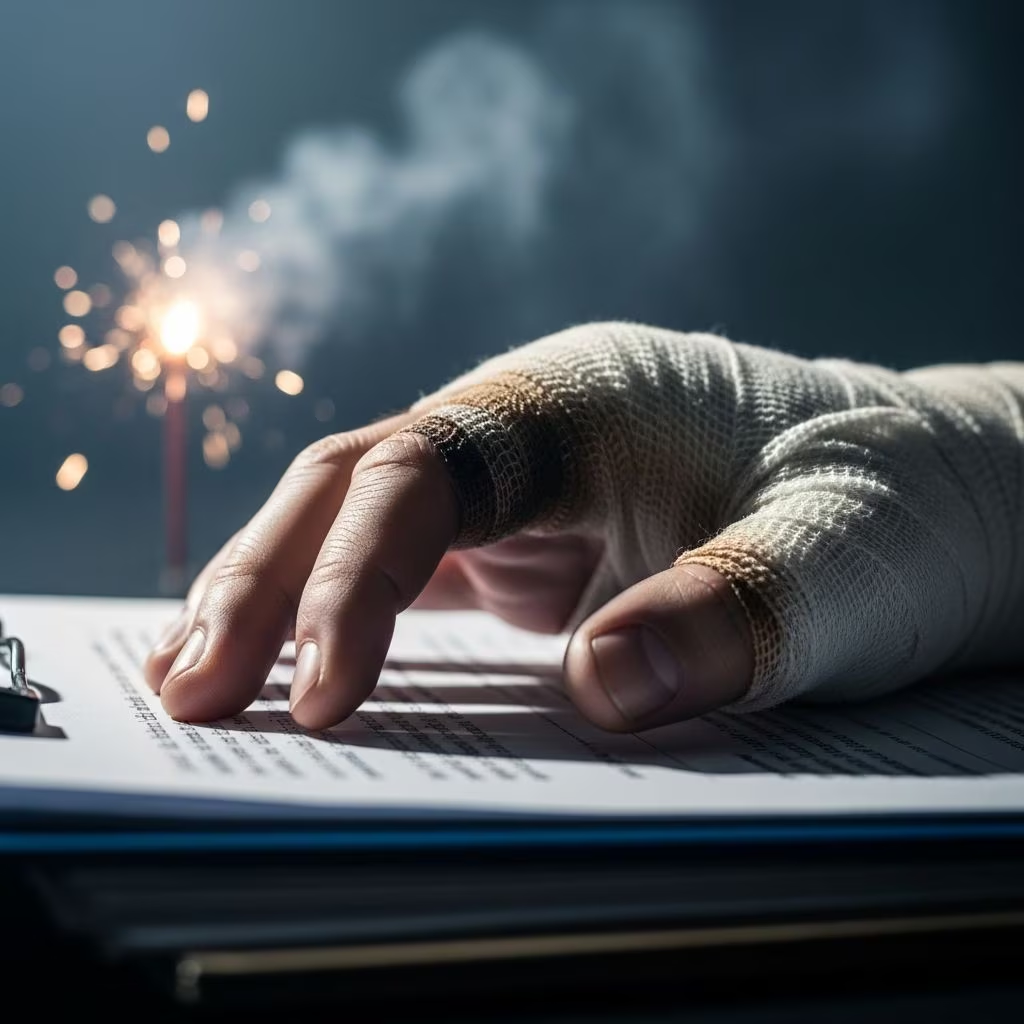
Every year, thousands sustain injuries from fireworks during celebrations, ranging from minor burns to permanent disabilities or fatalities. These incidents often stem from mishandling, defective products, or inadequate supervision, opening doors to legal recourse under personal injury laws. Victims can seek compensation by proving negligence or product defects, but success hinges on timely action, solid evidence, and understanding liability frameworks.
Common Sources of Fireworks-Related Harm
Fireworks pose risks in diverse settings, including backyard gatherings, public displays, and retail purchases. Handheld explosives, misfired rockets, or stray embers frequently cause burns, eye trauma, amputations, and hearing loss. Young adults under 25 represent a high-risk demographic due to experimental use, while children face dangers from unsupervised access.
- Backyard mishaps: Reckless lighting near crowds or dry vegetation sparks injuries.
- Public shows: Malfunctions or poor crowd control lead to spectator harm.
- Illegal use: Unauthorized fireworks in banned areas violate regulations and amplify liability.
Statistics from official reports underscore the urgency: emergency rooms see spikes in admissions around holidays, with severe cases incurring lifelong medical needs.
Determining Accountability in Fireworks Incidents
Pinpointing responsibility requires dissecting the incident’s circumstances. Courts apply negligence principles, demanding proof that a duty of care existed, was breached, directly caused harm, and resulted in quantifiable damages.
| Potentially Liable Party | Basis for Liability | Examples |
|---|---|---|
| Individuals | Negligence or recklessness | Ignoring warnings, allowing minors to handle fireworks, lighting in windy conditions. |
| Parents/Guardians | Failure to supervise | Child causes injury to others due to lack of oversight. |
| Property Owners | Premises liability | Permitting unsafe use on land with flammable materials. |
| Manufacturers/Sellers | Product liability | Defective design, manufacturing flaws, or missing labels. |
| Event Organizers | Duty to spectators | Inadequate barriers or pyrotechnic expertise. |
Multiple parties may share fault, especially in modified comparative negligence states where victim culpability reduces awards proportionally.
Building a Viable Personal Injury Case
A robust claim rests on four pillars: duty, breach, causation, and damages. For instance, a user owes bystanders reasonable care; breaching this by firing into a group proximately causes burns, justifying medical reimbursements.
Gathering Essential Evidence
Immediate documentation preserves claim strength. Preserve fireworks remnants for defect analysis, photograph injuries and scenes, secure witness contacts, and obtain police reports if illegal activity occurred.
- Medical records: Prove injury extent and treatment costs.
- Witness statements: Corroborate events.
- Expert reports: Analyze product failures or safety lapses.
- Video footage: From phones or security cams.
Neglecting evidence collection weakens cases, as memories fade and items degrade.
Types of Compensation Available
Successful claimants recover economic and non-economic damages, with punitive awards possible for egregious conduct.
- Economic: Hospital bills, surgeries, medications, rehabilitation, lost income, future earnings loss.
- Non-economic: Chronic pain, emotional trauma, reduced life quality.
- Punitive: Rare, for willful disregard of safety.
Damages calculations factor injury severity; a finger amputation might yield tens of thousands, while vision loss commands higher sums. Lawyers maximize recoveries by projecting long-term impacts.
Navigating Time Limits and Procedures
Statutes of limitations vary by state—typically 1-3 years from injury date—barring late filings. Texas allows two years; others like Ohio impose strict rules, especially for illegal fireworks.
Claims often settle via insurance before trial. Steps include:
- Seek medical care.
- Report to authorities.
- Consult an attorney.
- File demand letter.
- Negotiate or litigate.
Contingency fees align attorney incentives with outcomes, charging only upon victory.
Special Scenarios and Defenses
Injuries at Organized Events
Professional displays demand organizer diligence: licensed pyrotechnics, safety perimeters, emergency protocols. Failures expose them to suits.
Illegal Fireworks and Criminal Overlap
Using banned items or in prohibited zones invites civil liability plus fines or charges. Victims strengthen claims by highlighting violations.
Victim Contributory Fault
Assumption of risk or partial negligence diminishes payouts. Courts apportion blame; over 50% fault in some states bars recovery.
Why Engage a Specialized Attorney
Fireworks cases blend negligence, products, and premises law, demanding expertise. Seasoned counsel investigates thoroughly, negotiates aggressively, and litigates if needed. Free consultations assess viability without upfront costs.
Select lawyers via peer reviews, case histories, and contingency terms. Prompt hiring preserves evidence and meets deadlines.
Frequently Asked Questions
Can you sue for fireworks injuries caused by a neighbor?
Yes, if their negligence—like poor aim or supervision—directly harmed you. Prove duty breach and damages via evidence.
What if fireworks were defective?
Pursue manufacturers/sellers under strict product liability, no fault required on your end. Retain the item for inspection.
Are parents liable for kids’ fireworks accidents?
Often yes, for inadequate oversight leading to harm.
How much compensation is typical?
Varies widely: $10K+ for burns, higher for permanent damage. Includes all verifiable losses.
What is the filing deadline?
State-specific, e.g., 2 years in Texas. Act fast.
Can public show injuries lead to lawsuits?
Absolutely, if organizers neglected safety standards.
This guide equips victims with foundational knowledge, but personalized legal advice is crucial for optimal outcomes.
References
- Fireworks Injuries in the Summer: Who’s Liable and How to Seek… — Carmichael Law Group. 2025-07. https://www.carmichaellawgroup.com/blog/2025/july/fireworks-injuries-in-the-summer-who-s-liable-an/
- Duty of Care in a Fireworks Injury Claim — Peterson & Associates, P.C. N/D. https://www.petersonlawfirm.com/blog/what-is-duty-of-care-in-a-firework-injury-claim-peterson-amp-associates-p-c-.cfm
- What Happens If You Are Injured by Fireworks? — LaSalvia Law Firm. N/D. https://lasalvia-law.com/blog/what-happens-if-you-are-injured-by-fireworks/
- Firework Injuries & Legal Safety Tips for July 4th 2025 — DJC Law (Team Justice). 2025. https://teamjustice.com/firework-injuries-safety-tips-2025/
- Who Is Responsible for Injuries Caused by Fireworks? — GGRM Law Firm. N/D. https://ggrmlawfirm.com/blog/personal-injury/who-is-responsible-for-injuries-caused-by-fireworks/
- Fireworks injuries and the law: Who’s responsible? — GIBB Law Firm. N/D. https://www.gibblawfirm.com/fireworks-injuries-and-the-law-whos-responsible/