
Fighting Back Against Wrongful DUI Charges
Understand your rights and legal remedies when facing an unjust DUI arrest.
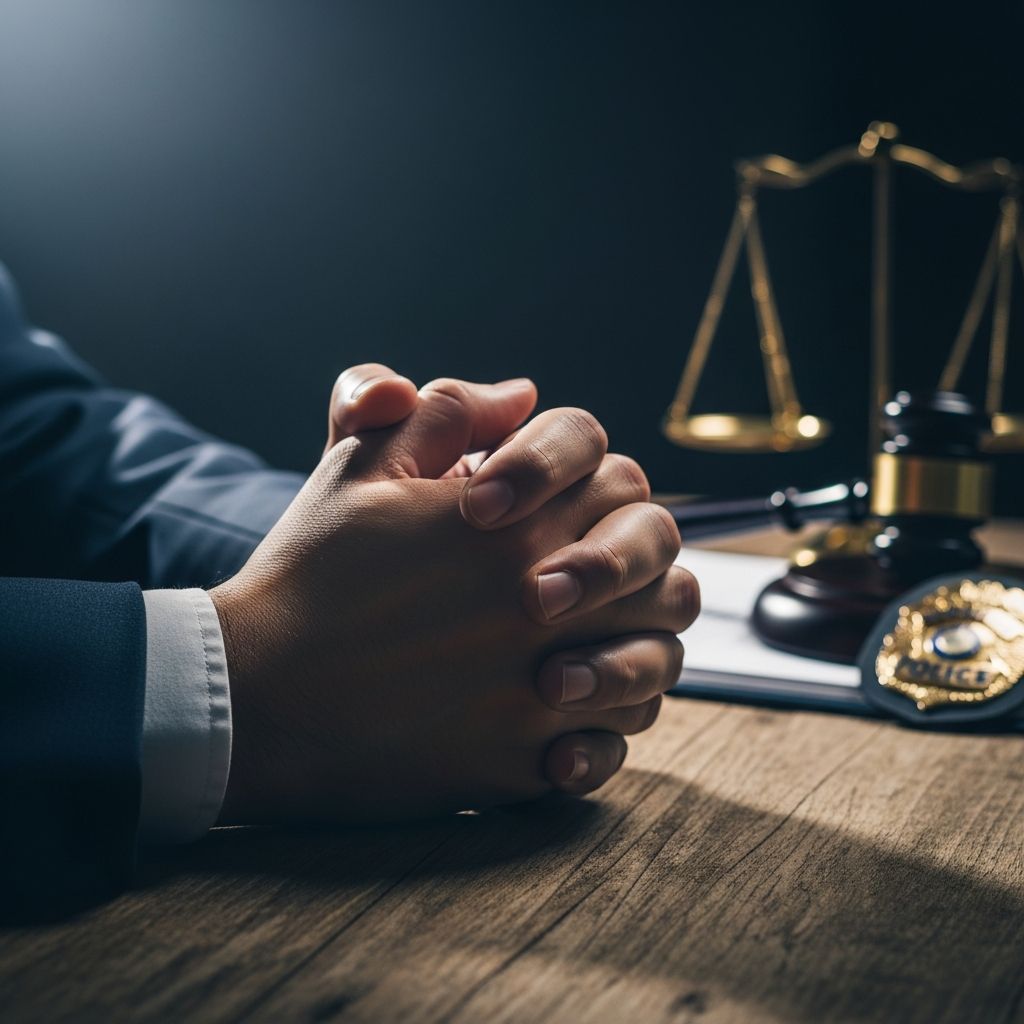
Understanding False DUI Accusations and Your Legal Position
A false DUI arrest occurs when law enforcement arrests and detains you based on an assumption of impairment without adequate evidence to support the charge. This situation differs from a legitimate DUI investigation where proper procedures are followed and credible indicators of intoxication exist. When officers fail to conduct thorough investigations or rely on subjective observations rather than objective testing, innocent drivers can face serious criminal charges. The distinction between a lawful arrest and an unlawful one hinges on whether the officer had probable cause and whether constitutional procedures were followed throughout the process.
Understanding what constitutes a false DUI is critical for anyone facing such charges. A false accusation can stem from multiple sources, including inadequate initial traffic stops, faulty sobriety testing procedures, misinterpretation of physical symptoms, or even officer misconduct. The consequences of a false DUI conviction extend far beyond the courtroom, affecting employment opportunities, professional licensing, insurance rates, and personal reputation. This is why taking immediate action when wrongly accused is essential.
Common Causes of Erroneous DUI Arrests
Several factors contribute to false DUI arrests, and understanding these can help you identify weaknesses in the prosecution’s case against you.
Insufficient Legal Basis for the Traffic Stop
One of the most fundamental issues in DUI cases involves the legality of the initial traffic stop. Police officers cannot simply pull over a vehicle without valid justification. If you were not swerving, speeding, or violating any traffic laws, the officer lacked probable cause to stop you in the first place. When a traffic stop is unlawful, any evidence gathered during that stop—including sobriety test results and observations of impairment—may be deemed inadmissible in court. This legal principle is crucial because it can effectively eliminate the foundation of the prosecution’s case.
Defective Sobriety Testing Procedures
Field sobriety tests are frequently subjective and heavily dependent on the officer’s interpretation and training level. These tests lack the scientific rigor that many assume they possess. When an officer is inexperienced, improperly trained, or fails to administer tests according to standardized protocols, the results become unreliable. Additionally, various environmental factors—such as uneven road surfaces, poor lighting, inclement weather, and traffic conditions—can significantly affect test performance without indicating impairment. An experienced DUI defense attorney can challenge the validity of how these tests were administered and interpreted.
Breathalyzer and Chemical Test Inaccuracies
Breath and blood testing equipment must be properly calibrated and maintained to produce accurate results. If testing devices were not functioning correctly or if proper calibration records are unavailable, the test results may be invalid. Additionally, improper administration of these tests—such as failing to observe a waiting period or not accounting for rising blood alcohol levels—can yield false positives. Medical conditions and medications can also affect the accuracy of breathalyzer readings, as discussed below.
Medical Conditions Mimicking Impairment
Certain medical conditions can produce symptoms that officers mistake for intoxication. Diabetes, for instance, can cause confusion, lack of coordination, and slurred speech without any alcohol consumption. Similarly, acid reflux and other digestive conditions can elevate blood alcohol readings on breathalyzer tests. Some medical conditions can artificially raise BAC readings by as much as 0.6, potentially skewing test results significantly. Your attorney should investigate your complete medical history to identify any conditions that could explain observed symptoms or test results.
Medication Side Effects Affecting Test Results
Prescription and over-the-counter medications can affect your performance on sobriety tests and may interfere with BAC readings. Medications for pain management, sleep disorders, allergies, and cold symptoms can cause drowsiness, dizziness, or lack of coordination that mimics impairment. Some medications can also influence how your body metabolizes alcohol, potentially leading to elevated readings on chemical tests. When you were arrested, it is essential to document all medications you were taking at that time, as this evidence can support your defense.
Unreliable Witness Accounts
In some cases, other drivers or bystanders may falsely report you as driving under the influence based on misinterpretations of your driving behavior. A single erratic driving maneuver, temporary distraction, or legitimate traffic infraction can be mischaracterized as evidence of impairment. Your defense strategy should include investigating the reliability and motivation of witnesses who made accusations against you, as their credibility may be challenged in court.
Police Misconduct and Procedural Violations
Officers are not immune to making mistakes or engaging in misconduct. Failing to follow proper procedures during arrest or investigation can result in suppression of evidence or dismissal of charges. Common violations include failure to read Miranda rights, improper evidence collection, falsified police reports, or violations of your constitutional rights. When misconduct is documented, it undermines the entire foundation of the prosecution’s case.
Protecting Your Constitutional Rights After Arrest
Knowing and asserting your rights immediately after an arrest is crucial for building an effective defense.
Right to Remain Silent
You have an absolute right to remain silent and are not required to answer questions posed by police officers. Anything you say can be used against you in court, even if you believe you are explaining an innocent situation. Many people make the mistake of attempting to talk their way out of an arrest by providing explanations or answers. This rarely helps and often creates additional complications for your defense. Politely but firmly inform officers that you wish to speak with an attorney before answering any questions.
Right to Legal Representation
You have the right to request an attorney before answering any questions or submitting to tests. If you cannot afford a private attorney, the court will appoint one for you. Making this request immediately is vital, as it activates your right to have counsel present during any questioning. Do not discuss your case with anyone other than your attorney, as communications with others are not protected by attorney-client privilege.
Field Sobriety Test Refusal
You have the right to refuse field sobriety tests, though this decision carries certain consequences. Refusing these tests eliminates subjective evidence that the prosecution could use against you. However, refusal may trigger an automatic license suspension in some states and can be introduced as potential consciousness of guilt. Your attorney can advise you on the specific implications in your jurisdiction and help you understand this complex decision.
Chemical Test Considerations
While you have the right to refuse breath or blood testing, refusing these tests typically results in automatic license suspension and other consequences. The decision to submit or refuse requires careful consideration of your specific circumstances. Your attorney can help you understand the implications of both choices within your state’s laws and circumstances of your case.
Building a Comprehensive Defense Strategy
An effective defense against false DUI charges requires systematic investigation and strategic planning.
Thorough Case Investigation
Your attorney should conduct a complete investigation of all facts and circumstances surrounding the alleged offense. This includes reviewing police reports, dashcam and body camera footage, witness statements, dispatch records, and maintenance records for testing equipment. Your lawyer should identify whether police errors or misconduct occurred and gather evidence supporting alternative explanations for your behavior or test results. Documentation of traffic conditions, lighting, and road surfaces at the time of the stop is also important.
Challenging Testing Procedures and Results
Rigorous examination of how sobriety tests were administered can reveal procedural errors that undermine their reliability. Your defense team should determine whether standardized protocols were followed, whether the testing environment was appropriate, and whether the administering officer had proper training and certification. For chemical tests, your attorney should obtain maintenance and calibration records for the testing equipment, as gaps or deficiencies in these records can exclude the test results from evidence.
Presenting Medical and Pharmaceutical Evidence
If medical conditions or medications contributed to observed symptoms or test results, your attorney should present comprehensive evidence establishing this connection. Medical records, expert testimony from physicians, and pharmaceutical documentation can demonstrate that factors other than impairment explain the evidence. This alternative explanation approach effectively undermines the prosecution’s theory of the case.
Evaluating Officer Conduct and Credibility
Close examination of the arresting officer’s actions during the traffic stop and arrest is essential. Did the officer violate your constitutional rights? Did the officer follow departmental procedures? Does the officer’s testimony align with available video evidence? Inconsistencies and violations can be effectively used to challenge the officer’s credibility and the reliability of their observations.
Legal Remedies and Potential Outcomes
Multiple legal pathways exist for resolving false DUI charges.
Suppression of Evidence
If your attorney identifies constitutional violations, such as an unlawful traffic stop or improper search, a motion to suppress can be filed. If successful, key evidence will be excluded from trial, potentially rendering the prosecution’s case unprovable. When evidence obtained through illegal procedures is excluded, the charges often cannot proceed.
Dismissal of Charges
When sufficient evidence of false arrest or lack of probable cause exists, your attorney can request dismissal of charges entirely. A motion to dismiss argues that the prosecution lacks adequate evidence to support the charges and that proceeding to trial would be futile.
Acquittal at Trial
If your case proceeds to trial, presenting your defense evidence—including medical conditions, medication effects, testing errors, and procedural violations—can result in acquittal. The prosecution must prove guilt beyond a reasonable doubt, and a strong defense can create sufficient doubt to achieve a not guilty verdict.
The Critical Importance of Immediate Action
Time is a significant factor in DUI defense cases. Memories fade, physical evidence deteriorates, and opportunities to preserve crucial information diminish with each passing day. Hiring an experienced DUI defense attorney immediately after arrest or charges are filed significantly improves your defense prospects. Early intervention allows your attorney to preserve evidence, interview witnesses while their recollection is fresh, and develop an effective strategy before prosecution momentum builds.
Frequently Asked Questions
Q: Can I be convicted of DUI even if I was not actually impaired?
A: Yes, if you fail sobriety tests or chemical tests, you can be convicted even without actual impairment. This is why challenging the reliability and validity of testing procedures is crucial. Medical conditions, medications, and improper test administration can produce false positive results.
Q: What happens if the police officer had no legitimate reason to stop my vehicle?
A: If the traffic stop lacked probable cause, any evidence gathered during that stop—including sobriety test results—may be deemed inadmissible in court. This can result in dismissal of charges or suppression of key prosecution evidence.
Q: How long does a false DUI case typically take to resolve?
A: DUI cases vary in duration depending on evidence complexity, court schedules, and whether plea negotiations are involved. Cases can range from several months to over a year. Your attorney can provide estimates based on your specific case circumstances.
Q: What are the potential consequences of a false DUI conviction?
A: Consequences include substantial fines, license suspension, jail time, probation, criminal record, damage to professional reputation, employment difficulties, and increased insurance rates. A conviction can impact your life for many years beyond the initial sentence.
Q: Should I refuse sobriety tests if pulled over?
A: This decision requires careful consideration of your specific situation and jurisdiction’s laws. While refusal eliminates subjective evidence, it typically triggers license suspension and can suggest consciousness of guilt. Your attorney should advise you based on your circumstances.
Q: Can medications cause a false positive on a breathalyzer?
A: Yes, certain medications can affect breathalyzer readings and field sobriety test performance. Informing law enforcement and your attorney of all medications you were taking at the time of arrest is essential.
References
- How to Fight a DUI Charge When You’ve Been Wrongly Accused — Right Law Group. 2024. https://www.rightlawgroup.com/dui-charge-wrongly-accused/
- What to Do When You’re Wrongly Accused of DUI: False Accusations — The Defenders. 2024. https://thedefenders.net/dui/false-accusation/
- False DUI Charges from Bogus Sobriety Tests — Van Hardenbergh Law. 2024. https://www.vanhardenbergh.com/faqs/bogus-sobriety-tests-can-mean-you-face-false-dui-charges.cfm
- False DUI Arrest: What Are My Legal Options? — Arizona DUI Laws. 2024. https://www.azduilaws.com/blog/false-dui-arrest-what-are-my-legal-options/
- What to Do When Falsely Charged With a DUI — Brandy Austin Law. 2024. https://brandyaustinlaw.com/what-to-do-when-falsely-charged-with-a-dui/
Similar Articles








Read full bio of medha deb




