
Federal Court Condemns Iowa Youth Detention Practices
Judge rules Iowa's youth detention practices unconstitutional and shocking.
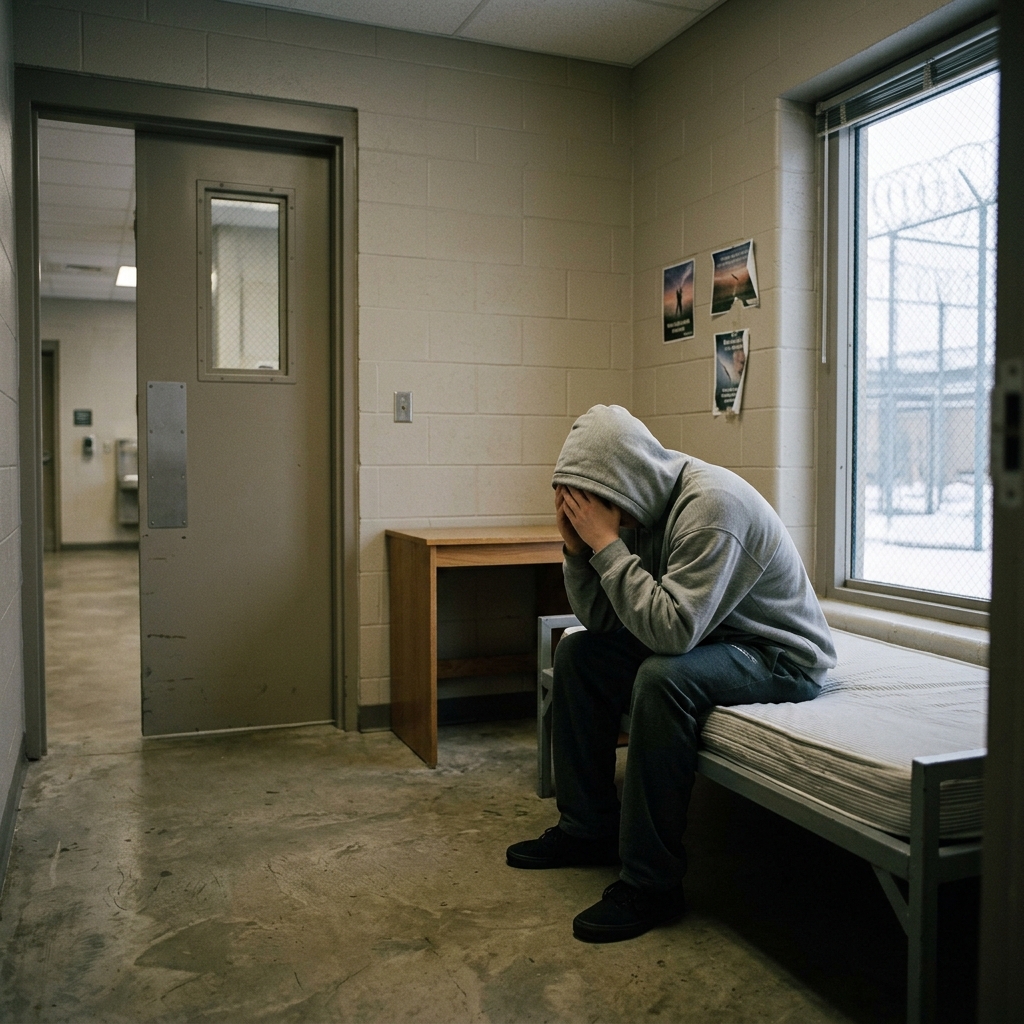
The Promise and Failure of the Juvenile Justice System
In a functioning society, the juvenile justice framework operates on a foundational promise of rehabilitation, education, and behavioral correction. Unlike the adult penal system, which often leans heavily into retribution, deterrence, and permanent societal removal, facilities specifically designed for youth are legally and ethically mandated to provide therapeutic environments. However, when a state assumes physical custody of vulnerable youth, stripping them of their autonomy, it simultaneously takes on a profound constitutional duty to ensure their basic safety, medical care, and psychological well-being.
A landmark federal court ruling in Iowa recently brought this solemn obligation into sharp focus, exposing a state-run system that fundamentally failed its most vulnerable wards. The United States District Court for the Southern District of Iowa handed down a severe rebuke of the disciplinary and medical practices utilized at the Boys State Training School located in Eldora. The presiding federal judge determined that the states approach to managing the boys did not merely violate procedural norms but crossed a dark threshold into unconstitutional abuse. The ruling emphasized that the conditions were so severe they fundamentally shocked the judicial conscience, setting a critical legal precedent for juvenile justice reform across the nation.
Unpacking the Class Action Lawsuit
The legal battle, formally recognized in court dockets as C.P.X. v. Garcia (and originally filed against former state directors), was initiated in 2017 by a formidable coalition of civil rights organizations. This included Disability Rights Iowa, national child welfare advocates, and private legal counsel acting pro bono. The plaintiffs at the center of the case were teenagers residing at the Eldora facility, many of whom came from backgrounds marred by profound trauma, foster care instability, and severe, documented mental health disorders.
Rather than receiving the specialized psychiatric care and behavioral counseling their complex diagnoses required, these adolescents were subjected to archaic, punitive control tactics. Advocates argued that the state facility entirely lacked the fundamental clinical infrastructure required to safely house youth with such significant psychological needs. Over several years of highly contentious litigation, the court reviewed thousands of pages of extensive testimonies from former resident youths, medical experts, and internal facility staff. The overwhelming consensus derived from the evidence was that the state was knowingly and systematically inflicting lasting psychological and physical harm on the very children it was mandated to rehabilitate.
The Fourteenth Amendment and the “Shocks the Conscience” Standard
At the absolute heart of this judicial decision lies the Fourteenth Amendment of the United States Constitution, specifically its substantive due process clause. While adult prisoners are primarily protected from “cruel and unusual punishment” under the Eighth Amendment, youths who are civilly adjudicated as delinquentrather than convicted in adult criminal courtsare afforded broader protections under the Fourteenth Amendment. Under this framework, the state is strictly obligated to provide conditions of reasonable care, safety, and necessary medical treatment.
In her decisive, historically significant ruling, Judge Stephanie M. Rose utilized the rigorous legal standard of conduct that “shocks the conscience.” This particular standard is reserved for government actions that are so unjustifiable, malicious, or inherently cruel that they blatantly defy basic human decency and societal norms. The court found that the facilitys leadership was intimately aware of the profound, documented risks associated with their severe disciplinary methodologies yet chose to continuously deploy them against mentally ill adolescents. By failing to intervene or modify these dangerous practices, high-ranking state officials were found to be deliberately indifferent to the constitutional rights of the children, firmly establishing the state’s liability.
Mechanical Restraints: The Grim Reality of “The Wrap”
Perhaps the most disturbing revelation to emerge from the federal trial was the facilitys routine, unabashed use of a 14-point mechanical restraint device commonly referred to as “the wrap.” This apparatus, frequently utilized on youth experiencing acute mental health crises or emotional breakdowns, was designed to completely immobilize the subject. Children were strapped tightly into this restrictive device for extended, grueling periods, sometimes lasting several hours, rendering them entirely unable to move their arms, legs, or torso.
During the legal proceedings, the federal judge unequivocally and powerfully condemned the device, stating point-blank that its application on vulnerable adolescents amounted to torture. For teenagers already suffering from significant psychiatric distress, post-traumatic stress disorder, or severe behavioral disorders, being forcibly immobilized serves absolutely no therapeutic or calming purpose. Instead, it drastically exacerbates feelings of profound helplessness, panic, and subsequent aggressive behavior. The court noted that utilizing such extreme, physically punishing measures on children, rather than employing established verbal de-escalation techniques or proper clinical interventions, constituted a grotesque violation of the state’s sworn duty to protect its minor wards from harm.
The Psychological Toll of Solitary Confinement
Working in tandem with mechanical immobilization, the Eldora facility heavily relied on solitary confinement as a primary, everyday tool for behavioral management and discipline. Shocking testimony revealed that boys, some as young as fourteen years old, were frequently locked alone in small, barren isolation cells for days or even weeks at a time, completely devoid of meaningful human contact.
The international medical community, including the United Nations and the American Academy of Child and Adolescent Psychiatry, has long established that isolating adolescents causes profound, often irreversible neurological and psychological damage. Adolescence is a critically sensitive period for brain development, heavily dependent on social interaction, educational stimulation, and physical activity to form healthy neural pathways. Stripping these essential elements away through prolonged, enforced isolation leads directly to severe depression, debilitating anxiety, visual and auditory hallucinations, and a drastically heightened risk of self-harm or suicide. The lawsuit successfully highlighted that the facility utilized solitary confinement not as a brief, absolute last resort for imminent physical danger, but as a lazy, routine punishment for minor institutional infractions.
Chemical Restraints and the Void of Mental Health Care
The physical abuses inflicted by staff were massively compounded by a systemic, organizational failure to provide adequate medical and psychiatric care to the youths. At the time the class-action lawsuit was originally filed, the training school reportedly lacked a sufficient staff of full-time, licensed mental health clinicians, leaving a massive void in therapeutic care. To manage the inevitable behavioral manifestations of the children’s untreated, worsening psychological disorders, untrained staff members frequently resorted to chemical restraints.
Youth were heavily and routinely medicated with powerful, mind-altering psychotropic drugs without proper psychiatric oversight, diagnostic justification, or informed legal consent from their parents or guardians. This dangerous reliance on heavy medication as a simple control mechanism, rather than a carefully monitored therapeutic tool, violated fundamental medical ethics and established federal statutory rights. The complete absence of individualized, thoughtful treatment plans meant that the boys were simply being chemically subdued rather than actively rehabilitated. Without access to cognitive behavioral therapy, trauma-informed care, or appropriate clinical guidance, the underlying root causes of their behavioral issues were entirely ignored.
Mandated Reforms and Systemic Institutional Overhaul
Following the federal court’s definitive finding of liability, the state of Iowa was forcibly ordered to implement a sweeping, legally binding remedial plan to completely overhaul the daily operations and fundamental philosophy at the Boys State Training School. To ensure strict compliance and prevent backsliding, an independent juvenile justice monitor was officially appointed by the court to oversee the transition, conduct unannounced site visits, and report directly to the judge on the facilitys progress.
The immediate, tangible consequences of the ruling were significant and life-altering for the residents. The 14-point mechanical restraint was permanently banned, dismantled, and removed entirely from the facility’s premises. The archaic solitary confinement program was entirely abolished, forcing the remaining staff to adopt modern, evidence-based, trauma-informed behavioral management techniques. Furthermore, the state was compelled to appropriate millions of dollars in new legislative funding to completely restructure its bare-bones mental health services. This massive financial injection included the hiring of new clinical directors, licensed psychologists, and additional psychiatric support staff.
A Critical Precedent for Nationwide Juvenile Justice
The sweeping implications of this federal ruling extend far beyond the state borders of Iowa. The court’s blistering condemnation serves as a stark, undeniable warning to juvenile justice systems nationwide that continue to rely on archaic, punitive measures to manage and warehouse incarcerated youth. By explicitly and legally classifying the use of extreme mechanical restraints as a form of torture and definitively outlawing prolonged solitary confinement for minors, the court has established a robust, highly citeable legal precedent for future civil rights litigation across the country.
This landmark case underscores a rapidly growing national consensus that juvenile detention must be firmly rooted in trauma-informed care and authentic rehabilitation. As societal and medical awareness of childhood trauma and adolescent brain development improves, federal courts are increasingly unwilling to tolerate outdated disciplinary methods that cause lasting, measurable harm. Facilities across the entire country are now officially on notice: the failure to provide adequate, licensed mental health care and the continued reliance on abusive physical control tactics are not just poor administrative policiesthey are fundamentally indefensible violations of the United States Constitution.
Conclusion
The decisive federal intervention at the Boys State Training School represents a monumental victory for child welfare advocates, legal scholars, and, most importantly, the vulnerable youths trapped within the system. While the immense psychological and physical trauma inflicted upon the youth previously housed at the Eldora facility can never be fully undone, the legally mandated, strictly monitored reforms ensure that future generations of adolescents will not be subjected to those same unconstitutional horrors. True justice in the juvenile system demands a relentless, unwavering commitment to healing rather than harm.
Frequently Asked Questions
- What was the main legal issue in the lawsuit against the Iowa juvenile facility?
The primary legal issue centered on whether the state’s severe treatment of boys at the facilityspecifically the use of extreme mechanical restraints, solitary confinement, and drastically inadequate mental health careviolated the Fourteenth Amendment’s substantive due process clause, which protects civilly adjudicated youths from state-sponsored harm. - What is the “wrap” restraint mentioned in the case?
The “wrap” is a comprehensive, 14-point mechanical restraint device specifically designed to completely immobilize a person’s limbs and torso. In this specific facility, it was used routinely on adolescents, a practice the federal judge forcefully condemned as shocking to the judicial conscience and legally equivalent to torture. - Why is solitary confinement considered incredibly dangerous for adolescents?
Adolescent brains are still actively developing and require consistent social, educational, and physical stimulation to form properly. Prolonged isolation has been scientifically and medically proven to cause severe psychological trauma, including deep depression, hallucinations, structural brain changes, and a massively increased risk of self-harm. - What specific changes were implemented as a result of the federal court ruling?
The court ordered a comprehensive, legally binding remedial plan monitored by an independent judicial expert. The facility was legally forced to permanently ban the wrap restraint, completely dismantle its punitive solitary confinement practices, overhaul its leadership, and hire fully qualified, licensed mental health professionals.
References
- Case: C.P.X. v. Garcia (4:17-cv-00417) Civil Rights Litigation Clearinghouse, University of Michigan Law School. 2026-04-14. https://clearinghouse.net/case/16382/
- Summary of the Class Action Suit at the Boys State Training School (BSTS) in Eldora Iowa Department of Health and Human Services. 2022-09-16. https://hhs.iowa.gov/media/4270/download
- Judge: Attorneys owed $4.9 million in juvenile center suit The Associated Press. 2021-01-08. https://apnews.com/article/lawsuits-iowa-des-moines-f0270a4a0f443cf70eb471887e5b5636
Similar Articles








Read full bio of Sneha Tete




