
The Fast-Track Asylum Crisis: How Expedited Policies Undermine Due Process
Examining the severe legal and humanitarian impacts of rapid asylum screening programs on the U.S. border.
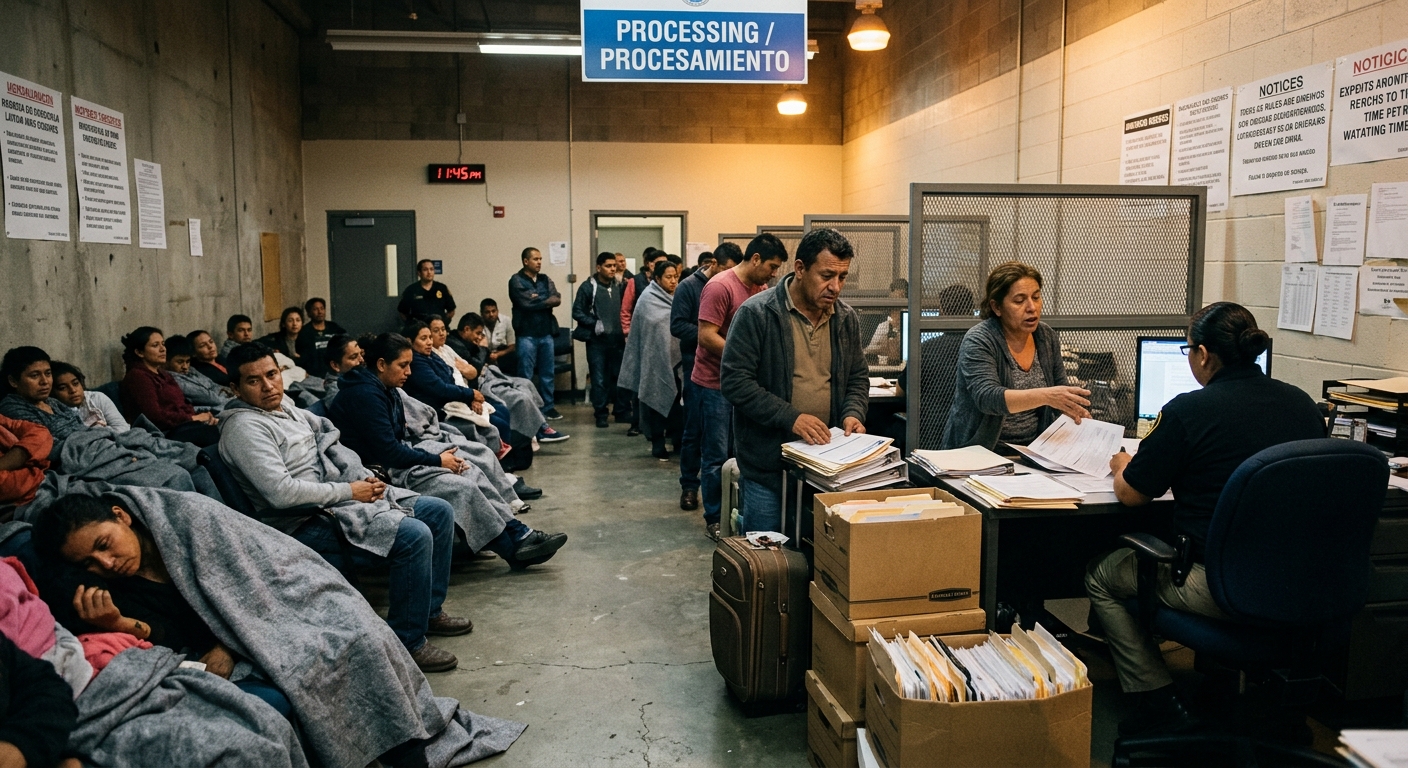
For decades, the United States has stood as a symbolic refuge for individuals fleeing violence, persecution, and systemic oppression. Rooted in both domestic statutes and international treaties, the right to seek asylum is a fundamental pillar of modern human rights law. However, administrative policy shifts over recent years have profoundly altered the landscape of humanitarian protection at the U.S. southern border. Among the most controversial of these shifts has been the implementation of rapid processing programs that effectively prioritize speed over statutory legal rights, leaving thousands of vulnerable migrants in a bureaucratic maze without the guidance of legal counsel.
By overhauling the timeline and environment in which asylum claims are initially assessed, federal immigration enforcement agencies created a system where life-or-death determinations are made in a matter of hours or days. This expedited approach fundamentally clashes with the meticulous preparation required to navigate the complex U.S. immigration system. In this comprehensive analysis, we will explore the mechanics of these accelerated programs, the harrowing realities of the holding facilities where these interviews occur, and the subsequent legal backlash from civil rights organizations and federal oversight bodies.
Deconstructing PACR and HARP: The Framework of Rapid Removal
To understand the severity of these policy shifts, one must first look at the administrative machinery that drives them. The primary vehicles for this fast-track deportation strategy were two pilot programs: the Prompt Asylum Claim Review (PACR) and the Humanitarian Asylum Review Process (HARP). While the names may suggest an organized and benevolent system, the operational reality of these initiatives painted a starkly different picture.
PACR was designed specifically to target non-Mexican nationals—primarily individuals from Central America’s Northern Triangle and other nations—who crossed the southern border and were subject to specific transit restrictions. Conversely, HARP was tailored to apply identical expedited removal procedures to Mexican nationals. In a traditional asylum processing timeline, individuals who express a fear of returning to their home countries are transferred from frontline border facilities to longer-term detention centers operated by U.S. Immigration and Customs Enforcement (ICE), or they are released into the interior of the country to await their immigration court dates. This standard timeline, although deeply flawed, generally affords migrants the opportunity to contact family members, gather crucial evidence of their persecution, and, most importantly, retain an immigration attorney.
PACR and HARP radically disrupted this standard procedure. Under these programs, migrants were held exclusively in short-term holding facilities managed by U.S. Customs and Border Protection (CBP). Rather than waiting weeks or months for their initial “credible fear interview”—the threshold screening that determines whether an asylum claim can proceed to an immigration judge—individuals were subjected to these high-stakes interviews within a staggering 24 to 72 hours of their apprehension. This compressed timeline practically eliminated the opportunity for asylum seekers to adequately prepare their cases, resulting in a dramatic spike in rapid deportations.
The Realities of the “Hieleras”: Detained in the Iceboxes
The acceleration of the credible fear interview process is only one facet of the crisis. Equally alarming is the physical environment in which these traumatic legal screenings take place. CBP holding facilities were never designed for long-term detention, nor were they equipped to serve as legal processing centers for families and individuals suffering from profound trauma.
Migrants and advocates colloquially refer to these CBP holding cells as “hieleras,” a Spanish term translating to “iceboxes”. The nickname stems from the notoriously freezing temperatures maintained inside the cells, which are often constructed with concrete floors and cinderblock walls. Those held in the hieleras report being denied adequate blankets, sleeping on the floor under bright fluorescent lights that remain on 24 hours a day, and experiencing a severe lack of basic sanitation and hygiene products.
The U.S. Customs and Border Protection agency maintains internal guidelines known as the National Standards on Transport, Escort, Detention, and Search (TEDS). According to TEDS, individuals in short-term custody should be provided with adequate climate control, access to clean drinking water, and regular meals. However, multiple federal audits and testimonies from human rights monitors have highlighted severe discrepancies between these written standards and the grim realities on the ground. When individuals are forced to undergo rigorous interrogations about their past traumas while physically exhausted, shivering, and unable to care for their basic needs, the reliability of the asylum screening process is fundamentally compromised. The psychological toll of the hieleras serves as a powerful deterrent, actively breaking down the resolve of those seeking refuge.
The Erosion of Legal Representation and Due Process
At the core of the U.S. justice system lies the principle of due process, a concept that extends to individuals navigating immigration proceedings. The Immigration and Nationality Act explicitly guarantees asylum seekers the right to consult with an attorney prior to their credible fear interviews. However, the operational logistics of PACR and HARP systematically dismantled this right.
CBP facilities are inherently restrictive and isolated. They function as legal black holes where traditional avenues of communication are severed. Unlike standard ICE detention centers, which possess infrastructure for legal visitation and confidential attorney-client phone calls, CBP holding cells offer virtually no meaningful access to the outside world. Attorneys representing asylum seekers trapped in the PACR and HARP systems found themselves entirely barred from entering CBP facilities to meet with their clients in person. Even attempts to coordinate phone consultations were frequently thwarted by logistical hurdles, lack of working telephones, and restrictive agency protocols.
The consequences of this isolation are staggering. Navigating a credible fear interview requires an understanding of complex legal definitions, such as demonstrating persecution based on race, religion, nationality, membership in a particular social group, or political opinion. Without a legal advocate to explain these criteria, many traumatized individuals fail to articulate their experiences in a manner that satisfies the rigid legal thresholds. Data reflects this stark reality: prior to the implementation of these fast-track programs, a significant majority of asylum seekers passed their initial credible fear screenings. Under the PACR and HARP frameworks, pass rates plummeted drastically, paving the way for mass, expedited deportations of individuals who might have otherwise possessed highly viable claims for humanitarian protection.
Federal Oversight and the Legal Backlash
The blatant circumvention of due process did not go unnoticed. Advocacy groups, civil rights organizations, and non-profit legal clinics mobilized rapidly to challenge the legality of PACR and HARP in federal courts. These legal challenges argued that the programs explicitly violated the statutory rights of migrants to access legal counsel and operated as a deliberate mechanism to deny legitimate asylum claims. Litigants brought forth devastating testimonies from families who were rushed through the system, denied communication with their retained lawyers, and subsequently ordered deported to the very dangers they had fled.
Beyond the courtroom, federal oversight agencies also cast a critical eye on these expedited processing models. In January 2021, the Department of Homeland Security’s Office of Inspector General (DHS OIG) released a comprehensive report evaluating the deployment of these pilot programs. The resulting document, OIG-21-16, titled “DHS Has Not Effectively Implemented the Prompt Asylum Pilot Programs,” provided a scathing assessment of the agency’s operational failures. The Inspector General determined that CBP and U.S. Citizenship and Immigration Services (USCIS) rapidly expanded these initiatives without conducting adequate evaluations of their effectiveness. Furthermore, the report highlighted severe challenges regarding how migrants were detained and explicitly noted the systemic failures in providing adequate access to legal representation.
The Government Accountability Office (GAO) issued similar findings, underscoring the lack of proper data entry, tracking failures, and the logistical nightmare of coordinating credible fear screenings within a 24-to-72-hour window inside border holding facilities. These independent evaluations confirmed what legal advocates had been arguing: the fast-track system was not merely a harsh policy, but a broken administrative apparatus that failed to uphold the legal obligations of the United States.
Systemic Impacts on Vulnerable Populations
The intersection of rapid processing and inhumane detention conditions disproportionately impacts the most vulnerable demographics seeking asylum, particularly women, children, and indigenous language speakers. When a mother is held in a freezing concrete cell, sleep-deprived and terrified for her children’s health, her ability to undergo a rigorous legal interrogation is severely diminished. Furthermore, for migrants who speak indigenous dialects rather than fluent Spanish, the accelerated timeline of PACR and HARP rarely allows for the procurement of adequate translators, leading to fatal miscommunications during credible fear interviews.
These policies represent a broader paradigm shift in immigration enforcement—one that views asylum not as a legal right to be adjudicated fairly, but as a loophole to be closed. By weaponizing the logistics of detention and weaponizing time itself, the system effectively screens out legitimate refugees not on the merits of their case, but through procedural attrition.
Frequently Asked Questions (FAQs)
- What is the primary difference between PACR and HARP?
While both are fast-track asylum screening programs designed to expedite deportations, they apply to different populations. The Prompt Asylum Claim Review (PACR) generally applied to individuals from non-Mexican nations (such as Central American countries), whereas the Humanitarian Asylum Review Process (HARP) was specifically aimed at Mexican nationals seeking asylum at the southern border.
- Why are U.S. Customs and Border Protection facilities referred to as “hieleras”?
“Hielera” is the Spanish word for “icebox” or “cooler.” Migrants and human rights workers use this term to describe CBP short-term holding cells because these facilities are notoriously kept at freezing temperatures. Detainees often have to sleep on concrete floors with only thin Mylar blankets for warmth.
- Do asylum seekers have the right to a lawyer while in CBP custody?
Under U.S. immigration law, asylum seekers generally have the statutory right to consult with an attorney at no expense to the government. However, programs like PACR and HARP created a loophole. Because CBP facilities are highly restrictive short-term holding centers, attorneys are routinely barred from entering, and phone access is severely limited, effectively nullifying the right to counsel.
- What did federal watchdogs say about these expedited programs?
The Department of Homeland Security’s Office of Inspector General (OIG) issued a report (OIG-21-16) concluding that the agency had not effectively implemented these programs. The report cited rapid expansion without proper evaluation and highlighted severe logistical failures regarding how migrants were detained and their lack of access to legal representation.
Conclusion: The Path Forward for Humanitarian Protection
The legacy of programs like PACR and HARP serves as a grim case study of what happens when administrative efficiency is prioritized over human rights and due process. By trapping asylum seekers in freezing, isolated detention centers and stripping them of their right to legal counsel, the fast-track screening process turned the concept of asylum into a procedural impossibility for thousands of desperate individuals.
Restoring integrity to the U.S. immigration system requires more than simply unwinding these specific pilot programs; it demands a fundamental commitment to due process. Asylum screenings must be conducted in environments that allow for trauma-informed interviewing, adequate preparation time, and unimpeded access to legal representation. Until the infrastructure of immigration enforcement aligns with the legal and moral obligations of refugee protection, the promise of a fair and meaningful asylum process will remain out of reach for those who need it most.
References
- Prompt Asylum Claim Review | Office of Inspector General — Department of Homeland Security Office of Inspector General (OIG-21-16). 2021-01-25. https://www.oig.dhs.gov/sites/default/files/assets/2021-01/OIG-21-16-Jan21.pdf
- SOUTHWEST BORDER: DHS and DOJ Have Implemented Expedited Credible Fear Screening Pilot Programs — U.S. Government Accountability Office (GAO-21-144). 2021-01-25. https://www.gao.gov/products/gao-21-144
- National Standards on Transport, Escort, Detention, and Search (TEDS) — U.S. Customs and Border Protection. 2015-10-05. https://www.cbp.gov/sites/default/files/documents/cbp-teds-policy-20151005_1.pdf
Similar Articles








Read full bio of medha deb


