
Establishing Fault in Distracted Driving Cases
Essential strategies and evidence types for proving negligence in distracted driving accidents.
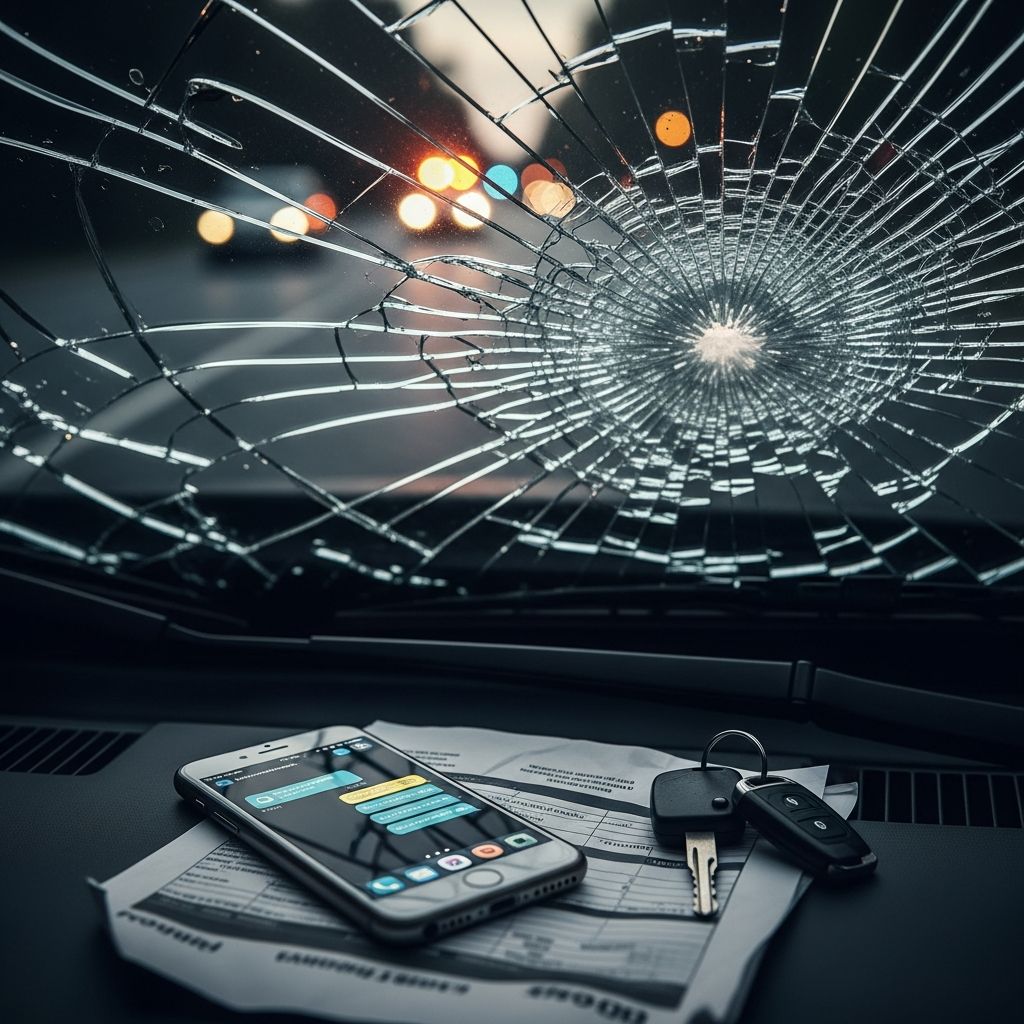
Understanding the Legal Framework for Distracted Driving Claims
When a motor vehicle collision occurs as a result of inattentive operation, establishing the connection between that inattention and the accident requires a systematic approach. The burden of proof rests on the injured party to demonstrate that the at-fault driver’s divided attention directly caused the crash and resulting injuries. This differs from criminal distracted driving cases, where prosecutors must prove guilt beyond a reasonable doubt. In civil claims, the standard is lower—you must show by a preponderance of the evidence that negligence occurred.
The foundation of any distracted driving claim rests on establishing four critical legal elements: duty of care, breach of that duty, causation, and damages. Every driver on the road has a fundamental duty to operate their vehicle safely and maintain attention on driving conditions. When someone engages in activities like texting, talking on a cell phone, or otherwise diverting their attention from the road, they breach this duty. The challenge lies in demonstrating that this breach directly caused the accident rather than other contributing factors, and that measurable damages resulted from the collision.
Initial Response and Documentation at the Accident Scene
Your actions immediately following a collision significantly impact your ability to later prove distraction. While ensuring everyone’s safety is paramount, documenting observations becomes crucial once emergency services have been contacted. Photograph the overall scene from multiple angles, capturing road conditions, traffic signals, weather, and the final positions of vehicles. These images provide context that can support reconstructing how the accident occurred.
If possible, observe and record the other driver’s demeanor and statements. Did they seem disoriented, flustered, or unusually apologetic? Were they holding a phone or displaying signs of being occupied with something inside their vehicle? Take detailed mental notes of these observations and write them down as soon as feasible, while memories remain fresh. Document any visible evidence within their vehicle—such as a phone in hand, GPS device on the dashboard, or food containers—that might suggest divided attention. These contemporary observations, though not conclusive proof, become valuable supporting evidence when combined with other investigative findings.
The Critical Role of Eyewitness Accounts
Witnesses present at the time of the accident provide independent perspectives that carry significant weight in establishing distraction. Someone who observed the other driver’s behavior immediately before impact can offer testimony about whether that driver was looking at the roadway, appeared occupied with an object, or gave other indicators of inattention. The value of witness testimony lies not only in confirming distracted behavior but in corroborating your account of events from an unbiased third party.
When collecting witness information at the scene, gather their full names, contact numbers, and email addresses. Ask them to describe specifically what they observed about the other driver’s actions in the moments leading to impact. Questions should address whether they saw the driver using a phone, whether the driver seemed surprised by traffic conditions suggesting lack of awareness, and their overall impression of the driver’s attention level. If witnesses are unwilling to provide information at the scene, note their vehicle description and license plate number to facilitate later contact. Witness statements become particularly powerful when multiple individuals independently describe similar observations, as this pattern corroborates the distraction claim.
Obtaining and Analyzing Cell Phone Records
Phone records represent some of the most compelling evidence linking a driver’s distraction directly to the time of the accident. When a call was placed, received, or a text message was sent at the exact moment the collision occurred, the timeline creates a powerful inference that the driver’s attention was diverted. However, obtaining cell phone records requires legal process; you cannot simply request them from the phone company as a private citizen.
An experienced personal injury attorney can issue a subpoena to the driver’s cellular provider requesting call logs, text message records, and data usage information for the relevant date and time. The records will show the precise timestamp of any communications, which can then be compared against the accident’s documented time. When phone activity correlates with the collision time, it becomes difficult for the other driver to deny that their phone use contributed to the crash. Some cases also involve obtaining the actual phone device for forensic examination, which can reveal not just communication history but also applications accessed, which might include social media, email, or navigation programs that required attention and interaction during the driving period.
Vehicle Data and Advanced Technological Evidence
Modern vehicles contain sophisticated onboard systems that record operational data, including steering inputs, braking patterns, acceleration characteristics, and speed variations. This vehicle data can reveal whether a driver’s reaction time and recovery behavior are consistent with someone paying attention or someone distracted by another task. For example, if a vehicle fails to brake or swerve to avoid an obstacle until the last possible moment, the data pattern suggests the driver did not notice the hazard until reaction time became critically short—a strong indicator of inattention.
Event data recorders, sometimes called “black boxes,” capture information about vehicle performance in the seconds before and after a collision. Accident reconstruction experts can analyze this data to determine whether the driver’s actions followed patterns consistent with distracted operation. Similarly, some vehicles record dashcam footage or have security camera systems that document the driver’s position and visible distractions. While not all vehicles have these features, when available, they provide objective technological evidence that courts find highly persuasive.
Video Evidence from Multiple Sources
Video footage from various sources can capture the distracted driver’s behavior and directly document the moments preceding impact. Traffic cameras at intersections frequently record collisions, and footage may show the at-fault driver texting, looking at a handheld device, or otherwise not watching the roadway. Dashcam recordings from your vehicle, nearby vehicles, or even pedestrians’ smartphones provide perspectives that might reveal the other driver’s lack of attention.
Surveillance cameras from nearby businesses, parking lots, or residential properties positioned with views of the accident location may have recorded the incident. Your attorney can work to identify all potential video sources and file formal requests to preserve and obtain this footage. When video evidence clearly shows a driver distracted by a phone, eating, or other activity at the moment of collision, it eliminates the defendant’s ability to contest the distraction claim. Even footage that does not show the initial moment of impact can demonstrate the other driver’s behavior patterns, such as repeatedly looking downward or swerving without apparent reason for road hazards.
Police Reports and Official Investigation Records
The official police report generated by responding law enforcement officers provides documentation of the accident and sometimes includes information supporting a distraction claim. Officers conducting the accident investigation may have observed the at-fault driver’s behavior, noted evidence suggesting distraction, or documented statements made by the driver to police. Some drivers, particularly when their conduct is obviously reckless, may admit to police that they were texting, talking on the phone, or otherwise distracted.
The police report typically includes the officer’s preliminary assessment of causation factors, observations about road and weather conditions, vehicle damage patterns, witness statements, and the driver’s own account of the accident. While the officer’s conclusions about fault are not binding in civil court, their contemporaneous observations and factual notations carry evidentiary weight. Additionally, police officers sometimes photograph the accident scene and may have photographed the defendant’s vehicle interior, capturing visible phones or evidence of distraction. Request a copy of the complete accident report, all photographs taken, and any diagrams created by the investigating officer, as these documents form the foundation of the official record.
Statements and Admissions from the At-Fault Driver
Perhaps surprisingly, some at-fault drivers make admissions of distraction either immediately after the accident or during subsequent interactions with law enforcement. These admissions might occur due to guilt, shock, or simply not yet realizing how their statements could be used against them. A driver’s own words stating “I was texting” or “I wasn’t paying attention” represent powerful evidence that requires no independent corroboration. Document any such statements you hear directly, note the date, time, and exact wording, and report these conversations to your attorney immediately.
Additionally, statements made to police officers may be recorded in the accident report or preserved in police audio or video recordings. During the discovery process in litigation, you gain access to the defendant’s formal statements to insurance companies, which are often recorded calls that can be played to a jury. A driver who cannot adequately explain their actions or who contradicts themselves when discussing their attention level helps establish distraction through their own credibility problems. Conversely, if the driver claims they were watching the road but physical evidence contradicts this claim, the inconsistency undermines their credibility and supports your narrative.
Accident Reconstruction and Expert Analysis
When the evidence is circumstantial or when physical evidence requires interpretation, accident reconstruction specialists provide expert testimony explaining how the collision occurred and what it reveals about driver attention. These experts analyze skid mark patterns, vehicle damage, final resting positions, and speed calculations to determine whether the crash dynamics are consistent with a driver paying attention. For instance, if a vehicle fails to apply brakes before impact, the absence of skid marks suggests the driver did not perceive an obstacle in time—consistent with distraction.
Reconstruction experts can also testify about visibility conditions, sightline angles, and the amount of time a driver should have needed to perceive and react to hazards. If actual braking was delayed far longer than the expected reaction time, this discrepancy supports a distraction argument. These experts review all available evidence, including vehicle data, photographs, and physical evidence, to construct a timeline and explanation of the accident that either supports or contradicts a distraction claim. Their professional testimony carries significant weight with juries and judges evaluating complex accident causation.
Building a Comprehensive Evidence Strategy
Successful distraction cases typically involve layering multiple evidence types rather than relying on a single source. A combination of witness testimony stating they saw the driver on a phone, cell phone records showing a text was sent at the moment of collision, video footage capturing the driver looking downward, and vehicle data showing delayed reaction all create a compelling narrative that distraction caused the accident. As individual pieces of evidence are sometimes subject to challenge or interpretation, multiple corroborating sources strengthen the case substantially.
Your attorney will prioritize evidence gathering based on what is available and most probative in your specific situation. Early investigation captures eyewitness information before memories fade and secures video footage before it is automatically deleted by traffic camera systems or businesses. Simultaneous efforts to issue subpoenas for phone records and vehicle data begin the process of obtaining evidence that requires legal process. The strategic combination of these efforts, guided by attorney experience, maximizes the strength of your distraction claim.
Frequently Asked Questions About Proving Distracted Driving
Q: Can I obtain the other driver’s cell phone records without a lawyer?
A: No. Cell phone carriers release records only to the account holder or through legal process. An attorney issues a subpoena to compel the carrier to produce records relevant to the accident investigation and litigation.
Q: What if there were no witnesses to the accident?
A: Witness testimony strengthens cases, but absence of eyewitnesses does not prevent proving distraction. Phone records, vehicle data, video evidence, accident reconstruction analysis, and the defendant’s own statements can establish distraction even without third-party witnesses.
Q: How important is video evidence in distracted driving cases?
A: Video evidence is highly valuable because it objectively documents behavior without relying on perception or memory. Traffic cameras, dashcams, and surveillance footage can conclusively show a driver’s attention level and directly support distraction claims.
Q: Can I use social media posts by the other driver as evidence?
A: Yes. Social media posts, particularly those made around the time of the accident or showing the driver’s habits of posting while driving, can be relevant evidence. Screenshots should be preserved and provided to your attorney for evaluation.
Q: What role do police reports play in civil distracted driving cases?
A: Police reports provide official documentation of the accident, the officer’s observations, witness statements, and sometimes preliminary conclusions about contributing factors. While not determinative, the report’s contents can support a distraction argument when it documents evidence or admissions of distraction.
References
- What Evidence Can Prove a Distracted Driving Claim? — Merrick’s Law Group. 2024. https://merrickslawgroup.ca/blog/what-evidence-can-prove-a-distracted-driving-claim/
- Proving Negligence in Distracted Driving Accidents: Building a Solid Case — Josh Maness Law. 2024. https://www.joshmaness.com/blog/proving-negligence-in-distracted-driving-accidents-building-a-solid-case/
- After a Collision: How Do I Prove the Other Driver Was Distracted? — Boohoff Law. 2024. https://www.boohofflaw.com/after-a-collision-how-do-i-prove-the-other-driver-was-distracted/
- Ways to Prove a Driver Was Distracted or Texting When They Hit You — Lev Recker Attorney. 2024. https://www.leverecker.com/blog/how-to-prove-distracted-driving/
- Distracted Driving and Civil Claims in Ontario: What Really Matters — AH Injury Law. 2024. https://ahinjurylaw.com/distracted-driving-civil-claims-ontario/
- Distracted Driving Accidents — Bergeron Clifford Injury Lawyer. 2024. https://www.bergeronclifford.com/practice-areas/distracted-driving-accidents
- Ontario’s Distracted Driving Laws: How They Impact Car Accident Cases — Axman Law. 2024. https://www.awaxmanlaw.ca/ontario-distracted-driving-laws-car-accident-cases
Similar Articles








Read full bio of Sneha Tete


