
Essential Vehicle Rules Every Driver Should Know
Understand key vehicle rules on registration, equipment, safety, and ownership so you can stay legal, protect others, and avoid expensive penalties.
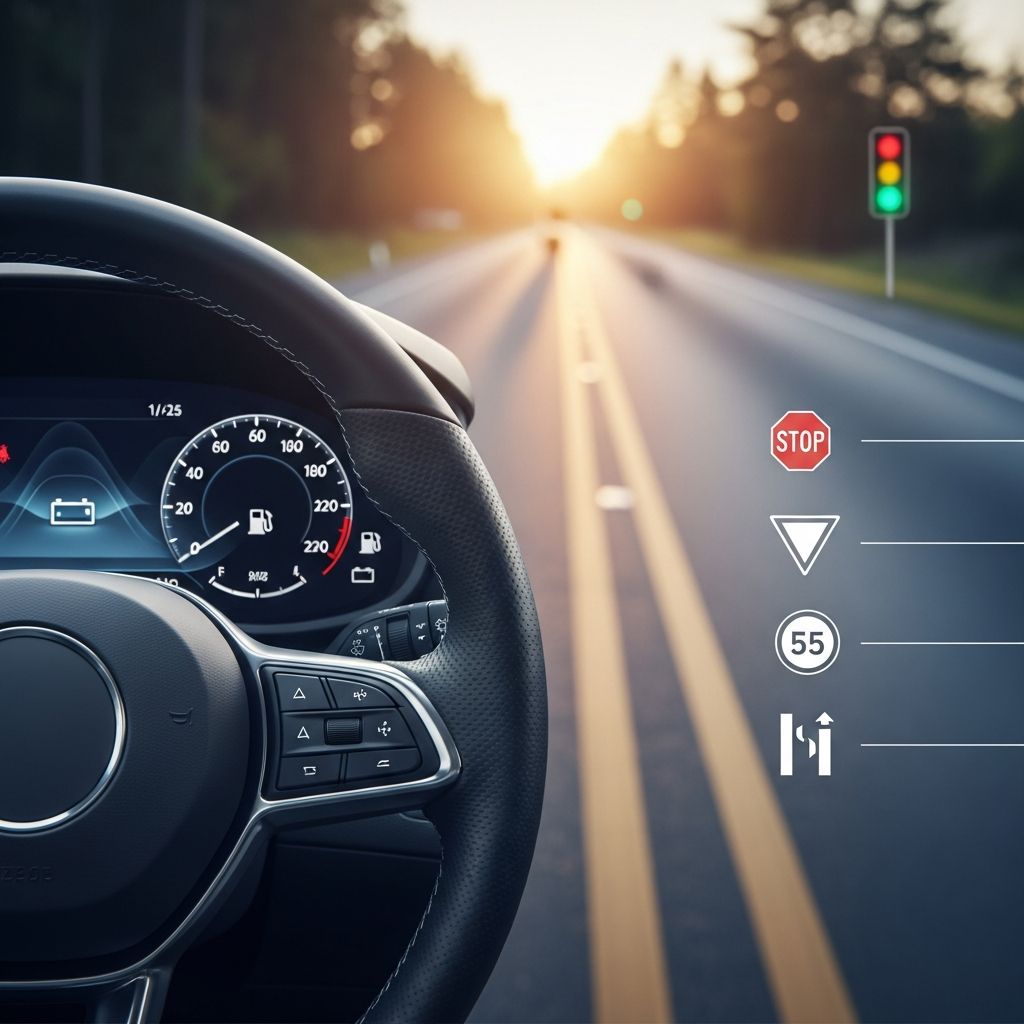
Owning or operating a car is about more than just knowing how to drive. To use a vehicle legally and safely on public roads, drivers must comply with a series of rules about registration, titling, equipment, inspections, and insurance. These rules vary by state, but the underlying principles are similar across the United States.
This guide walks through the most important vehicle-related rules so you understand your legal responsibilities and can avoid costly penalties, accidents, or disputes.
1. Why Vehicle Rules Matter
Vehicle regulations are designed to protect everyone using the road system. They serve several core purposes:
- Identify ownership and responsibility so authorities know who is accountable for a vehicle.
- Promote road safety by requiring minimum equipment and maintenance standards.
- Support environmental goals through emissions controls and inspection programs.
- Ensure financial protection for crash victims through mandatory insurance rules.
- Fund transportation systems via registration fees and related taxes.
Ignoring these rules can lead to tickets, impoundment, civil liability, and even criminal charges in serious cases.
2. Registration vs. Title: Two Different Legal Tools
Two concepts frequently confused are vehicle registration and vehicle title. They are related but serve different purposes.
| Aspect | Registration | Title |
|---|---|---|
| Primary purpose | Authorizes use of the vehicle on public roads and links it to an operator for regulatory purposes. | Establishes ownership of the vehicle for legal and financial purposes. |
| Issued by | State motor vehicle agency (often called DMV, BMV, MVD, etc.). | Same state agency, but often through a title or records division. |
| Main record | Registration card and license plates. | Certificate of title listing the legal owner and lienholders. |
| Renewal | Usually renewed annually or biennially with fees and possibly inspections. | No routine renewal; only updated when ownership or certain details change. |
| Can you drive without it? | No. Driving an unregistered vehicle on public roads is generally illegal. | Yes in limited circumstances, but only if separate registration requirements are met (for example, recently purchased vehicles in a grace period). |
2.1 What Registration Proves
Registration connects a specific vehicle to an individual or business for enforcement and taxation. Registration records typically include:
- Vehicle Identification Number (VIN)
- Make, model, year, and body type
- Weight and seating capacity for certain vehicle classes
- Name and address of the registered owner
- Registration expiration date and fee class
In some states, proof of insurance must be on file before registration is issued or renewed.
2.2 What the Title Proves
The title is the key record for who legally owns the vehicle. It typically lists:
- Current legal owner(s)
- Lienholders, such as a bank that financed the car
- Basic vehicle identifiers (VIN, make, model, year)
The title must be transferred when the vehicle is sold, gifted, or otherwise changes ownership.
3. Basic Registration Rules All Drivers Face
Exact requirements differ by state, but most U.S. jurisdictions follow similar patterns for when and how you must register a vehicle.
3.1 When Registration Is Required
In general, registration is required when:
- You buy a new or used vehicle to be driven on public roads.
- You move into a new state with a vehicle you already own.
- You inherit, receive, or are otherwise given a vehicle for regular use.
- You convert a vehicle from off-road or farm use to on-road use.
New residents usually have a limited time window—often 20 to 30 days—to register their vehicles after establishing residency or employment in a state.
3.2 Documents Commonly Required for Registration
Although each state sets its own rules, typical registration requirements include:
- Proof of ownership (such as the title or a manufacturer’s certificate of origin).
- Identification, often a government-issued photo ID or state driver’s license.
- Proof of address or residency (for example, utility bills or bank statements in some states).
- Proof of insurance meeting minimum liability limits.
- Completed application forms from the state motor vehicle agency.
- Payment of fees and applicable taxes.
Some states add extra steps for non-residents, such as proof of lawful presence or point-based identity verification systems.
4. Inspections, Emissions, and Roadworthiness
Many states condition registration or renewal on the vehicle passing certain inspections. These programs are designed to ensure basic safety and environmental performance.
4.1 Types of Inspections
Common inspection categories include:
- Safety inspections – check brakes, tires, lights, steering, and other essential systems.
- Emissions or smog checks – verify that the vehicle’s exhaust meets state or regional air quality standards.
- VIN and identity checks – confirm the vehicle’s identity, help prevent theft, and ensure records match.
States with strict air quality laws often require periodic emissions testing as a condition of keeping registration active.
4.2 Consequences of Skipping Required Inspections
If you fail to complete mandatory inspections or your vehicle does not pass, potential outcomes include:
- Denial or suspension of registration.
- Fines for operating an uninspected vehicle.
- Orders to repair identified defects before being allowed back on the road.
Ignoring these issues can create legal exposure if your vehicle later contributes to a crash due to a preventable mechanical failure.
5. Essential Equipment and Safety Rules
Beyond paperwork, vehicles must meet minimum equipment standards to be driven legally. These rules, often based on federal safety regulations and state codes, aim to reduce crash risk and the severity of injuries.
5.1 Common Required Equipment
Most jurisdictions require that all vehicles on public roads have functioning:
- Headlights and tail lights
- Brake lights and turn signals
- Mirrors (typically at least a driver’s side mirror and rearview mirror)
- Braking system in safe working order
- Windshield and wipers that provide adequate visibility
- Horn audible at a safe distance
- Seat belts for designated seating positions
Commercial vehicles and certain specialized vehicles can have additional equipment requirements, such as reflectors, underride guards, or specific lighting arrangements.
5.2 Modifications and Aftermarket Equipment
Customizing a vehicle is popular, but not every modification is legal. State rules may restrict:
- Excessively loud exhaust systems.
- Lighting colors and brightness (for example, underbody lights or tinted headlights).
- Window tint levels that reduce visibility too much.
- Suspension lifts or lowering beyond specified limits.
Before modifying a vehicle, it is wise to confirm that planned changes comply with local vehicle codes and federal safety standards.
6. Insurance and Financial Responsibility
Nearly all U.S. states require proof of financial responsibility, most commonly in the form of auto liability insurance, before a vehicle can be registered or legally operated.
6.1 Why Insurance Is Tied to Registration
Mandatory insurance rules help ensure there is at least some money available to compensate people injured or whose property is damaged in a crash. For this reason, many states:
- Require proof of insurance at the time of registration or renewal.
- Allow electronic verification by linking registration records and insurer databases.
- Can suspend registration if insurance lapses and is not promptly restored.
6.2 Minimum Coverage Requirements
Each state sets its own minimum liability limits for bodily injury and property damage. These amounts are often expressed per person and per accident. While only the minimum is legally required, many drivers purchase higher limits for better protection.
7. Moving, Buying, and Selling: Key Transition Rules
Vehicle rules become especially important when you change states or transfer ownership.
7.1 Moving to a New State
When you relocate, you typically must:
- Apply for a driver’s license in your new state within the time limit set by law.
- Register your vehicle with the new state’s motor vehicle agency.
- Meet any additional emissions or safety requirements, which may not exist in your old state.
Some states give as little as 20 days to complete registration after becoming a resident or taking a job there.
7.2 Buying or Selling a Vehicle
When ownership changes, several legal duties arise:
- Sellers often must report the transfer to the state and provide a properly signed title to the buyer.
- Buyers usually have a limited time to apply for a new title and registration in their own name.
- Any outstanding liens or loans must be satisfied or handled according to state law.
Failing to update records can leave the former owner facing tickets, toll bills, or liability for a vehicle they no longer control.
8. Special Categories: Non-Residents and Foreign Vehicles
Visitors and individuals using foreign-registered vehicles face additional considerations.
8.1 Non-Resident Drivers
Non-residents may be allowed to drive vehicles registered in another state or country for limited periods. However, if they establish residency or start regular work in a state, that state’s registration laws usually apply, requiring registration and possibly titling there.
8.2 Registering Foreign Vehicles
Bringing a vehicle from another country into the U.S. generally requires:
- Customs documentation showing lawful importation and payment of duties.
- Evidence that the vehicle meets U.S. safety and emissions standards or has been legally modified to do so.
- Compliance with the registration and titling rules of the state where the vehicle will be used.
Foreign vehicles that do not satisfy U.S. standards can be denied registration or subject to strict usage limits.
9. Common Mistakes That Lead to Violations
Many drivers run into legal trouble not because of intentional misconduct, but due to simple oversight. Frequent issues include:
- Letting registration or inspection stickers expire.
- Failing to update address information after moving.
- Driving without valid insurance or proof of insurance.
- Ignoring recall or repair notices that affect critical safety systems.
- Misusing license plates—for example, transferring plates to an unregistered vehicle without authorization.
Keeping track of renewal dates, reading mail from your motor vehicle agency, and promptly reporting changes can prevent many of these problems.
10. Practical Tips for Staying Compliant
To manage your vehicle responsibilities effectively, consider the following strategies:
- Use electronic reminders (calendar alerts, email notices) for registration, inspection, and insurance renewal dates.
- Store key documents—title, registration card, insurance card—in a secure but easily accessible place.
- Review your state’s DMV website at least once a year to check for rule changes.
- Address problems quickly if you receive a notice of suspension, recall, or inspection failure.
- Ask questions directly to your motor vehicle agency or a qualified attorney if you are uncertain about a requirement.
Frequently Asked Questions (FAQs)
Q1: Can I drive a newly purchased car before it is registered?
Many states allow short-term use of a newly purchased vehicle under temporary tags or with completed purchase documents, but rules differ widely. You usually must apply for registration promptly and carry proof of purchase and insurance during any grace period. Check your state’s motor vehicle agency for exact time limits and conditions.
Q2: Do I have to re-register my car if I move to another state?
Yes. When you establish residency in a new state, you are typically required to register your vehicle there within a set number of days, even if it is already registered in your previous state. This process may also require a new title, emissions test, and state-specific insurance coverage.
Q3: What happens if I drive with expired registration?
Driving with expired registration is usually a traffic violation. Penalties can include fines, late fees for registration, and in some cases vehicle impoundment. Repeated violations or driving while under suspension for registration-related issues can lead to more serious consequences.
Q4: Is vehicle registration the same as a driver’s license?
No. A driver’s license authorizes a person to operate certain classes of vehicles, while registration authorizes a particular vehicle to be used on public roads. You must have both a valid license and valid registration (plus insurance) to drive legally in most circumstances.
Q5: How do I check what rules apply in my state?
The most reliable way is to visit your state’s official motor vehicle agency website or use a federal directory that links to state services. These sites typically provide up-to-date information on registration, licensing, inspections, and insurance requirements.
References
- Motor vehicle registration — Various state motor vehicle agencies, aggregated summary. Last updated 2024. https://en.wikipedia.org/wiki/Motor_vehicle_registration
- How to register a vehicle in the United States as a non-US resident — VISITORUS. 2023-06-01. https://www.visitorus.com/resources/how-to-register-a-vehicle-in-the-united-states-as-a-non-us-resident
- Section 11: Vehicle Registration Requirements — California Department of Motor Vehicles. 2023-09-01. https://www.dmv.ca.gov/portal/handbook/california-driver-handbook/vehicle-registration-requirements/
- Vehicle Registration — California Department of Motor Vehicles. 2024-02-15. https://www.dmv.ca.gov/portal/vehicle-registration/
- Registration and Titling — U.S. Department of State. 2022-11-10. https://www.state.gov/registration-and-titling
- Registering a foreign vehicle or motorcycle with the Department of Motor Vehicles — U.S. Customs and Border Protection. 2023-05-12. https://www.help.cbp.gov/s/article/Article1176
- State motor vehicle services — USAGov. 2024-01-05. https://www.usa.gov/state-motor-vehicle-services
Similar Articles








Read full bio of Sneha Tete


