
Essential Tenant Rights Every Renter Should Know
Learn the core legal rights, protections, and responsibilities every residential tenant needs to understand before signing a lease.
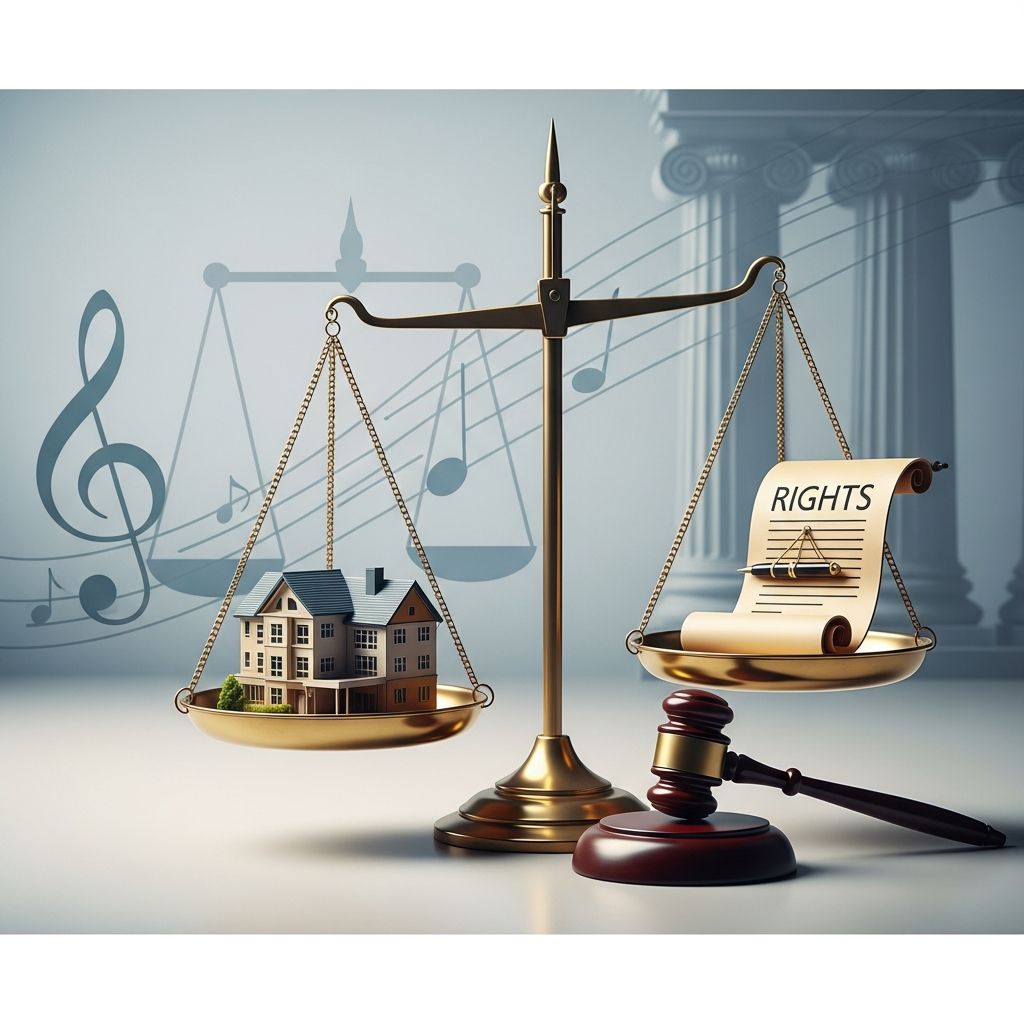
Renting a home creates a legal relationship between a tenant and a landlord, governed by a mix of statutes, regulations, and the lease itself. Although the details differ from place to place, most jurisdictions recognize core tenant rights that cannot be waived, even if a lease says otherwise.[10]
This guide explains those fundamental protections in plain language so you can recognize when something is wrong, address problems early, and know when to seek legal help. Laws change and often vary by state or country, so always check the rules where you live before acting.[10]
1. Understanding the Legal Framework of Renting
Before focusing on specific rights, it helps to understand how tenant protections are created and enforced.
- Statutes and regulations: State or national laws usually define basic tenant protections such as habitability, security deposits, notice requirements, and eviction procedures.[10]
- Local housing codes: Cities or counties often have building and health codes that set minimum safety and maintenance standards for rental housing.[10]
- Courts and case law: Courts interpret lease terms and decide whether landlords or tenants have met their duties in individual disputes.[10]
- Administrative agencies: Housing departments, consumer protection offices, or attorneys general frequently publish guides and may investigate serious violations.[10]
Your written lease or rental agreement fits into this system. It can add terms but generally cannot remove protections that law already gives you.[10]
2. The Right to a Safe and Habitable Home
Nearly all residential tenants are protected by an implied warranty of habitability. This means the landlord must provide and maintain housing that is safe and fit to live in, regardless of what the lease says.[10]
Habitability typically includes:
- Sound structure (no major leaks, collapsing ceilings, or dangerous stairs)
- Functioning heat (and in hot climates, cooling where required by local law)
- Safe electrical, plumbing, and gas systems
- Access to hot and cold water
- Working locks and basic security features
- Freedom from serious pest infestations and unsanitary conditions
Many jurisdictions put these standards into building or health codes, and landlords can be cited or fined if they allow conditions to deteriorate.[10]
2.1 Tenant options when the home is not habitable
If serious problems arise, you usually must give the landlord notice and a reasonable time to fix them. Depending on local law and the severity of the issue, possible remedies may include:[10]
- Requesting prompt repairs in writing
- Contacting code enforcement or a housing inspector
- Withholding or reducing rent (where allowed by law and often only after an inspection)
- Repairing and deducting the cost from rent (only in some jurisdictions and usually for limited amounts)
- Moving out and ending the lease if conditions are truly uninhabitable
The exact steps and documentation required differ by jurisdiction. An attorney or local tenants’ organization can advise you before you stop paying rent, because doing so incorrectly may expose you to eviction.[10]
3. Security Deposits: Limits, Deductions, and Returns
Most landlords require a security deposit before you move in. Laws often regulate how much can be collected, how it must be held, and when it must be returned.[10]
3.1 Common rules for security deposits
- Maximum amounts: Many jurisdictions cap deposits at a multiple of monthly rent (for example, one or two months), especially for unfurnished housing.
- Separate accounts and interest: Some laws require landlords to place deposits in separate accounts and pay the tenant interest annually or at move-out.[10]
- Written receipts: You may be entitled to a receipt or written statement explaining where the deposit is held.
3.2 When a landlord can keep part of your deposit
At the end of the tenancy, landlords typically may deduct only for:
- Unpaid rent or late fees owed under the lease
- Damage beyond ordinary wear and tear
- Reasonable cleaning costs if the unit is left excessively dirty
Ordinary wear and tear includes minor marks, small nail holes, or gradual carpet wear — not broken doors or large holes in walls. Many states require landlords to send an itemized list of deductions and return any remaining deposit within a set number of days after you move out.[10]
| Issue | Common Legal Approach |
|---|---|
| Deposit limit | Often capped at 1–2 months of rent for unfurnished units |
| Interest | Sometimes required in long-term tenancies, paid annually or at move-out |
| Deadline to return | Commonly 14–60 days after tenant vacates, depending on jurisdiction |
| Permitted deductions | Unpaid rent, excessive damage, and abnormal cleaning costs |
| Itemized statement | Often required when any part of the deposit is withheld |
If you believe your deposit was wrongfully withheld, you may be able to sue the landlord in small claims court, sometimes with the possibility of additional penalties for unlawful retention.[10]
4. Repair and Maintenance Responsibilities
Both parties share responsibility for keeping the rental in good condition, but the types of tasks are different.
4.1 Landlord obligations
Landlords typically must:[10]
- Maintain the building structure, roof, and common areas
- Keep essential services (heat, plumbing, electricity) in working order
- Comply with housing and safety codes
- Respond to repair requests within a reasonable time
4.2 Tenant obligations
Tenants usually must:
- Keep the rental reasonably clean
- Use fixtures and appliances properly
- Report problems promptly to prevent further damage
- Avoid damaging the property or allowing guests to do so
Most leases prohibit tenants from making major alterations (like removing walls or replacing flooring) without written permission. If you do make unauthorized changes, the landlord may charge you for restoring the property.
5. Privacy, Entry, and the Right to Quiet Enjoyment
Even though the landlord owns the property, you have a legal right to privacy and to use the premises without unreasonable interference, often called the right to “quiet enjoyment.”
5.1 When a landlord may enter your home
Common lawful reasons for entry include:
- Performing repairs or maintenance
- Inspecting the premises as allowed by the lease
- Showing the unit to prospective tenants, buyers, or contractors
- Responding to an emergency such as a fire, burst pipe, or gas leak
Outside of emergencies, many laws require landlords to provide reasonable advance notice (for example, 24 hours) and to visit at reasonable times of day. Tenants may not unreasonably refuse entry for legitimate purposes, but landlords who abuse access can face penalties.
5.2 Protecting your quiet enjoyment
Interference with quiet enjoyment can include serious ongoing disturbances, harassment, or willful failure to address dangerous conditions. Repeated violations may allow a tenant to seek damages or, in extreme cases, move out and treat the lease as terminated, depending on local law and court decisions.[10]
6. Protection from Discrimination and Retaliation
Many countries and states prohibit landlords from treating tenants differently for discriminatory or retaliatory reasons.
6.1 Anti-discrimination protections
In the United States, federal law generally bans discrimination in housing based on protected characteristics such as race, color, religion, sex, national origin, disability, and familial status, and state or local laws often add more categories.[10] Similar protections exist in many other jurisdictions.
Prohibited conduct can include:
- Refusing to rent or negotiate because of a protected characteristic
- Applying different terms or higher deposits selectively
- Harassing tenants or steering them to certain units
6.2 Retaliation for exercising your rights
Retaliation occurs when a landlord punishes a tenant for doing something lawful, such as:
- Filing a health or safety complaint with authorities
- Joining a tenant union or organizing with neighbors
- Insisting on repairs or exercising other legal rights
Many laws presume that sudden rent hikes, non-renewals, or eviction actions shortly after such activity are retaliatory unless the landlord can show a legitimate reason.[10]
7. Rent, Rent Increases, and Late Payments
Your obligation to pay rent on time is central to the landlord–tenant relationship, and failure to pay is one of the most common grounds for eviction.[10]
7.1 Rent due dates and grace periods
The lease usually states when rent is due and whether there is a grace period before late fees apply. Some states regulate late fees, limiting their amount or requiring that they be reasonable in relation to the rent and local market.[10]
7.2 Rent increases
Rules on raising rent vary widely:
- In some cities, rent control or rent stabilization laws limit how much and how often landlords may increase rent.[10]
- Elsewhere, landlords may raise rent at the end of a lease term or in month-to-month tenancies with proper advance written notice, so long as the increase is not retaliatory or discriminatory.[10]
Certain jurisdictions also allow tenants to challenge excessive or bad-faith increases intended to force them out, sometimes before a housing board or tribunal.
8. Eviction Procedures and Tenant Defenses
Eviction is the legal process by which a landlord regains possession of a rental unit. Most places prohibit landlords from using “self-help” measures like changing locks, removing doors, or shutting off utilities to force a tenant out.[10]
8.1 Lawful reasons for eviction
Typical legal grounds include:[10]
- Nonpayment of rent
- Persistent late payment or other material lease violations
- Serious property damage or illegal activity at the premises
- Owner’s intention to occupy or sell the property, in jurisdictions that allow this with proper notice
8.2 Required steps in an eviction case
While the details differ, most lawful evictions follow this pattern:[10]
- Notice to quit or cure: A written notice stating the problem (such as unpaid rent) and a deadline to fix it or move out.
- Filing in court: If you do not comply, the landlord must file an eviction lawsuit.
- Hearing or trial: You have a chance to present defenses, challenge the landlord’s claims, and raise counterclaims (for example, serious repair problems or retaliation).
- Judgment and enforcement: Only law enforcement, acting on a court order, may physically remove you if the landlord wins.
8.3 Possible defenses and counterclaims
Depending on the facts and local law, tenants may defend an eviction by arguing:
- The landlord did not follow correct notice or filing procedures.
- Rent was withheld lawfully due to severe habitability problems.
- The eviction is discriminatory or retaliatory.
- The landlord’s factual claims (such as the amount of rent owed) are incorrect.
Because eviction can affect your housing options and credit for years, it is often worth seeking legal advice as soon as you receive a notice.
9. Ending or Renewing the Tenancy
How a rental ends depends largely on the type of tenancy and the lease terms.
9.1 Fixed-term leases
A fixed-term lease (for example, one year) usually:
- Ends automatically on the expiration date unless renewed
- May require advance written notice if either party does not want to renew
- Can sometimes be terminated early only for specific reasons or with penalties, unless local law provides additional rights (such as for domestic violence survivors or military deployment)
9.2 Month-to-month or periodic tenancies
In periodic tenancies, either party typically may end the tenancy by giving advance written notice, such as 30 days, unless local law or rent regulations provide extra protections.
9.3 Early termination clauses
Some leases include early termination options in exchange for a fee or forfeited deposit. Even where such clauses exist, landlords in many jurisdictions must reasonably attempt to re-rent the unit (“mitigate damages”) rather than charge the departing tenant for the entire remaining term without making any effort to find a new tenant.[10]
10. Practical Tips to Protect Your Rights
Legal protections are most effective when tenants act proactively and keep good records.
- Read the lease carefully: Ask questions about unclear terms before signing and get all promises in writing.
- Document the unit’s condition: Take dated photos or videos at move-in and move-out.
- Communicate in writing: Confirm repair requests, complaints, and important conversations by email or letter.
- Keep receipts and notices: Store rent receipts, deposit records, and any written notices from the landlord.
- Know where to get help: Identify local legal aid offices, tenants’ unions, or government agencies that handle housing issues.
Frequently Asked Questions (FAQs)
Q1: Can my landlord raise the rent whenever they want?
Not usually. In most places, landlords must wait until the end of a fixed-term lease or give advance written notice in a month-to-month tenancy. In areas with rent control or similar regulations, there may also be limits on how much rent can increase and how often.[10]
Q2: What should I do if my landlord ignores serious repair requests?
Send a dated written request describing the problem and keep a copy. If there is no response, you can contact local housing or health inspectors to document code violations. Depending on your jurisdiction, you may later be able to withhold rent, repair and deduct, or terminate the lease, but you should verify the law or speak with a lawyer before withholding payments.[10]
Q3: Can my landlord enter without notice?
Outside of emergencies such as fires or major leaks, many laws require landlords to provide reasonable prior notice (commonly at least 24 hours) and to enter at reasonable times. Your lease may also set rules for entry. If your landlord repeatedly enters without notice and without a valid reason, it may violate your right to privacy or quiet enjoyment.
Q4: What is an illegal or “self-help” eviction?
An illegal eviction occurs when a landlord tries to force you out without going through the legal process — for example, by changing the locks, removing your belongings, cutting off utilities, or harassing you into leaving. Most jurisdictions prohibit these tactics and allow tenants to seek damages or restoration of possession.[10]
Q5: How can I find out the specific tenant rights in my state or city?
Government agencies such as state attorneys general, housing departments, or consumer protection offices often publish official residential tenant guides. These resources summarize key rights and obligations and usually provide contact information for further assistance.[10]
References
- Residential Tenants’ Rights Guide — Office of the New York State Attorney General. 2018-06-01. https://ag.ny.gov/sites/default/files/tenants_rights.pdf
- Private renting: your rights and responsibilities — UK Government. 2024-01-15. https://www.gov.uk/private-renting
- Tenants’ rights and responsibilities in the UK — Hamptons. 2023-05-10. https://www.hamptons.co.uk/guides/tenants/tenants-rights-and-responsibilities
- Guide to the Renters’ Rights Act — UK Government. 2024-05-17. https://www.gov.uk/government/publications/guide-to-the-renters-rights-act/guide-to-the-renters-rights-act
- What are my rights as a tenant? — HomeLet. 2022-09-20. https://homelet.co.uk/tenants/tips-for-tenants/what-are-my-rights-as-a-tenant
Similar Articles








Read full bio of Sneha Tete


