
Essential Records Checklist After Car Crash
Complete guide to collecting vital documents and evidence post-car accident for strong insurance claims and legal protection.
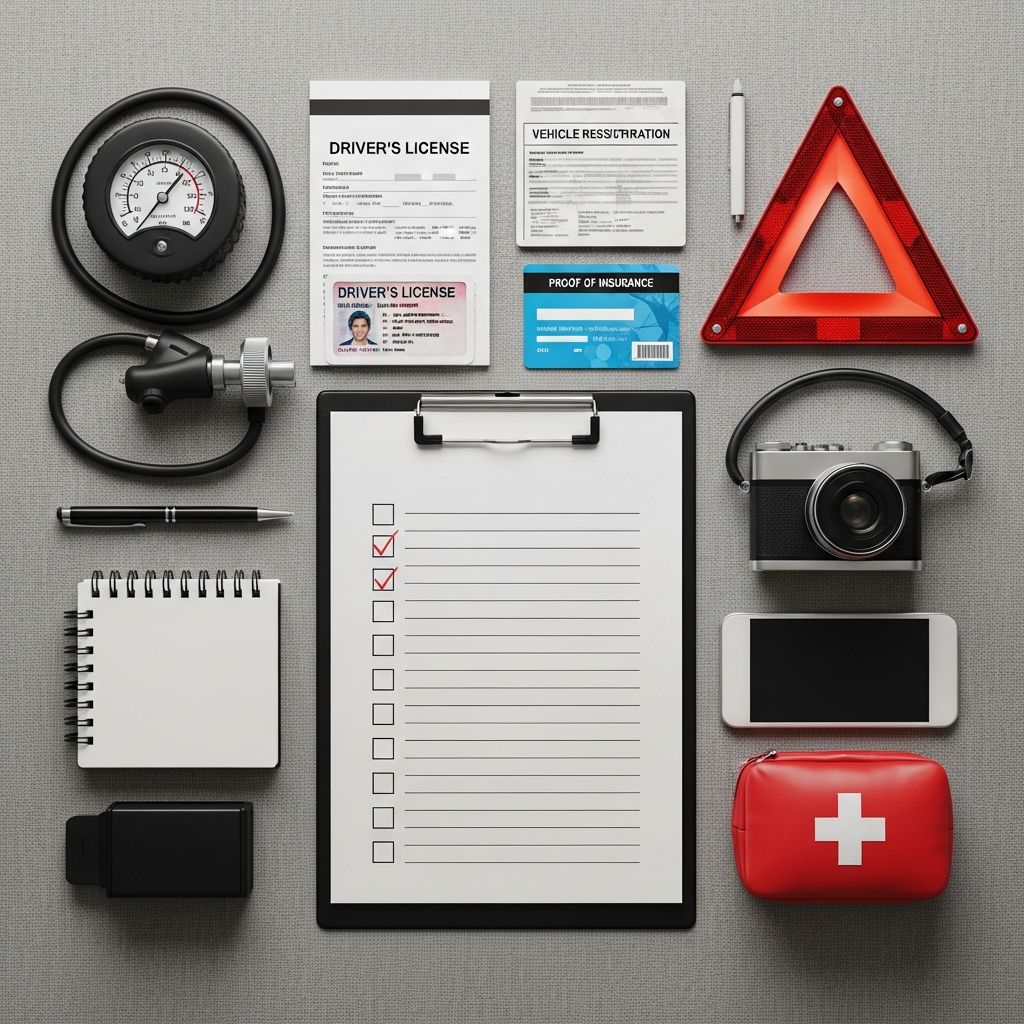
Experiencing a car crash demands quick thinking to protect your health, rights, and financial recovery. Collecting the right records immediately strengthens your position for insurance claims or potential legal action. This guide outlines key steps and documents to secure, ensuring you have comprehensive evidence from the scene through recovery.
Prioritizing Safety and Initial Response
The moments following a collision are chaotic, but your first actions set the foundation for everything else. Begin by assessing personal injuries on yourself and others present. Even minor discomforts can worsen, so err on the side of caution.
- Move to a safe location if the vehicle blocks traffic or poses risks from oncoming cars.
- Activate hazard lights and set up flares or triangles if available, especially at night or in poor visibility.
- Dial 911 for any suspected injuries, major damage, or hazardous conditions like fires or spills.
Police arrival triggers official documentation. Cooperate fully but avoid admitting fault or speculating on causes. Provide factual details only, such as location, time, and sequence of events.
Capturing Scene Details with Photos and Notes
Visual evidence is irreplaceable for proving fault and damage extent. Use your smartphone to photograph extensively before vehicles are moved, if safe.
| Photo Category | Why It Matters | Tips |
|---|---|---|
| Vehicle Damage | Shows impact points and severity | Capture all angles, close-ups of dents, scratches |
| License Plates | Identifies involved parties | Include yours and others’; note state stickers |
| Road Conditions | Highlights contributing factors like potholes or signs | Include weather, lighting, skid marks |
| Surroundings | Establishes location context | Street signs, traffic signals, nearby buildings |
| Injuries | Documents immediate visible harm | Only if safe and consensual; focus on bruises, cuts |
Supplement photos with written notes on date, time, weather, traffic flow, and your initial observations. This personal log prevents memory fade as days pass.
Exchanging Contact and Insurance Information
Legally, you must share basic details with other drivers in most states, but protect your privacy. Limit shared info to essentials and record everything from counterparts.
- Full names, phone numbers, and addresses of drivers and passengers.
- Vehicle details: make, model, year, color, VIN if visible.
- Insurance company name, policy number, agent’s contact.
- Driver’s license numbers, but do not allow photos of your own documents unless required by police.
Approach calmly; tempers flare post-crash. If the other party flees, note direction and description for police.
Securing Witness Testimonies
Independent accounts can tip scales in disputed claims. Politely request details from bystanders without pressuring them.
- Ask for names, phones, emails, and a brief statement on what they saw.
- Note their position relative to the crash for credibility.
- Encourage them to speak with arriving officers.
In no-witness scenarios, seek nearby surveillance cameras from businesses or traffic cams later via your attorney.
Obtaining Official Police Documentation
The police report is cornerstone evidence, detailing officer findings, diagrams, and citations. Get responding officers’ names, badge numbers, and report number.
Access the full report online via state police portals or DMV, typically available within days. In some areas, file a supplemental report yourself if no officers responded.
Tracking Medical Treatment and Costs
Injuries may not appear immediately—adrenaline masks pain. Seek evaluation promptly, even if feeling fine, to create a medical paper trail linking issues to the crash.
- Retain all bills, receipts, prescriptions, and test results.
- Record doctor visits, diagnoses, treatments, and follow-ups.
- Note pain levels, mobility limits, and daily impacts daily in a journal.
This journal proves ongoing suffering, countering insurer arguments of exaggeration.
Documenting Financial Losses
Beyond medical, tally economic damages for full compensation. Organize receipts meticulously.
| Loss Type | Examples | Documentation Needed |
|---|---|---|
| Lost Income | Missed workdays, reduced hours | Pay stubs, employer letters, tax returns |
| Travel Expenses | Taxis to hospital, rentals | Receipts, mileage logs |
| Repair/Towing | Body shop invoices, impound fees | Estimates, paid bills |
| Other | Childcare, household help | Invoices, canceled checks |
For self-employed, compile client logs or sales records showing downturns.
Navigating Insurance Notifications
Report promptly to your insurer, providing gathered evidence without admitting fault. Request all correspondence and claim status updates in writing.
Review policy limits and deductibles beforehand. If multi-vehicle, notify all relevant companies carefully.
Long-Term Record Maintenance
Preserve everything in a dedicated folder, digital and physical. Update as treatments continue, potentially for months or years with lingering effects.
- Scan documents for cloud backups.
- Chronologically organize for easy attorney review.
- Avoid discarding until claims or cases resolve.
Common Mistakes to Avoid
Steer clear of pitfalls that weaken cases:
- Admitting blame or apologizing at the scene.
- Skipping medical checks for “minor” incidents.
- Delaying evidence collection until convenient.
- Signing insurer documents without legal review.
- Discussing details on social media.
Frequently Asked Questions
What if the other driver has no insurance?
Your uninsured motorist coverage may apply; document everything and notify your insurer immediately.
Do I need a lawyer for minor crashes?
Consult one if injuries, disputes, or significant damages occur to maximize recovery.
How soon must I file a police report?
Typically within 24-72 hours depending on state; check local laws.
Can I move vehicles before police arrive?
Only if unsafe and no injuries; photograph first and note positions.
What about rideshare or commercial crashes?
Gather company details too; additional regulations apply.
References
- A Comprehensive Checklist on How to Document Your Car Accident — Cochran Firm. 2023. https://www.cochranfirm.com/philadelphia/practice-areas/philadelphia-car-accident-lawyer/checklist-how-to-document-car-accident/
- POST-ACCIDENT CHECKLIST — Quality Care Lawn. 2019-11. https://goqualitycare.com/wp-content/uploads/2019/11/ACCIDENT-CHECKLIST.pdf
- A Checklist to Keep You On Course After an Accident — Idaho DOI. 1936 (updated). https://doi.idaho.gov/wp-content/uploads/ID/1936.pdf
- What to Do After a Car Accident: A Step-by-Step Guide — Allstate. 2026-01. https://www.allstate.com/resources/car-insurance/in-case-of-a-car-accident
- What to Do After a Car Accident — Progressive. Accessed 2026. https://www.progressive.com/answers/what-to-do-after-car-accident/
- Post-Accident Checklist — Simeone & Miller, LLP. Accessed 2026. https://www.simeonemiller.com/car-accident-lawyer-washington-dc/post-accident-checklist/
Similar Articles








Read full bio of Sneha Tete


