
Essential Personnel Policies for Small Business Employers
Learn how clear, compliant personnel policies help small businesses manage employees fairly, reduce legal risk, and support sustainable growth.
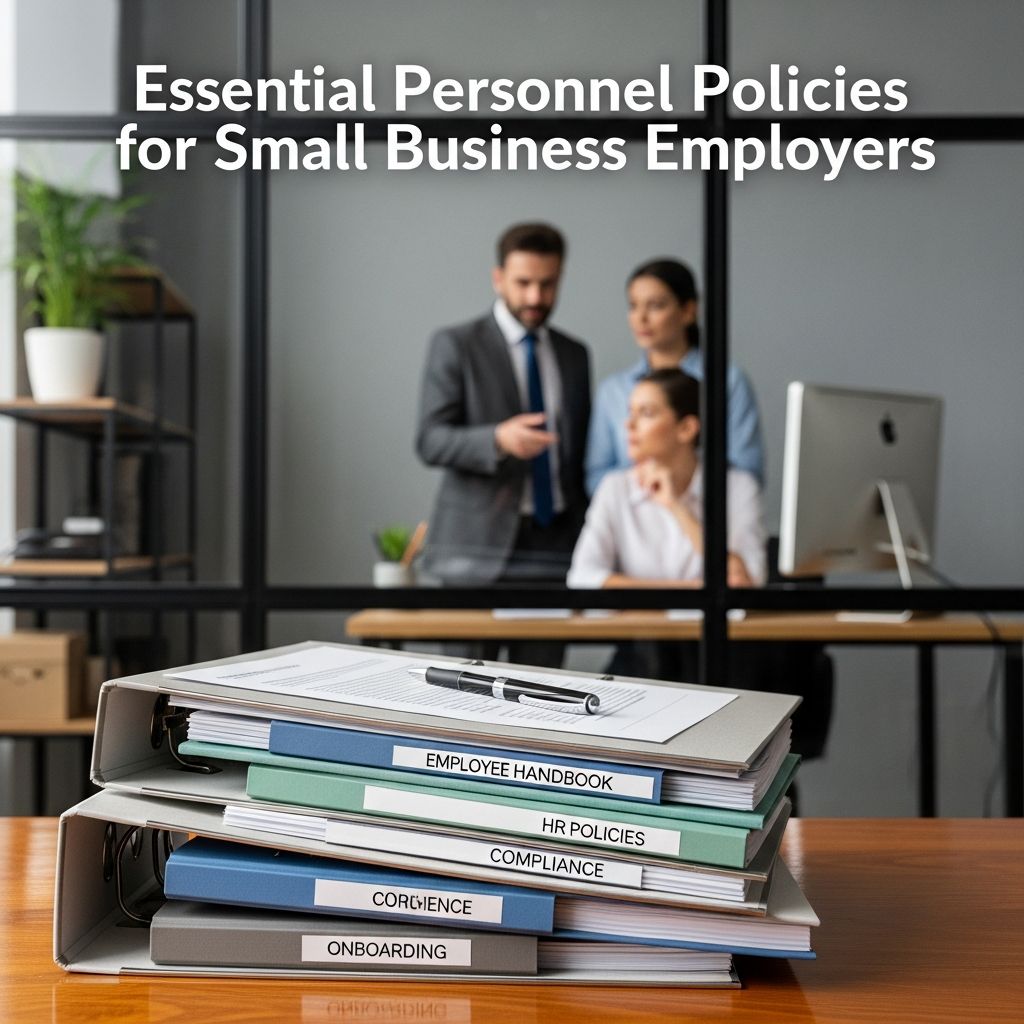
Clear, well-drafted personnel policies are one of the most effective tools a small business can use to manage employees consistently, comply with employment laws, and avoid costly disputes. Thoughtful policies explain expectations, outline rights and responsibilities, and demonstrate that decisions are made fairly rather than arbitrarily.
For small employers that may not have a dedicated HR department, investing time in basic personnel policies is not just a formality; it is a key part of legal risk management under federal and state employment laws.
Why Personnel Policies Matter for Small Employers
Personnel policies are written guidelines that describe how a business handles common workplace issues such as hiring, hours, pay, leave, performance, and discipline. Even a very small company benefits from having these rules in writing, rather than handling everything informally or “case by case.”
- Consistency: Written rules help ensure employees in similar situations are treated alike, which supports morale and reduces claims of unfairness.
- Legal compliance: Policies can embed key requirements from federal and state laws on equal employment opportunity, wages, safety, and leave.
- Clarity: Employees understand what is expected of them and what they can expect in return, which reduces misunderstandings.
- Documentation: When disputes arise, a handbook or written policy shows what rules were in place and what the employer communicated.
- Culture and values: Policies are a vehicle for expressing the organization’s standards for respect, professionalism, and integrity.
Importantly, personnel policies do not replace individualized judgment, but they provide a framework so those judgments are made within clear boundaries.
Core Legal Responsibilities That Shape Personnel Policies
Before drafting or revising policies, a small business should understand the basic areas of law that apply to most workplaces. These legal requirements will influence what must be addressed in writing.
| Legal Area | Typical Issues Covered in Policies |
|---|---|
| Equal Employment Opportunity (EEO) | Non-discrimination, equal opportunity in hiring, promotion, and termination; reasonable accommodation for disability and religion. |
| Wages and Hours | Minimum wage, overtime, timekeeping, off-the-clock work, breaks, and classification of employees. |
| Health and Safety | Compliance with occupational safety rules, reporting injuries, and hazard communication. |
| Leave and Time Off | Vacation, sick leave, family leave, and other legally required or voluntary leave benefits. |
| Harassment and Workplace Conduct | Prohibition of harassment, complaint procedures, investigations, and anti-retaliation protections. |
The exact set of laws that apply depends on factors such as the number of employees, industry, and location. For example, many federal anti-discrimination laws enforced by the U.S. Equal Employment Opportunity Commission (EEOC) apply only if an employer has a minimum number of employees, but some state laws cover smaller employers. Consulting knowledgeable counsel can help determine which requirements must be reflected in your policies.
Building an Employee Handbook That Fits Your Business
An employee handbook is often the primary document that assembles your personnel policies in one place. For small businesses, a concise, plain-language handbook is usually more effective than a long, complex manual that no one reads.
Key Topics to Include
While handbooks vary, most small employers will want policies covering at least these areas:
- Introduction and scope – Who the handbook applies to, how it interacts with contracts, and a statement that the company may revise policies.
- Employment relationship – At-will employment language where permitted by law, clarification that the handbook is not a contract, and any probationary or introductory periods.
- Equal employment and anti-harassment – Non-discrimination commitments, harassment definitions, complaint procedures, and prohibition on retaliation.
- Work hours and attendance – Normal workweek, scheduling, reporting absences, remote or flexible work guidelines, and overtime approval.
- Compensation practices – Pay periods, timekeeping responsibilities, overtime calculations, and required deductions under federal and state law.
- Leave and time off – Paid and unpaid leave programs, eligibility rules, approval processes, and how leaves interact with local or federal requirements.
- Standards of conduct – Professional behavior, conflicts of interest, use of company property, confidentiality, and social media expectations.
- Health, safety, and security – Safety rules, incident reporting, emergency procedures, and workplace violence prevention.
- Performance management and discipline – Performance review practices, progressive discipline guidelines (if used), and termination procedures.
The U.S. Small Business Administration notes that setting out basics such as pay practices and leave rules helps small employers hire and manage employees properly.
Keeping Policies Current
Employment laws and workplace norms evolve, so handbooks should be reviewed periodically. A simple annual review, or whenever major legal changes occur, can help ensure your policies remain accurate and useful. When revisions are made, employers should:
- Distribute updated versions or summaries of changes to all affected employees.
- Obtain written acknowledgment that employees received and had an opportunity to read the revised policies.
- Train supervisors so they understand and consistently apply new rules.
Designing Fair and Compliant Hiring and Onboarding Practices
Effective personnel policies begin before a person is even hired. Clear hiring and onboarding guidelines support compliance with anti-discrimination rules and help new employees integrate smoothly into the workplace.
Recruitment and Selection Guidelines
The EEOC encourages small businesses to adopt straightforward employment policies that prohibit discrimination throughout the hiring process and emphasize job-related criteria. Consider addressing:
- Job descriptions: Describe essential duties and required qualifications so candidates know how they will be evaluated.
- Equal opportunity statement: Communicate that hiring decisions are based on merit, not on protected characteristics such as race, sex, religion, or disability.
- Structured interviews: Use consistent questions and scoring criteria to help reduce bias and support fair decision-making.
- Background checks: If used, ensure you follow applicable federal and state rules on consumer reports and avoid blanket exclusions that may be discriminatory.
Onboarding and Orientation
Onboarding policies should outline what happens after a person accepts an offer. A basic checklist might include:
- Completion of required hiring forms and tax documents.
- Distribution of the handbook and other key policies, with an opportunity to ask questions.
- Training on safety procedures, harassment prevention, and reporting channels.
- Clarification of job expectations, initial goals, and how performance will be evaluated.
Thoughtful onboarding helps set expectations early and reinforces the organization’s commitment to lawful, respectful treatment of all employees.
Managing Conduct, Performance, and Discipline
How an employer responds to performance and conduct issues can have significant legal and practical consequences. Personnel policies should give managers a roadmap that balances flexibility with fairness.
Standards of Workplace Behavior
Codes of conduct typically specify what behavior is expected and what is prohibited. Many small businesses address:
- Respectful communication and prohibition of abusive, discriminatory, or harassing conduct.
- Use of company equipment, email, and internet access for business-related purposes, with limited personal use guidelines.
- Confidentiality of proprietary or customer information.
- Restrictions on conflicts of interest and outside employment that interfere with job duties.
These standards should align with anti-harassment and non-discrimination rules to show that the employer actively works to prevent unlawful behavior and to encourage early reporting.
Performance Reviews and Corrective Action
Personnel practices should also explain how performance will be measured and what happens when expectations are not met. Consider including:
- Frequency and nature of performance evaluations.
- Examples of how feedback is provided and recorded.
- Steps in any progressive discipline system (such as verbal warning, written warning, suspension, and termination), while preserving the right to skip steps when warranted.
- Documentation expectations so that disciplinary decisions are supported by records, not just memory.
Clear documentation and consistent application of rules are often crucial in defending against claims that a discharge or disciplinary action was discriminatory or retaliatory.
Leave, Benefits, and Flexible Work Arrangements
Even when not legally required to offer extensive benefits, many small employers provide some combination of paid or unpaid time off. Transparent policies help ensure these benefits are administered fairly.
Time Off and Leave Policies
Key points to address include:
- How vacation, sick time, or paid time off (PTO) is earned and when it can be used.
- Procedures for requesting time off and required notice.
- Any carryover rules or payout of unused time, consistent with state law.
- How the organization will handle legally mandated leave, such as certain family, medical, or military leaves, where applicable.
The EEOC also encourages employers to have clear leave policies that are applied consistently and do not disadvantage employees because of protected characteristics or disabilities.
Remote Work and Flexible Schedules
As flexible and remote work arrangements become more common, small businesses may want to formalize expectations. Policies can clarify:
- Eligibility for remote work, including any job-related criteria.
- Availability and communication expectations during working hours.
- Data security and confidentiality obligations when working off-site.
- How time is tracked and how overtime is approved for non-exempt employees.
Written guidance helps both managers and employees understand how flexibility will work in practice while still respecting wage and hour rules.
Training, Communication, and Enforcement
Policies only protect a business if employees know about them and managers apply them consistently. Training and open communication are therefore essential components of any personnel policy framework.
- Policy training for supervisors: Managers should understand anti-discrimination rules, leave requirements, and the basics of lawful hiring and discipline so they do not inadvertently violate policies.
- Orientation for employees: New hires should receive an overview of key rules, especially those involving conduct, safety, and reporting of concerns.
- Reporting channels: Policies should describe how employees can raise questions or complaints, including at least one avenue that does not involve the direct supervisor in case the supervisor is part of the problem.
- Non-retaliation commitments: Emphasize that employees will not be punished for making a good-faith complaint or participating in an investigation, in line with federal guidance.
Regular reminders, refreshers, and visible follow-through on investigations reinforce that policies are more than a document—they are how the organization actually operates.
When and How to Seek Legal or HR Advice
Because employment law can be complex, many small businesses benefit from professional guidance at key points, such as when:
- Creating a first employee handbook or overhauling outdated policies.
- Responding to serious misconduct allegations, especially those involving harassment or discrimination.
- Implementing significant changes in pay practices, classifications, or work schedules.
- Handling terminations that may carry heightened legal risk, such as when an employee recently engaged in protected activity.
Consulting with an employment attorney or an experienced HR professional can help tailor policies to your jurisdiction and industry and can reduce the likelihood of later disputes.
Frequently Asked Questions About Personnel Policies
Do very small businesses really need written personnel policies?
Yes. Even employers with only a few employees benefit from clear, written rules. The U.S. Small Business Administration advises that understanding and documenting basic hiring, pay, and management practices helps avoid compliance problems and misunderstandings as the business grows.
Are employee handbooks legally required?
No single law generally requires a handbook, but many laws require that you communicate certain rights and obligations. A handbook is an efficient way to do this and to show that you have taken steps to prevent discrimination, harassment, and other violations.
Can personnel policies create a binding employment contract?
In some circumstances, courts have treated specific promises in handbooks as contractual commitments, especially if no disclaimer is included. Many employers therefore state that the handbook is not a contract and that employment remains at will where allowed by law. Whether this language is effective depends on state law, so local legal advice is important.
How often should we review or update our policies?
As a practical matter, reviewing policies at least once a year is wise, and sooner if there are major changes in federal, state, or local employment laws. Updates are also warranted when your business significantly changes size, structure, or operations.
What if we rarely enforce certain rules in our handbook?
Inconsistent enforcement can undermine both legal defenses and workplace trust. If a rule is no longer realistic or helpful, revise the policy instead of ignoring it. If the rule is important, consider training managers to apply it consistently so that employees are treated fairly.
References
- Tips for Small Businesses: Employers — U.S. Equal Employment Opportunity Commission. 2023-01-10. https://www.eeoc.gov/employers/small-business/tips-small-businesses
- Hire and Manage Employees — U.S. Small Business Administration. 2023-06-15. https://www.sba.gov/business-guide/manage-your-business/hire-manage-employees
- The Ultimate HR Compliance Guide for Small Businesses — Hacking HR Lab. 2022-09-20. https://hackinghrlab.io/blogs/hr-compliance-small-business/
- Best Practices for Managing HR Compliance in Small and Medium-Sized Businesses — Global People Strategist. 2022-11-03. https://globalpeoplestrategist.com/best-practices-for-managing-hr-compliance-in-small-and-medium-sized-businesses/
- Key HR Policies and Procedures for Small Businesses — Quality Business Solutions. 2023-04-12. https://qualitybsolutions.net/workplace-policies-and-procedures/
- 12 Employee Policy Examples to Inspire Your Small Business — YouCanBook.me Blog. 2023-05-30. https://youcanbook.me/blog/employee-policy-example
Similar Articles








Read full bio of medha deb


