
Essential Legal Steps for Selling Homemade Products
Navigate regulations, licenses, and safety rules to legally launch your homemade goods business from home.
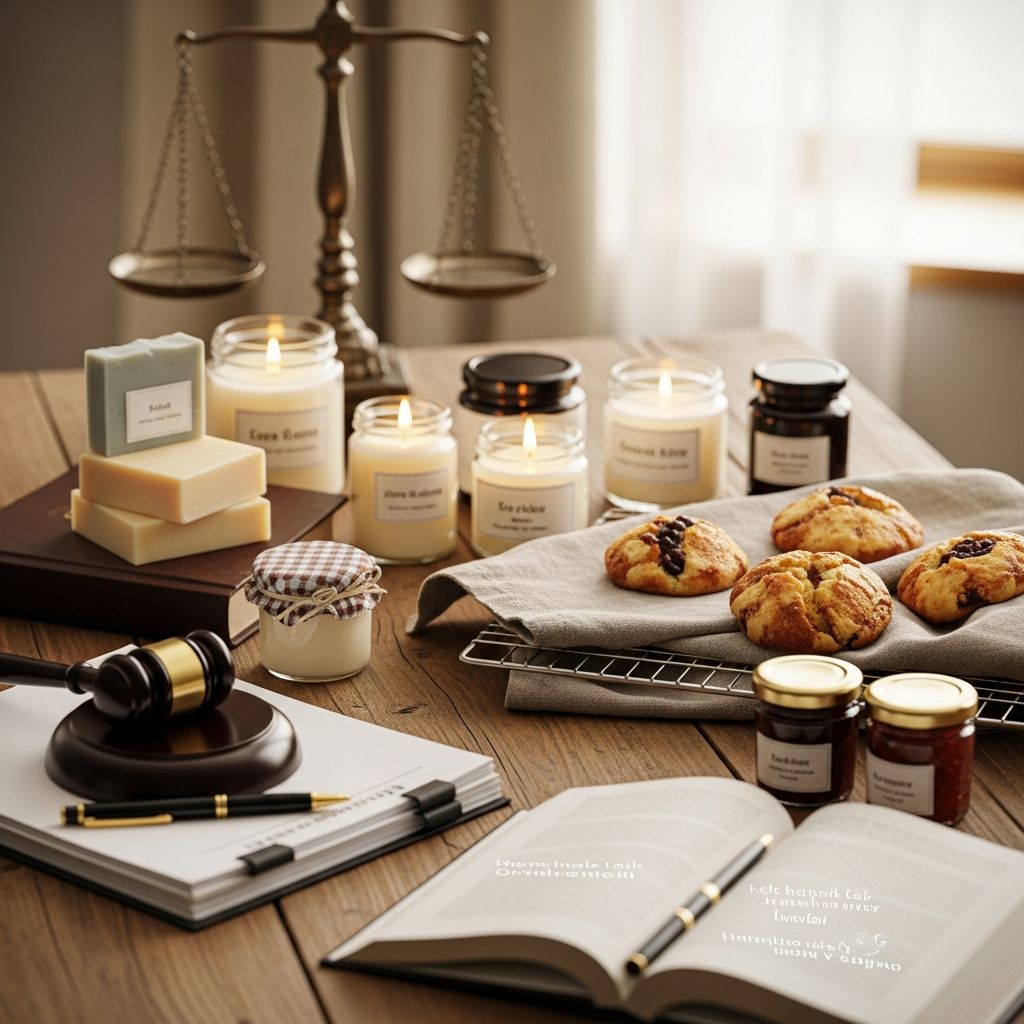
Turning your passion for crafting homemade goods into a profitable venture requires more than just skill—it demands a solid grasp of legal frameworks designed to protect consumers and legitimize your operations. Across the United States, regulations vary by state, but common themes emerge around food safety, licensing, and proper disclosure. This guide explores these essentials, drawing on official guidelines to help you start confidently.
Understanding Cottage Food Laws: Your Entry Point
Cottage food laws enable individuals to produce and sell certain low-risk foods from home kitchens without full commercial oversight. These statutes target
non-potentially hazardous foods
—items that do not require refrigeration to remain safe, such as breads, cookies, and fruit pies.In states like Ohio, these laws exempt producers from licensing and routine inspections, lowering barriers for small-scale entrepreneurs. However, eligibility hinges on the food type: only approved items qualify, excluding custards, cheesecakes, or cream-filled pastries due to bacterial growth risks.
- Approved categories: Bakery products like cakes, brownies, breads; jams, jellies, candies, and fruit butters.
- Exclusions: Salsa, cheesecakes, filled donuts—items needing time/temperature controls.
- Benefits: No license fees, no home inspections, direct-to-consumer sales flexibility.
Prospective sellers must verify their state’s list, as permissions differ. Ohio’s framework, for instance, prioritizes consumer safety while fostering local economies.
When Home Bakery Licensing Becomes Mandatory
For higher-risk products, a
home bakery license
steps in, imposing structured safeguards. These licenses, issued by state agriculture departments, apply to potentially hazardous baked goods that could spoil without proper handling.Obtaining one involves application fees—$10 annually in Ohio—plus home inspections to verify sanitation standards. Licensed operations gain broader sales privileges, including out-of-state distribution, unlike cottage food restrictions.
| Aspect | Cottage Food | Home Bakery |
|---|---|---|
| License Required | No | Yes, annual fee + inspection |
| Food Types | Non-hazardous (e.g., cookies) | Hazardous (e.g., cheesecakes) |
| Sales Locations | In-state only | Interstate possible |
| Local Permits | Often none | Health dept. for markets |
This table highlights key distinctions, aiding decision-making for product lines. Violations, such as unlicensed sales of risky items, can lead to misdemeanors and fines.
Mastering Product Labeling: Transparency and Compliance
Accurate labeling builds trust and meets legal mandates, preventing misbranding penalties. Both cottage and home bakery products demand specific details to inform buyers of origins and risks.
Required elements include:
- Product name (statement of identity).
- Net quantity in U.S. and metric units.
- Ingredients by weight descending order.
- Producer’s name and address.
- “This Product is Home Produced” in 10-point font for cottage foods.
Allergen disclosure is critical, aligning with FDA standards (21 CFR Part 101). Nutrient claims trigger full Nutrition Facts panels. Improper labels risk adulteration findings via state sampling.
Digital tools and templates from state ag sites streamline this, ensuring scannability and completeness.
Approved Venues for Marketing Your Creations
Sales channels depend on your operation type, balancing accessibility with regulatory bounds.
Cottage Foods: Limited to Ohio in-state direct sales from home, grocery stores, registered farm markets, short festivals (≤7 days), or restaurant prep use. Farmers’ markets require proper labeling but no extra licenses.
Home Bakeries: Expanded options include retail outlets, convenience stores, and interstate shipping, subject to local zoning and health rules. Markets may need additional local permits.
Online platforms amplify reach but must adhere to labeling and shipping laws—perishables demand temperature controls.
Food Safety Training: Building a Secure Foundation
Though not always mandatory for cottage foods, voluntary training like ServSafe elevates standards, mitigating illness risks. Home bakeries implicitly require it via inspections.
Key practices:
- Clean surfaces, proper handwashing.
- Temperature monitoring for at-risk items.
- Allergen cross-contamination prevention.
- Record-keeping for traceability.
State bulletins offer checklists; consistency prevents recalls and builds reputation.
Navigating Zoning, Liability, and Expansion Risks
Local zoning may restrict home businesses—check ordinances for traffic or neighbor impacts. Liability insurance shields against claims, especially for allergies.
Scaling up? Exceeding cottage limits or adding risky items triggers licensing. Track sales caps where applicable, though Ohio imposes none explicitly. Business registration (DBA, LLC) adds professionalism and tax benefits.
State Variations: Beyond Ohio’s Model
Ohio exemplifies balanced regulation, but compare neighbors: Some cap annual revenue ($50K), others ban online sales. Federal FDA oversight applies universally for interstate. Always consult state ag departments for current rules.
Frequently Asked Questions (FAQs)
Do I need a license for basic cookies from home?
No, under Ohio cottage food law, non-hazardous items like cookies require no license, just labeling.
Can I sell homemade jams at out-of-state markets?
Cottage foods are in-state only; home bakery licensing enables broader distribution.
What if my product contains allergens?
List them prominently per FDA rules within ingredients; bold major ones (milk, eggs, etc.).
Is home inspection invasive?
For home bakeries, it’s sanitation-focused: kitchen layout, equipment, no pets in prep areas.
How do fines work for non-compliance?
Unlicensed risky sales can be misdemeanors with penalties per state law.
Steps to Launch Your Compliant Home Business
1. Classify products (cottage vs. bakery).
2. Apply for licenses if needed.
3. Design compliant labels.
4. Secure insurance/zoning approval.
5. Choose venues and train on safety.
6. Monitor regulations for updates.
This roadmap minimizes hurdles, maximizing success.
References
- Selling home-baked foods: when do you need a license? — Farm Office, The Ohio State University. 2023-01-27. https://farmoffice.osu.edu/blog/fri-01272023-1016am/selling-home-baked-foods-when-do-you-need-license
- Ohio Cottage Food Law: Do You Need Food Safety Training? — FoodSafePal. Accessed 2026. https://foodsafepal.com/ohio-cottage-food-law/
- home bakery license — Farm Office, The Ohio State University. Accessed 2026. https://farmoffice.osu.edu/blog-tags/home-bakery-license
- Cottage Foods — Ohio Department of Agriculture. Accessed 2026. https://agri.ohio.gov/divisions/food-safety/resources/cottage-food
- Home Bakery — Ohio Department of Agriculture. Accessed 2026. https://agri.ohio.gov/divisions/food-safety/resources/home-bakery
- Ohio Small-Scale Food Business Guide — Ohio Farm Bureau Federation. 2024-04. https://ofbf.org/app/uploads/2024/04/Ohio-Small-Scale-Food-Business-Guide.pdf
Similar Articles








Read full bio of Sneha Tete


