
Essential Items for Your Personal Injury Lawyer Meeting
Discover the critical documents and preparations to bring to your personal injury consultation for a stronger case evaluation.
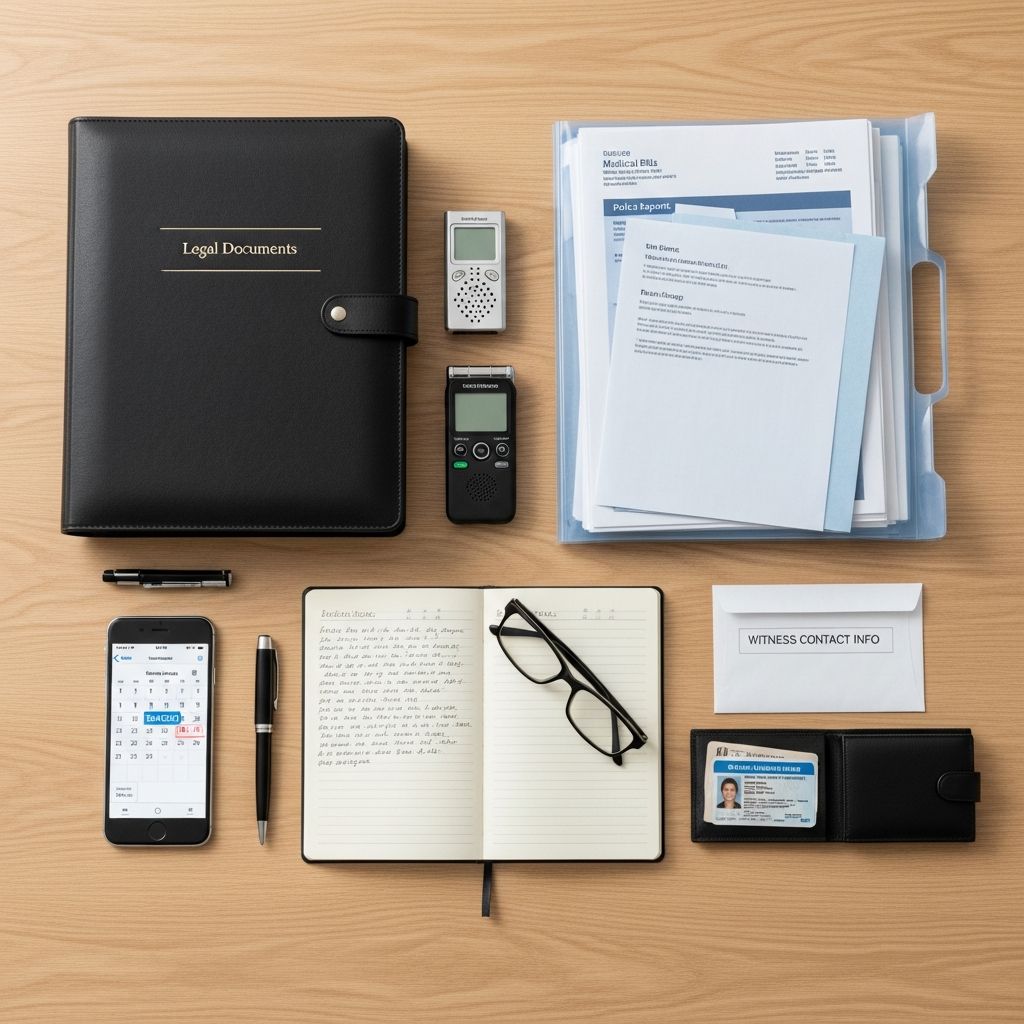
Meeting with a personal injury attorney marks a pivotal first step in pursuing compensation after an accident or injury. Proper preparation ensures the lawyer can accurately assess your case, identify strengths, and outline potential strategies. This guide details the must-have items, organizational tips, and discussion points to make your consultation productive and efficient.
Why Thorough Preparation Matters
Arriving organized demonstrates seriousness and helps the attorney dive straight into evaluating liability, damages, and viable claims. Disorganized information can delay assessments or lead to overlooked details. Studies from legal aid organizations emphasize that well-documented cases settle faster and often yield higher recoveries, as attorneys can quickly substantiate negligence or fault.
Focus on compiling evidence that proves the incident occurred, your injuries’ severity, and financial impacts. This preparation not only aids the lawyer but also clarifies your own understanding of the event sequence.
Core Documents to Compile
Gather these foundational items before your appointment. Aim for copies rather than originals to retain your records.
- Official Incident Reports: Police reports, fire department summaries, or workplace incident forms provide neutral third-party accounts of the event, including dates, locations, and initial findings.
- Visual Evidence: Photos or videos of the scene, damaged property, vehicles, road conditions, or your injuries capture details that reports might miss, strengthening visual proof of circumstances.
- Insurance Policies and Correspondence: Your policy declarations page, the at-fault party’s coverage details, claim denials, adjuster notes, emails, or recorded calls reveal coverage limits and negotiation history.
Detailed Medical Documentation
Medical records form the backbone of damage claims, quantifying physical harm and treatment needs. Collect everything from the initial visit onward.
- Emergency room summaries, physician notes, and discharge instructions detailing diagnoses and initial care.
- Diagnostic imaging like X-rays, MRIs, CT scans, or ultrasounds showing injury extent.
- All invoices for hospital stays, surgeries, medications, physical therapy, or specialist consultations.
- Future care projections from doctors, if available, to estimate long-term costs.
Organize chronologically in a binder or digital folder with tabs for quick reference. Highlight key pages noting causation links between the incident and symptoms.
Financial Impact Proof
Compensation often covers economic losses beyond medical bills. Document these rigorously.
| Category | Supporting Documents | Purpose |
|---|---|---|
| Lost Income | Pay stubs, tax returns (W-2s/1099s), employer letters confirming missed days or reduced hours | Proves wage loss from inability to work |
| Future Earning Capacity | Vocation expert reports, career projections, disability assessments | Accounts for permanent impairments affecting career |
| Out-of-Pocket Costs | Receipts for travel to appointments, home modifications, childcare, or adaptive equipment | Captures indirect expenses |
| Property Damage | Repair estimates, photos of damaged items, insurance payouts | Values tangible losses like vehicles or personal belongings |
Contact and Witness Details
Third-party input bolsters credibility. List all relevant parties:
- Witnesses: Names, phone numbers, emails, and brief statements on what they observed.
- Treating Providers: Doctors, therapists, hospitals with full contact info and treatment dates.
- At-Fault Parties: Drivers, property owners, or product manufacturers with addresses and known insurers.
- Any Citations: Traffic tickets, violations, or summonses issued at the scene.
Prepare a one-page summary sheet with this info for easy handover.
Your Personal Narrative and Timeline
Don’t rely solely on documents—craft a clear written account. Structure it as:
- Pre-Incident: Conditions leading up (e.g., weather, traffic, maintenance issues).
- The Event: Exact sequence, time, location, involved parties.
- Immediate Aftermath: Actions taken, witnesses approached, initial medical response.
- Ongoing Effects: Symptom progression, daily life disruptions (pain, mobility limits, emotional distress), work absences.
Be factual and consistent; discrepancies can undermine claims. Practice recounting verbally for the meeting.
Questions to Ask Your Attorney
A strong consultation is two-way. Prepare inquiries like:
- How do you assess my case’s value and success likelihood?
- What is your experience with similar incidents (e.g., car crashes, slips, product defects)?
- Do you handle cases on contingency, and what are typical percentages?
- What timelines apply for filing, given statutes of limitations?
- How will we communicate, and what are next steps if we proceed?
Note their responses to compare firms.
Practical Meeting Day Tips
Optimize the session:
- Arrive Early: Allow time for paperwork or traffic.
- Dress Professionally: Convey respect and focus.
- Bring Support: A trusted friend for note-taking or emotional backing.
- Take Notes: Jot advice, strategies, or warnings (e.g., avoid social media posts about the case).
- Discuss Fees Upfront: Confirm no upfront costs for contingency arrangements.
Avoid signing anything without review, and don’t discuss settlements with insurers post-meeting without counsel.
Common Mistakes to Sidestep
Steer clear of pitfalls that weaken cases:
- Delaying medical care, creating gaps in treatment records.
- Providing recorded statements to insurers prematurely.
- Neglecting ongoing documentation of symptoms or expenses.
- Posting accident details online, risking claim sabotage.
- Overlooking non-physical damages like pain, suffering, or PTSD.
Frequently Asked Questions
What if I lack some documents?
Your attorney can assist in obtaining police reports or records via subpoenas. Start with what you have; completeness builds over time.
How long does preparation take?
1-2 days for basics; fuller files may require a week for medical releases.
Is the consultation free?
Most personal injury firms offer no-cost initial reviews on contingency basis.
Can I bring digital files?
Yes, USB drives or cloud shares work; prints aid quick reviews.
What if my claim was denied?
Bring denial letters—attorneys often overturn them with better evidence.
Post-Consultation Actions
Afterward, follow up promptly. Sign retainers if aligned, cease insurer talks, and continue medical compliance. Track new developments for updates.
Prepared clients empower attorneys to negotiate aggressively or litigate effectively, often securing settlements covering full damages including future needs.
References
- How to Prepare to Meet with a Personal Injury Lawyer — Smith Alston Law. 2023. https://smithalstonlaw.com/how-to-prepare-to-meet-with-a-personal-injury-lawyer/
- What to Ask a Personal Injury Lawyer During Your Initial Consultation — Malm Legal. 2024. https://www.malmlegal.com/blog/what-to-ask-personal-injury-lawyer-at-consultation/
- What to Expect During Your First Meeting with a Personal Injury Attorney — Rosen Hagood. 2023. https://rosenhagood.com/first-meeting-with-a-personal-injury-attorney/
- Personal Injury Consultation Checklist Questionnaire — Ghabour Law. 2019-03. https://ghabourlaw.com/wp-content/uploads/2019/03/personal-injury-consultation-checklist-questionnaire.pdf
- What to Bring to an Initial Consultation With a Personal Injury Lawyer — Texas Injury Lawyers Blog. 2024. https://www.texasinjurylawyersblog.com/what-to-bring-to-an-initial-consultation-with-a-personal-injury-lawyer/
Similar Articles








Read full bio of medha deb


