
DUI Stops: What To Avoid And How To Protect Your Rights
Navigate DUI stops wisely: Learn critical mistakes to sidestep, protect your rights, and minimize legal risks effectively.
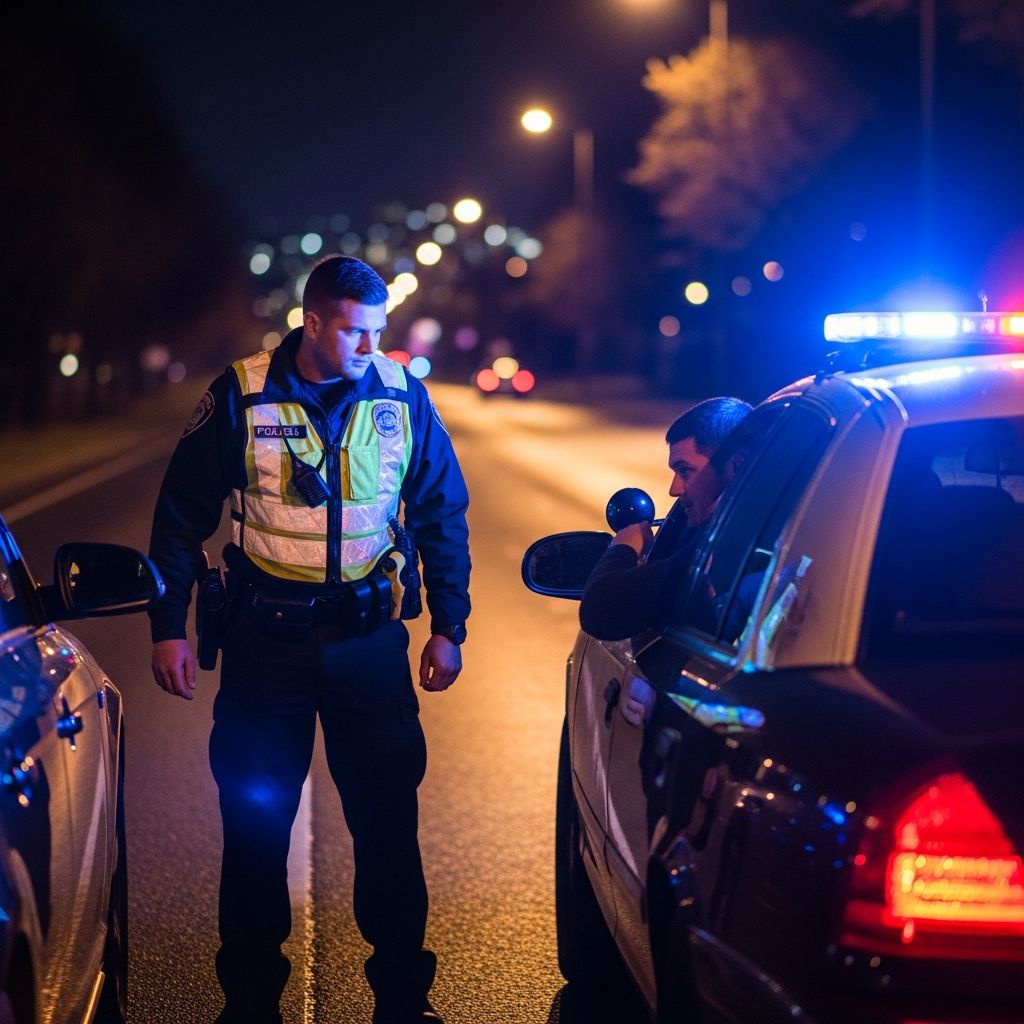
Encountering a DUI stop demands quick thinking to protect your legal standing. Drivers often make instinctive choices that complicate their situation, turning a routine check into serious charges. This guide outlines critical pitfalls, grounded in constitutional protections and state laws, to help you respond effectively.
Mastering Your Initial Response to Police
When lights flash behind you, your first instinct shapes the entire interaction. Pulling over promptly in a safe, well-lit area signals cooperation without admitting fault. Failure to do so can escalate suspicions of impairment or evasion.
Keep hands visible on the steering wheel to avoid misunderstandings. Officers approach cautiously, and sudden movements may prompt overreactions. Roll down your window just enough for document exchange, maintaining clear communication.
- Pull over immediately upon seeing emergency signals.
- Turn off the engine and keep interior lights on at night.
- Avoid reaching for items like your license until instructed.
These steps build a non-confrontational tone, preserving your ability to assert rights later.
Invoking Silence: Your Fifth Amendment Shield
The cornerstone of any DUI encounter is the right against self-incrimination. Politely decline to answer questions about alcohol consumption, destinations, or recent activities. Provide only license, registration, and insurance when requested.
Saying “I respectfully invoke my right to remain silent” clarifies your position without rudeness. Explanations like “I had one drink earlier” or “I’m just tired” often fuel probable cause for further tests. Silence prevents unintended admissions that prosecutors later exploit.
| Question Type | Required Response | Risk of Answering |
|---|---|---|
| License/Registration | Provide documents | Low |
| Have you been drinking? | Silence or invoke right | High – Builds probable cause |
| Where are you coming from? | Silence or invoke right | Medium – May reveal patterns |
Courts uphold this protection rigorously, making it a primary defense tool.
Navigating Field Sobriety Tests Strategically
Officers frequently request field sobriety tests (FSTs), such as walk-and-turn or one-leg stand. You generally have the right to refuse these preliminary assessments, as they are not mandatory pre-arrest. Refusal alone rarely justifies arrest without other evidence.
These tests prove unreliable in court; factors like anxiety, medical conditions, or uneven surfaces skew results. Videos of performances often backfire on prosecution due to subjectivity. Politely state, “I decline to perform field sobriety tests,” avoiding physical demonstrations of balance.
Post-arrest chemical tests fall under different rules, discussed later. Weigh refusal carefully, as it preserves dignity without immediate evidence creation.
Understanding Implied Consent and Test Refusals
Every driver’s license implies consent to chemical testing (breath, blood, urine) if lawfully arrested for DUI. Refusal triggers automatic administrative penalties, like license suspension, independent of criminal charges.
Preliminary breath tests (PAS) at the roadside are often optional pre-arrest, especially outside probable cause. Chemical tests post-arrest carry stiffer consequences for refusal. States vary: California’s DMV suspends for one year on first refusal.
- Pre-arrest PAS: Often refusible without auto-penalty.
- Post-arrest breath/blood: Refusal leads to suspension.
- Consult local laws; attorneys advise based on jurisdiction.
Balance evidence risks against penalties; legal counsel post-stop clarifies options.
Maintaining Composure Under Pressure
Adrenaline surges during stops, tempting impulsive reactions. Arguing, fleeing, or showing aggression worsens outcomes dramatically. Officers document demeanor, using hostility as impairment indicators.
Even if convinced of innocence, remain courteous. Phrases like “Yes, officer” or “No, thank you” de-escalate. Exiting the vehicle unprompted or hiding items invites search claims.
Physical control matters: No sudden exits, no tossing items, no engine restarts. Cooperation here doesn’t imply guilt but prevents escalations.
Documenting the Encounter for Defense
After the officer departs or arrests you, note every detail immediately. Jot time, location, weather, officer badge number, vehicle descriptions, and conversation summaries. If safe, activate dashcam or phone recording discreetly—many states permit one-party consent.
These records challenge officer reports later. Discrepancies in sobriety checkpoint protocols, like missing signage or neutral stop criteria, can suppress evidence.
Key Documentation Checklist:
- Exact stop time and duration.
- Officer statements verbatim.
- Road conditions (wet, dark, sloped).
- Witness vehicles or bystanders.
- Your physical/mental state notes.
Checkpoint-Specific Protocols
DUI checkpoints require strict adherence to standards for constitutionality. Demand proof of supervisory oversight, public notice, and neutral screening. Brief stops without cause violate Fourth Amendment protections.
Rights mirror roadside stops: Silence, document, refuse non-mandatory tests. If pulled aside, same rules apply. Challenge improper setups via motions to suppress.
Post-Stop Immediate Steps
Upon release or booking, contact a DUI attorney without delay. Avoid station conversations or calls without counsel. Request a DMV hearing within timelines (often 10 days) to contest suspensions.
Secure bail if needed, gather medical records for defenses (prescriptions, fatigue), and refrain from social media posts. Professional representation reviews bodycam footage, calibrations, and chain-of-custody for breath samples.
Long-Term Legal Ramifications
DUI convictions bring fines, jail, ignition interlocks, and insurance hikes. First offenses may qualify for diversions; repeats escalate. Administrative hearings precede criminal trials, offering early wins.
| Offense Level | Typical Penalties | Administrative Action |
|---|---|---|
| First DUI | Fines $390-$1,000, 3-6 mo suspension | 4-mo suspension |
| Second DUI | Jail 96 hrs-1 yr, 2-yr revocation | 1-2 yr suspension |
| High BAC (.15+) | Enhanced fines/jail | 1-yr suspension |
Data from state DMVs; varies by jurisdiction.
Frequently Asked Questions (FAQs)
What should I say if asked about drinking?
Invoke your Fifth Amendment right: “Officer, I respectfully choose to remain silent and request an attorney.” This prevents self-incrimination.
Can I refuse a breathalyzer entirely?
Pre-arrest PAS often yes, but post-arrest refusal incurs license suspension. Implied consent laws mandate chemical tests after arrest.
Are field sobriety tests required?
No, you can decline pre-arrest FSTs. They provide subjective evidence best avoided.
What if stopped at a checkpoint?
Provide ID, remain silent, ensure checkpoint meets legal standards like notice and neutrality.
Do I need a lawyer right away?
Yes, invoke Sixth Amendment rights immediately upon detention for best protection.
Building a Strong Defense Strategy
Effective DUI defense scrutinizes every procedural step. Challenge probable cause, test validity, and rights observance. Expert witnesses testify on test flaws; toxicologists question BAC accuracy.
Mitigation includes character evidence, voluntary treatment, or plea bargains. Early intervention often reduces charges to reckless driving or wet reckless, preserving records.
Prevention trumps cure: Use rideshares after drinking, know limits (BAC .08% standard), and educate on rights proactively. Informed drivers fare better in unavoidable encounters.
(Word count: 1678)
References
- What Are Your Rights During a DUI Stop? An Essential Guide — Westchester Defense Attorney. 2025-07. https://www.westchesterdefenseattorney.com/blog/2025/july/what-are-your-rights-during-a-dui-stop-an-essent/
- What Happens During a DUI Stop? — Herzner Law. 2024-05. https://www.herznerlaw.com/blog/2024/may/what-happens-during-a-dui-stop-/
- What Are Your Rights At A DUI Checkpoint? — Bakersfield Criminal Defense. N/A. https://www.bakersfieldcriminaldefense.com/blog/291-what-are-your-rights-at-a-dui-checkpoint
- What Are Your Rights at a DUI Checkpoint? — Musca Law. N/A. https://www.muscalaw.com/blog/what-are-your-rights-dui-checkpoint
- Insights From a DUI Lawyer: Understanding Your Rights During a DUI Stop — SJ Attorney. N/A. https://www.sjattorney.net/insights-from-a-dui-lawyer-understanding-your-rights-during-a-dui-stop
- DUI Checkpoints: Know Your Rights & Responsibilities — Hersem Law. N/A. https://www.hersemlaw.com/dui-checkpoints-know-your-rights-responsibilities/
- Driving Under the Influence (DUI) — California DMV. N/A. https://www.dmv.ca.gov/portal/driver-education-and-safety/dmv-safety-guidelines-actions/driving-under-the-influence/
Similar Articles








Read full bio of medha deb




