
Bicycle Accident: 9 Steps To Take Right Away After A Bike Crash
Protect your health and rights with these critical steps following a bike accident—prioritize safety, evidence, and legal preparation.
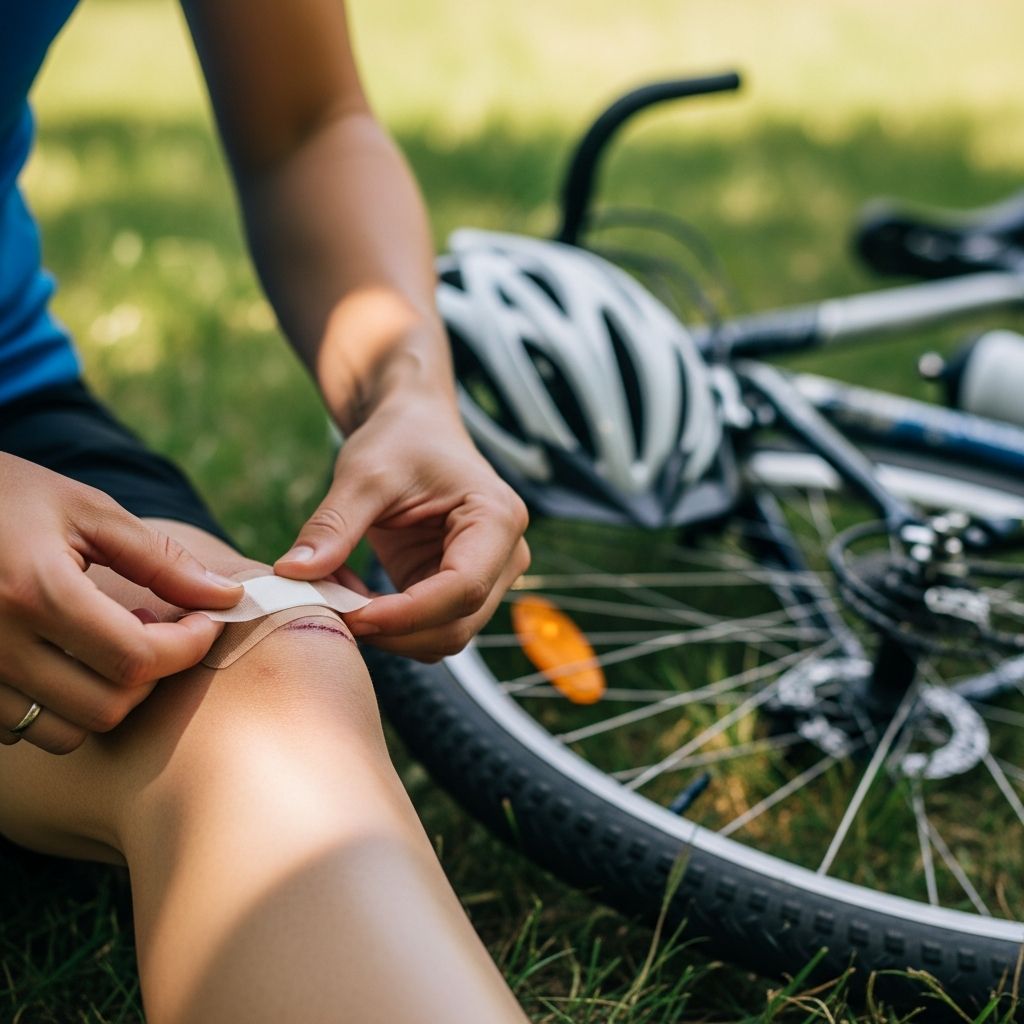
Bicycle accidents can happen abruptly, often involving vehicles or other hazards, leading to injuries ranging from minor scrapes to severe trauma. Cyclists face unique vulnerabilities on roads shared with faster motor traffic. Responding correctly in the moments and hours following a crash is pivotal for personal safety, preserving evidence for potential claims, and ensuring accountability from at-fault parties. This guide outlines a comprehensive roadmap, drawing from established safety protocols and legal best practices, to help you navigate the aftermath effectively.
Prioritizing Personal Safety at the Scene
The instant priority after any bike crash is to secure your safety and that of others involved. Adrenaline surges can mask pain, but swift assessment prevents secondary incidents like additional collisions.
- Assess mobility: If able, slowly move to the roadside, curb, or sidewalk away from live traffic lanes. Signal with hazard lights if your bike has them or use reflective gear.
- Stay still if injured: For suspected spinal, head, or internal injuries—indicated by numbness, severe pain, dizziness, or disorientation—remain motionless and alert passersby or call for help.
- Protect others: Check on pedestrians, fellow cyclists, or drivers nearby, directing them to safe spots if possible.
According to safety guidelines, this initial relocation reduces further risk by up to 70% in high-traffic areas.
Conducting a Thorough Injury Self-Check
Once safe, perform a systematic body scan. Bike falls often cause delayed symptoms due to shock or minor impacts compounding.
- Visual inspection: Look for bleeding, swelling, deformities, or road rash on exposed skin.
- Functional test: Gently move limbs, neck, and torso, noting pain, weakness, or restricted range.
- Helmet evaluation: Inspect for cracks or dents; a damaged helmet signals potential concussion risk, warranting immediate professional evaluation.
Even seemingly trivial injuries like bruises can evolve into concussions or fractures. Prompt recognition facilitates timely intervention.
Summoning Professional Medical Assistance
Never delay calling emergency services (911 in the US) if injuries are apparent or suspected. Paramedics provide on-site stabilization, transport, and official documentation invaluable for later claims.
- Dial immediately for moderate-to-severe symptoms: Unconsciousness, chest pain, vomiting, confusion, or heavy bleeding.
- Seek evaluation regardless: Minor incidents merit urgent care or ER visits to rule out hidden issues like internal bleeding or soft tissue damage.
- Follow-up care: Schedule doctor appointments, imaging (CT/MRI), and therapy as recommended; continuity strengthens medical records.
Medical reports serve as primary evidence in injury compensation cases, correlating treatment timelines with accident details.
Documenting the Incident Thoroughly
Evidence collection is crucial before the scene alters. Use your smartphone systematically.
| Element to Capture | Why It Matters | Best Practices |
|---|---|---|
| Scene overview | Establishes location and conditions | Wide-angle photos of intersection, signage, road marks |
| Your bike/gear | Shows damage extent | Multiple angles: frame, wheels, helmet cracks |
| Involved vehicles | Identifies at-fault party | License plates, make/model, visible defects |
| Injuries | Links harm to crash | Time-stamped images of wounds, swelling |
| Environmental factors | Contextualizes cause | Weather, potholes, skid marks, traffic signals |
This visual record often outweighs verbal recollections in disputes.
Exchanging Essential Contact Details
Gather information from all parties without admitting fault.
- Driver details: Name, phone, address, license number, insurance provider/policy number.
- Witness accounts: Names, contacts, brief narratives of what they observed.
- Vehicle specifics: VIN if visible, damage photos.
Politely request they remain until authorities arrive. Refusal? Note descriptions and vehicle details anyway. These exchanges form the foundation for liability determination.
Reporting to Law Enforcement
File an official police report promptly—mandatory in most jurisdictions for injury or property damage over $1,000.
- Call non-emergency if safe: Provide location, involved parties, summary without speculation.
- Officer interaction: Offer facts only (e.g., “I was cycling north when struck”); request report number/badge ID.
- Hit-and-run: Report immediately with descriptions for investigation.
Police documentation lends credibility, often including diagrams and initial fault assessments.
Navigating Insurance Notifications
Contact your insurer (and the at-fault party’s if identified) within 24-48 hours, armed with gathered data.
- Stick to facts: Describe events chronologically; avoid opinions on blame.
- Submit evidence: Photos, medical notes, police report.
- Understand coverage: Cyclist policies may include uninsured motorist or personal injury protection.
Early reporting initiates claims processing but consult an attorney before signing releases.
Understanding Legal Rights and Consultation
Bicycle crashes frequently involve negligence claims against drivers. Compensation covers medical bills, lost wages, pain, and bike repairs.
- Statute awareness: Most states allow 1-3 years to file; act swiftly as evidence fades.
- Attorney engagement: Free consultations assess case strength; they handle negotiations, maximizing settlements.
- Common pitfalls: Social media posts or fault-admitting statements can undermine claims.
Experienced counsel recovers 3-4 times more than self-represented claimants on average.
Long-Term Recovery Strategies
Beyond immediacy, focus on holistic healing.
- Rehabilitation: Physical therapy restores mobility; track progress meticulously.
- Bike assessment: Professional inspection determines repairability or total loss.
- Mental health: Counseling addresses PTSD or anxiety from traumatic events.
- Prevention upgrades: Invest in lights, mirrors, high-visibility apparel post-recovery.
Sustained care ensures full function and bolsters legal positions.
Frequently Asked Questions
Do I need a police report for minor bike accidents?
Yes, especially with vehicles involved—it’s legally required in many areas and essential for insurance.
What if the driver flees the scene?
Report hit-and-run immediately with all details; surveillance footage often aids recovery.
Should I accept the driver’s insurance offer on-site?
No—get medical clearance first; initial lowballs undervalue long-term costs.
Are bike lanes always safer?
Not necessarily; drivers must yield, but vigilance remains key.
How soon do symptoms appear after a crash?
Some immediately, others (concussions) in 24-72 hours—seek evaluation promptly.
References
- Steps to Take Immediately After a Bicycle Accident — Crowson Law Offices. 2023-05-15. https://www.cclawfirm.com/steps-to-take-immediately-after-a-bicycle-accident/
- Steps to Take Immediately After a Bike Crash — The Packard Law Firm. 2025-11-01. https://www.packardfirm.com/blog/2025/november/steps-to-take-immediately-after-a-bike-crash/
- What to Do After a Bike Fall: Bike Accident Injury Treatment — Complete Care. 2024-06-20. https://www.visitcompletecare.com/blog/bike-fall/
- What to Do After a Bicycle Accident: A Legal and Medical Checklist — People Powered Movement. 2023-08-10. https://www.peoplepoweredmovement.org/what-to-do-after-a-bicycle-accident-a-legal-and-medical-checklist-for-cyclists/
- What To Do Right Away if You’ve Been Injured in a Bike Accident — Bruce Deming Law. 2022-03-12. https://brucedeming.com/whattodorightaway
- 7 Steps to Take If Hit While Walking or Biking — Heslin Law Firm. 2024-02-28. https://www.heslinlawfirm.com/blog/7-steps-to-take-if-hit-while-walking-or-biking.cfm
- What to Do Immediately After a Bike Accident — Christensen & Hymas. 2023-11-05. https://christensenhymas.com/blog/what-to-do-immediately-after-a-bike-accident/
Similar Articles








Read full bio of Sneha Tete




