
Emojis in Court: Legal Risks and Realities
Discover the surprising legal weight of emojis in court cases, from contracts to threats—know the risks before you hit send.
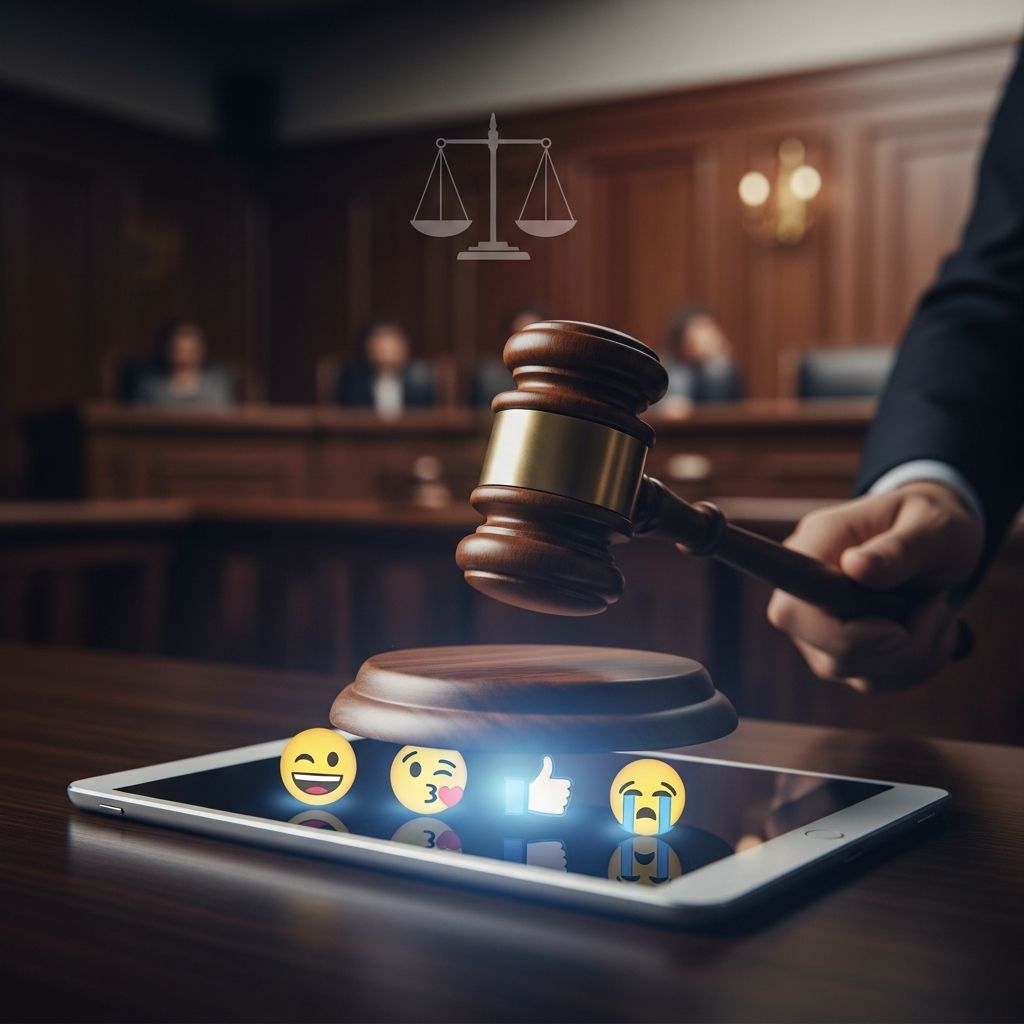
Digital symbols like emojis have transcended casual texting to become pivotal in judicial decisions. Courts increasingly scrutinize these icons for their role in contracts, threats, and intent, revealing both their evidentiary value and interpretive pitfalls.
The Rise of Digital Symbols in Judicial Proceedings
Once dismissed as frivolous additions to messages, emojis now carry substantial legal weight. As text-based communications dominate evidence in modern litigation, these pictograms provide context for tone, sarcasm, or agreement. Their proliferation in emails, social media, and chats means judges and juries must decode them alongside words.
Early cases treated emojis as mere punctuation, but recent rulings affirm their standalone significance. For instance, a simple thumbs-up can signal contract acceptance, while a winking face might negate bad faith claims. This evolution reflects broader digital literacy demands on the legal system.
Key Courtroom Battles Involving Emoji Evidence
Several high-stakes cases highlight emojis’ courtroom impact. In one property dispute, a buyer’s enthusiastic ‘Yes and yessir!’ followed by the seller’s thumbs-up emoji formed the basis for enforcing a sale agreement. The court denied dismissal, viewing the emoji as affirmative assent in context.
Criminal matters amplify risks. A Pennsylvania drug case used emojis to demonstrate intent, bolstering conviction evidence. Similarly, in the Silk Road trial, prosecution chat logs riddled with symbols were read aloud, with the judge mandating notation of each emoticon to preserve evidentiary integrity. Ross Ulbricht’s conviction followed, leaving emoji handling for potential appeals.
Civil fraud suits invoke emojis too. A tweet with a ‘smiley moon’ was interpreted as stock hype, allowing shareholder claims. Judge McFadden ruled emojis actionable if conveying fraud, rejecting evasion via symbols: ‘A fraudster may not escape liability simply because he used an emoji.’
- Thumbs-up: Signals agreement in sales contexts.
- Winking face: May indicate jest or irony.
- Tongue-out face: Defended as humor in threats, though often contested.
Interpreting Emojis: The Subjectivity Challenge
Emojis defy universal meaning, complicating legal analysis. A folded hands icon might mean prayer, high-five, or plea, varying by culture, age, or slang. Platforms exacerbate this: an ‘alien’ emoji appears playful on some devices, menacing on others.
Courts grapple with context. In Elonis v. United States, a tongue-out emoticon post-Halloween matricide costume suggestion was argued as joking by the defendant, insulting by his wife. The Supreme Court sidestepped interpretation, focusing on mens rea instead.
Defamation cases yield mixed outcomes. A Michigan appeals court deemed a tongue-sticking emoticon non-actionable humor. Yet ambiguity persists, demanding expert testimony or jury discretion for resolution.
| Emoji | Common Meanings | Legal Example |
|---|---|---|
| 👍 (Thumbs Up) | Approval, agreement | Contract formation in property sale |
| 😉 (Winking Face) | Joking, sarcasm | Copyright fair use defense |
| 😛 (Tongue Out) | Humor, insult | Threat interpretation in Elonis |
| 👾 (Alien Monster) | Playful, scary (platform-dependent) | Evidentiary display disputes |
Emojis in Contracts and Business Agreements
Informal dealings increasingly bind via emojis. Beyond thumbs-up sales, investor communications face scrutiny. In Ghanam v. Does, emojis signaled intent to mislead, supporting liability claims.
Legal professionals advise caution: emojis supplement, not supplant, written terms. Yet courts enforce contextual readings, treating them as parol evidence. Businesses should formalize agreements sans symbols to mitigate disputes.
Criminal Liability and Threat Assessment
Emojis heighten stakes in crimes. A Virginia 12-year-old’s knife-bomb-gun sequence earned school threat charges, underscoring prosecutorial zeal. Research notes mirrored emotional responses, yet legal ambiguity favors caution.
In harassment or threats, emojis clarify—or confuse—intent. Sexual harassment training now covers emoji risks, as ambiguous signals invite litigation. Courts weigh surrounding text, user history, and recipient perception.
Workplace Communications: Hidden Legal Mines
Corporate texts teem with emojis, risking employment suits. A fire emoji might praise or warn; misreads fuel discrimination claims. Employers mandate emoji-free professional channels, training staff on digital decorum.
Ambiguity multiplies in diverse teams: generational gaps yield divergent reads. HR policies evolve, banning emojis in performance reviews or complaints to preserve clarity.
How Courts Handle Emoji Presentation
Judicial opinions vary: some describe (‘[winking emoticon]’), others embed originals with ’emoji in original.’ Juries hear verbal notations, as in Silk Road, avoiding platform variances.
Evidentiary rules demand authentication. Litigants prove original rendering, often via screenshots or forensics. Appeals may hinge on mishandling, urging standardized protocols.
Best Practices for Legal and Everyday Users
Avoid emojis in formal exchanges; opt for explicit language. Lawyers: Document contexts, prepare symbol experts. Businesses: Implement no-emoji policies for contracts.
For individuals: Consider audience and permanence. Texts endure as evidence; levity can backfire.
Frequently Asked Questions (FAQs)
Can a single emoji create a binding contract?
Yes, contextually—like a thumbs-up confirming a sale—but courts prefer clear terms. Relying solely risks invalidation.
Do emojis change threat perceptions in criminal cases?
Potentially; they may signal jest (e.g., winking face) but rarely override explicit words. Recipient fear often prevails.
How do different devices affect emoji evidence?
Significantly—varied renders complicate proof. Courts use originals or descriptions to mitigate.
Should workplaces ban emojis entirely?
Not necessarily, but restrict in official comms to avoid misinterpretation in disputes.
Will courts develop emoji interpretation standards?
Likely, as cases proliferate; expect guidelines on admission and expert roles.
Future Implications for Digital Law
As emoji lexicons expand, courts will refine doctrines. Unicode standardization aids, but cultural flux persists. Legal education integrates emoji literacy; AI tools may parse intent.
Ultimately, precision trumps playfulness in law. Users must weigh expressiveness against enforceability.
References
- Digital Emotions: The Evidentiary Impact of Emoticons and Emojis — Davis Wright Tremaine. 2016-01-01. https://www.dwt.com/blogs/media-law-monitor/2016/01/digital-emotions-the-evidentiary-impact-of-emotico
- Beware: Emojis Can Have Legal Consequences — Fluet Law. 2023-01-01. https://fluet.law/beware-emojis-can-have-legal-consequences-dont-let-a%F0%9F%91%8Dleave-you%F0%9F%98%A2/
- Expressions That Bind: The Increasing Legal Challenge Over Emojis — RRS Firm. 2023-01-01. https://rrsfirm.com/expressions-that-bind-the-increasing-legal-challenge-over-emojis/
- Emojis in the Court of Law: Avoiding Ambiguity in Workplace Communication — Super Lawyers. 2023-01-01. https://www.superlawyers.com/resources/employment-litigation/emojis-in-the-court-of-law-ambiguous-messages-in-workplace-communication/
- To Emoji Or Not to Emoji, That Is The Question — McLane Middleton. 2023-01-01. https://www.mclane.com/insights/to-emoji-or-not-to-emoji-that-is-the-question-the-legal-consequences-of-an-image/
Similar Articles








Read full bio of medha deb


