
Emergency Trespass: 5 Practical Steps And Texas Guidance
Can emergencies justify entering private property without permission? Explore defenses, laws, and real-world implications.
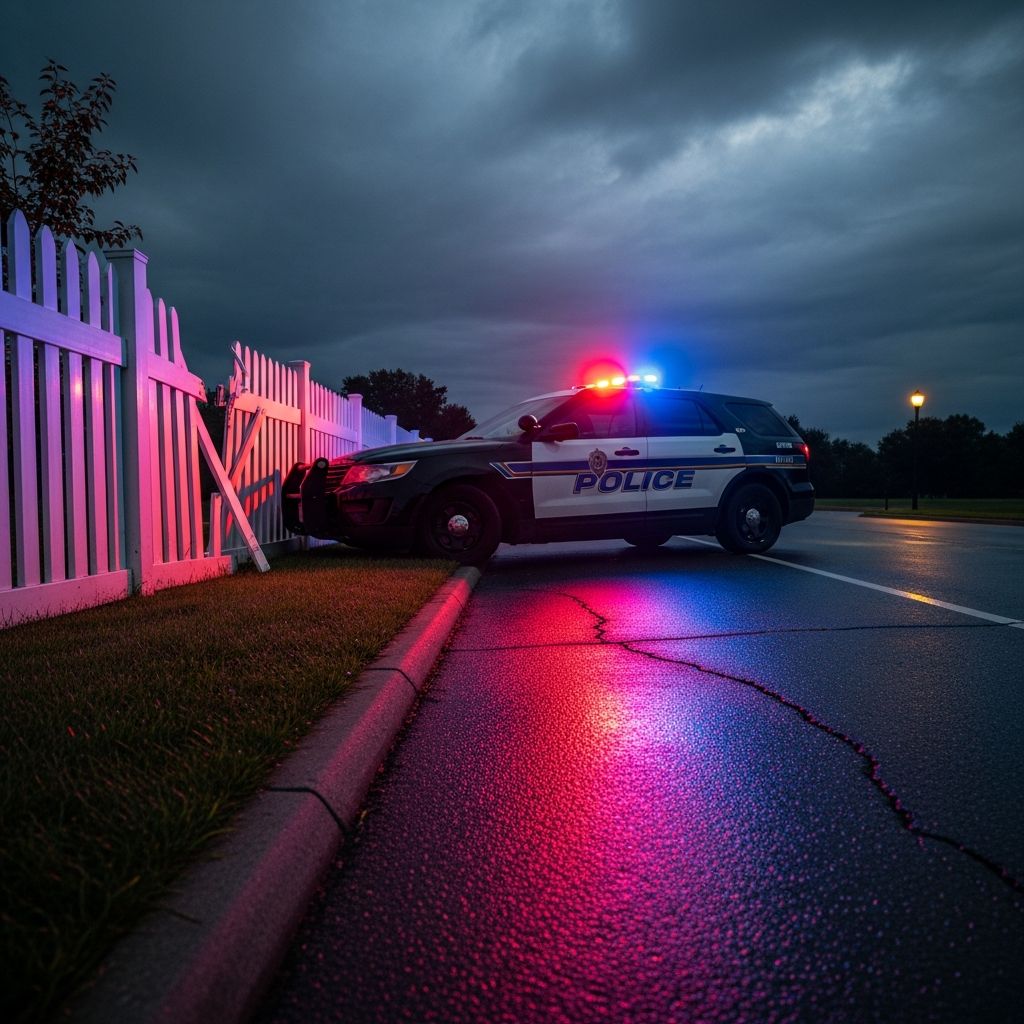
Entering private property without permission typically constitutes trespassing, but emergencies can complicate this rule. Courts often recognize limited defenses when immediate danger threatens life or safety, balancing individual rights against property protections. This principle stems from longstanding common law concepts like necessity, allowing temporary intrusion if it averts greater harm.
Defining Trespass in Urgent Situations
Trespass involves intentionally entering or remaining on another’s land without consent, knowing entry is forbidden. In emergencies, such as fleeing a fire or seeking medical aid, individuals may cross boundaries out of survival instinct. However, legality hinges on proving the act was unavoidable and minimized harm.
Key elements include:
- Intentional entry: Awareness of restricted access, even if motivated by crisis.
- Lack of consent: No prior permission from the owner.
- Notice of prohibition: Signs, fences, or verbal warnings indicating forbidden entry.
Without these, accidental intrusions might not qualify as criminal, but deliberate steps during panic often do unless a defense applies.
The Necessity Defense Explained
The necessity defense permits trespass if entry prevents imminent harm outweighing property intrusion. Private necessity protects personal interests, like sheltering from a storm, while public necessity safeguards the community, such as stopping a crime.
For private necessity, the intruder must demonstrate:
- An immediate threat to life or major injury.
- No reasonable alternative, like calling authorities.
- Efforts to limit damage and notify the owner promptly.
Courts weigh the ‘balance of harms’: a life saved trumps minor property disruption, but liability for actual damages persists. Public necessity is stricter, often reserved for officials, though civilians may invoke it in dire cases like reporting visible dangers.
State Variations: Focus on Texas Laws
Trespass statutes differ by jurisdiction, with Texas Penal Code §30.05 exemplifying strict rules. It prohibits entry or remaining on property without ‘effective consent,’ covering land, buildings, vehicles, and more.
Texas notice methods include:
| Method | Description |
|---|---|
| Verbal/Written | Direct communication from owner or agent. |
| Signage | Visible ‘No Trespassing’ signs at entrances. |
| Fencing | Enclosures designed to exclude intruders. |
| Purple Paint | Marks on posts/trees, a unique Texas indicator. |
| Crops | Visible agricultural fields for human consumption. |
Penalties escalate:
- Class C Misdemeanor: Basic cases, up to $500 fine.
- Class B: With prior convictions or critical infrastructure, up to 180 days jail and $2,000 fine.
- Class A: Firearms involved or repeat offenses, up to 1 year jail and $4,000 fine.
Emergencies offer defenses if entry serves public good or retrieves personal property, but volunteers lack automatic exemptions unlike official responders.
Criminal vs. Civil Trespass Distinctions
Criminal trespass requires prosecutorial proof of intent and notice, potentially leading to jail or fines. Civil trespass, a tort, allows owners to sue for damages or injunctions without criminal thresholds.
In emergencies:
- Criminal charges may dismiss if necessity proven, but civil claims for repairs endure.
- Landowners hold no duty to aid trespassers but cannot use excessive force.
New York illustrates gradations: third-degree (enclosed property) versus second-degree (dwellings), with jail times from months to a year.
Landowner Rights and Responsibilities
Owners may use reasonable force to repel trespassers but risk liability for excessive harm. They owe minimal care to undiscovered intruders, except for attractive nuisances like pools endangering children.
Preventive strategies:
- Install barriers, cameras, and lighting.
- Post clear warnings.
- Document incidents with photos/videos for evidence.
During emergencies, owners should verify claims before acting, as ejecting someone in genuine peril could invite lawsuits.
Real-World Scenarios and Court Outcomes
Consider a driver swerving onto private land to avoid a collision: necessity might shield from charges if no damage occurs, but repairs remain compensable.
In Texas, retrieving stolen goods justifies entry only if immediately necessary and non-destructive. Firefighters/paramedics enjoy exemptions when on duty.
Courts scrutinize: Was harm truly imminent? Alternatives exhausted? A hurricane refugee entering an empty cabin may prevail privately but not publicly. Mistake defenses apply if boundaries seem ambiguous, like unposted rural lots.
Practical Advice for Emergencies
If facing crisis:
- Seek public areas first.
- Call 911 before entering.
- Minimize intrusion and damage.
- Inform owner immediately after.
- Document your rationale with photos/timelines.
For owners encountering intruders:
- Ask them to leave calmly if safe.
- Contact police without confrontation.
- Gather evidence without escalating.
Consult local counsel, as rules vary; what excuses in one state may convict in another.
Frequently Asked Questions
Does an emergency always excuse trespassing?
No, it provides a potential defense if necessity is proven, but you may still owe damages or face scrutiny.
Are first responders immune in Texas?
Yes, volunteer emergency personnel acting officially are exempt under Penal Code.
What if I damage property while fleeing danger?
Necessity covers entry but not destruction; compensate for losses.
Can signs prevent necessity defenses?
Signs establish notice for charges but don’t negate valid emergencies.
Is accidental entry during panic trespass?
Typically no, lacking intent, but deliberate steps in awareness do.
Navigating Legal Gray Areas
Emergencies test trespass laws’ limits, prioritizing life over strict property rules. Yet, subjectivity demands case-by-case judicial review. Evolving statutes address modern crises like natural disasters, urging clearer guidelines.
Property rights remain foundational, but human survival defenses endure. Awareness empowers better decisions, reducing disputes.
References
- Is it Trespassing if it is an Emergency? — Avvo Legal Answers. 2016-10-18. https://www.avvo.com/legal-answers/is-it-trespassing-if-it-is-an-emergency–2671116.html
- Understanding the Trespassing Definition: Legal Insights & Examples — ECAM Security Blog. 2023-08-15. https://ecam.com/security-blog/trespassing-definition
- What Constitutes Trespassing in Texas? — Texas Criminal Lawyer Fort Worth. 2024-02-10. https://www.criminallawyerfortworthtx.com/what-constitutes-trespassing-in-texas/
- Texas Trespass Laws | Napier Law Firm — The Napier Law Firm. 2023-11-05. https://www.thenapierlawfirm.com/texas-criminal-trespass-laws-your-rights-and-what-you-should-know/
- Criminal Trespass Laws — Justia. 2024-06-20. https://www.justia.com/criminal/offenses/other-crimes/criminal-trespass/
- Trespass — Legal Information Institute, Cornell Law School. 2023-01-12. https://www.law.cornell.edu/wex/trespass
- An Overview of Texas Trespassing Laws — Texas Criminal Defense Group. 2024-03-28. https://texascriminaldefensegroup.com/an-overview-of-texas-trespassing-laws-2/
- Texas Penal Code §30.05 — Texas Statutes. 2023-09-01. https://statutes.capitol.texas.gov/docs/pe/pdf/pe.30.pdf
- Private Necessity — Legal Information Institute, Cornell Law School. 2022-11-15. https://www.law.cornell.edu/wex/private_necessity
Similar Articles








Read full bio of Sneha Tete


