
Email Tracking Ethics For Lawyers: An Essential Guide
Navigating the ethical minefield of email tracking tools in legal practice: risks, rules, and best alternatives for attorneys.
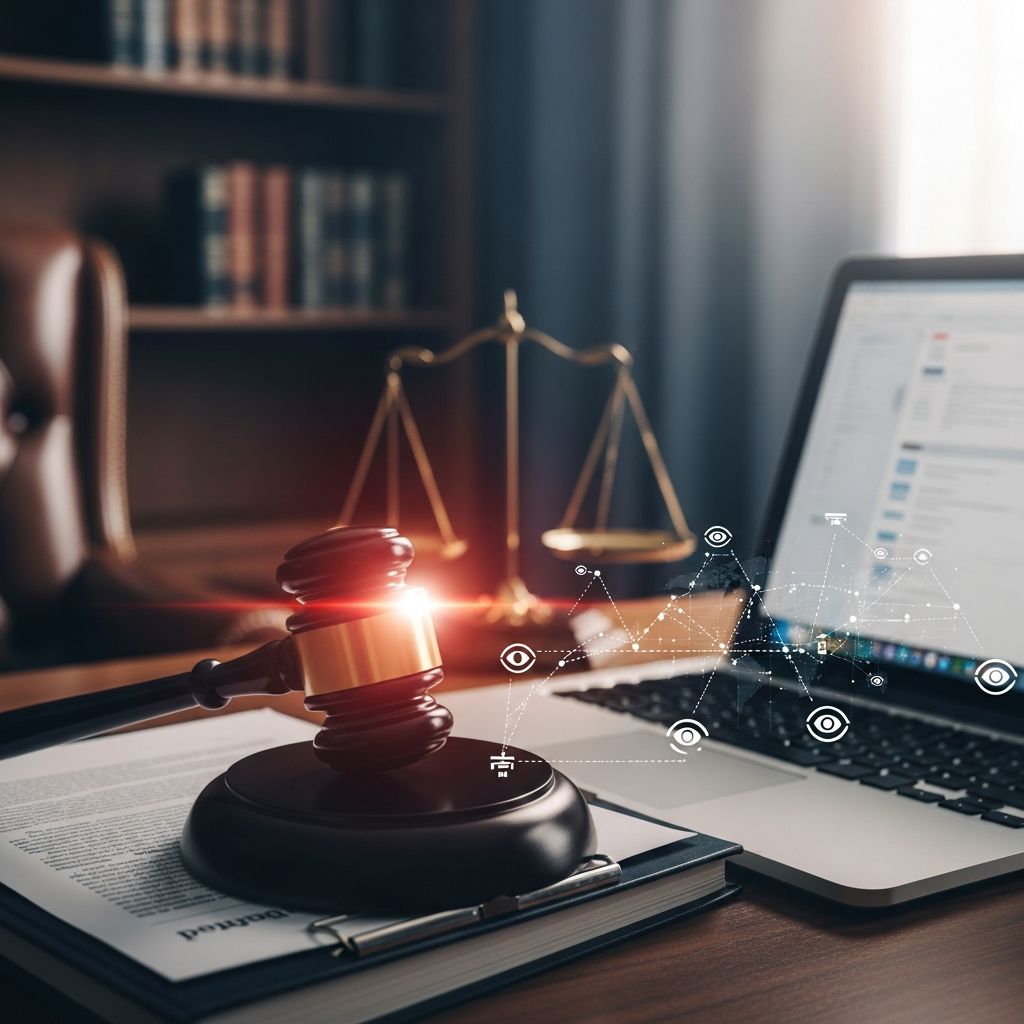
Modern legal practice relies heavily on digital communication, with email serving as a cornerstone for client interactions, negotiations, and discovery processes. Tools promising to track email opens, reads, and locations—such as Sidekick—tempt attorneys seeking tactical advantages. However, these technologies raise profound ethical concerns under rules of professional conduct. Multiple state bar associations have ruled against undisclosed use, citing violations of duties to maintain honesty, protect confidentiality, and respect third-party rights.
Understanding Email Tracking Technology
Email tracking software embeds invisible pixels or web bugs in messages. When recipients open the email, the pixel loads from a remote server, revealing data like open time, device type, location via IP address, and even scroll depth or forward chains. Marketed for sales teams, these tools provide granular insights into recipient behavior.
For lawyers, potential uses include monitoring settlement offer views by opposing counsel or clients, gauging interest in proposals, or verifying document delivery. Yet, this capability transforms routine correspondence into surveillance, prompting scrutiny from ethics regulators.
State Bar Opinions Prohibiting Undisclosed Tracking
Several jurisdictions have issued formal opinions deeming undisclosed email tracking unethical. The Illinois State Bar Association’s Opinion 18-01 explicitly states attorneys may not use tracking software in communications with other lawyers or clients without informed consent, labeling it “dishonesty and deceit” under Rule 8.4(c).
- Illinois joins Alaska (Ethics Opinion 2016-01), which deemed tracking opposing counsel’s emails dishonest and unethical, even if disclosed.
- Pennsylvania’s Formal Opinion 2017-300 prohibits “web bugs” or hidden trackers, violating Rules 4.4 and 8.4, though visible trackers may be permissible.
- New York’s Opinion 749 (2001) bans surreptitious examination of emails, a stance reaffirmed in later discussions.
These opinions align with ABA Model Rules, adopted variably by states, emphasizing candid dealings in negotiations.
Ethical Rules at Risk
Tracking implicates core professional responsibilities:
| Rule | Violation Concern | Source Example |
|---|---|---|
| Rule 8.4(c) (Misconduct: Dishonesty) | Concealing surveillance of email handling deceives recipients about message privacy. | Illinois Op. 18-01 |
| Rule 1.6 (Confidentiality) | Reveals sensitive data like client locations or review times, breaching duties to prevent unauthorized access. | ABA Model Rule 1.6 |
| Rule 4.4(a) (Third-Party Rights) | Improperly obtains evidence from recipients’ clients or experts without consent. | Pennsylvania Op. 2017-300 |
| Rule 1.9(c)(2) (Former Client Duties) | Exposes prior client info through tracked forwards. | Illinois analysis |
Bar associations analogize tracking to secret call recordings, an unwarranted intrusion into attorney-client relationships.
Risks of Tracking Clients and Colleagues
Beyond opponents, tracking own clients or co-counsel amplifies dangers. A client’s open location might disclose safe houses or travel, while timing data could reveal negotiation strategies or expert consultations. Illinois Opinion 18-01 mandates consent for all representational communications, underscoring universal caution.
Even disclosed tracking faces skepticism; Alaska views it as inherently unethical due to intrusiveness. Receiving lawyers bear no duty to detect or block trackers, as scanning every email for pixels is impractical.
Practical Scenarios and Pitfalls
Consider these examples:
- Settlement Negotiations: Tracking an offer email shows opens by counsel, client HQ, and insurer—revealing internal deliberations and potentially tainting evidence.
- Client Updates: A sensitive document tracks back to a client’s personal device, exposing geolocation without consent.
- Expert Communications: Forwards to witnesses yield behavioral data, risking Rule 4.4 violations.
Such insights, while valuable, constitute improperly obtained evidence inadmissible in court and subject to sanctions.
Alternatives to Email Tracking for Attorneys
Ethical lawyers can achieve similar goals without trackers:
- Read Receipts: Request manual confirmations via Outlook or Gmail—transparent and consensual.
- Secure Portals: Use client portals (e.g., Clio, MyCase) for tracked document access with user agreement.
- Phone Confirmations: Follow emails with calls to verify receipt and discuss.
- Certified Mail/Delivery Services: For critical documents, opt for provable physical or electronic delivery.
- Visible Disclosures: If using any tool, disclose upfront in email signatures (though still risky per some opinions).
Adopting encrypted platforms like Signal or ProtonMail enhances security without surveillance.
Technology Competence and Duty to Stay Current
ABA Model Rule 1.1, Comment 8 requires competence in relevant technology. Lawyers must weigh tools’ benefits against ethical risks, opting for transparent practices. Firms should train staff on these opinions to avoid inadvertent violations.
Frequently Asked Questions (FAQs)
Can lawyers use email tracking on non-clients or strangers?
Opinions focus on representational communications, but general Rule 8.4(c) against deceit applies broadly. Marketing emails might tolerate trackers, but legal contexts demand caution.
Is disclosed tracking permissible?
Alaska says no; others require informed consent. Disclosure alone may not suffice if intrusive.
What if I receive a tracked email?
No duty to detect it, but forward cautiously and consider secure replies.
Are there court cases on this?
Few direct rulings; ethics opinions guide preemptively, with potential for disqualification if discovered.
How do I protect against tracking?
Use email clients blocking external images (e.g., Apple Mail, Thunderbird), VPNs, or plain-text mode.
Future Outlook and Recommendations
As email tracking proliferates, expect more bar opinions and possible ABA formal guidance. Solo practitioners and small firms, reliant on cost-free tools, face heightened risks without ethics counsel. Prioritize building trust through candor over covert gains—core to the profession.
Recommendation: Audit your email practices. Disable trackers in tools like Sidekick for legal correspondence. Implement firm policies mandating consent and alternatives. Consult your state bar for localized advice.
References
- Email Tracking Programs Create Ethics Quandaries and Information Treasure Troves — Logikcull. 2018 (approx., based on context). https://www.logikcull.com/blog/email-tracking-programs-create-ethics-quandaries-information-treasure-troves
- Email Tracking: One More Reason Lawyers Should Avoid Email — MyCase. 2018 (approx.). https://www.mycase.com/blog/general/email-tracking-one-more-reason-lawyers-should-avoid-email/
- The Ethics of E-mail Tracking Software and Web Bugs — Law Practice Tips Blog. 2018-04. https://www.lawpracticetipsblog.com/2018/04/ethics-of-e-mail-tracking-software.html
- Does Email Tracking Violate the Rules of Professional Conduct? — Attorney at Work. 2018 (approx.). https://www.attorneyatwork.com/email-tracking-violate-rules-professional-conduct/
- New Advisory Opinion Prohibits Use of Undisclosed Web Bugs — Louisiana Legal Ethics. 2018 (approx.). https://lalegalethics.org/new-advisory-opinion-prohibits-use-of-undisclosed-web-bugs/
Similar Articles








Read full bio of Sneha Tete


