
Easements and Utility Companies: A Homeowner’s Legal Guide
Learn how utility easements affect your rights, limits your use of land, and what to do when disputes arise with service providers.
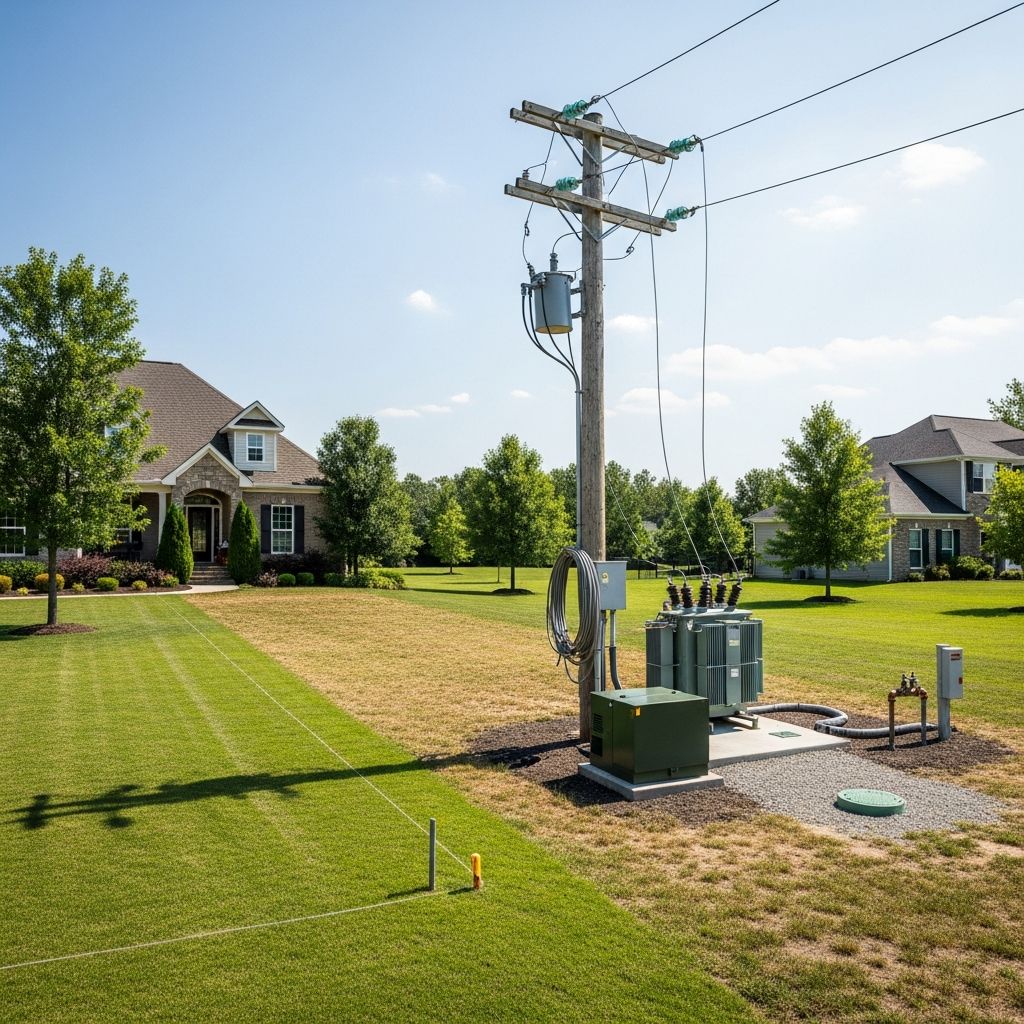
Many property owners only learn about utility easements when a crew appears in their yard to dig, trim trees, or replace lines. Understanding how these legal rights work can help you protect your property, avoid costly mistakes, and respond effectively when conflicts arise.
This guide explains what utility easements are, how they are created, what utility companies can and cannot do on your land, and the options you have if your rights are violated. Because easement law is largely state-specific, you should always confirm details with a local real estate or land-use attorney.
1. What Is a Utility Easement?
An easement is a legal right to use another person’s land for a specific, limited purpose without owning it. Utility easements give public or private utility providers the right to install, access, maintain, and repair infrastructure such as power lines, gas lines, water mains, sewer pipes, and communication cables on private property.
Key characteristics of most utility easements include:
- Non-ownership: You keep legal title to the land, but the utility holds a right to use a defined strip or area.
- Limited purpose: The easement is only for activities reasonably necessary to provide the specified service.
- Running with the land: The easement typically continues when the property is sold or inherited and binds future owners.
- Recorded in public records: Many utility easements are described in deeds, plats, or separate easement documents filed with the county land records.
Common Types of Utility Easements
Although terminology varies by state, most utility easements fall into one of these categories:
- Public utility easements: Held by municipalities or public utility districts to serve a broad area or entire neighborhood.
- Private utility easements: Granted to a private company (for example, a gas pipeline or fiber provider) to cross a specific parcel.
- Overhead easements: Used for poles and overhead lines, often along front or rear lot lines.
- Underground easements: Used for buried pipelines, water, sewer, or underground electric lines.
2. How Utility Easements Are Created
Utility easements can arise in several ways, and the method of creation often determines how flexible or negotiable they are for current owners.
| Creation Method | How It Typically Happens | What It Means for Owners |
|---|---|---|
| Express (written) easement | Document signed by a past or current owner granting utility rights, usually recorded with property records. | Terms are defined in writing; most binding and easiest to verify. |
| Subdivision or plat easement | Easement shown on subdivision plat or development plan approved by local government. | Automatically applies to all lots within the subdivision. |
| Implied easement | Inferred from prior use or necessity when land is divided, even without explicit language. | Scope may be disputed because it is not precisely documented. |
| Prescriptive easement | Long-term, open, and continuous use without formal permission under state law. | Utilities may argue they have rights after decades of use; often litigated. |
| Eminent domain / condemnation | Government or regulated utility acquires an easement by court order for public use, with compensation. | Owner usually cannot refuse but may contest compensation or scope. |
Where to Find Existing Easements
Before building or landscaping, it is wise to locate any easements affecting your land.
- Deed and title report: The legal description and attached documents may reference easements.
- Recorded plats and maps: Subdivision plats often show utility corridors along lot lines.
- County land records: Many jurisdictions provide online access to recorded easement documents.
- Survey: A current survey may show visible utility lines and recorded easement boundaries.
- Local utility or planning department: They may help identify public utility easements in your area.
3. What Utility Companies Can Do on Your Property
Within the scope of a lawfully created easement, utilities are generally permitted to perform activities reasonably necessary to deliver the agreed service. This normally includes:
- Installing and replacing poles, lines, transformers, meters, pipes, and associated equipment.
- Accessing the easement area with vehicles and machinery when necessary for work.
- Clearing vegetation that interferes with lines or safe access, including tree trimming and, at times, tree removal.
- Inspecting lines and equipment for safety, reliability, and regulatory compliance.
- Upgrading or modernizing infrastructure, as long as the use remains consistent with the original purpose.
Limitations on Utility Company Actions
Even with an easement, utilities do not have unlimited authority. Their rights are constrained by the easement language, state law, and general principles of reasonableness and due care.
- Stay within the easement area: Work must generally be confined to the defined corridor except where temporary access is reasonably required.
- Avoid unnecessary damage: Utilities usually must act with reasonable care and restore disturbed areas as required by contract or law.
- Follow the easement’s stated purpose: A power-line easement does not automatically allow other, unrelated uses.
- Comply with safety and environmental regulations: For example, pipeline safety rules and environmental permitting requirements.
4. How Easements Limit What You Can Do on Your Land
Owning property subject to a utility easement typically means you cannot use that portion of the land in ways that interfere with the easement’s purpose.
Common restrictions include:
- No permanent buildings over buried lines or directly under overhead lines (for example, garages, pools, or additions).
- Limits on trees and tall vegetation that may grow into power lines or prevent safe access.
- Rules on fencing, retaining walls, or other obstacles that could block maintenance vehicles.
- Restricted excavation or grading that might damage pipes or cables.
Violating these restrictions can have serious consequences. Utility companies may have the legal right to remove obstructions at the owner’s expense, and local authorities can issue code enforcement actions if violations create safety hazards.
Planning Projects Around Easements
Before starting any major project, consider the following steps:
- Check your survey and recorded documents for easement locations.
- Call the local “call before you dig” or one-call center (often 811 in the U.S.) to have utilities marked.
- Share your plans with the utility or local building department to confirm what is allowed.
- Get written clarification if you are unsure about setback distances or height limits.
5. Can You Refuse, Move, or Terminate a Utility Easement?
Your options depend heavily on whether the easement already exists, how it was created, and the terms of the document.
Refusing a New Easement
If no easement currently exists and a utility seeks new rights over your land, you may have some leverage:
- Negotiate the location to minimize interference with existing or planned uses.
- Seek compensation for the grant of an easement, especially for wide corridors or significant impacts.
- Request detailed plans describing the type, size, and number of lines or facilities.
- Consult an attorney before signing; easements are often permanent and can materially affect property value.
However, if the request is backed by eminent domain powers, a utility or government entity may be able to obtain the easement without your consent, as long as statutory procedures are followed and just compensation is paid.
Changing or Terminating an Existing Easement
Alteration or termination is usually more difficult once an easement is in place, but not impossible.
- Mutual agreement: The owner and easement holder can sign a release, relocation agreement, or amendment, which must then be recorded.
- Expiration: Some easements contain a fixed term. If that date passes and the easement is not extended, it may terminate automatically.
- Abandonment: If the utility clearly and permanently stops using the easement and shows intent not to use it again, a court may declare it abandoned, depending on state law.
- Merger: If the same party comes to own both the easement and the land, the easement may merge into full ownership.
Because abandonment standards are strict and fact-specific, you should not assume a line you do not see is unused. Obtain confirmation from the utility or a professional investigation before relying on presumed abandonment.
6. Dealing With Damage, Overreach, or Misuse
Disputes most often arise when utility work damages landscaping or structures, or when owners believe a company has gone beyond the scope of its easement.
Common Problems
- Removal of trees or shrubs beyond what seems necessary.
- Deep ruts, soil erosion, or un-restored trenches after construction.
- Crews accessing parts of the property that appear outside the easement strip.
- Use of the easement area for third-party facilities not mentioned in the original grant.
Steps to Protect Your Rights
If you believe a utility has exceeded its rights or caused avoidable harm, consider the following:
- Document everything: Take photos and videos before and after the work, note dates, and keep copies of any notices.
- Obtain the easement document: Request a copy from county records or your title insurance company to confirm the exact terms.
- Contact the utility: Many utilities have right-of-way or claims departments that handle complaints and restoration issues.
- Seek repair or compensation: You may be entitled to restoration of disturbed areas or payment for losses if the company acted unreasonably.
- Consult a real estate or eminent domain lawyer: Especially if damage is substantial or ongoing.
7. Easements, Safety, and Regulatory Oversight
Utility easements are also tied to public safety and regulatory obligations. For example, high-voltage power lines and gas transmission pipelines are subject to federal and state safety rules that influence how corridors must be maintained.
Relevant regulatory frameworks include:
- Pipeline safety regulations administered by agencies such as the U.S. Pipeline and Hazardous Materials Safety Administration (PHMSA), which set inspection and maintenance standards for gas pipelines.
- Electric reliability and vegetation management standards overseen by federal and state energy regulators and regional entities to reduce outage and wildfire risk.
- Local building and zoning codes that address structure setbacks, clearances from lines, and underground utility separation.
These safety rules help explain why utilities often insist on clear rights-of-way and may limit what owners can plant or build within the easement corridor.
8. Practical Tips for Buyers and Current Owners
Whether you are considering a purchase or already own a property, taking a systematic approach to easements can prevent surprises.
Before You Buy
- Ask your real estate agent and title company for all recorded easements affecting the property.
- Review the survey and subdivision plat for visible utility corridors.
- Inspect the land for poles, boxes, and manholes that may signal an easement.
- Evaluate how the easement affects future building plans, privacy, and resale value.
After You Own the Property
- Keep a file of easement documents and surveys for easy reference.
- Before landscaping or building, confirm that your plans do not encroach on easement areas.
- Maintain open communication with utilities, especially before major projects near their facilities.
- Engage a local attorney early if a utility requests new rights or proposes a major expansion of existing infrastructure.
Frequently Asked Questions About Easements and Utility Companies
Q1: Can a utility company enter my property without asking me first?
If a valid utility easement exists, the company generally does not need your permission each time it enters the easement area for lawful purposes, though many will provide advance notice for non-emergency work when practical.
Q2: Am I allowed to build a fence across a utility easement?
Some utilities allow fences if gates provide adequate access, while others prohibit any structures in their corridor; you must check the easement language, local codes, and the utility’s policies before building.
Q3: Who is responsible for restoring my yard after utility work?
Easement documents or utility policies often require reasonable restoration of disturbed areas, such as filling trenches and regrading, but they may not promise to replace special landscaping or hardscapes unless specifically agreed.
Q4: Can I get paid for an existing easement that was granted before I bought the property?
In most cases, no. If a prior owner already granted the easement and accepted payment, you take the property subject to those rights and cannot seek new compensation for the same easement.
Q5: What should I do if I think a utility is using the easement for something not allowed?
Obtain and review the recorded easement, document the alleged misuse, contact the utility in writing to raise your concerns, and consult a real estate or utility-law attorney to evaluate potential remedies.
References
- Utility Easement – Legal Glossary Definition 101 — Barnes Walker, Goethe, Perron & Shea, PLLC. 2023-05-10. https://barneswalker.com/legal-glossary/u/utility-easement/
- Utility Easement Rights: What Every Property Owner Should Know — UtiliSource. 2023-02-14. https://utilisource.us/utility-easement-rights-what-every-property-owner-should-know/
- What Is a Utility Easement — Sever Storey Walker Padgitt, LLC. 2022-11-03. https://landownerattorneys.com/what-is-a-utility-easement/
- What is a Utility Easement? — Rocket Mortgage. 2024-01-05. https://www.rocketmortgage.com/learn/utility-easement
- Utility Easements Explained — Barron Adler Clough & Oddo, PLLC. 2021-08-18. https://www.barronadler.com/blog/utility-easements-explained/
Similar Articles








Read full bio of medha deb


