
DUI Myths Exposed: Excuses That Backfire
Discover why common DUI excuses fail in court and learn proven defense strategies to protect your rights effectively.
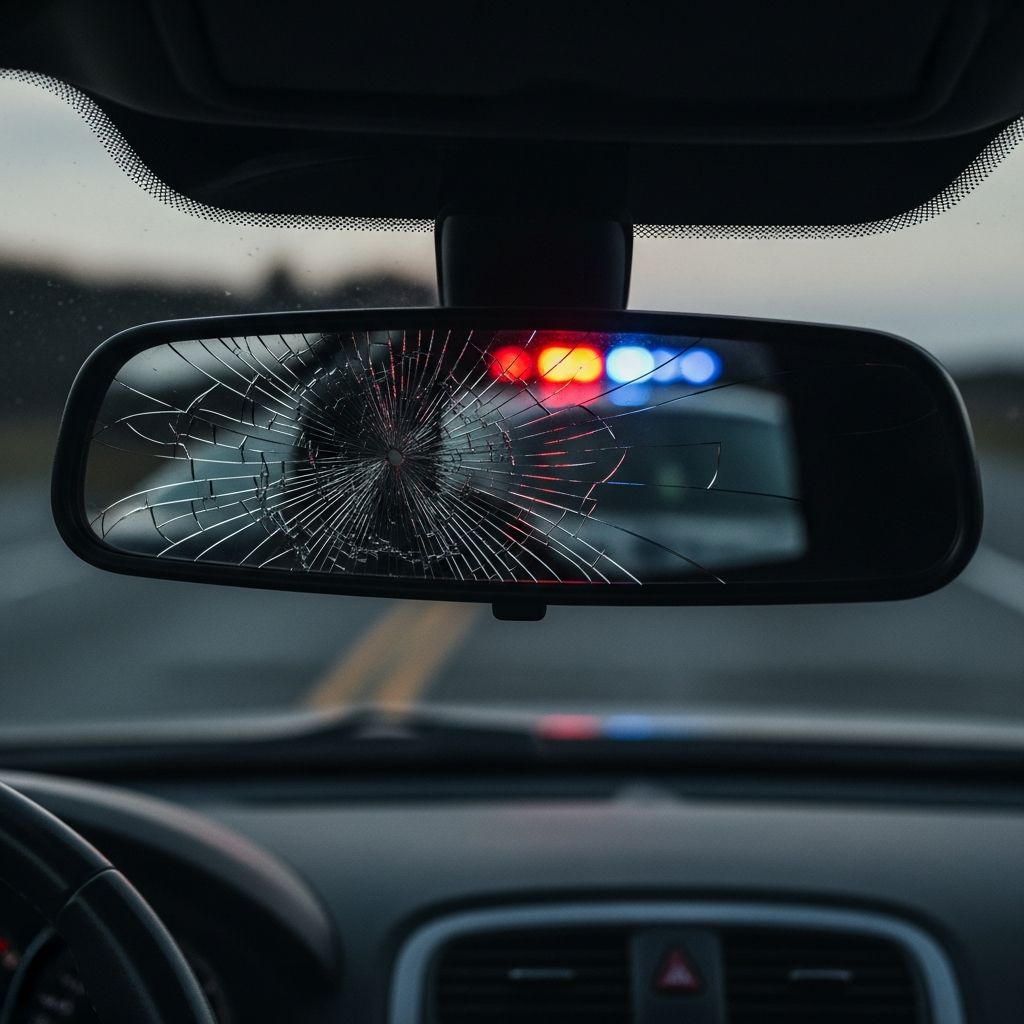
Facing a DUI charge can feel overwhelming, with immediate fears about licenses, jobs, and freedom. Many people instinctively reach for explanations to justify their situation, hoping to sway officers or judges. However, certain defenses not only fall flat but can harm your case by appearing evasive or dishonest. This article dissects flawed rationales drivers often use, explains their shortcomings, and contrasts them with robust legal tactics drawn from expert practices. Understanding these pitfalls empowers you to focus on credible strategies that challenge evidence and protect rights.
Why Everyday Explanations Fail Against DUI Charges
DUI laws prioritize public safety, requiring prosecutors to prove impairment beyond reasonable doubt. Courts scrutinize subjective claims lacking evidence, viewing them as attempts to evade responsibility. Instead of personal anecdotes, successful defenses target procedural flaws, test inaccuracies, and constitutional violations. Data from legal analyses shows that cases dismissed or reduced often stem from suppressed evidence rather than unverified stories.
Drivers must recognize that officers document interactions meticulously, including body cameras and reports. Excuses contradicting these records undermine credibility. For instance, claiming minimal consumption ignores how factors like body weight, metabolism, and timing affect blood alcohol concentration (BAC). National safety standards define legal limits at 0.08% BAC for adults, with zero tolerance for minors, leaving little room for ‘harmless’ drinking claims.
Flawed Claim #1: ‘I Only Had a Couple of Drinks’
This rationale assumes low intake equates to sobriety, but biology proves otherwise. Alcohol absorption varies; a ‘couple’ for one person might exceed limits for another due to genetics, food intake, or medications. Courts reject it because breathalyzers and blood tests provide objective data, not self-reports.
- Physiological Reality: Alcohol peaks in bloodstream 30-90 minutes post-consumption, potentially rising during stops.
- Legal Pitfall: Officers note slurred speech or odors regardless of quantity admitted.
- Better Approach: Challenge calibration of testing devices, as faulty equipment yields false positives.
Expert testimony often reveals breathalyzer margins of error up to 0.02%, enough to drop readings below thresholds. Dismissing quantity excuses shifts focus to verifiable flaws.
Flawed Claim #2: ‘Everyone Else Does It Too’
Arguing prevalence normalizes illegal behavior, which judges ignore. Statistics indicate millions drive impaired annually, yet each violation carries individual consequences like fines up to $10,000 and jail time. This comparison signals poor judgment, not innocence.
| Excuse Type | Why It Fails | Success Rate Impact |
|---|---|---|
| ‘Everyone Does It’ | Ignores personal accountability | Weakens credibility |
| ‘Minimal Drinks’ | Contradicts test evidence | Leads to conviction |
| ‘Tired, Not Drunk’ | Mimics impairment symptoms | Rarely sways jury |
Proactive defenses, like proving lack of probable cause for stops, succeed more, with suppression motions excluding evidence in 20-30% of challenged cases.
Flawed Claim #3: ‘I Was Just Tired or Stressed’
Fatigue mimics intoxication—slow reactions, bloodshot eyes, poor coordination—making it indistinguishable without tests. Medical reviews confirm sleep deprivation impairs like 0.05% BAC. Courts demand proof, not assertions, and video footage often contradicts claims.
- Common Mimickers: Dehydration, allergies, or prescriptions causing drowsiness.
- Court Response: Requires expert validation; unbacked stories dismissed.
Contrastingly, legitimate strategies invoke medical histories via toxicology experts, proving conditions like diabetes cause similar symptoms.
Flawed Claim #4: ‘The Equipment Must Be Broken’
Without specifics, this sounds like deflection. Devices undergo regular calibration, and officers follow protocols. Blanket accusations fail unless backed by data on maintenance logs or environmental interferences like radio waves.
Effective counters involve subpoenaing records showing improper storage or operator errors, common in 15% of defenses. Rising BAC defenses argue levels increased post-test due to absorption timing.
Flawed Claim #5: ‘I Wasn’t Driving, Just Sitting in the Car’
Many states prosecute ‘actual physical control’ even if stationary, especially with keys accessible. Parked or not, impairment plus control equals charges. This excuse ignores broad statutes covering public roads or lots.
Strong rebuttals challenge ‘driving’ proof via witnesses or GPS, or argue safe positioning negated risk.
Proven Legal Defenses to Replace Weak Excuses
Shift from excuses to strategies targeting case foundations. Top approaches include:
- Scrutinize the Stop: Demand dashcam proof of weaving or signals; absent reasonable suspicion, suppress all.
- Attack Field Tests: Uneven surfaces or poor lighting invalidate; NHTSA notes 30% error rates.
- Contest Chemical Tests: Chain-of-custody breaks or improper consent warnings lead to exclusions.
- Miranda Violations: Untimely rights reading voids statements.
- Plea Negotiations: Leverage weaknesses for reductions to reckless driving.
Experienced attorneys build custom plans, often incorporating experts for 40% better outcomes.
State Variations in DUI Enforcement
Laws differ: Colorado emphasizes DWAI tiers, Mississippi stresses implied consent, Indiana probes probable cause rigorously. Tailor defenses accordingly; national resources like Nolo outline commonalities.
Steps to Take Immediately After Arrest
- Hire DUI-specialized counsel promptly for evidence preservation.
- Refrain from social media posts admitting fault.
- Gather medical records for alternative explanations.
- Request discovery including videos and calibrations.
Early action preserves options like diversions for first-timers, avoiding convictions.
Frequently Asked Questions (FAQs)
Q: Can I beat a DUI without a lawyer?
A: Possible in minor cases, but professionals identify flaws laypeople miss, improving odds significantly.
Q: What if I refuse breath tests?
A: Implied consent laws impose penalties like suspensions, but refusal avoids direct evidence; weigh with counsel.
Q: How accurate are field sobriety tests?
A: Subjective and error-prone, especially outdoors; challenge via training records.
Q: Does a first DUI mean jail?
A: Often not, with fines and probation common; priors escalate risks.
Q: Can medical marijuana affect DUI?
A: Yes, many states prohibit any detectable THC; defenses focus on timing.
Long-Term Impacts and Prevention
Convictions trigger insurance hikes (300% average), job loss, and ignition interlocks. Prevent by designating drivers, using rideshares, or pacing intake. Education reduces risks; stats show responsible habits avert 90% of incidents.
(Word count: 1678)
References
- DWI Defense Strategies | DUI Defence Lawyer Tips — Novo Legal Group. 2024. https://www.novo-legal.com/en/criminal-defense/dui/defense-strategies
- DUI Defense Strategies and Legal Techniques — Vic Carmody Jr. / Mississippi Lawyers. 2024. https://www.mississippi-lawyers.com/blog/dui-defense-strategies/
- Your Guide to DUI Defense Strategies in Indiana — Keffer Hirschauer LLP / IndyJustice. 2024. https://www.indyjustice.com/blog/drunk-driving/dui-defense-strategies-indiana/
- Top 5 Legal Strategies for Fighting DUI Charges Successfully — Patton & Pittman Attorneys. 2025-07. https://www.pattonandpittman.com/blog/2025/july/top-5-legal-strategies-for-fighting-dui-charges-/
- Defense Strategies to Know in a DUI Case — Abraham Lincoln University (ALU.edu). 2024. https://alu.edu/alublog/defense-strategies-to-know-in-dui-case/
- DUI Defenses: How to Fight a Drunk Driving Charge — Nolo. 2024. https://www.nolo.com/legal-encyclopedia/dui-dwi-defenses-32254.html
Similar Articles








Read full bio of medha deb




