
DUI House Arrest: How It Works and What to Expect
Learn how DUI house arrest functions, its restrictions, and what to expect if sentenced to home confinement.
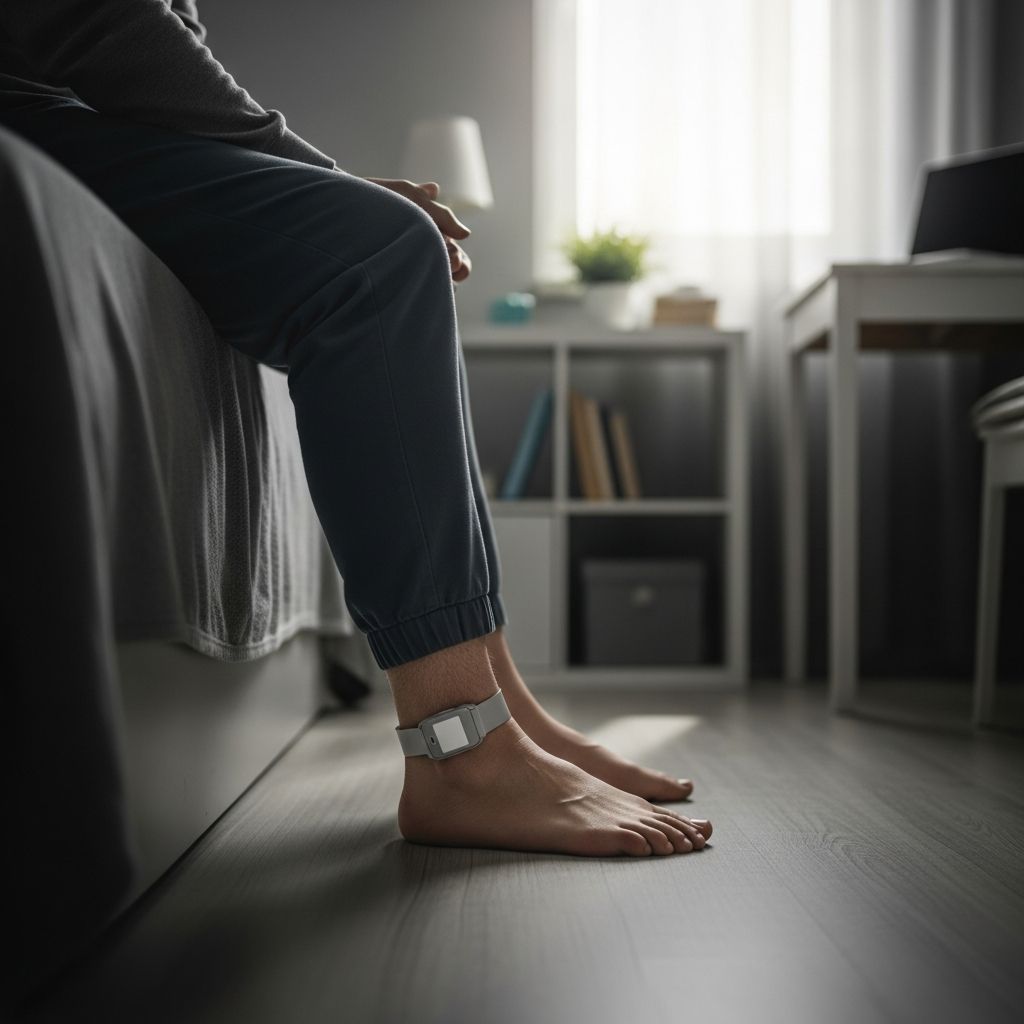
What Is House Arrest for a DUI?
When someone is convicted of driving under the influence (DUI), the court has several sentencing options. One increasingly common alternative to jail is house arrest, also known as home confinement or electronic home detention. Instead of serving time in a correctional facility, the individual is ordered to remain at their residence for a set period, under strict supervision.
House arrest is not a free pass; it is a structured form of punishment designed to keep the public safe while allowing the offender to maintain employment, family responsibilities, and access to treatment programs. It is typically used for non-violent, low-risk offenders, including many first-time DUI offenders, depending on state laws and case specifics.
How Courts Decide on House Arrest
Not every DUI offender automatically qualifies for house arrest. Judges consider several factors before approving it as a sentencing option:
- Number of prior offenses: First-time offenders are more likely to receive house arrest than repeat offenders.
- Blood alcohol concentration (BAC) at the time of arrest: Higher BAC levels may reduce the chances of being granted home confinement.
- Whether injuries or property damage occurred: Cases involving crashes, injuries, or fatalities are less likely to result in house arrest.
- Defendant’s criminal history: A clean or minimal record improves eligibility.
- Public safety concerns: The court must be confident that releasing the person to home detention does not pose a significant risk.
- State and local sentencing guidelines: Laws vary widely by jurisdiction, affecting who can be placed on house arrest and under what conditions.
In many jurisdictions, house arrest is treated as an intermediate sanction—more restrictive than standard probation but less severe than incarceration. It may be imposed as part of a sentence, as a condition of probation, or even as a pre-trial release option for defendants awaiting trial.
Types of Home Confinement Programs
House arrest is not a one-size-fits-all punishment. Courts and probation departments use different levels of home confinement, depending on the seriousness of the offense and the offender’s risk level.
Curfew-Based Monitoring
This is the least restrictive form of home confinement. The offender is required to be at home during specific hours, usually overnight (for example, 10 p.m. to 6 a.m.). Outside of curfew hours, they are generally free to work, attend school, or participate in court-ordered programs. Compliance is often monitored through electronic ankle bracelets or random check-ins.
Home Incarceration
Under this stricter model, the offender must remain at home almost continuously, with very limited exceptions. They may be allowed to leave only for essential activities such as:
- Employment or job interviews
- Medical or mental health appointments
- Court appearances
- Probation or parole meetings
- Substance abuse treatment or counseling
- Religious services (in some cases)
Even activities like going into the backyard or visiting a neighbor may be prohibited unless specifically authorized.
Pre-Trial Home Confinement
Some defendants are placed on house arrest while awaiting trial. This is often used when the court wants to ensure the defendant appears for hearings but does not believe jail is necessary. Conditions are similar to post-conviction house arrest, including electronic monitoring and strict movement restrictions.
Electronic Monitoring and Tracking Devices
Most DUI-related house arrest sentences involve some form of electronic monitoring. These tools help authorities verify that the offender is complying with the terms of confinement.
Ankle Monitors (GPS Tracking)
The most common device is a GPS-enabled ankle bracelet. It continuously tracks the wearer’s location and sends data to a monitoring center. If the person leaves their approved residence without permission, the system alerts law enforcement or probation staff.
These devices are tamper-resistant. Attempting to remove or interfere with the bracelet usually triggers an immediate alert and can result in additional penalties.
Alcohol Monitoring Devices (SCRAM)
Because DUI is an alcohol-related offense, many courts require additional alcohol monitoring. A SCRAM (Secure Continuous Remote Alcohol Monitor) bracelet tests the wearer’s perspiration at regular intervals to detect alcohol consumption.
If alcohol is detected, the system logs the event and notifies the monitoring agency. This helps ensure the offender remains sober during the sentence, which is especially important for those with prior DUIs or high BAC levels.
Random Check-Ins and Verification
In addition to automated monitoring, offenders may be subject to:
- Random phone calls from the monitoring center, requiring the person to confirm their location
- Unannounced visits by probation officers
- Requests to “check in” by placing the ankle monitor near a home base unit or phone
Failure to respond or being found outside the home during restricted hours can be treated as a violation of the sentence.
Typical Rules and Restrictions
Being on house arrest for a DUI comes with a long list of rules. Violating any of them can lead to being sent to jail, extended supervision, or other penalties.
Residence Requirements
The offender must remain at their approved residence except for pre-approved activities. The residence is usually the person’s primary home, but in some cases, it may be a relative’s home or another approved location.
Changing residences during house arrest typically requires prior approval from the court or probation officer.
Curfew and Movement Limits
Most house arrest programs include a strict curfew. The offender must be home during specified hours and may only leave for:
- Work or school
- Medical or mental health treatment
- Court appearances
- Probation meetings
- Substance abuse programs
- Religious services (if allowed)
Travel outside the local area usually requires special permission.
Alcohol and Drug Restrictions
Given the nature of a DUI offense, courts almost always impose strict sobriety requirements:
- No alcohol consumption
- No illegal drug use
- No possession of alcohol or drugs in the home
- Participation in alcohol education or treatment programs
Random breath, urine, or blood tests may be required. For those with SCRAM bracelets, even small amounts of alcohol can trigger a violation.
Ignition Interlock Device (IID)
In many states, a DUI conviction also requires the installation of an ignition interlock device in any vehicle the offender drives. The IID prevents the car from starting if alcohol is detected on the driver’s breath.
This requirement is often separate from house arrest but is commonly imposed at the same time, especially for repeat offenders or high-BAC cases.
Prohibited Activities
While on house arrest, offenders are typically barred from:
- Visiting bars, liquor stores, or other alcohol-serving establishments
- Associating with known criminals or co-defendants
- Traveling outside the jurisdiction without permission
- Using or possessing illegal drugs
- Violating any other court-ordered conditions
How Long Does DUI House Arrest Last?
The length of house arrest varies significantly based on the jurisdiction, the specifics of the case, and the offender’s history.
Typical Duration Ranges
| Offender Type | Typical House Arrest Duration |
|---|---|
| First-time, low-BAC offender | 30–90 days |
| First-time with higher BAC or aggravating factors | 90 days–6 months |
| Repeat offender or aggravated DUI | 6 months–1 year or more |
| DUI with injury or other serious consequences | May result in jail instead of house arrest |
In some cases, house arrest may be combined with other penalties, such as fines, community service, or longer probation periods.
What Happens If You Violate House Arrest?
Violating the terms of house arrest can have serious consequences. Common violations include:
- Leaving the home without permission
- Missing a curfew
- Testing positive for alcohol or drugs
- Failing to attend required programs or meetings
- Interfering with or removing a monitoring device
- Committing another crime
Possible Consequences of Violations
- Warning or increased monitoring: Minor, first-time violations may result in a warning and stricter supervision.
- Extended house arrest: The court may extend the home confinement period.
- Additional conditions: The court may add requirements like more frequent testing or additional counseling.
- Revocation of house arrest: The offender may be ordered to serve the remainder of the sentence in jail.
- Probation revocation: If house arrest is part of probation, the entire probation term may be revoked, leading to incarceration.
Because the stakes are high, it is critical to understand and follow all rules carefully.
How to Prepare for House Arrest
If you are facing or have been sentenced to house arrest for a DUI, taking proactive steps can help you comply and avoid problems.
Understand Your Specific Conditions
Every house arrest order is different. Make sure you know:
- Your exact curfew hours
- Which activities are approved (work, school, treatment, etc.)
- How to request permission for additional activities
- What constitutes a violation
Set Up Your Home Environment
Prepare your residence to support compliance:
- Remove alcohol and illegal substances from the home
- Ensure the monitoring equipment has a reliable power source and phone/internet connection
- Inform family members or roommates about the rules
- Plan for groceries, medications, and other essentials so you don’t need to make unauthorized trips
Stay in Contact with Your Probation Officer
Maintaining a positive relationship with your probation officer can be helpful. Be honest, attend all required meetings, and ask questions if you are unsure about any rule.
Focus on Rehabilitation
Participating fully in DUI education, counseling, and treatment programs shows the court that you are taking responsibility. This can improve your chances of completing house arrest successfully and avoiding future legal problems.
Frequently Asked Questions
Can you get house arrest for a first-time DUI?
Yes, many first-time DUI offenders are eligible for house arrest, especially if they have a low BAC, no injuries or property damage, and a clean criminal record. However, eligibility depends on state laws and the judge’s discretion.
Do you have to pay for electronic monitoring?
In most jurisdictions, the offender is responsible for the costs of electronic monitoring, including the ankle bracelet, installation, and daily or monthly monitoring fees. These costs can add up over time.
Can you work while on house arrest?
Yes, in most cases, employment is an approved reason to leave the home. You will usually need to provide proof of employment (pay stubs, employer contact information) and follow a strict schedule that complies with curfew and monitoring requirements.
What if you need to see a doctor or go to the hospital?
Medical and mental health appointments are typically allowed. You should notify your probation officer or monitoring agency in advance if possible, and keep documentation of the visit.
Can house arrest be part of probation?
Yes, house arrest is often imposed as a condition of probation. In this case, you must comply with both the house arrest rules and all other probation terms, such as drug testing, community service, and regular check-ins.
Is house arrest the same as jail?
No. House arrest is served at home under supervision, while jail involves confinement in a correctional facility. However, house arrest is still a criminal sentence, and violating its terms can result in being sent to jail.
Final Thoughts
House arrest for a DUI is a serious legal consequence that requires strict compliance with court-ordered rules. While it allows more freedom than jail, it still involves significant restrictions on movement, alcohol use, and daily activities.
Understanding how electronic monitoring works, what activities are allowed, and what happens if rules are broken can help you navigate this period successfully. If you are facing DUI charges, consulting with an experienced criminal defense attorney is essential to explore all sentencing options, including the possibility of home confinement.
References
- Electronic Monitoring and Home Confinement — U.S. Department of Justice, National Institute of Justice. 2023. https://nij.ojp.gov/topics/articles/electronic-monitoring-and-home-confinement
- Driving Under the Influence (DUI) Penalties — National Highway Traffic Safety Administration (NHTSA). 2024. https://www.nhtsa.gov/risky-driving/drunk-driving
- Probation and Intermediate Sanctions — Bureau of Justice Statistics, U.S. Department of Justice. 2023. https://bjs.ojp.gov/library/publications/probation-and-intermediate-sanctions
Similar Articles








Read full bio of medha deb




