
DUI Charges Without Active Driving: Legal Implications
Understanding DUI liability when you're not actively operating a vehicle.
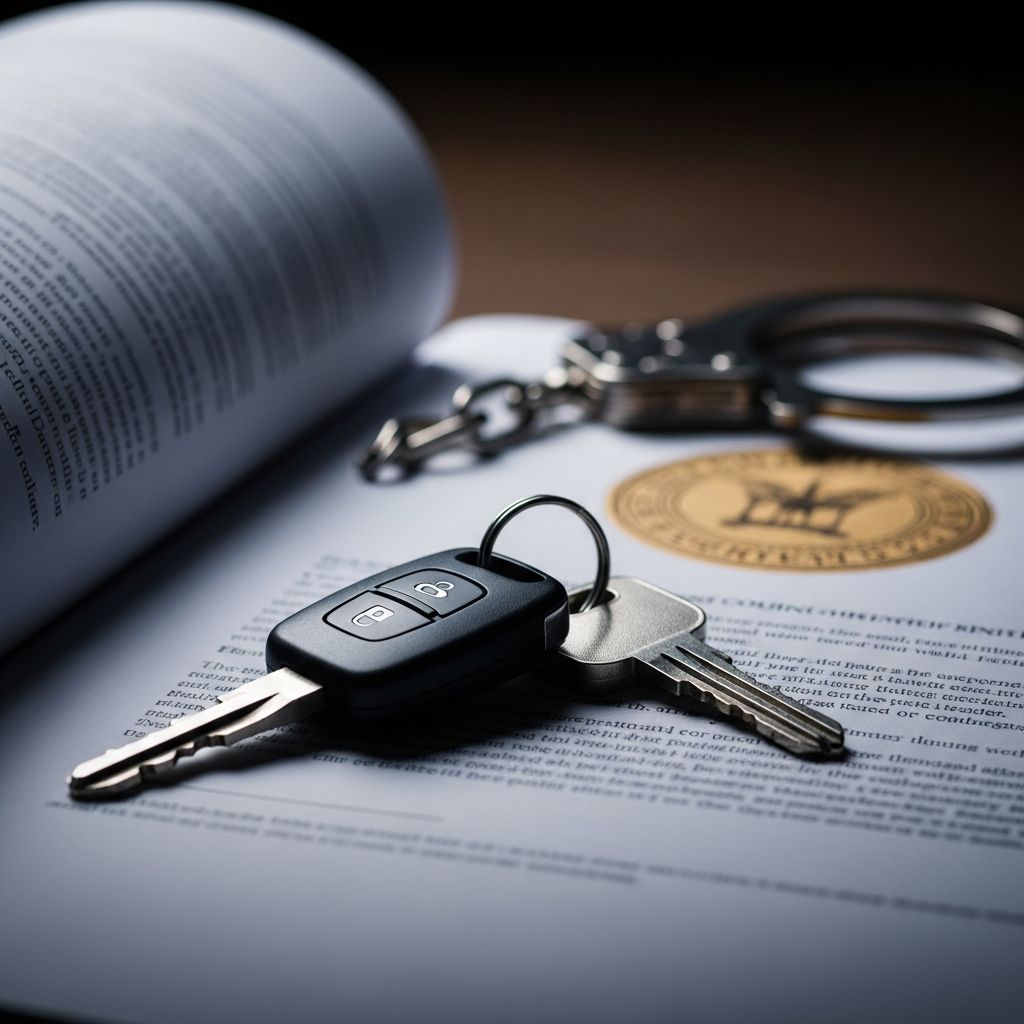
DUI Liability Beyond Active Driving: What You Need to Know
A common misconception about driving under the influence (DUI) charges is that law enforcement can only arrest someone who is actively operating a vehicle at the time of police contact. However, the legal landscape surrounding impaired driving is far more nuanced than many realize. In fact, individuals can face serious DUI charges even when they are not actively driving the vehicle. Understanding these circumstances is crucial for anyone who may find themselves in such a situation, as the consequences can be equally severe as those resulting from charges involving active driving.
The distinction between actual driving and other forms of vehicle involvement has become increasingly important in criminal law. Many jurisdictions have expanded their DUI statutes to encompass situations where a person demonstrates control over a vehicle while impaired, rather than strictly limiting charges to instances of active operation. This expansion reflects lawmakers’ intent to address impaired driving hazards comprehensively and prevent individuals from circumventing DUI laws through technical loopholes.
The Concept of Physical Control in DUI Law
The foundation for DUI arrests without active driving rests on the legal concept of “physical control.” Rather than requiring that a person be actively driving at the moment of police contact, many jurisdictions recognize that someone can commit a DUI offense by being in actual physical control of a vehicle while under the influence of alcohol or drugs. This represents a significant expansion from the traditional understanding of what constitutes a driving offense.
Physical control typically means having the power to direct the vehicle’s movement or operation. This can include situations such as:
- Sitting in the driver’s seat with the engine running
- Holding the steering wheel while intoxicated
- Being in a position to immediately operate the vehicle
- Having access to the vehicle’s ignition or controls
- Demonstrating the intent or ability to put the vehicle in motion
The rationale behind physical control statutes is straightforward: an impaired individual in control of a vehicle poses an immediate danger, regardless of whether they are currently moving. Law enforcement and prosecutors argue that someone who is intoxicated and seated behind the wheel could start driving at any moment, thereby creating a public safety risk that warrants criminal intervention.
Scenarios Where DUI Charges May Apply Without Active Driving
Understanding the various situations that can trigger DUI liability helps individuals recognize the potential legal consequences of their actions. These scenarios demonstrate how broadly DUI laws can be interpreted and applied in real-world situations.
Parked Vehicle Situations
One of the most common scenarios involves an impaired person sitting in a parked vehicle. If an individual is found behind the wheel of a parked car while intoxicated, they can potentially face DUI charges even though the vehicle is stationary. This is particularly relevant for individuals who decide to “sleep it off” in their vehicle rather than drive home intoxicated. While this decision may seem responsible from a road safety perspective, it can backfire legally if law enforcement encounters the individual in this state.
Keys in the Ignition or Immediate Vicinity
The presence and location of vehicle keys is often critical in determining whether someone is in physical control. If a person is found in or near the vehicle with keys in their possession or in the ignition, prosecutors may argue they had the immediate ability to operate the vehicle. Some jurisdictions presume control if keys are within reach of someone sitting in the driver’s seat.
Engine Running or Recently Run
Finding someone intoxicated with the engine running or evidence that it was recently running strengthens the prosecution’s case significantly. An operating engine demonstrates not just the capability but the apparent intent to operate the vehicle. Even if the vehicle is parked, the running engine suggests an immediate risk that the vehicle could move.
Being Seated in the Driver’s Position
Simply occupying the driver’s seat while impaired can be sufficient for DUI charges in many jurisdictions, particularly when other factors—such as keys being present or the engine running—are also involved. The driver’s position itself indicates a degree of control and proximity to the vehicle’s operational mechanisms that distinguishes it from being a passenger or bystander.
Legal Standards and Statutory Language
The specific language of DUI statutes varies by jurisdiction, but many employ expansive language that extends beyond mere “driving” to encompass broader concepts of vehicle operation and control. Colorado’s statute, for example, defines driving under the influence as operating a motor vehicle while substantially incapacitated, which courts have interpreted to include situations involving physical control even without active driving.
Other jurisdictions use terminology such as “in control of” or “operating” a vehicle, which provides prosecutors with flexibility in charging decisions. Some state statutes explicitly include language addressing physical control scenarios, making it clear that active driving is not a prerequisite for DUI liability. This statutory framework reflects a policy decision to prioritize public safety by preventing intoxicated individuals from being in positions where they could suddenly begin driving.
Distinction Between DUI and DWAI Charges
In Colorado and similar jurisdictions, understanding the difference between DUI and DWAI (Driving While Ability Impaired) is essential. DUI charges apply when a person’s blood alcohol content is 0.08% or higher, or when they are substantially incapacitated mentally or physically. DWAI applies to lower levels of impairment, requiring proof that a person’s ability to operate a vehicle is impaired to any degree.
Both offenses can theoretically apply in physical control situations, though the specific charge may depend on the circumstances and the level of impairment demonstrated. A first-time DUI conviction can result in up to one year in jail and a $1,000 fine, while DWAI penalties include up to 180 days in jail and a $500 fine. The distinction matters significantly for sentencing and long-term consequences.
Key Factors Prosecutors Consider
When evaluating whether to charge someone with DUI based on physical control rather than active driving, prosecutors typically examine multiple factors:
- The person’s proximity to the vehicle’s operational controls
- Whether the engine was running or showed signs of recent operation
- The location and accessibility of vehicle keys
- Evidence of the person’s intent to operate the vehicle
- Field sobriety test results and observations by law enforcement
- Breathalyzer or blood test results indicating blood alcohol content
- The person’s statements to police about their intentions
- The time of day and circumstances surrounding the encounter
These factors collectively paint a picture of whether the person posed an immediate danger, which is the core concern underlying physical control statutes. Even the absence of some factors does not necessarily prevent prosecution if other evidence strongly suggests control and impairment.
Common Defenses to Physical Control DUI Charges
While the legal standards may seem broad, several defenses are available to individuals charged with DUI based on physical control rather than active driving. Effective defense strategies depend on the specific circumstances and the quality of evidence.
Lack of Physical Control
The most straightforward defense challenges whether the person actually exercised physical control. If someone was in a passenger seat rather than the driver’s seat, or was far from the vehicle’s controls, this defense may succeed. Evidence showing that the keys were in another person’s possession or inaccessible to the defendant can undermine the prosecution’s control argument.
Questionable Impairment Evidence
Challenging the evidence of impairment itself remains valid in physical control cases. Field sobriety tests may be unreliable, and breathalyzer or blood tests can be subject to technical challenges regarding proper administration, calibration, or chain of custody. If the prosecution cannot prove impairment beyond a reasonable doubt, the entire case collapses regardless of physical control.
Constitutional and Procedural Issues
Defense attorneys frequently examine whether law enforcement followed proper procedures during the stop, detention, and arrest. If the initial traffic stop lacked proper justification or if Miranda rights were violated during questioning, evidence may be suppressed, severely weakening or eliminating the case.
Comparison of DUI Offense Levels
| Offense Type | BAC Threshold | Impairment Standard | First Offense Penalty |
|---|---|---|---|
| DUI | 0.08% or higher | Substantial incapacity | Up to 1 year jail, $1,000 fine |
| DUI Per Se | 0.08% or higher | BAC level alone | Up to 1 year jail, $1,000 fine |
| DWAI | 0.05-0.079% | Slightest degree of impairment | Up to 180 days jail, $500 fine |
| Persistent Drunk Driver | 0.15% or higher | Enhanced penalties apply | Enhanced DUI penalties |
Jurisdictional Variations in Physical Control Laws
While many states have adopted physical control statutes, the specific application varies significantly. Some jurisdictions interpret physical control narrowly, requiring clear evidence of intent or immediate capability to operate the vehicle. Others apply the standard more expansively, focusing primarily on whether someone occupied the driver’s seat while impaired. Individuals facing charges should research their specific state’s legal standards and case law interpreting them.
The variation across jurisdictions means that conduct that results in DUI charges in one state might not in another. This highlights the importance of understanding local law and consulting with an attorney familiar with regional legal standards and judicial interpretations.
Consequences Beyond Criminal Penalties
A DUI conviction based on physical control carries consequences extending far beyond criminal penalties. Driver’s license suspension or revocation typically accompanies such convictions, affecting employment and transportation options. Insurance rates increase substantially, sometimes doubling or tripling. Professional licenses in fields such as healthcare, law, teaching, and law enforcement may be affected. Immigration status may be impacted for non-citizens. Additionally, a DUI conviction becomes part of a permanent criminal record, potentially affecting housing, employment, and educational opportunities for years to come.
Frequently Asked Questions
Q: Can I be arrested for DUI if I’m just sitting in my car with the engine off?
A: Possibly. If you’re in the driver’s seat with keys accessible and appear impaired, some jurisdictions may charge you under physical control statutes. The specific circumstances, including key location and your position, matter significantly in how prosecutors evaluate the case.
Q: Does having a passenger present affect physical control DUI charges?
A: Generally, having a passenger does not prevent a DUI charge based on physical control. The focus remains on whether you, as the driver-seat occupant, had control of the vehicle while impaired. However, evidence that a passenger had keys or greater control might support a defense.
Q: Can someone be charged with DUI for sitting in the backseat?
A: Typically, no. Physical control DUI charges generally require occupying the driver’s seat or demonstrating clear control over vehicle operations. Sitting in the backseat would not usually meet the physical control standard, though extreme circumstances might be evaluated differently.
Q: What should I do if I’m pulled over while sitting in a parked car?
A: Remain calm and respectful with law enforcement. Exercise your right to remain silent and request an attorney before answering questions. Do not consent to searches. Statements you make can be used against you in establishing intent or control, so limiting communication is advisable.
Q: How does blood alcohol content factor into physical control cases?
A: BAC results are crucial. A BAC of 0.08% or higher typically supports DUI charges, while 0.05-0.079% may support DWAI charges. However, even with no chemical test results, prosecutors can pursue charges based on observed impairment and field sobriety tests.
References
- DWAI vs DUI in Colorado: Key Differences & Definitions — Boulder Defense Attorney. Accessed 2025. https://www.boulderdefenseattorney.com/dwai-vs-dui-colorado-key-differences-definitions/
- Colorado Revised Statutes Section 42-4-1301 (2021) – Definitions — Colorado Legislature. 2021. https://law.justia.com/codes/colorado/2021/title-42/article-4/part-13/section-42-4-1301/
- What’s the difference between a DUI, DUID, and a DWAI? — Criminal Law Denver. Accessed 2025. https://www.criminallawdenver.com/denver-dui-defense/whats-difference-dui-dui-d-dwai/
- Colorado DUI Laws — Denver DUI. Accessed 2025. https://www.denverdui.com/help_and_advice/colorado_dui_laws.html
- Driving Under the Influence (DUI) — Cornell Law School, Legal Information Institute. November 2022. https://www.law.cornell.edu/wex/driving_under_the_influence_(dui)
- Colorado Drunk Driving Laws – Colorado Law Summary — Colorado General Assembly. Accessed 2025. https://content.leg.colorado.gov/sites/default/files/colorado_drunk_driving_laws_-_colorado_law_summary.pdf
- What Does Driving Mean Under Colorado DUI Law? — Colorado Defenders. Accessed 2025. https://coloradodefenders.com/blog/operation-of-a-vehicle-and-dui-in-colorado/
Similar Articles








Read full bio of Sneha Tete




