
Drunk Driving, Celebrity Tragedy, and the Law
How the fatal crash involving NHL star Johnny Gaudreau and his brother highlights criminal charges, civil liability, and victim rights.
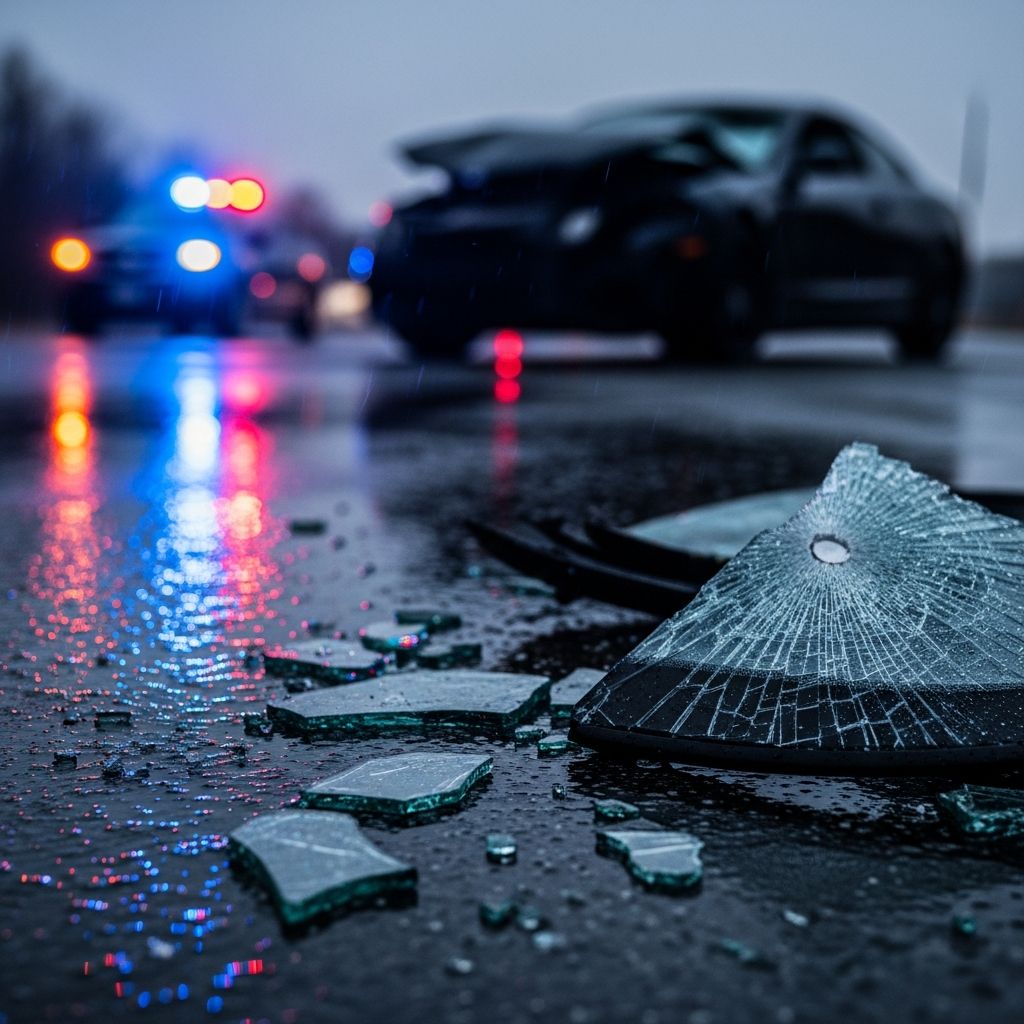
When Drunk Driving Kills: Law, Loss, and Accountability
The fatal crash that took the lives of NHL star Johnny Gaudreau and his brother Matthew in New Jersey has become a sobering example of how impaired driving can instantly destroy families and trigger complex legal consequences. The case raises urgent questions about criminal charges, civil liability, and the protections available to victims of drunk driving.
Beyond the headlines and the emotions, this tragedy illustrates how the law responds when a suspected drunk driver causes a fatal crash, and what families can expect as the criminal and civil processes unfold.
What Happened in the Gaudreau Crash?
According to law enforcement reports, Johnny Gaudreau, 31, and his younger brother Matthew, 29, were riding bicycles in their hometown area of New Jersey when they were struck by a driver suspected of being under the influence of alcohol. They were in town for their sister’s wedding, where both were expected to serve as groomsmen the next day.
Police statements and charging documents reported that:
- The driver admitted to consuming several beers and drinking while driving.
- He allegedly failed a field sobriety test at the scene.
- He was charged with multiple offenses, including death by auto (a form of vehicular homicide in New Jersey), reckless driving, and alcohol-related traffic violations.
Subsequent legal proceedings expanded those charges to include aggravated manslaughter and vehicular homicide counts, along with accusations of evidence tampering and leaving the scene of an accident, to which the defendant pleaded not guilty.
How Criminal Charges Work After a Fatal Drunk Driving Crash
When a suspected drunk driver causes a fatal collision, prosecutors typically consider a range of serious charges. The exact language varies by state, but the core ideas are similar across the United States.
Common Serious Charges in DUI Fatality Cases
- Vehicular Homicide / Death by Auto – A felony charge alleging that a driver caused a death through reckless or intoxicated driving.
- Aggravated Manslaughter – Applied when the conduct is considered especially reckless or shows extreme indifference to human life, such as highly intoxicated or high-speed driving.
- DUI / DWI (Driving Under the Influence) – The underlying offense based on impairment from alcohol or drugs, even if no death occurs.
- Leaving the Scene of a Fatal Accident – If a driver flees instead of remaining at the scene and assisting or waiting for authorities.
- Evidence Tampering – If there is an allegation that the driver tried to hide, destroy, or alter evidence, such as open containers or devices.
Factors Prosecutors Consider
Prosecutors weigh several elements in charging and sentencing recommendations:
- Level of intoxication (e.g., blood alcohol concentration, or BAC).
- Driving behavior – speeding, ignoring traffic signals, or distracted driving.
- Number of victims and severity of injuries.
- Past record – whether the driver has prior DUI or reckless driving convictions.
- Conduct after the crash – calling 911 and cooperating vs. fleeing or hiding evidence.
In high-profile cases like Gaudreau’s, prosecutors are also aware of the public visibility and the broader deterrent impact of their decisions, although they are still bound by statutes and evidence.
Potential Penalties: Prison, Fines, and License Consequences
Drunk driving fatalities frequently lead to substantial prison sentences, along with long-term license suspensions and heavy fines.
| Type of Legal Consequence | Examples of Possible Outcomes (Varies by State) |
|---|---|
| Prison Time | Multi-year sentences for vehicular homicide or aggravated manslaughter; repeat offenders face even longer terms. |
| Fines | Substantial criminal fines, often in the thousands or tens of thousands of dollars. |
| Driver’s License | Suspension or revocation for years; possible ignition interlock devices when reinstated. |
| Probation & Conditions | Mandatory alcohol education, treatment programs, community service, or victim impact panels. |
| Restitution | Court-ordered payments to cover funeral costs and related victim expenses, separate from civil damages. |
In past high-profile cases involving NHL players, courts have imposed significant incarceration terms to emphasize deterrence, even when the defendant had no prior record and expressed remorse.
Civil Lawsuits: Wrongful Death and Financial Accountability
Criminal proceedings are only one side of the legal picture. Families of those killed by impaired drivers often bring wrongful death or survival actions in civil court seeking monetary compensation.
Who Can Be Sued?
- The driver – the primary defendant in nearly all such cases.
- Vehicle owner – if different from the driver, under theories like negligent entrustment.
- Alcohol providers – in some states, bars or restaurants that overserve visibly intoxicated patrons may face liability under dram shop laws.
- Others responsible for roadway or vehicle safety – in rare cases, claims may involve defective vehicle parts or unsafe road design.
Types of Damages Commonly Sought
- Economic losses – lost income, loss of benefits, medical and funeral expenses.
- Non-economic damages – loss of companionship, emotional distress, and pain and suffering.
- Punitive damages – in some jurisdictions, extra damages may be available to punish especially egregious conduct, such as extremely high BAC or repeat DUI behavior.
High-profile victims, such as professional athletes, can leave behind complex financial and contractual interests. Teams, sponsors, and insurers may become part of the overall financial landscape, but the victim’s family remains the core party in wrongful death claims.
Was the Victim at Fault? Comparative Negligence Arguments
Defense lawyers sometimes argue that victims contributed to their own injuries by violating traffic laws or behaving negligently, even when the defendant is accused of drunk driving. In the Gaudreau case, arguments were raised that the brothers’ biking behavior may have contributed to the crash, including allegations of impaired cycling.
A judge later rejected the claim that the Gaudreaus bore legal responsibility for their own deaths under that theory, a ruling that shaped how fault may be allocated at trial.
Comparative Fault Basics
Most states use versions of comparative negligence in civil cases:
- If a victim is found partly at fault, their recovery may be reduced by their percentage of fault.
- In some states, if a victim is more than 50% at fault, they may be barred from recovering damages.
However, the fact that a driver was allegedly intoxicated often weighs heavily against them, especially when the victim was acting in a reasonably safe manner for the conditions.
The Role of Victim Families: Grief, Advocacy, and the Courtroom
For families like the Gaudreaus, the legal process unfolds alongside intense grief and public attention. Widows and other family members often become key voices in both the courtroom and the broader public conversation about impaired driving.
Victim Impact and Public Advocacy
- Victim impact statements allow family members to address the court at sentencing, describing in their own words how the loss has affected them.
- Organizations such as Mothers Against Drunk Driving (MADD) provide support, legal information, and advocacy platforms for families affected by impaired driving.
- High-profile tragedies often become catalysts for renewed policy debates on penalties, ignition interlock requirements, and enforcement efforts.
In public statements after the Gaudreau crash, MADD emphasized that drunk driving remains one of the most preventable causes of death on the road and called for continued enforcement and victim support.
Why Celebrity Cases Matter for Drunk Driving Policy
Cases involving professional athletes and other public figures do not change the law on their own, but they often bring renewed focus to persistent safety problems. Johnny Gaudreau’s death is part of a long and painful history of impaired or dangerous driving tied to the hockey world, including past incidents where players themselves were defendants in serious vehicular cases.
These events reinforce several policy concerns:
- The ongoing need for robust DUI enforcement and roadside testing.
- The value of education for both athletes and the public about safe transportation planning (sober drivers, rideshare, designated drivers).
- Questions about how effectively current penalties deter repeat drunk drivers.
Practical Steps After a Serious Drunk Driving Crash
Families confronted with a fatal or serious-injury crash caused by suspected drunk driving are suddenly thrust into a system that feels both urgent and confusing. While every situation is different, some general steps are commonly recommended:
- Obtain the police report – It contains critical information about charges, witnesses, and preliminary findings.
- Contact the prosecutor’s office – Victim-witness units can explain the criminal process and give updates on hearings.
- Document financial losses – Keep records of funeral costs, medical bills, missed work, and counseling expenses.
- Consult a civil attorney – A lawyer experienced in wrongful death or serious injury cases can evaluate potential claims and insurance coverage.
- Seek emotional support – Grief counseling, support groups, and victim organizations can be crucial for long-term recovery.
Frequently Asked Questions (FAQs)
Q: Is drunk driving automatically considered murder?
A: No. Most states charge fatal drunk driving crashes as vehicular homicide, death by auto, or manslaughter, which generally require proof of recklessness or extreme negligence, not the specific intent to kill. Only in rare, especially egregious circumstances do prosecutors seek murder charges for DUI deaths.
Q: Can the victim’s family influence the sentence?
A: Families cannot decide the sentence, but they usually have the right to deliver victim impact statements at sentencing. Judges often consider these statements seriously when weighing punishment, along with statutory guidelines and the defendant’s history.
Q: What if the driver pleads not guilty?
A: A not guilty plea is common at the start of a case. The prosecution must then prove the charges beyond a reasonable doubt. The case may end in a plea agreement or go to trial, where a judge or jury decides guilt based on evidence like BAC tests, expert testimony, and eyewitness accounts.
Q: Do civil and criminal cases happen at the same time?
A: They are separate processes. Criminal cases are brought by the state to punish lawbreaking, while civil wrongful death or injury lawsuits are brought by victims or families seeking financial compensation. They may overlap in time, but each follows its own rules and timeline.
Q: If the driver has no money, is a civil suit still worth it?
A: Often, yes. Civil claims may seek recovery from auto insurers, underinsured motorist coverage, or, in some cases, other responsible parties such as businesses that served alcohol. An attorney can evaluate whether there is practical potential for meaningful recovery.
References
- Ex-NHL player Ramage gets four years in fatal 2003 crash; will appeal — The Hockey News. 2008-01-17. https://thehockeynews.com/news/ex-nhl-player-ramage-gets-four-years-in-fatal-2003-crash-will-appeal
- NHL player Johnny Gaudreau and brother killed when bicycles hit by car on eve of sister’s wedding — CityNews Halifax / The Canadian Press. 2024-08-30. https://halifax.citynews.ca/2024/08/30/nhl-player-johnny-gaudreau-and-his-brother-have-died-after-their-bicycles-were-hit-by-a-car/
- NHL players who have been charged with serious crimes — ESPN. 2011-08-03. https://www.espn.com/blog/nhl/post/_/id/32498/nhl-players-who-have-been-charged-with-serious-crimes
- Gaudreau brothers’ widows speak out nearly 1 year after deadly crash — ABC News. 2025-08-25. https://abcnews.go.com/US/gaudreau-brothers-widows-speak-1-year-after-deadly/story?id=124540139
- MADD Statement on Tragic Death of Pro NHL Player Johnny Gaudreau and Brother Matthew Gaudreau — Mothers Against Drunk Driving. 2024-08-30. https://madd.org/position-statement/madd-statement-on-tragic-death-of-pro-nhlplayer-johnny-gaudreau-and-brother-matthew-gaudreau/
- Gaudreau dies at 31; played for Blue Jackets, Flames — NHL.com. 2024-08-30. https://www.nhl.com/news/johnny-gaudreau-dies-at-31
- Judge rejects defense that Gaudreau brothers contributed to their deaths with impaired cycling — WOSU Public Media. 2025-04-15. https://www.wosu.org/sports/2025-04-15/judge-rejects-defense-that-gaudreau-brothers-contributed-to-their-deaths-with-impaired-cycling
Similar Articles








Read full bio of Sneha Tete


